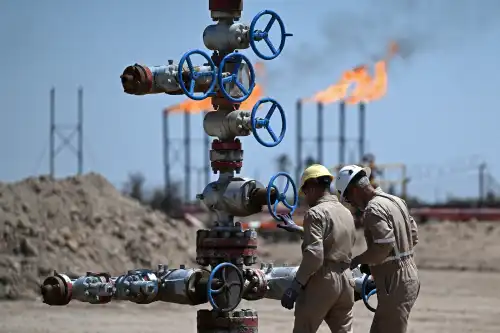
LONDON: When the day comes, the reopening of the Strait of Hormuz will be an extraordinary event: restarting about 10,000 oil wells, pumping roughly 15 per cent of the world’s production, that had been shut down for a hundred days and counting. Nothing even remotely close has been attempted - ever. The oil industry doesn’t have a playbook for it; it will learn by doing.Unsurprisingly, the commodity market is deeply divided about how long it would take: oil bears believe it could be done in days and weeks, while the bulls talk about six to eight months, perhaps even a year. The most pessimistic say many wells won’t restart at all.My industry soundings are far more upbeat: When it happens, it would start as a trickle, but very quickly - in just a handful of weeks, if not days - transform into an oil flood. I’m on the side of the bears, as you may have guessed.
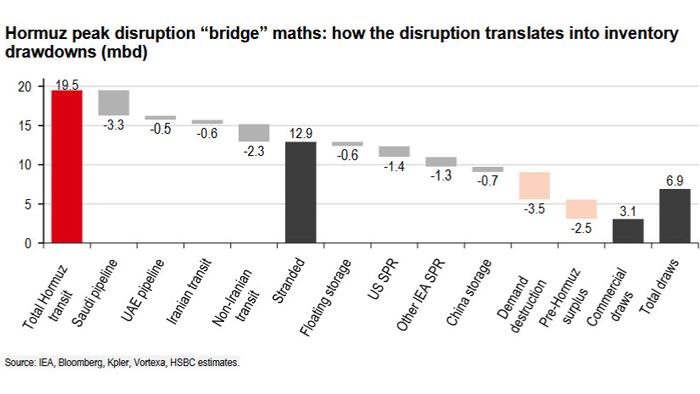
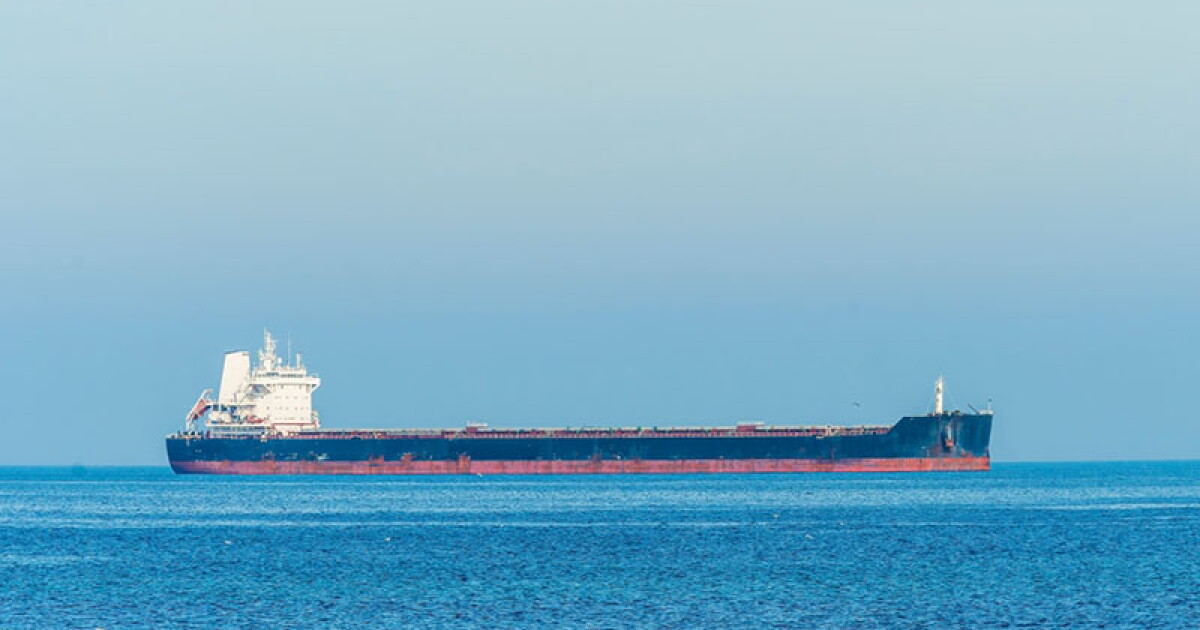
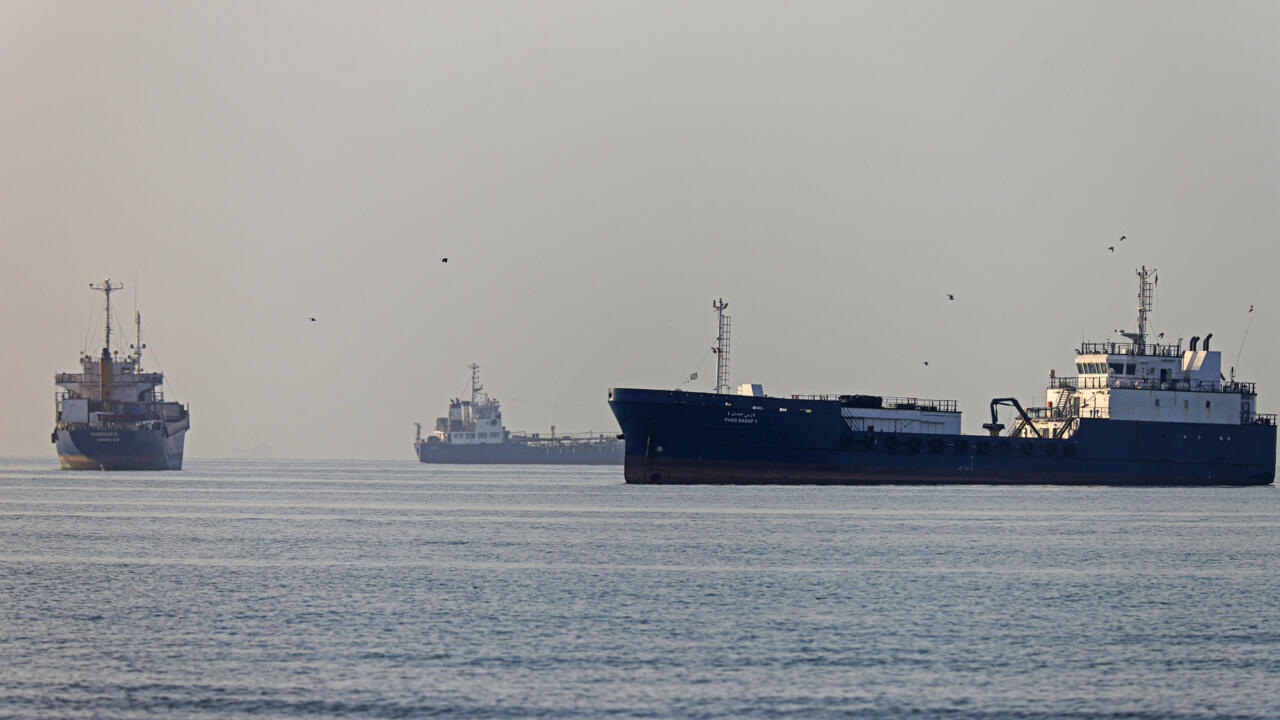
Admittedly, resuming shipping in the strait would require a diplomatic deal between the US and Iran that has so far proven elusive. But allow me to speculate on the day after Tehran and Washington sign a memorandum of understanding that, in practical terms, allows tanker traffic on the waterway to return to prewar levels within, say, 30 days.I’m sidestepping key questions: Would Iran charge tolls or fees? Would oil tankers use the Iranian shipping lanes or the Omani ones? But the starting point is sombre. The closure of Hormuz has forced Saudi Arabia, Iraq, Iran, the United Arab Emirates, Kuwait, Qatar and Bahrain to curtail output by 45 per cent, from a pre-war level of roughly 32 million barrels a day to about 17.5 million last month, according to the International Energy Agency.HOW TO PREPARE FOR A REOPENINGBefore oil can re-start, the first job is to get tankers past the Hormuz bottleneck into the Persian Gulf. Often, I hear the reopening would be a two-phase operation: First, tankers already laden would depart, and only then could ships on ballast go beyond the strait to load. That’s nonsense: It would happen simultaneously. Greek shipowners have already pre-positioned multiple empty supertankers within only three to five days of navigation from Hormuz for the job.