HomeAI · summaries
Storia in 3 fonti
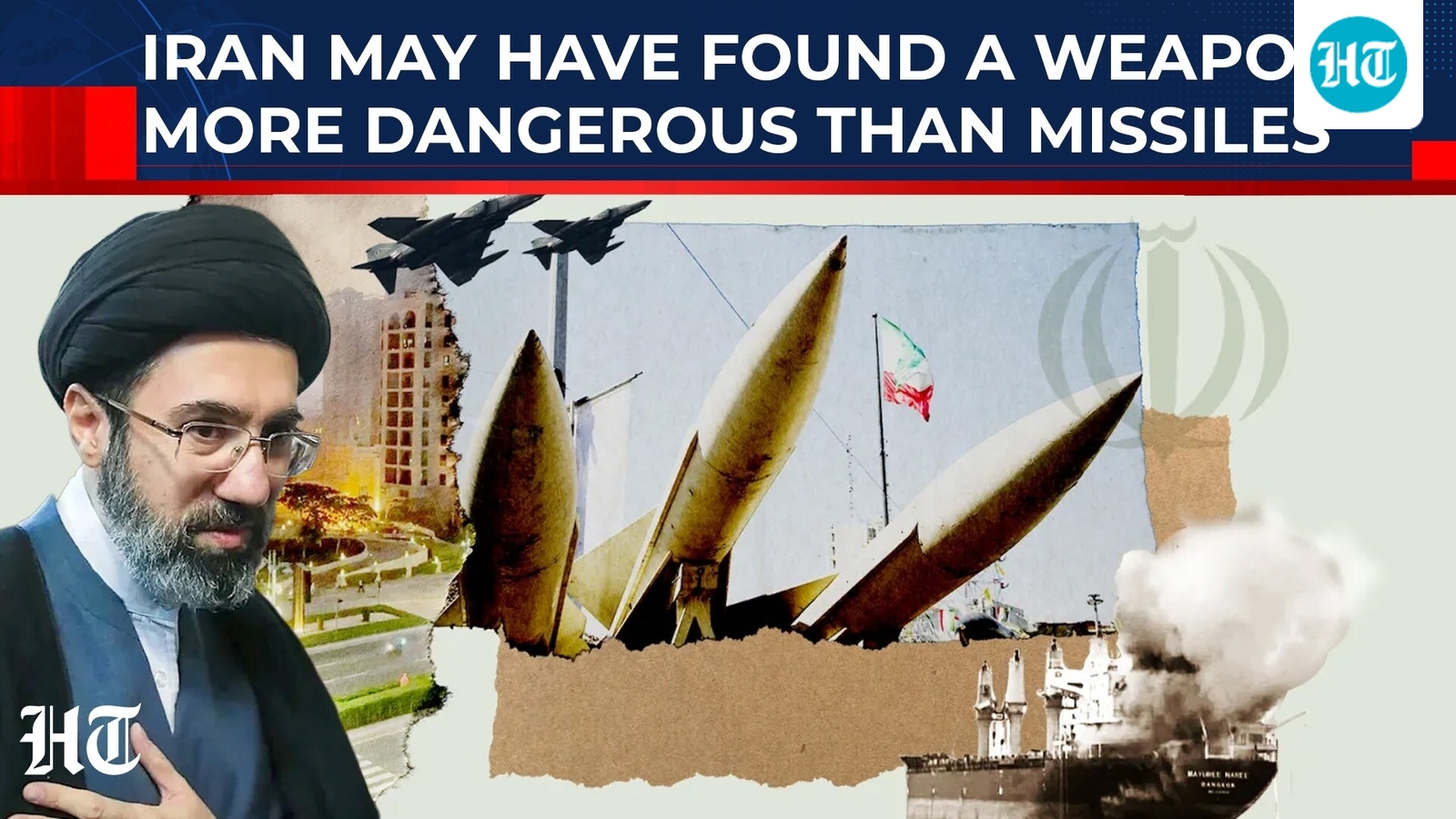
Iran’s 'hidden weapon' worse than missiles? Could one waterway trigger worldwide economic collapse
Is Iran’s most powerful weapon no longer military, but economic? As tensions escalate around the Strait of Hormuz, analysts are increasingly warning that the real battlefield may be global markets, energy flows, and financial stability rather than conventional warfare. According to Bloomberg and energy analysts, even a prolonged disruption in the Strait of Hormuz could push the world toward a crisis comparable to the 2008 financial meltdown, with oil prices spiking, supply chains tightening, and global growth coming under severe pressure. Rapidan Energy has further warned that the scale of disruption could trigger a shock powerful enough to destabilize the global economy in ways not seen in years. With governments, investors, and central banks now watching every movement in oil markets, fears are growing that the world may be edging closer to a new kind of crisis, one driven not just by war, but by energy insecurity and financial fragility.This video breaks down the warnings, the market signals, and the historical parallels with the 2008 collapse to understand what could happen if the Strait of Hormuz disruption continues into the coming months.
Confronto fonti
3 prospettive sulla stessa storiaTimeline cronologica
- ·
cryptobriefing.com
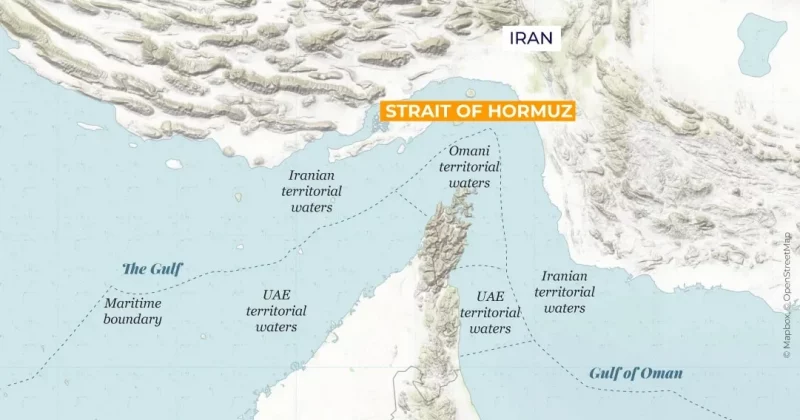
Iran consolidates control over Strait of Hormuz, creating energy crisis that ripples across crypto markets
Iran has seized control of the Strait of Hormuz, cutting vessel traffic by over 85% and removing 11 million barrels per day from global supply, with ripple effects hitting crypto…
- ·
washingtonexaminer.com
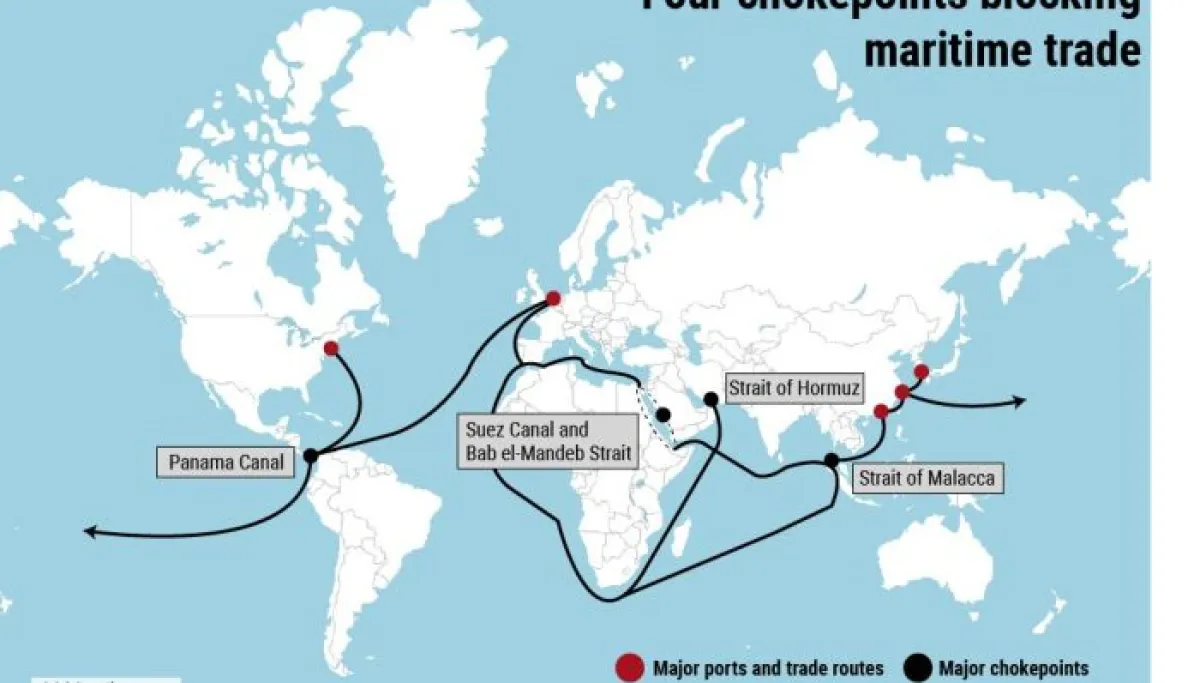
Iran's shut down of strait raises global chokepoint questions
Iran's successful blockade of the Strait of Hormuz has raised the question of what other vital waterways could cause this type of fallout.