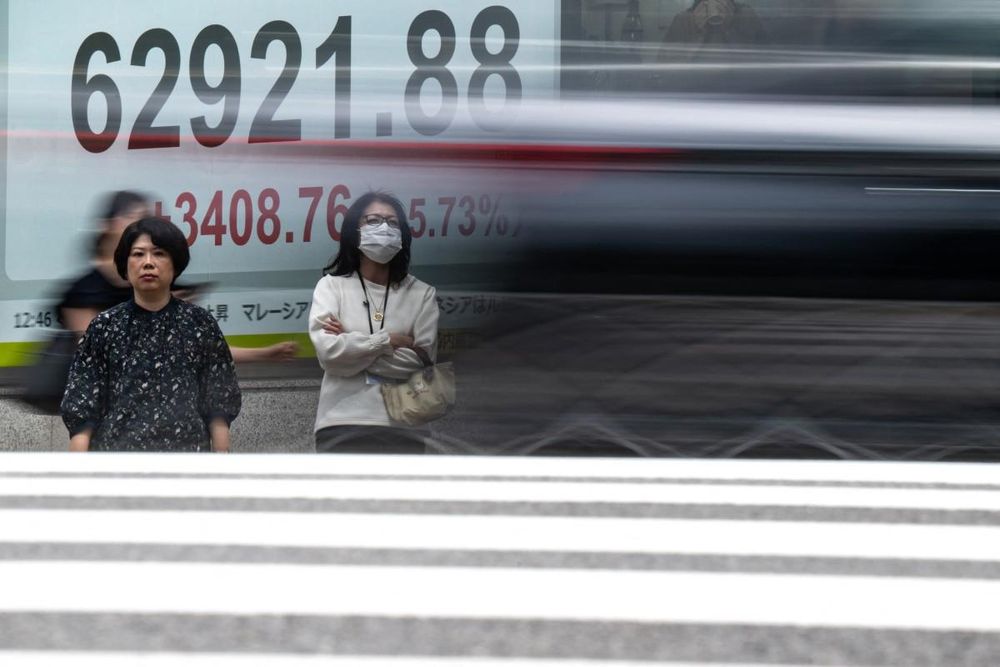
The Iran conflict has turned into a slow-motion economic earthquake for emerging Asia. Rising energy costs, disrupted trade routes, and ballooning current-account deficits are creating the kind of macro backdrop that keeps central bankers up at night and sends currency traders reaching for the sell button.
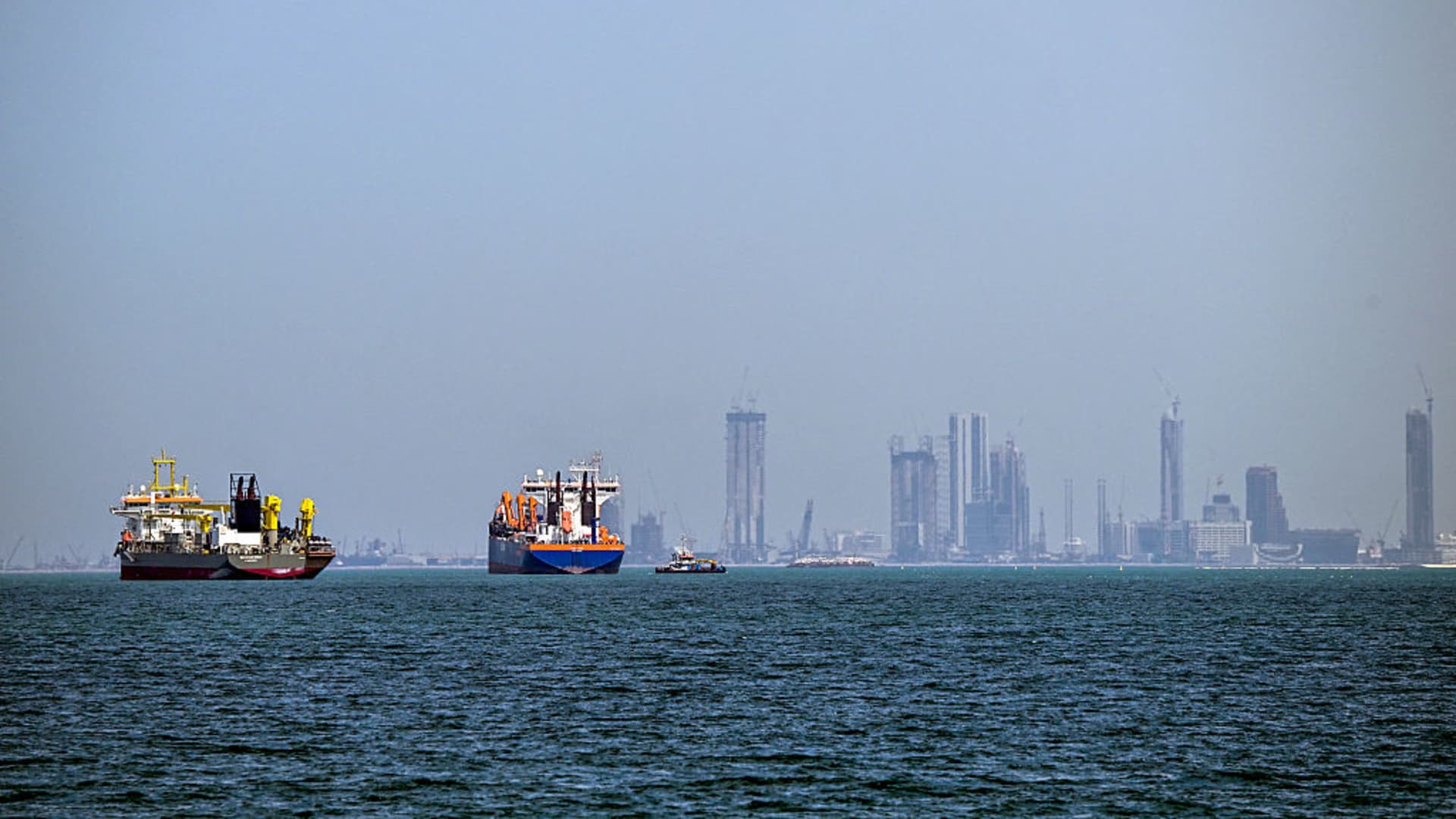
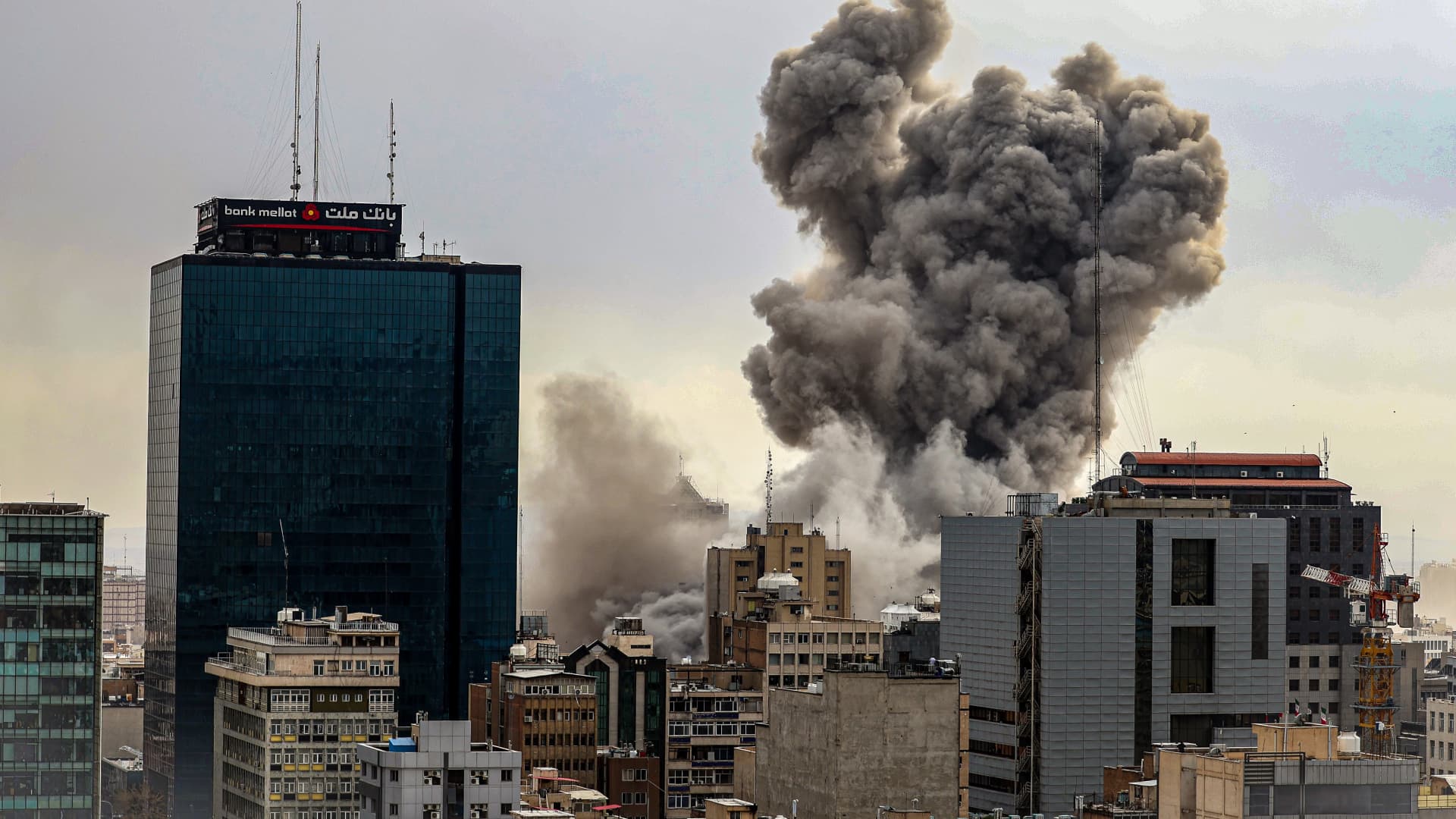
The epicenter of the damage is the Strait of Hormuz, where IRGC actions have virtually halted roughly one-fifth of global oil and liquefied natural gas trade.
Energy dependence meets geopolitical reality
East Asian powers import roughly 60% of their oil from the Middle East. That figure alone explains why Japan and South Korea sit at the top of the vulnerability list, but the pain extends well beyond Northeast Asia.
South Korean fuel prices are running about 18% above pre-war levels. That’s contributed to a three-month inflation high in the country, squeezing consumers and complicating the Bank of Korea’s rate path at precisely the wrong moment.