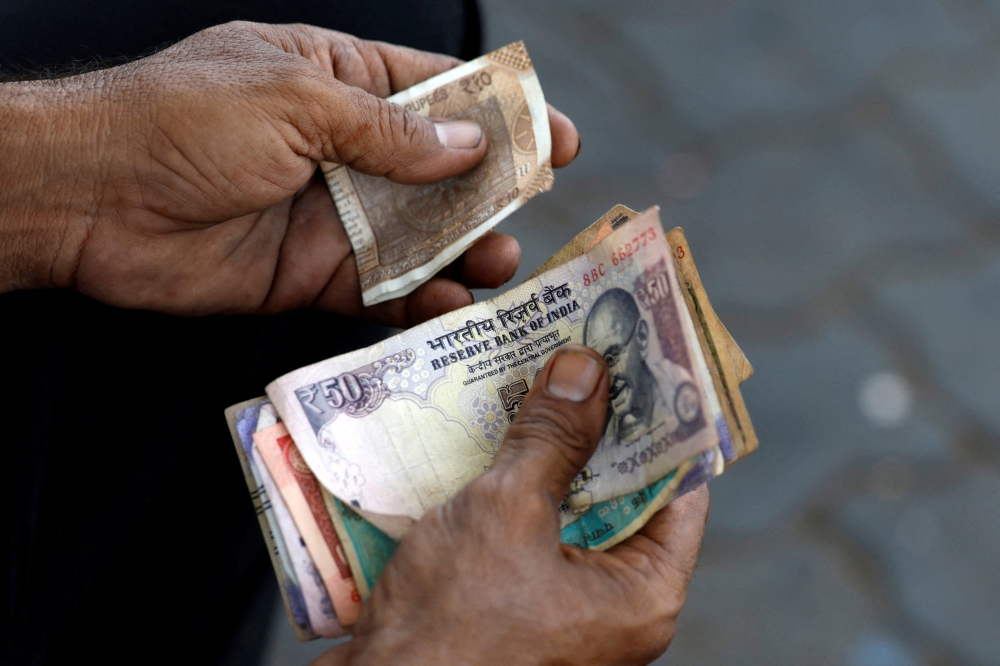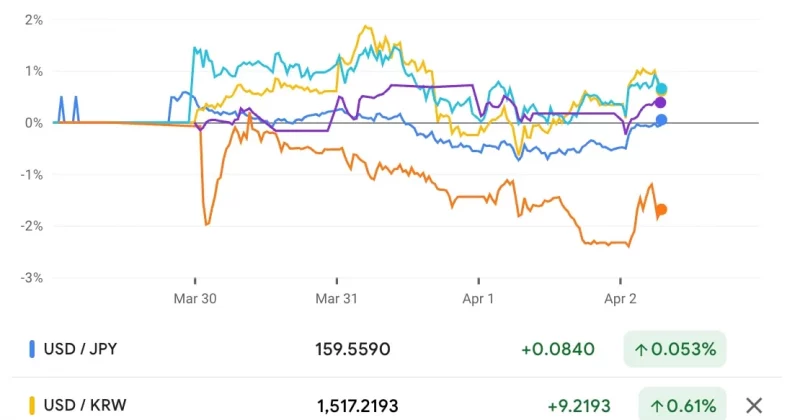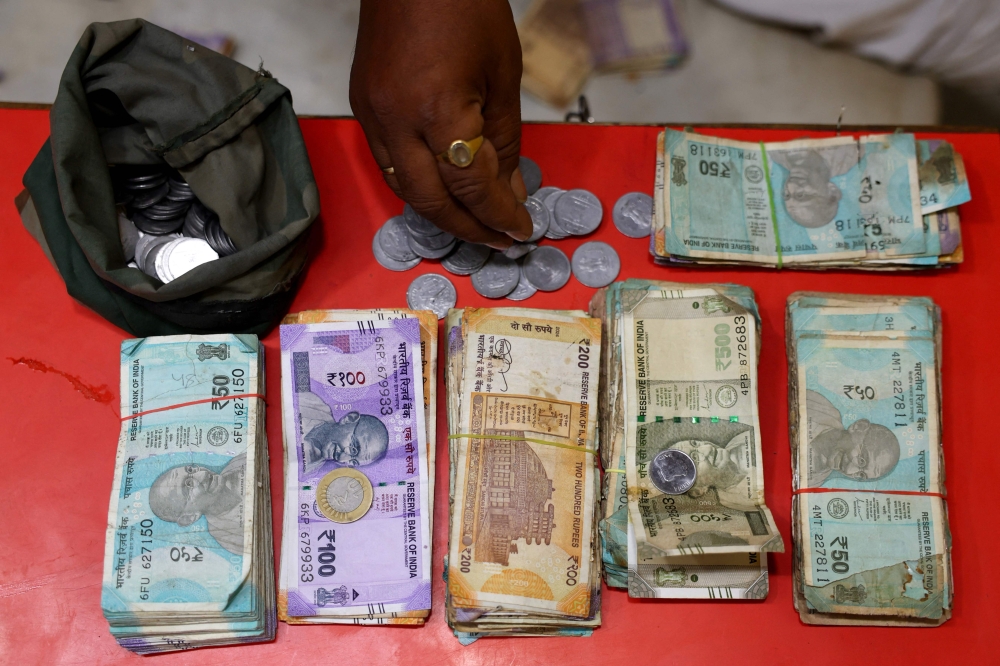
Asian policymakers are stepping up emergency measures to protect their economies from the growing fallout of the global energy supply shock, as weakening currencies, surging fuel costs and capital outflows intensify pressure across the region.According to Reuters, Asia’s heavy dependence on oil shipments through the Strait of Hormuz has left economies particularly exposed after disruptions linked to the escalating Middle East conflict tightened crude supplies. The region purchases nearly 80% of the oil transported through the strategic waterway, making rising energy prices a direct threat to inflation, growth and financial stability.Currency markets have become the clearest indicator of stress. The rupee, Indonesian rupiah and Philippine peso have all fallen sharply against the dollar, reflecting investor concerns over widening trade deficits, imported inflation and slowing economic momentum.Governments across Asia are facing a difficult balancing act. Supporting currencies through higher interest rates may help contain inflation and capital flight, but tighter monetary policy risks slowing domestic demand and weakening already fragile economic growth.In India, authorities have urged citizens to curb overseas travel and reduce gold purchases to help ease pressure on the rupee. The currency has emerged as one of the world’s weakest performers since crude supplies tightened amid the Middle East conflict.As per a Reuters report, Prime Minister Narendra Modi has reduced the size of his official motorcade to conserve fuel, while market participants estimate that the Reserve Bank of India is intervening aggressively in currency markets to stabilise the rupee, which has slipped to record lows.Indonesia has taken even more aggressive action. The country delivered a surprise 50-basis-point interest rate hike to defend the rupiah, while also tightening control over commodity export earnings to ensure proceeds remain within the domestic financial system and are converted into local currency.The Philippines has also entered tightening mode, with its central bank already raising interest rates and markets anticipating further action if inflation continues to accelerate due to rising fuel prices.Analysts say the combination of higher oil prices and shifting expectations for U.S. interest rates is worsening the situation for emerging Asian economies. Investors are increasingly pricing in the possibility that the U.S. Federal Reserve may keep rates elevated for longer or even consider another hike, strengthening the dollar and accelerating capital outflows from developing markets.The rupiah has weakened to around 17,700 per dollar, while the rupee is approaching the 97-per-dollar mark and the Philippine peso is nearing 62 against the dollar.The market pressure has been especially intense for Indonesia. The rupiah has fallen significantly under President Prabowo Subianto, whose interventionist economic policies have unsettled investors. Foreign exchange reserves have also declined sharply as authorities attempt to defend the currency.Investor concerns deepened further after Jakarta moved to centralise commodity export management, raising fears of increased state intervention in markets. S&P Global Ratings warned such policies could weaken exports, reduce government revenue and strain Indonesia’s balance of payments.In India, attention has turned to the Reserve Bank of India’s sizeable forward dollar positions. The central bank’s short forward dollar commitments have exceeded $100 billion, raising questions among investors about the sustainability of currency interventions despite India’s large foreign exchange reserves.Market strategists believe more rate hikes may be necessary across parts of Asia if currency weakness persists. However, tighter financial conditions could further hurt consumption and investment at a time when economies are already grappling with higher import costs.Investment banks are increasingly recommending investors favour relatively stronger Asian currencies such as the Singapore dollar, Malaysian ringgit, Chinese yuan and South Korean won over weaker currencies including the rupee, rupiah and Thai baht, Reuters reported.The uncertainty surrounding the Iran-U.S. conflict and global oil supply remains a major risk factor for Asian economies, with policymakers likely to remain under pressure as long as energy prices stay elevated and capital flows remain volatile.
Global Market: Oil crisis and strong dollar intensify pressure on Asian currencies
Asian economies face a global energy shock. Policymakers are enacting emergency measures as currencies weaken and fuel costs surge. India urges reduced overseas travel and gold purchases. Indonesia hikes interest rates and tightens export earnings control. The Philippines also raises rates. These actions aim to stabilize economies amid rising oil prices and capital outflows.
623 words~3 min read