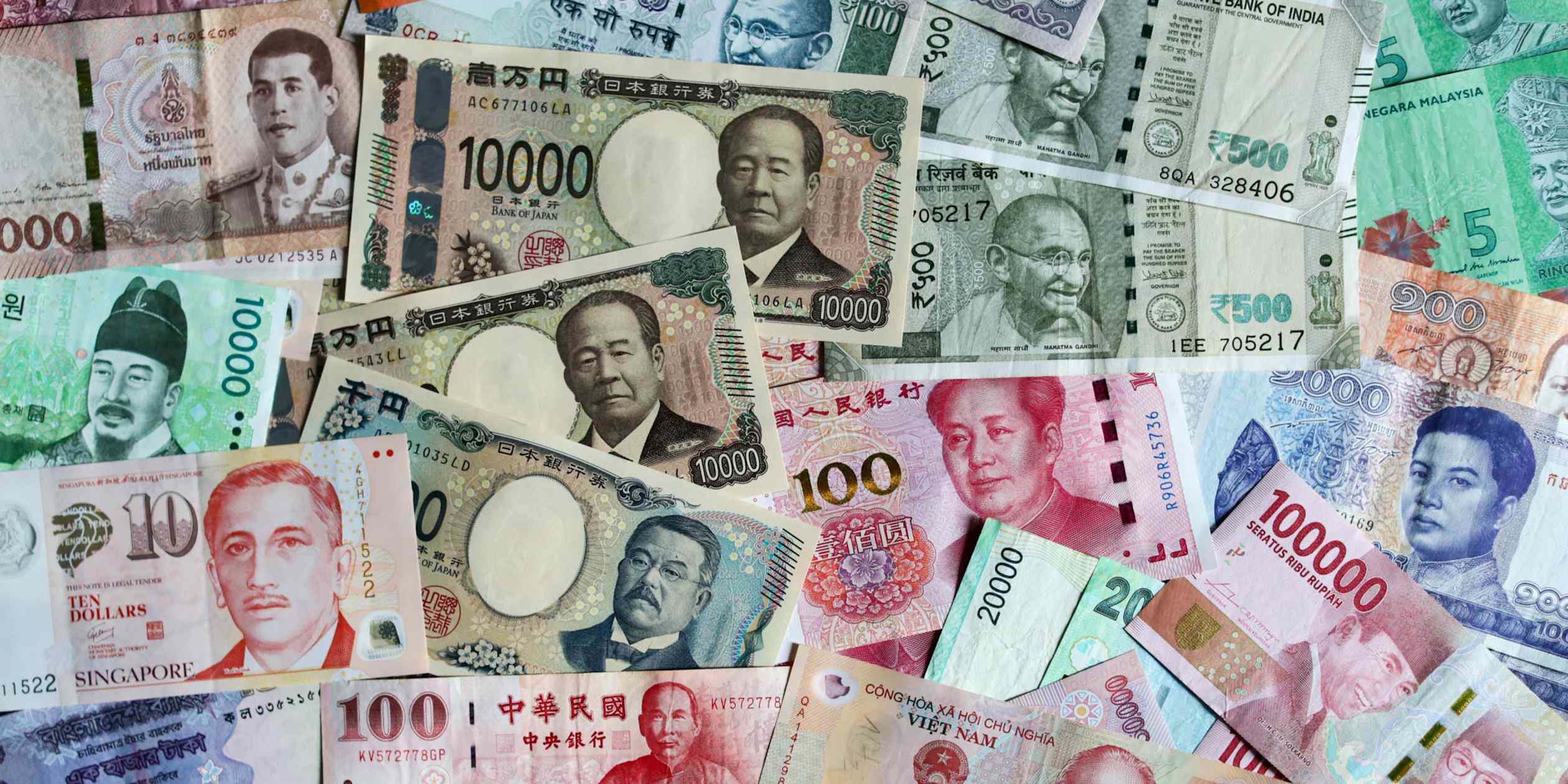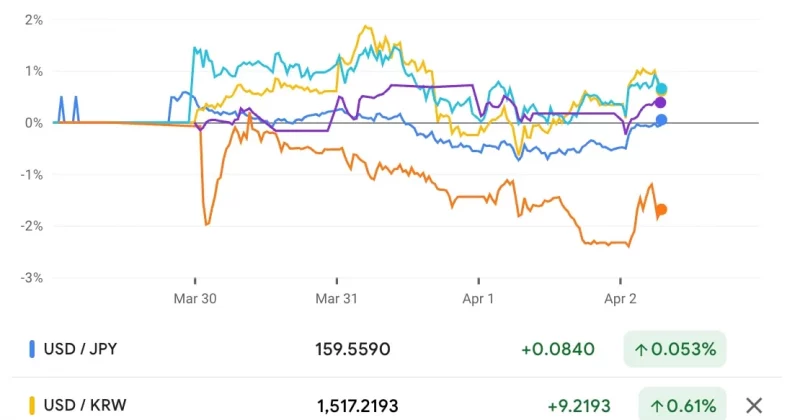
Several major Asian currencies, including the Indian rupee, Indonesian rupiah, Thai baht, and Philippine peso, have slid to multi-year lows against the dollar. The catalyst is a one-two punch of rising crude prices and climbing US Treasury yields, both of which are pulling capital back toward dollar-denominated assets and away from emerging markets.
Oil is the accelerant
Brent crude has pushed above $100 per barrel, driven in part by escalating US-Iran tensions. For net oil-importing economies across Asia, that price level is more than an inconvenience. It’s a direct hit to trade balances, inflation forecasts, and central bank planning.
The rupiah has been one of the more dramatic casualties. Indonesia’s currency weakened past the IDR 17,600 per USD mark, touching an intraday low of 17,612. A weaker rupiah makes imported goods more expensive, feeding directly into consumer price inflation in Southeast Asia’s largest economy.
Bank Indonesia has responded by intervening in both spot and derivative foreign exchange markets to stabilize the currency.