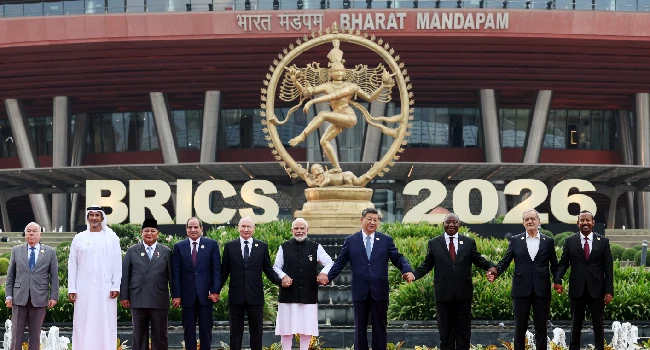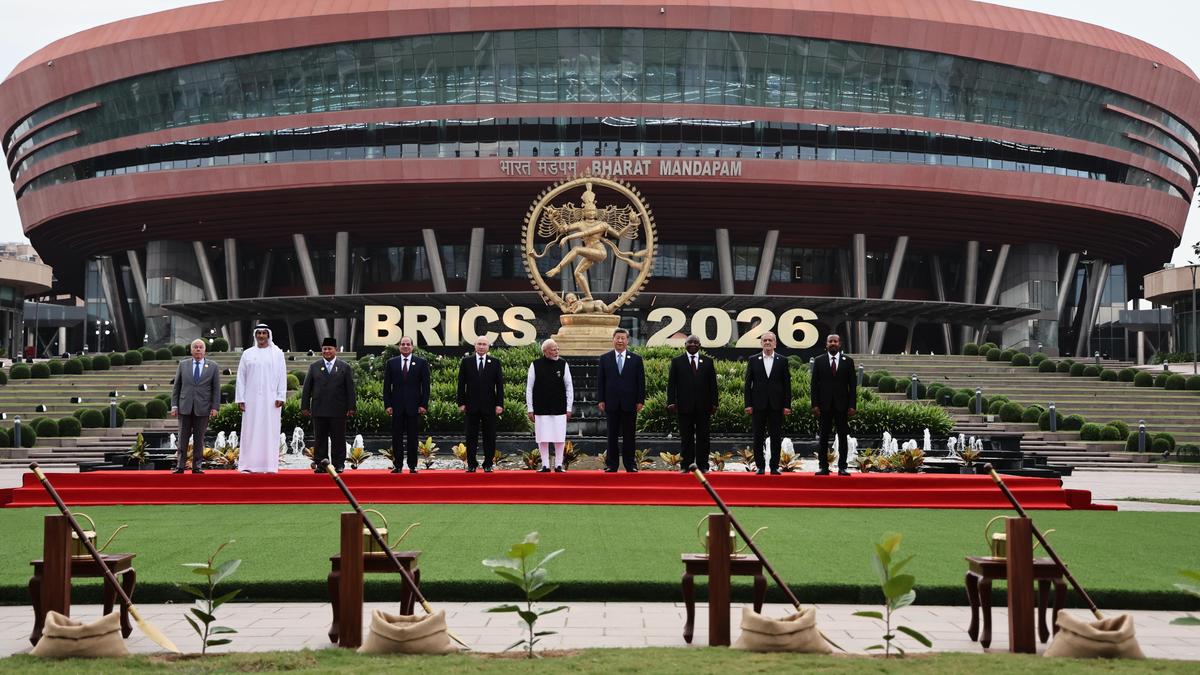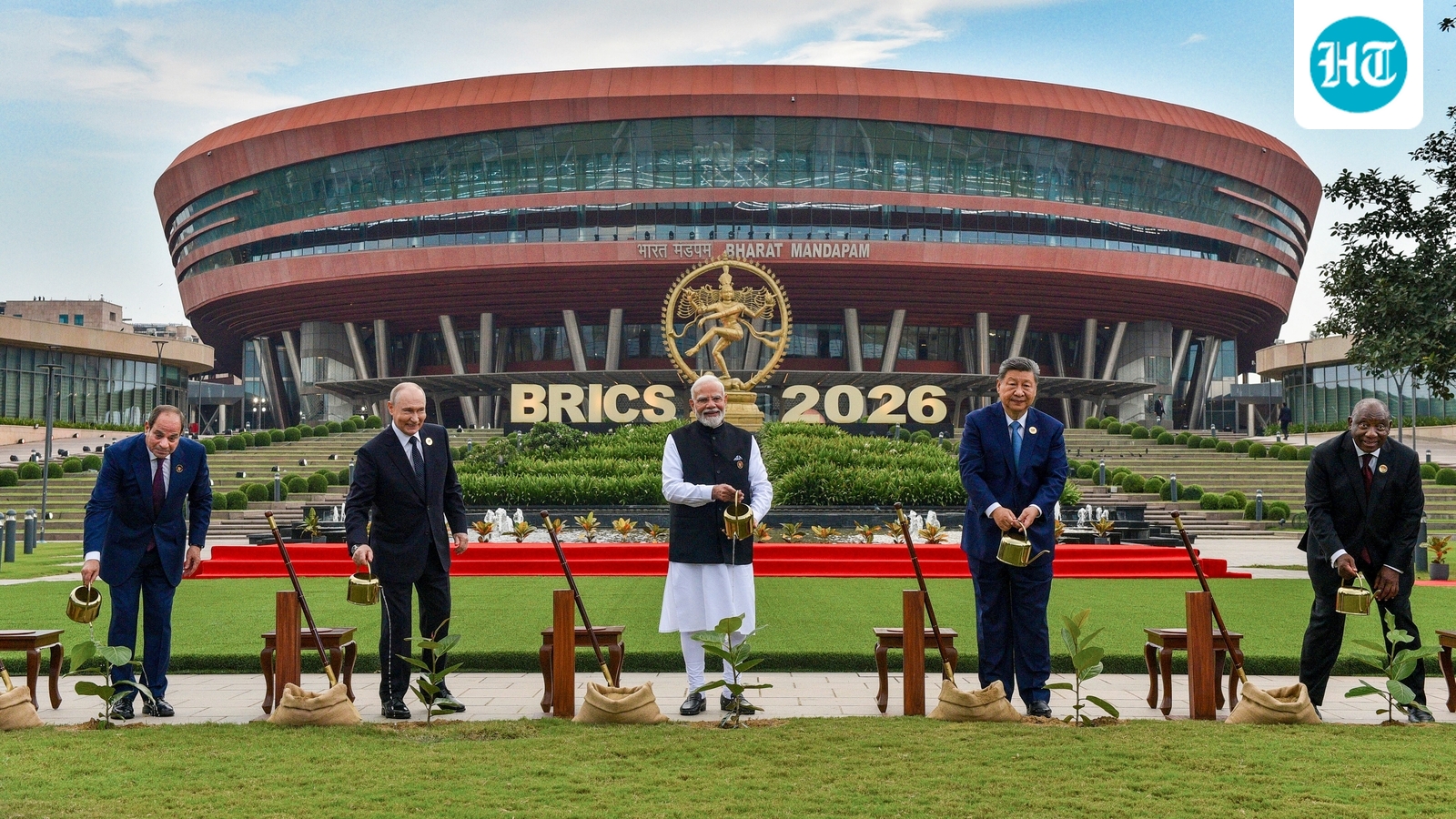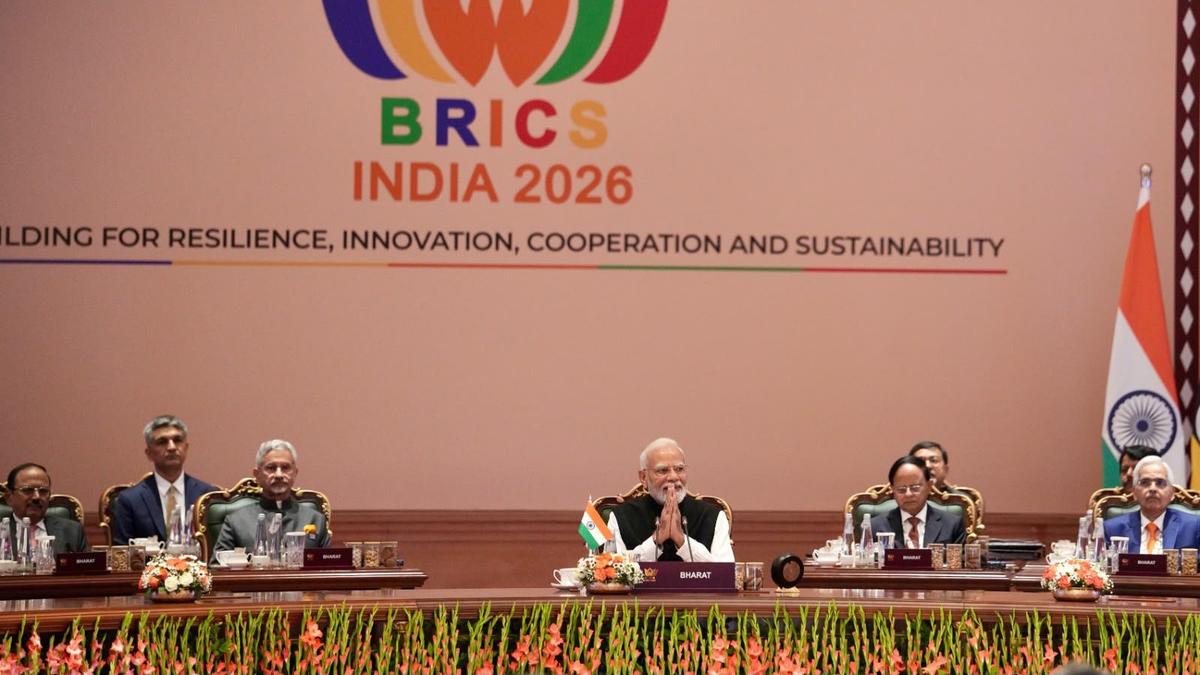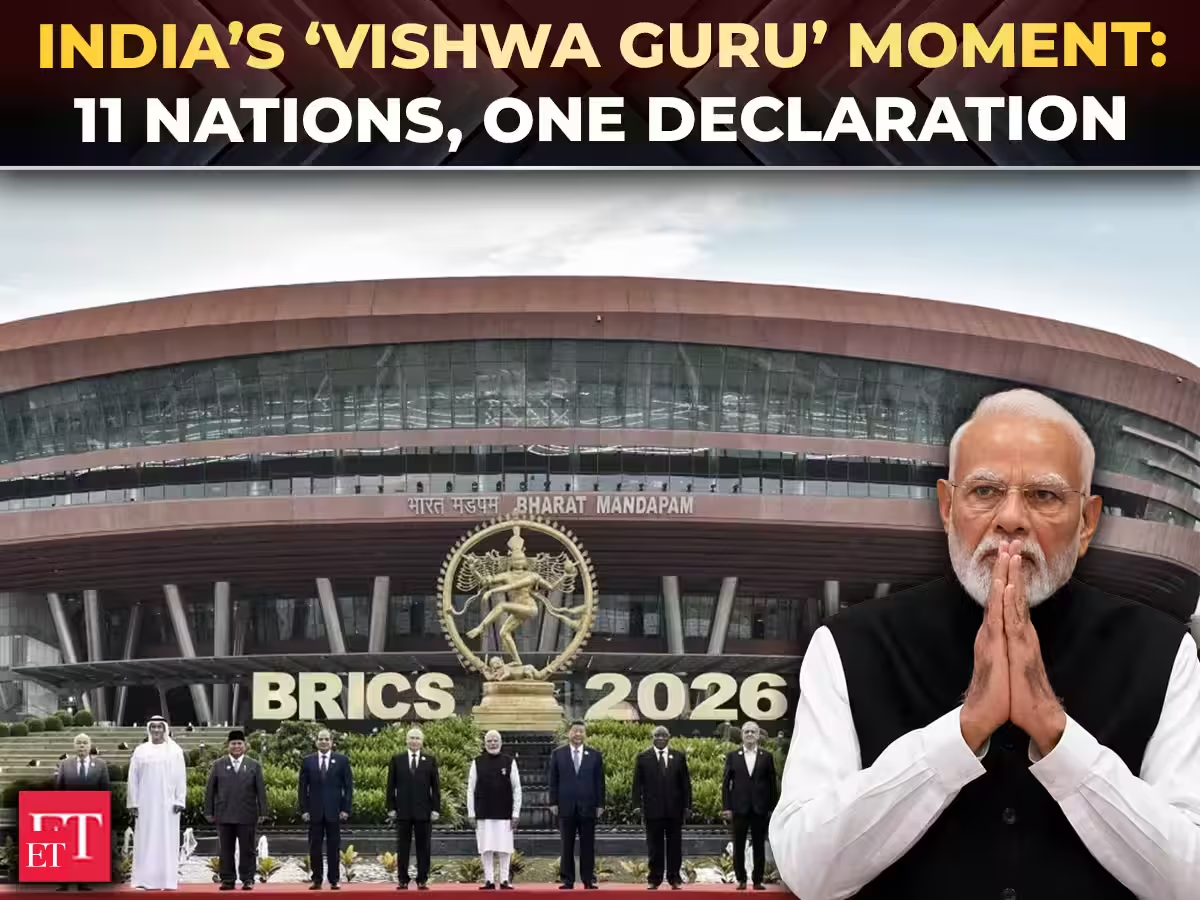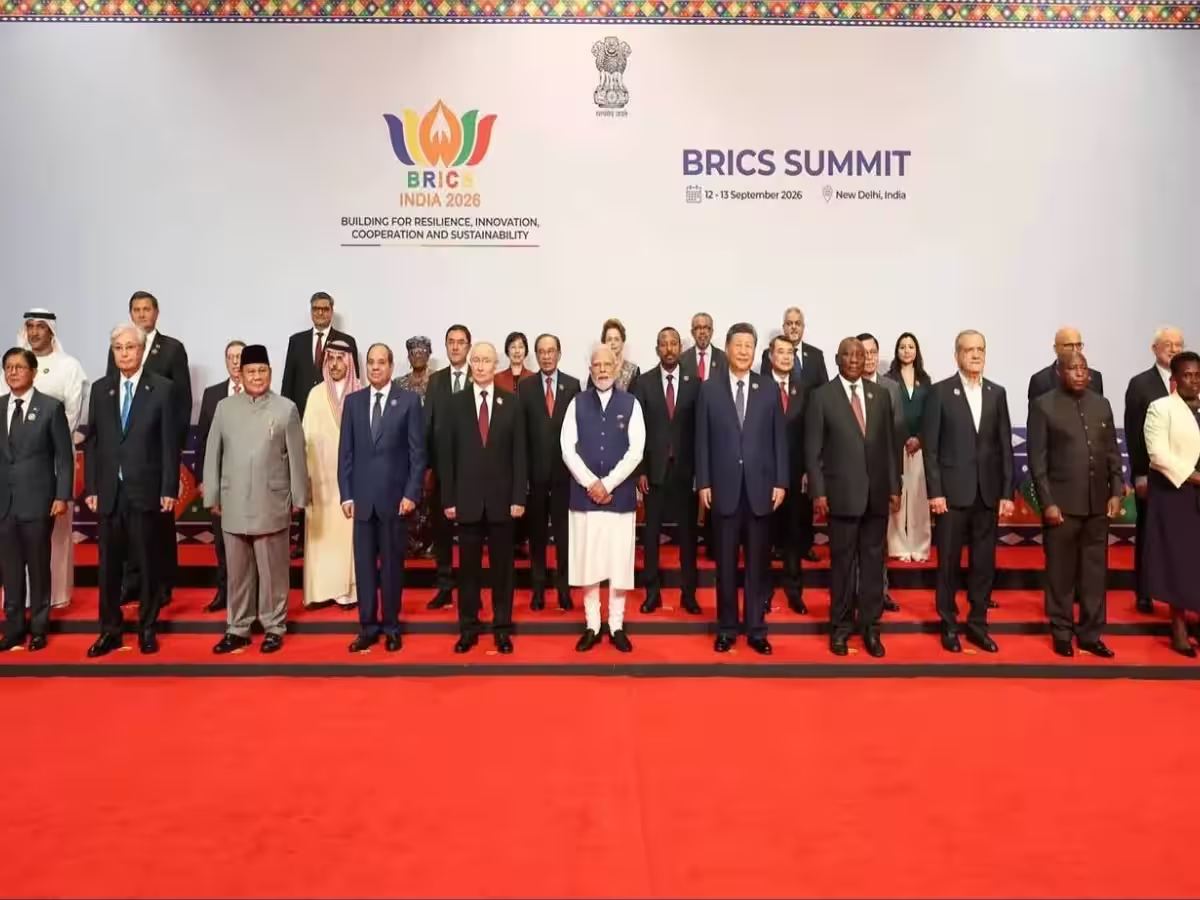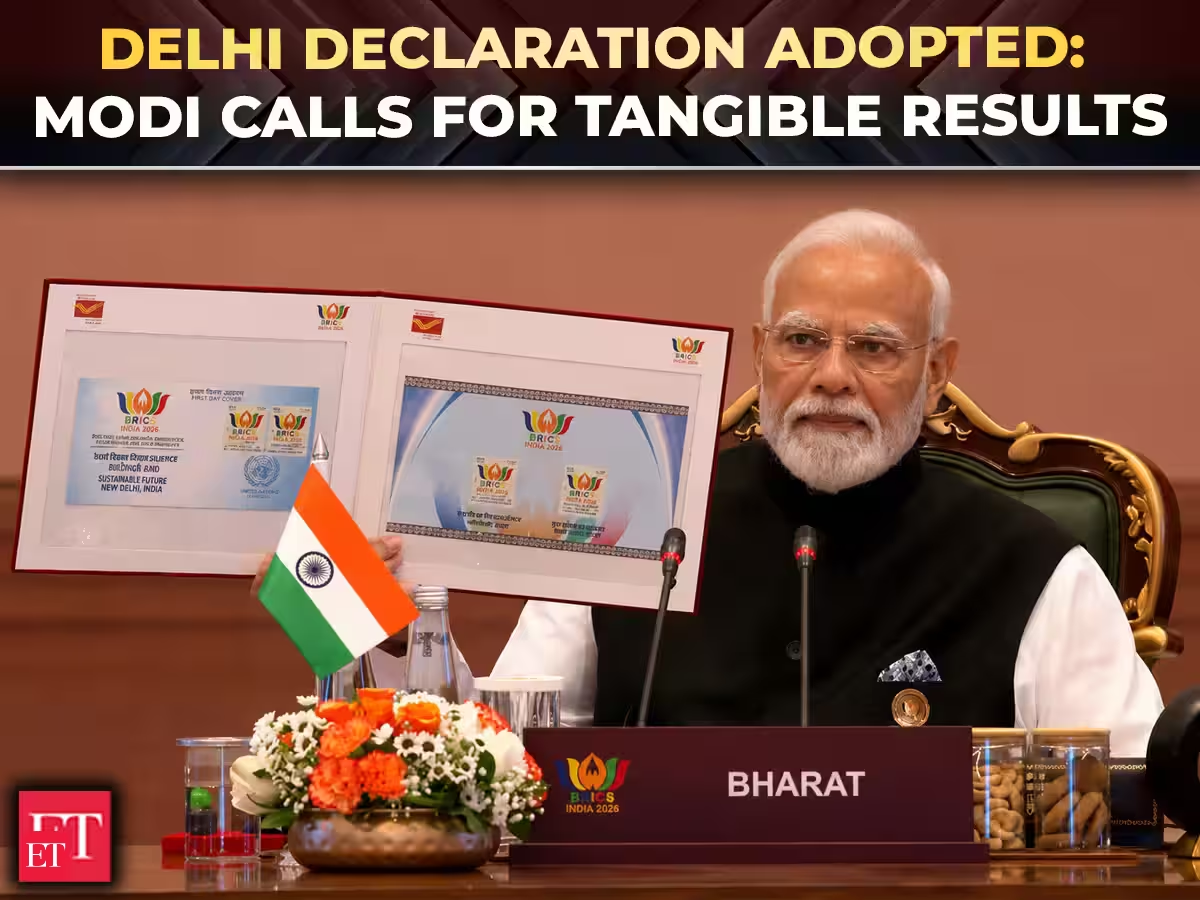
SynopsisThe New Delhi Declaration signifies a transformative shift in global dynamics, asserting a multipolar world that transcends Western dominance. BRICS stands against unilateral sanctions, branding them as coercive actions that undermine legitimacy. This unified stance underscores the importance of sovereignty and dialogue while highlighting a move towards strategic autonomy. India's advocacy for UNSC reform further supports this newly conceived worldview, as BRICS actively engages with the shifting global landscape.The New Delhi Declaration, adopted by BRICS after bridging Gulf divisions, is a manifesto for a world no longer scripted in Washington. Yes, there's no mention of Russia's war in Ukraine. Instead, it speaks generally of 'ongoing conflicts' and 'polarisation,' and plants a red pin on West Asia, Palestine especially highlighted no longer just 'in spirit'. This omission and admission aren't accidental. It's the 'global south's' way of signalling that it also can cherry-pick its moral crusades. By opposing unilateral sanctions - those that bite hardest at Russia and Iran but makes countries like India collateral - BRICS has cast doubt on the legitimacy of the West's favourite weapon. Sold as the hallmark of 'rules-based order,' sanctions are now reframed as what they really are: coercion. In effect, BRICS has declared that 'rules-based order' isn't confined to a US-led western wallpaper design.India's diplomats called this 'engagement at various levels'. In truth, it's strategic autonomy in practice: consensus without capitulation, response to a growing vacuum. Each member retains its position, yet the collective voice is one of sovereignty and dialogue. Narendra Modi's call for UNSC reform and financial institutions that reflect 'current economic realities' dovetails neatly with this posture. The 'global south' is tired of being in the front row of crises, but the back row of decision-making.This is the architecture of a post-US worldview. Not anti-West, but post-West. As Sun Tzu observed, 'The supreme art of war is to subdue the enemy without fighting.' By refusing to fight the US' rhetorical battles by discounting them, BRICS has subdued the narrative itself. Critics may call this denial a refusal to confront. Yet, exclusion itself is power. By having India and China, Iran, Saudi Arabia and the UAE in one tent, BRICS has shown a world order outside the creaking post-1945/1947 framing. The West may still have the tech, weaponry and economic heft. But BRICS has found the words to register and act upon the West's wobble. ...moreElevate your knowledge and leadership skills at a cost cheaper than your daily tea.Subscribe Now
New Delhi scripts a post-US worldview - The Economic Times
The New Delhi Declaration signifies a transformative shift in global dynamics, asserting a multipolar world that transcends Western dominance. BRICS stands against unilateral sanctions, branding them as coercive actions that undermine legitimacy. This unified stance underscores the importance of sovereignty and dialogue while highlighting a move towards strategic autonomy. India's advocacy for UNSC reform further supports this newly conceived worldview, as BRICS actively engages with the shifting global landscape.
408 words~2 min read