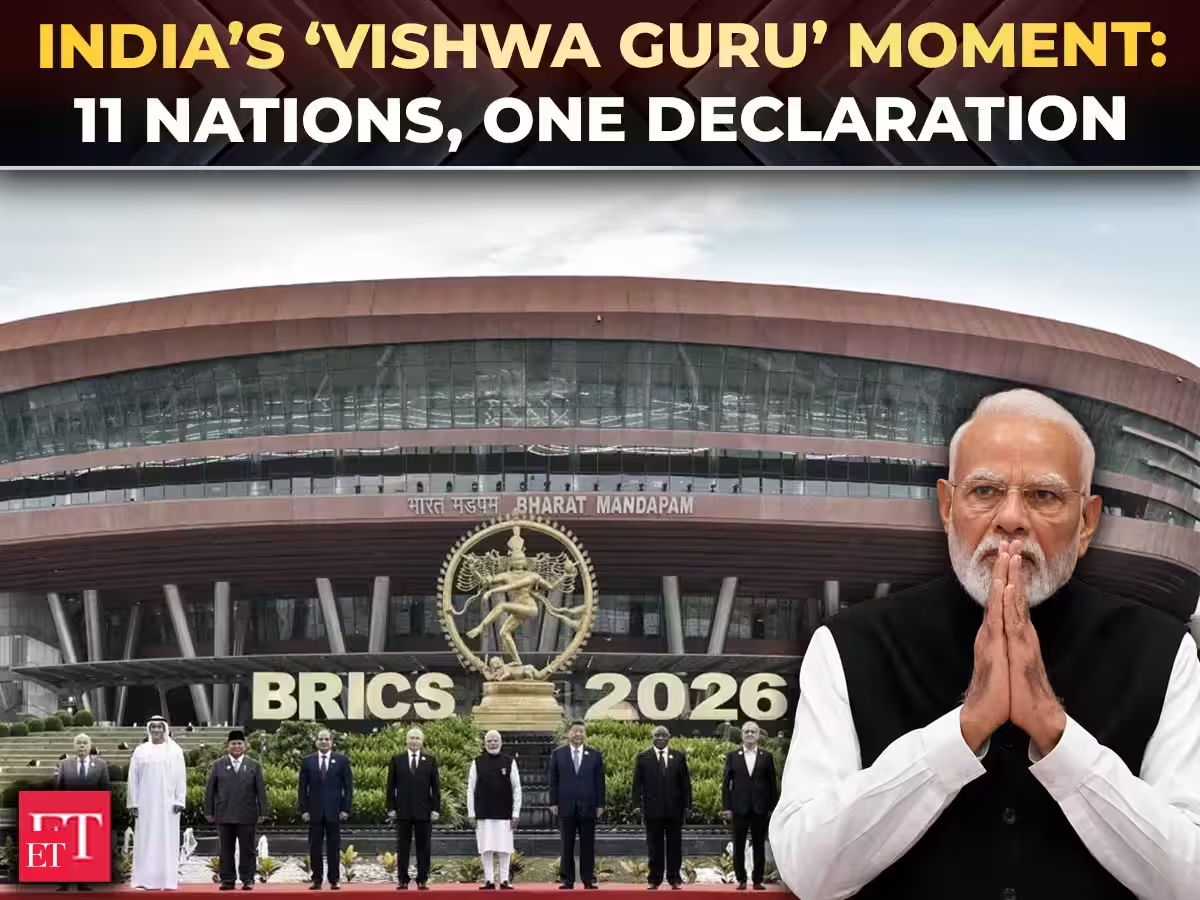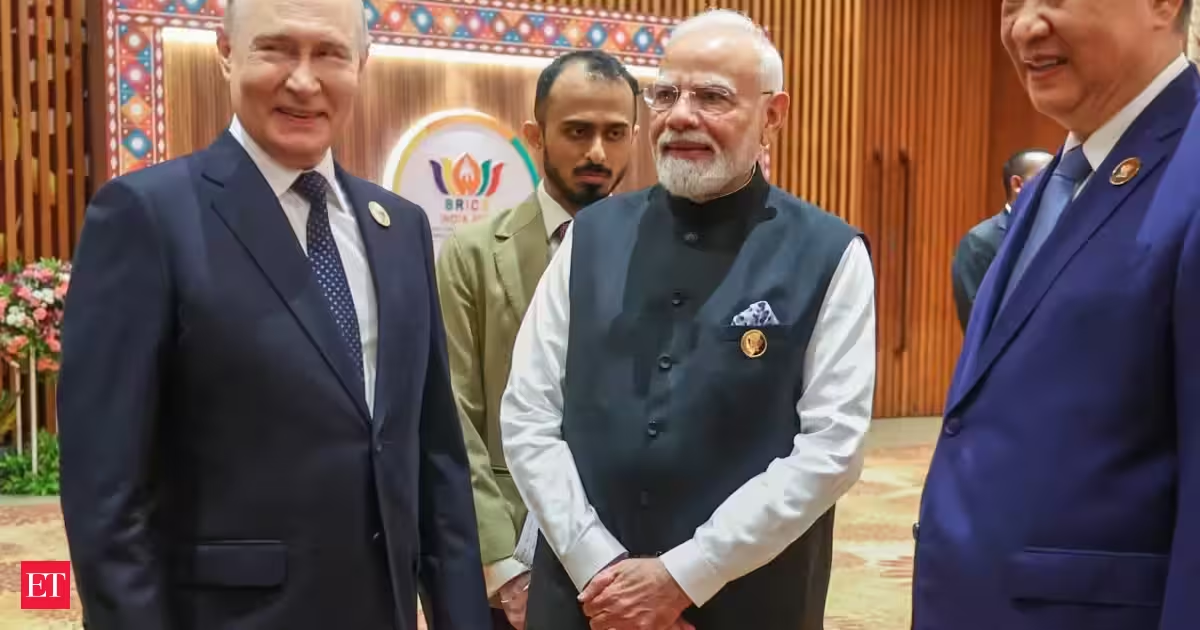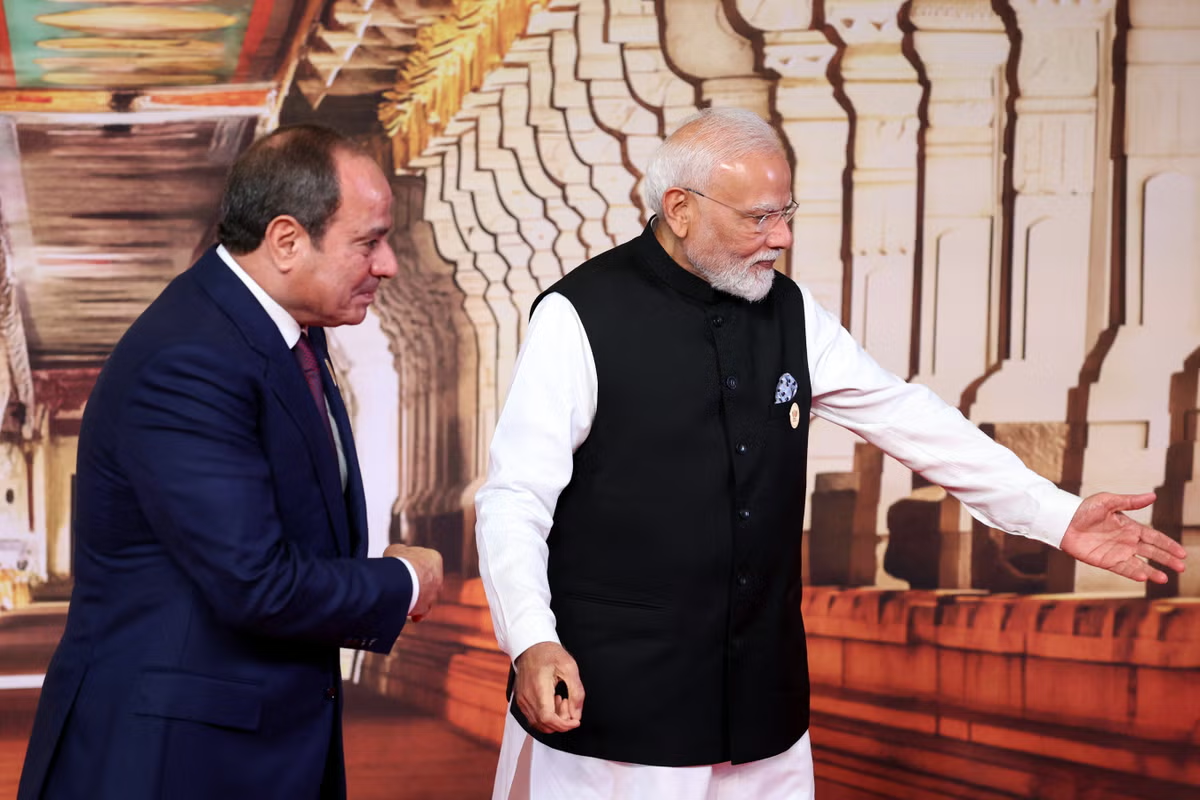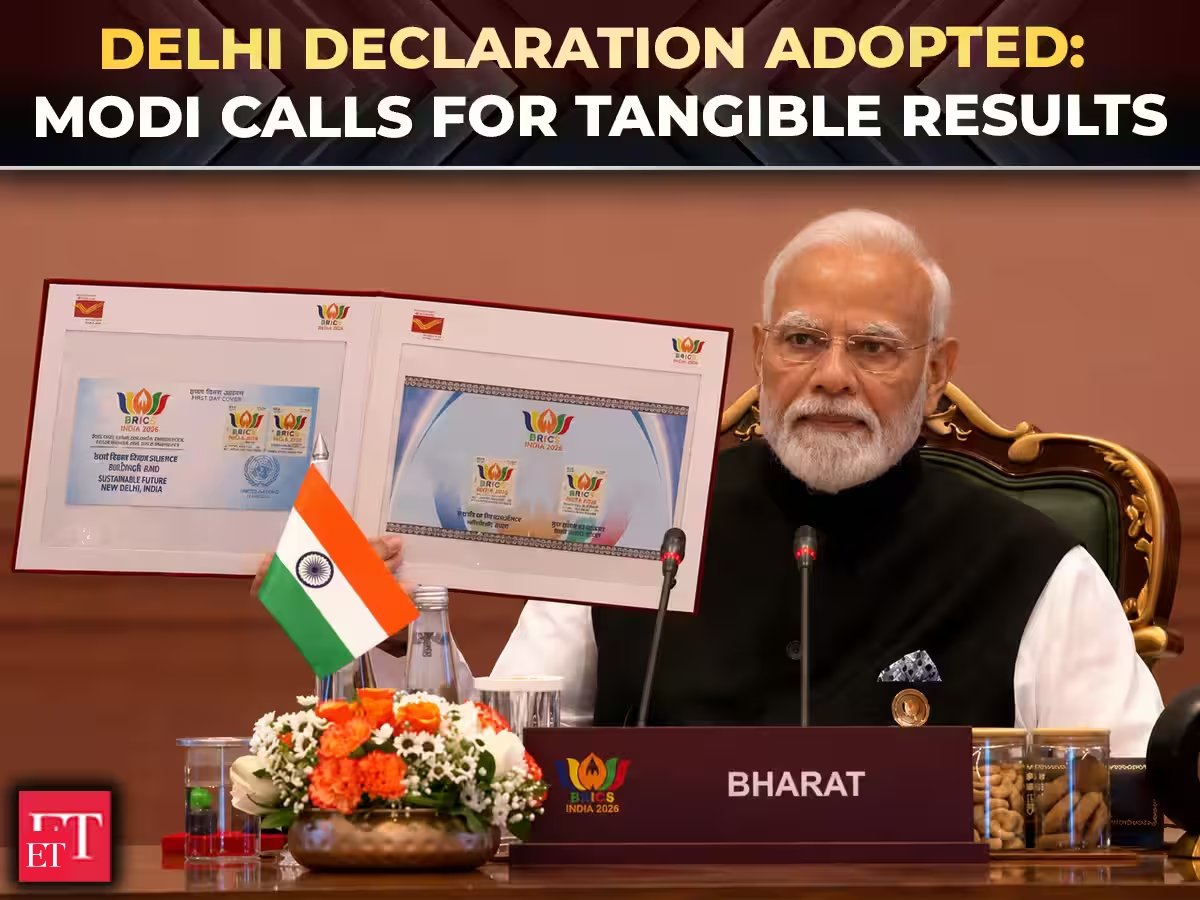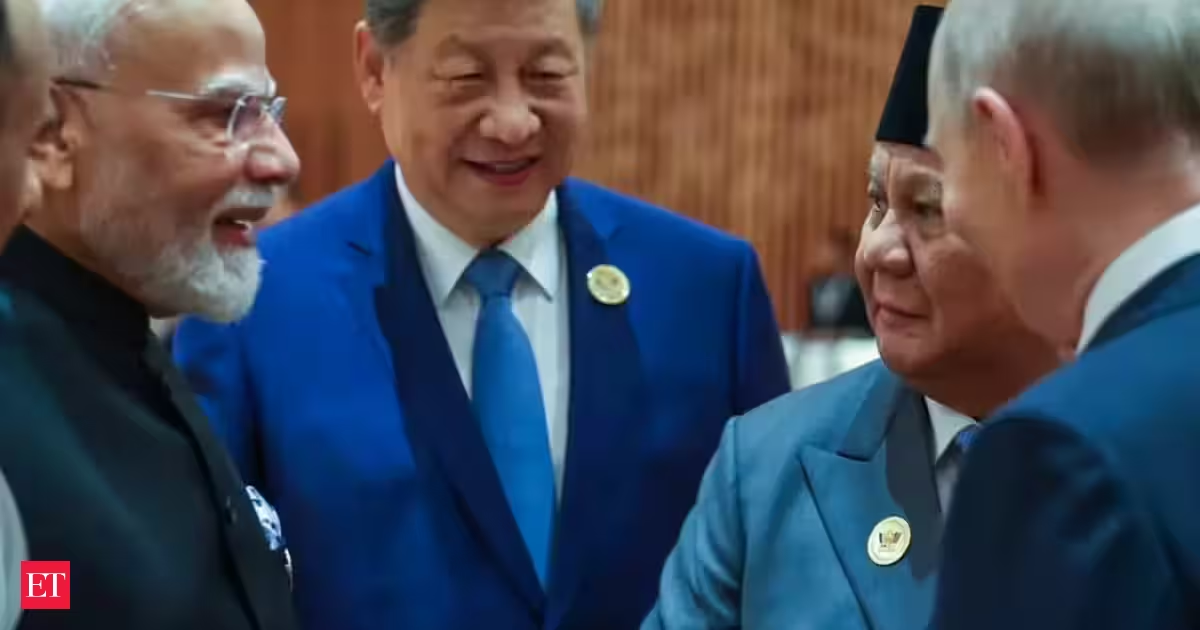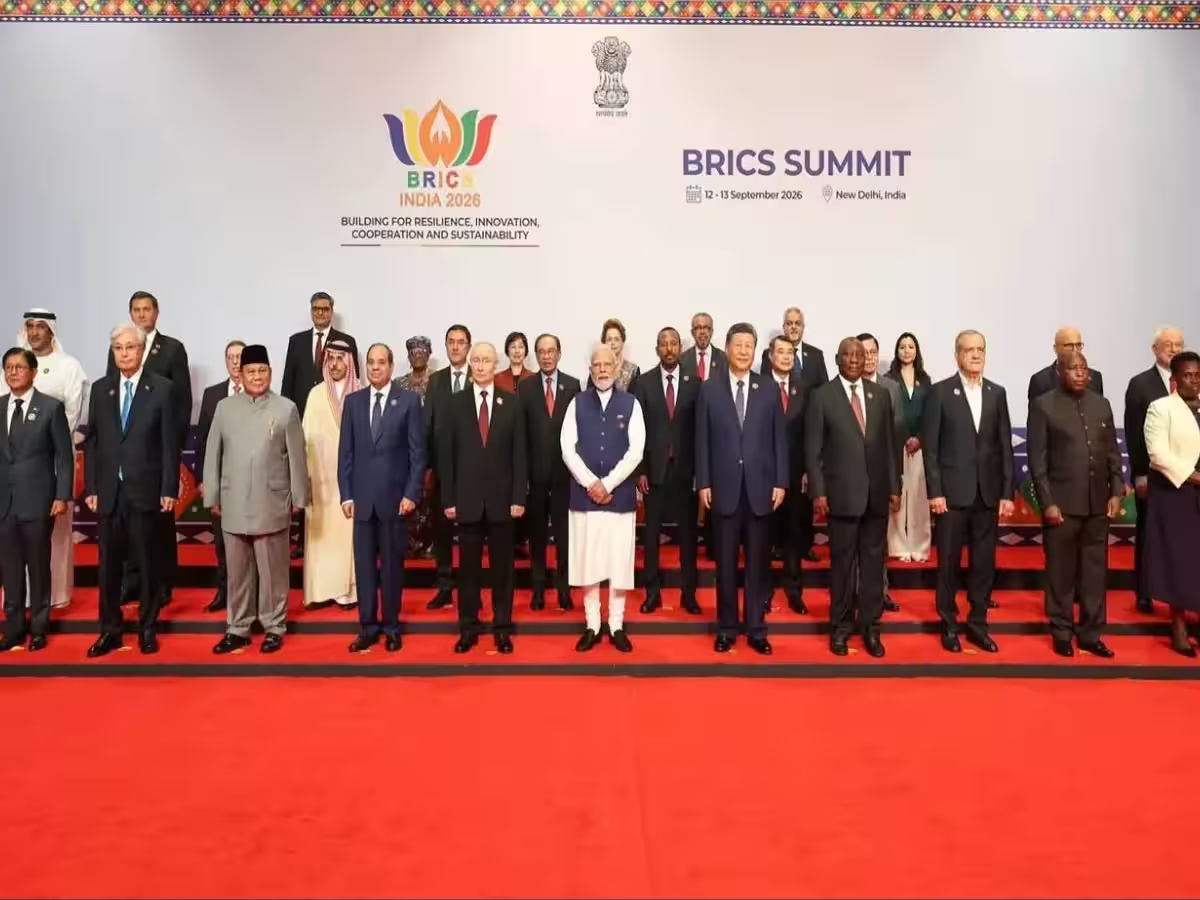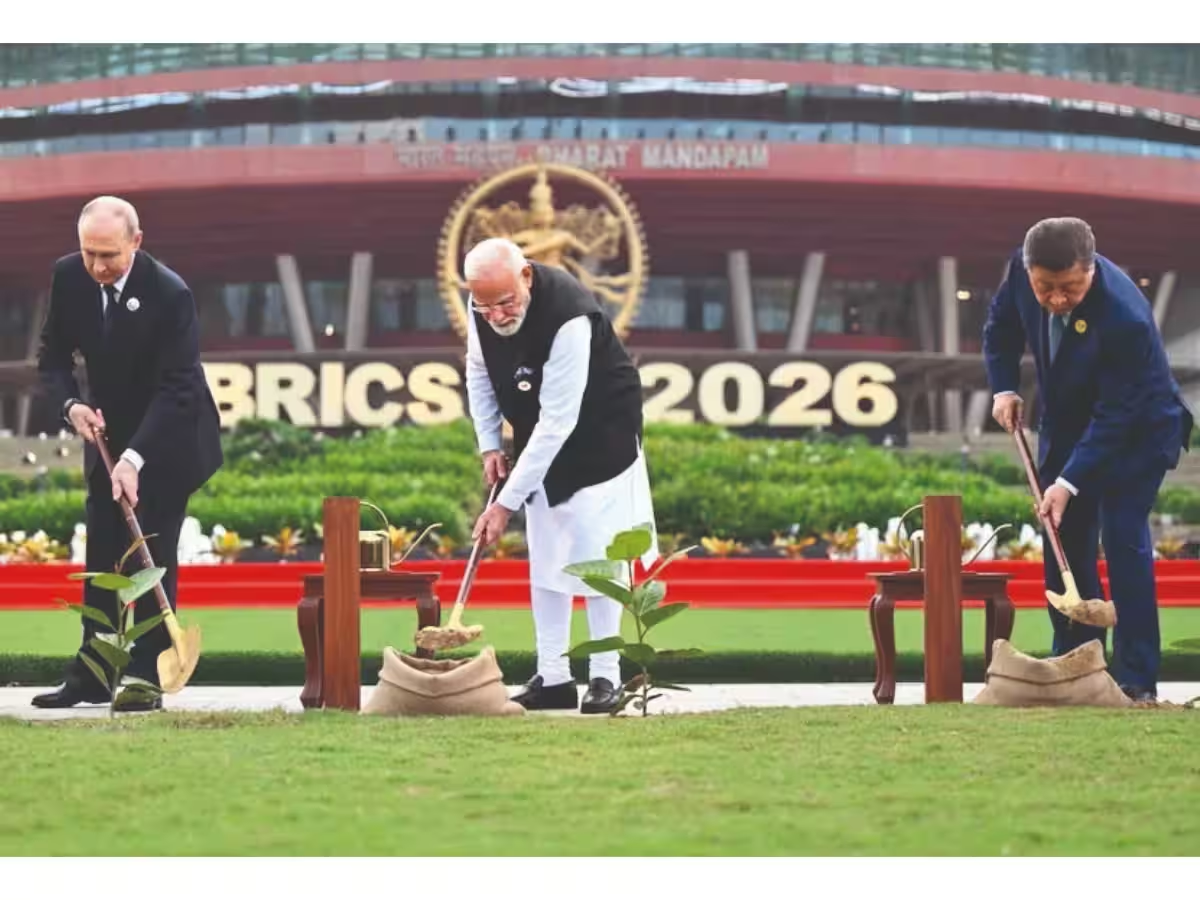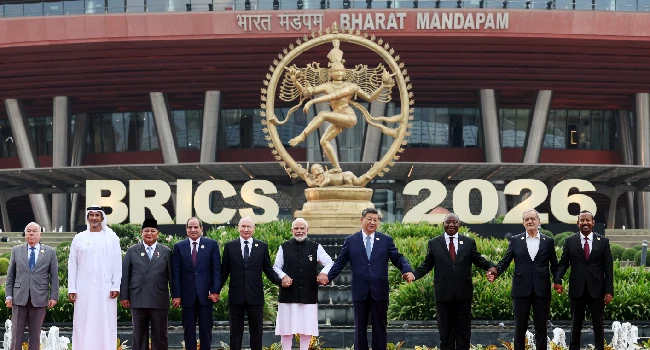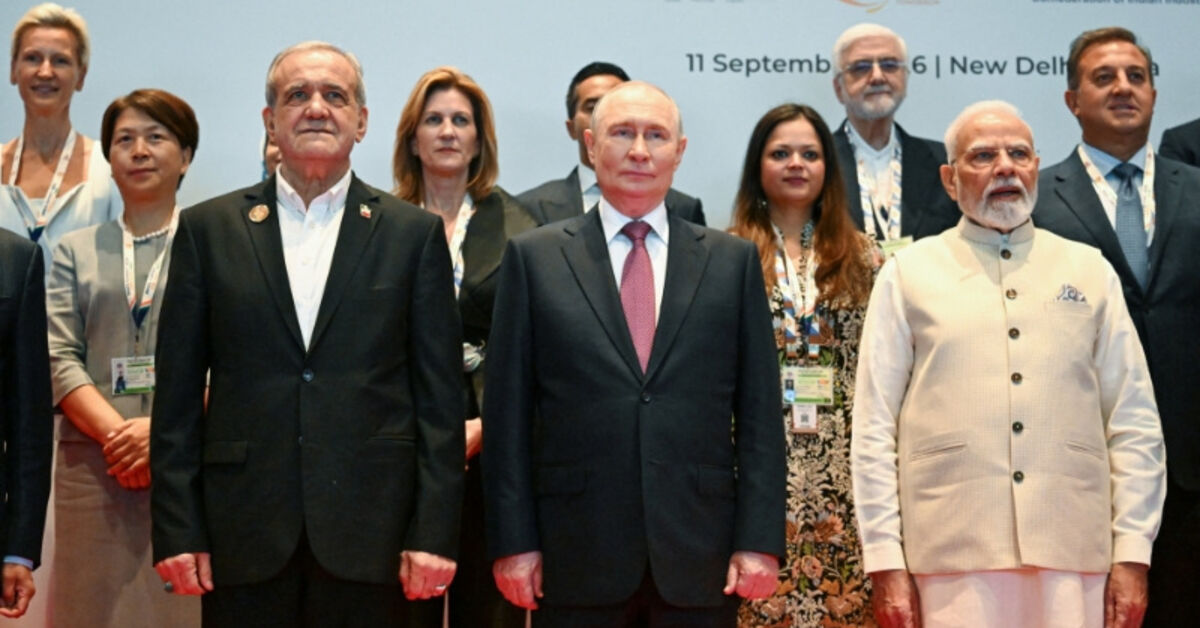
Reaffirming the importance of reformed multilateralism in a world riven with unilateral actions by superpowers emerged as a binding theme of the 18th BRICS Summit and the New Delhi Declaration. The Summit’s success could be measured by three main parameters — the participation of members at the highest levels, the importance given to intra-BRICS trade cooperation mechanisms and the consensus achieved by Indian negotiators in forging a joint statement in a time of war. The government should be commended for ensuring that Iran and the UAE, two rivals in the West Asian conflict, used the occasion for their highest-level bilateral meeting since the war began. The New Delhi Declaration, which was issued despite scepticism about all the differences within the grouping, presented the BRICS as a formidable front in its 20th year. Among the BRICS members, the position of Saudi Arabia, which has yet to formally join the group, remains ambiguous, as Foreign Minister Faisal bin Farhan Al Saud arrived after the main session where the joint statement was adopted on Saturday. For the other members, however, the consensus was clear on issues of global importance. The declaration made a call for the reform of the Security Council and support for a greater role for Brazil and India while recommending new initiatives for global governance. It condemned western sanctions and tariffs and resolved to improve intra-BRICS trade and transact more in local currencies. It also condemned unilateral wars, without criticising any member. While the statement omitted references to the U.S.-Israel attacks on Iran, the assassination of Iran’s Supreme Leader Ali Khamenei, and of Iran’s retaliatory attacks on its neighbours, especially the UAE, it is understood that this was due to a last-moment compromise effected between the two countries so as to forge the agreed text. It also took an exceptionally strong position on Israel’s actions in Palestine and Lebanon.India’s fourth BRICS chairship has given ballast to its reputation as a Global South balancer with easy access to both sides of a divided world, while delivering bilateral benefits. Prime Minister Narendra Modi’s close attention to Iran’s President Masoud Pezeshkian would have gone some way in assuaging hurt feelings, when New Delhi appeared to be tilting towards the U.S. and Israel in the war. Mr. Modi’s meeting with Chinese President Xi Jinping also afforded the two countries a chance to reaffirm their political will to normalise ties. And his meeting with important leaders from the ASEAN grouping and African nations paid much-needed attention to India’s ties with them. This BRICS Summit will be remembered for a moment of solidarity among countries that have many differences but are together in desiring a shift in traditional power equations to one more driven by their emerging economies. Published - September 14, 2026 12:20 am IST
Building consensus: on the 18th BRICS Summit, the New Delhi Declaration
The 18th BRICS Summit will be remembered for a moment of solidarity among countries that have many differences but are together in desiring a shift in traditional power equations
460 words~2 min read