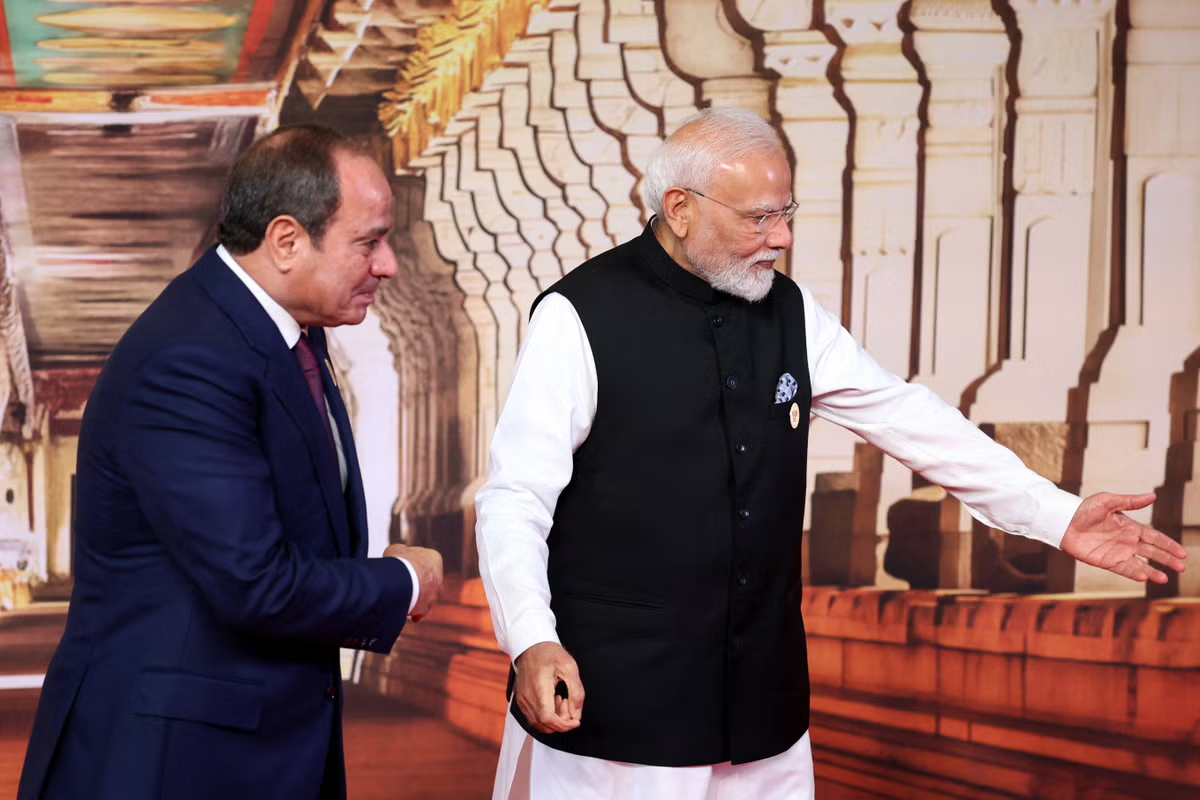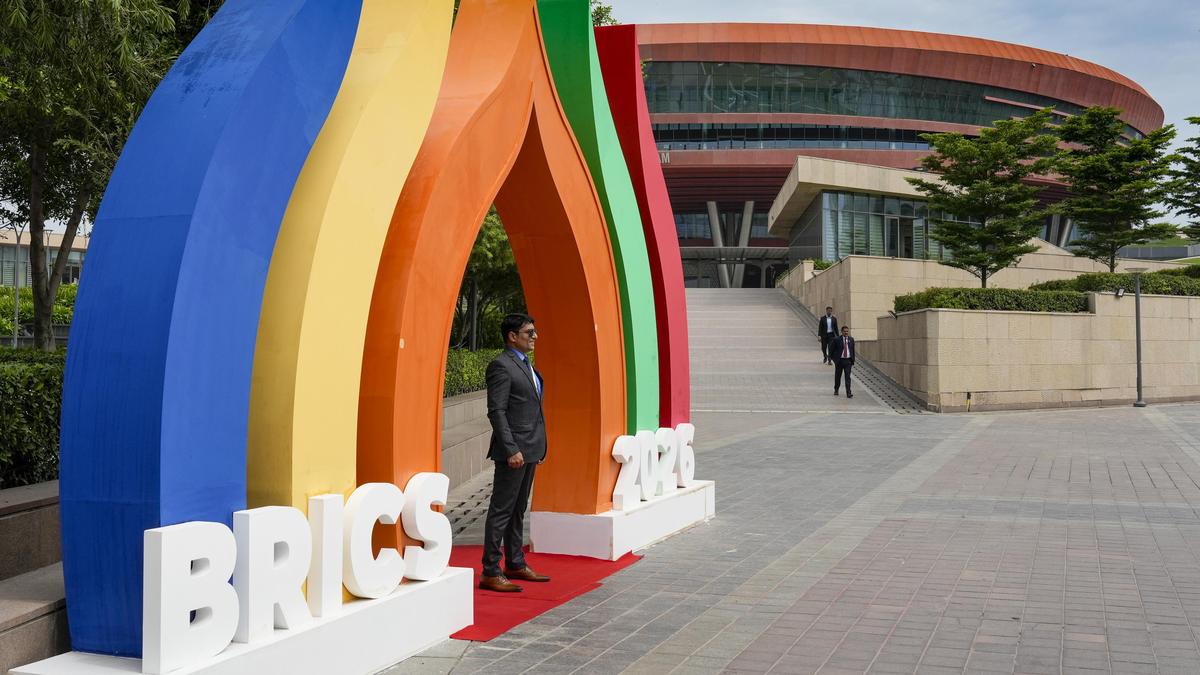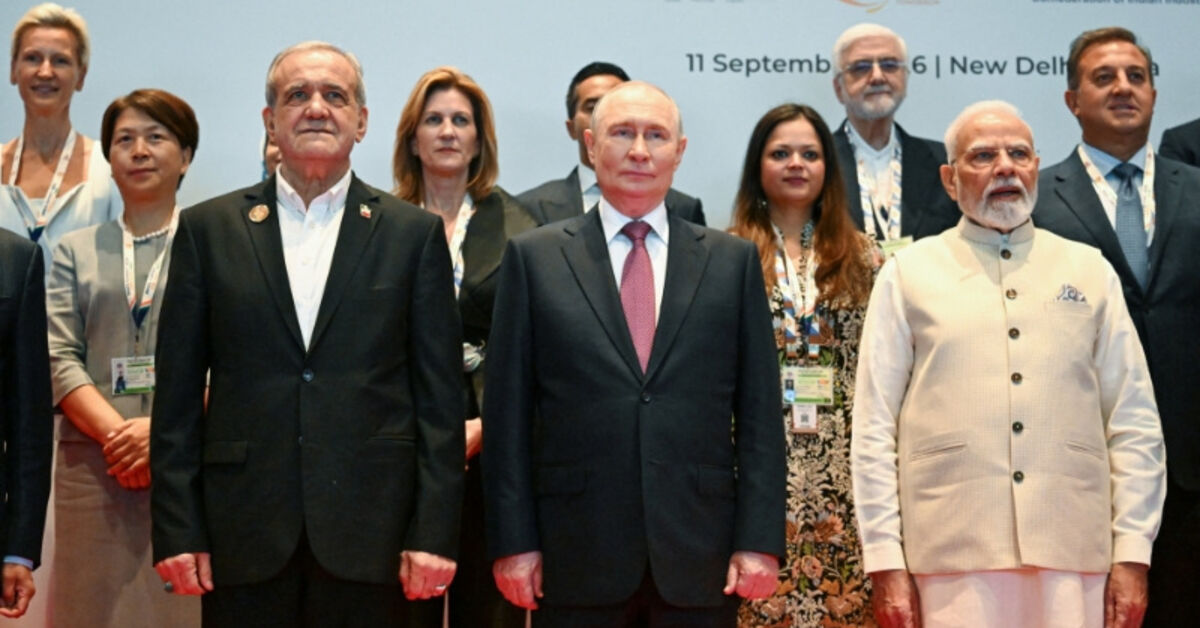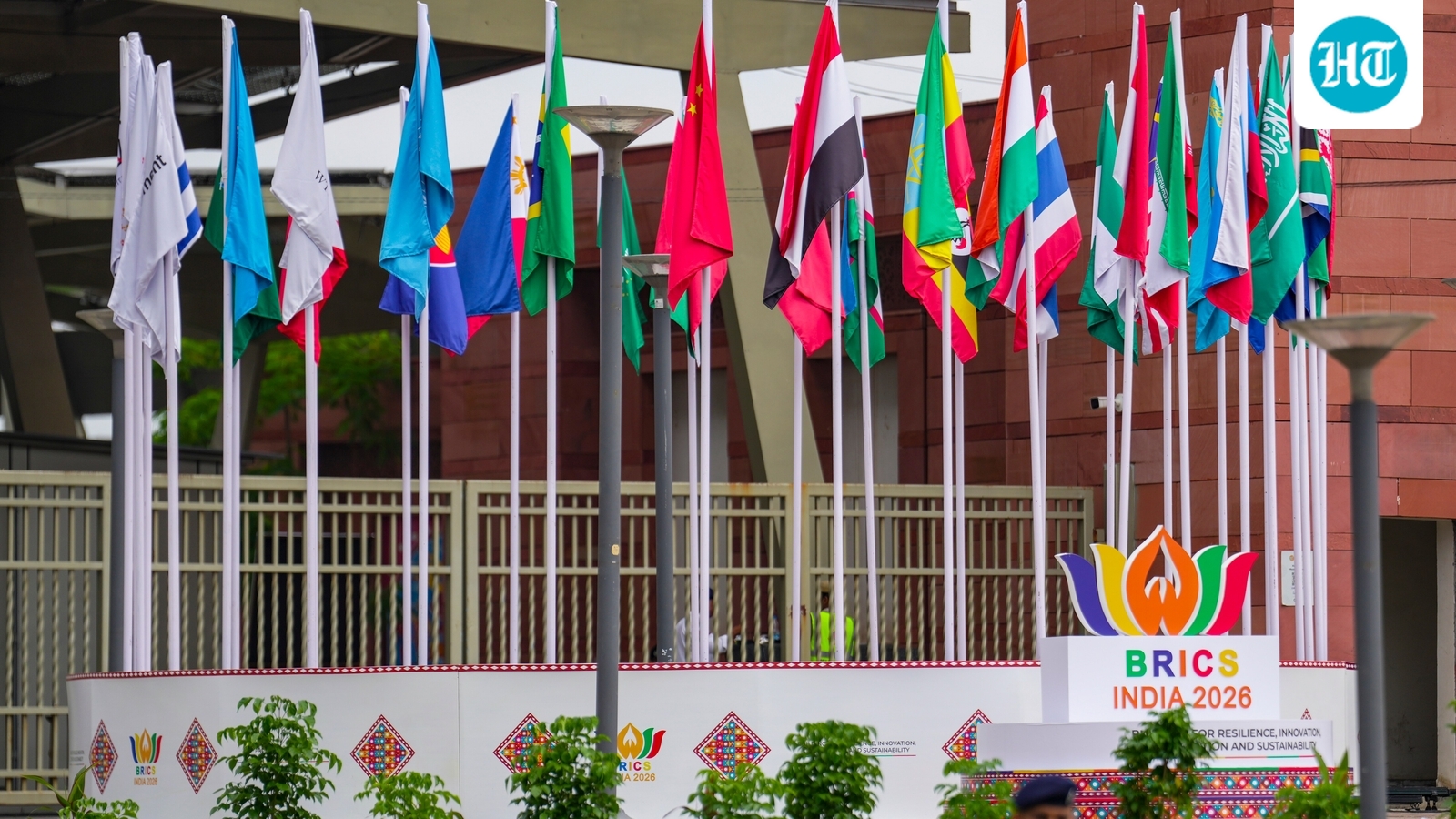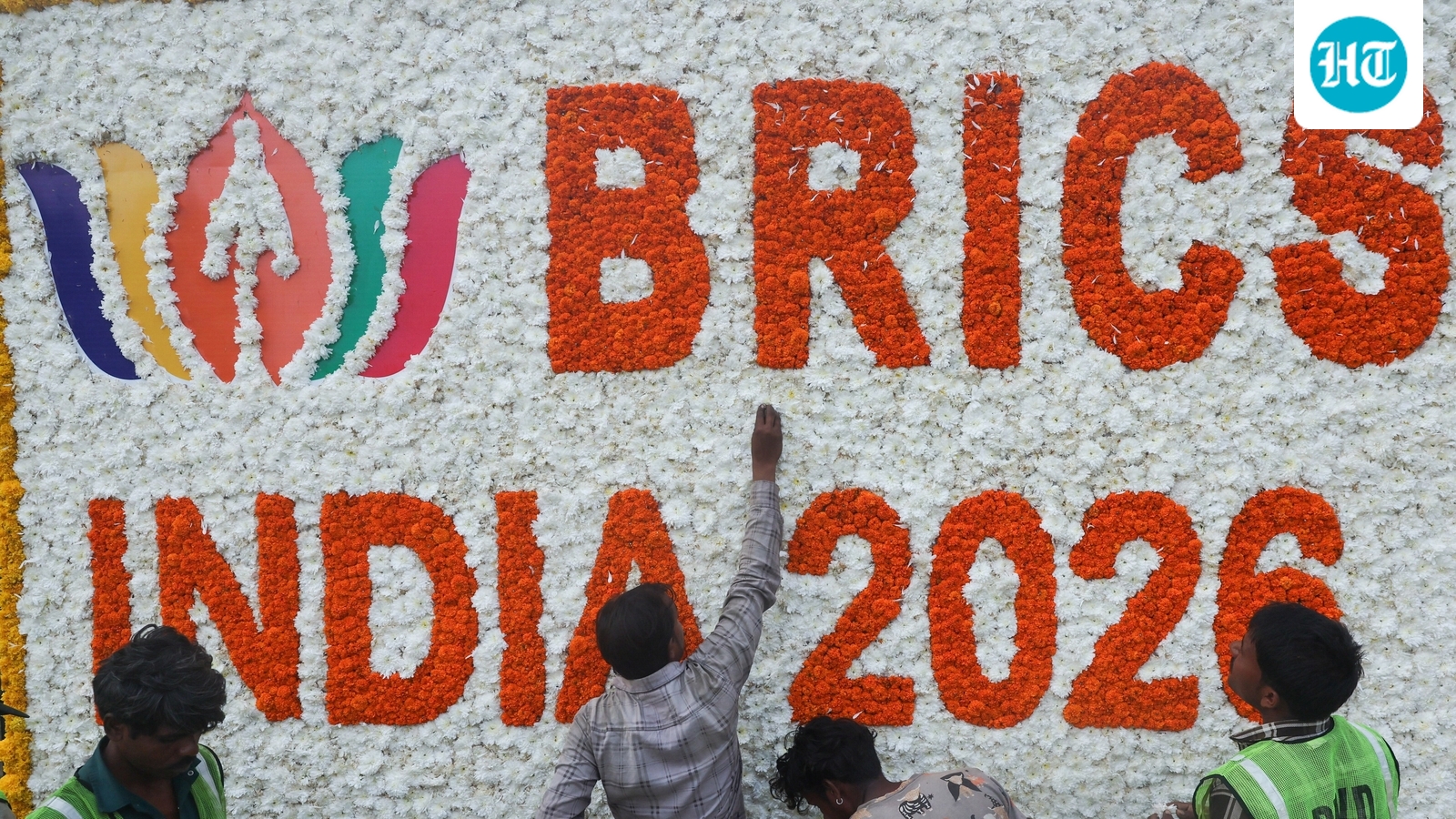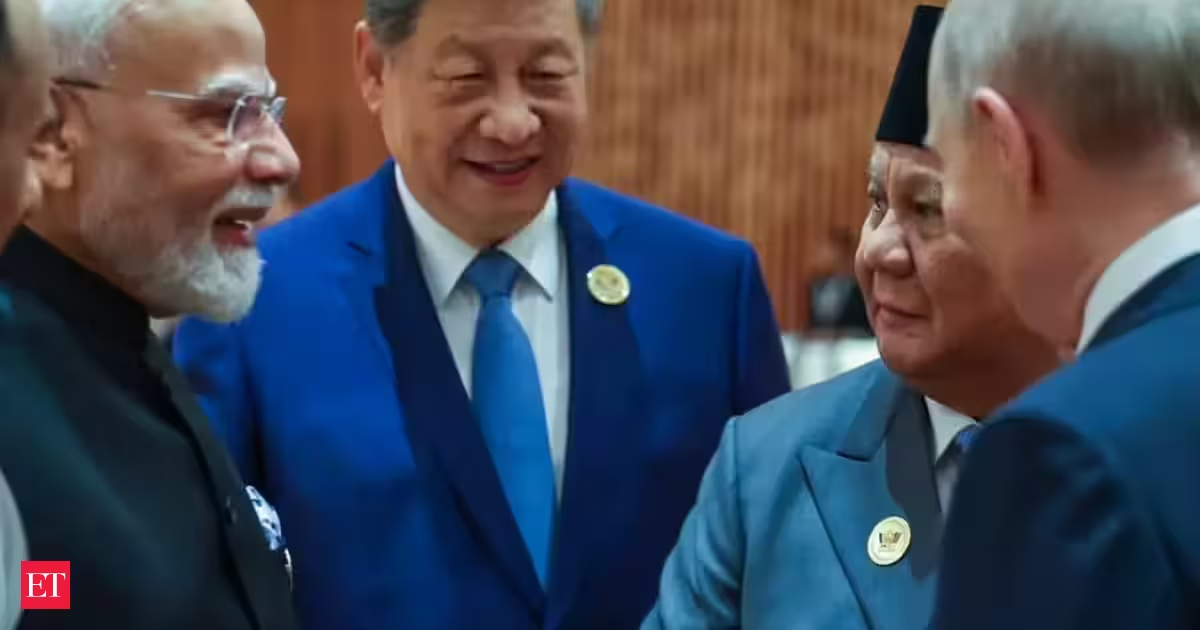
The BRICS group of emerging economies on Saturday adopted its New Delhi Declaration, voicing serious concern over the rise of 'unilateral' tariffs and non-tariff measures that distort trade and are inconsistent with World Trade Organization rules, as the expanded bloc sought to project unity on trade, geopolitics and global governance.The declaration was adopted unanimously at the BRICS Summit in New Delhi after India led sustained consultations to bridge differences among members, including over the Middle East conflict.Also Read: BRICS at 20 enters coming-of-age phase, PM Modi calls for ambitious agenda for next two decadesThe bloc also condemned the imposition of unilateral coercive measures that are contrary to international law and encouraged continued discussions to find practical solutions for cross-border payments among BRICS countries.Prime Minister Narendra Modi formally proposed the adoption of the declaration at the summit.Follow our live coverage of the BRICS Summit here“The draft of the BRICS New Delhi Declaration 2026 is before us. It encapsulates the essence of our discussions and reflects our perspectives on key global and regional issues. It also outlines priorities for further strengthening BRICS cooperation. If no member has any objection, I propose that we adopt the declaration. No objections have been raised by any member. The New Delhi Declaration 2026 is adopted unanimously,” Modi said.The consensus marks a significant diplomatic breakthrough for the grouping, after BRICS foreign ministers meeting in New Delhi in May failed to issue a joint statement because of differences between Iran and the United Arab Emirates.The declaration comes as the United States and Iran have resumed tit-for-tat strikes in their six-month-old war, following a pause in fighting through much of August. Iran-aligned Houthi rebels in Yemen have also tightened their grip in the Red Sea region.Against this backdrop, the BRICS declaration expresses concern over the growing risks of nuclear danger and conflict, while stressing that nuclear safeguards, safety and security must always be upheld, including during armed conflicts.The negotiations involved differences over several contentious issues, but India led sustained consultations to build consensus among members, an Indian source with direct knowledge of the development said. The source described securing agreement against the backdrop of ongoing conflicts and heightened tensions in the Gulf region as a particularly complex diplomatic challenge.Tariffs, trade and cross-border paymentsThe BRICS declaration puts trade at the centre of the grouping’s economic agenda, with members voicing serious concern over the rise of unilateral tariffs and non-tariff measures that distort trade and are inconsistent with WTO rules.The bloc also condemned unilateral coercive measures that are contrary to international law, a position that has been a recurring theme in BRICS discussions as members seek to reduce their vulnerability to external economic pressure.Also Read: BRICS Summit in New Delhi: The grand finale is India's moment to navigate a bigger, and more divided blocThe declaration encouraged the continuation of discussions aimed at facilitating practical solutions for cross-border payments among BRICS countries, reflecting the bloc’s broader push to deepen trade and financial cooperation.Host India has been pushing BRICS members to strengthen trade cooperation, reduce barriers and expand business opportunities, while also seeking to position the grouping as a stronger voice in shaping global economic rules. Modi’s push for a bigger Global South roleOpening the summit, Modi said BRICS had “come of age” and needed to translate its unity and consensus into concrete results on the global stage.“While strengthening BRICS, we must also determine the direction of global reform,” Modi said. “The Global South is today in the front row when it comes to global crises, but in the back row when it comes to decision-making. We have to transform this pyramid and privilege into a platform of partnership — where every country has a voice, every member has a stake.”Modi also reiterated India’s longstanding demand for reform of the United Nations Security Council, including permanent representation for India and other emerging powers.“The message of this BRICS Summit being held in India should be clear: If our future is shared, then the right to shape that future must also be shared,” Modi said.Putin, Xi and Pezeshkian attendRussian President Vladimir Putin, Chinese President Xi Jinping, Iranian President Masoud Pezeshkian, South African President Cyril Ramaphosa and Abu Dhabi Crown Prince Sheikh Khaled bin Mohamed bin Zayed Al Nahyan are among the leaders attending the summit.Xi said BRICS countries should firmly stand on the “right side of history” by steering the international order towards greater equity and justice.India, which maintains ties with the United States, Russia, Israel, Iran and the Gulf Arab states, is navigating competing geopolitical interests while using its BRICS chairship to push for greater economic cooperation and a stronger role for developing countries in global decision-making.The BRICS grouping comprises Brazil, Russia, India, China, South Africa, Egypt, Ethiopia, Indonesia, Iran and the United Arab Emirates. The bloc was established in 2009 and has sought a greater role for emerging economies in institutions including the World Bank, International Monetary Fund and WTO.
BRICS leaders adopt New Delhi declaration, voice concerns over 'unilateral' tariffs and non-tariff trade barriers
BRICS leaders adopted the New Delhi Declaration, expressing serious concern over rising unilateral tariffs. The bloc also condemned coercive measures contrary to international law. Discussions continue for practical cross-border payment solutions among member nations. Prime Minister Modi called for greater Global South representation in global decision-making. Leaders attended the summit, navigating geopolitical interests and economic cooperation.
817 words~4 min read