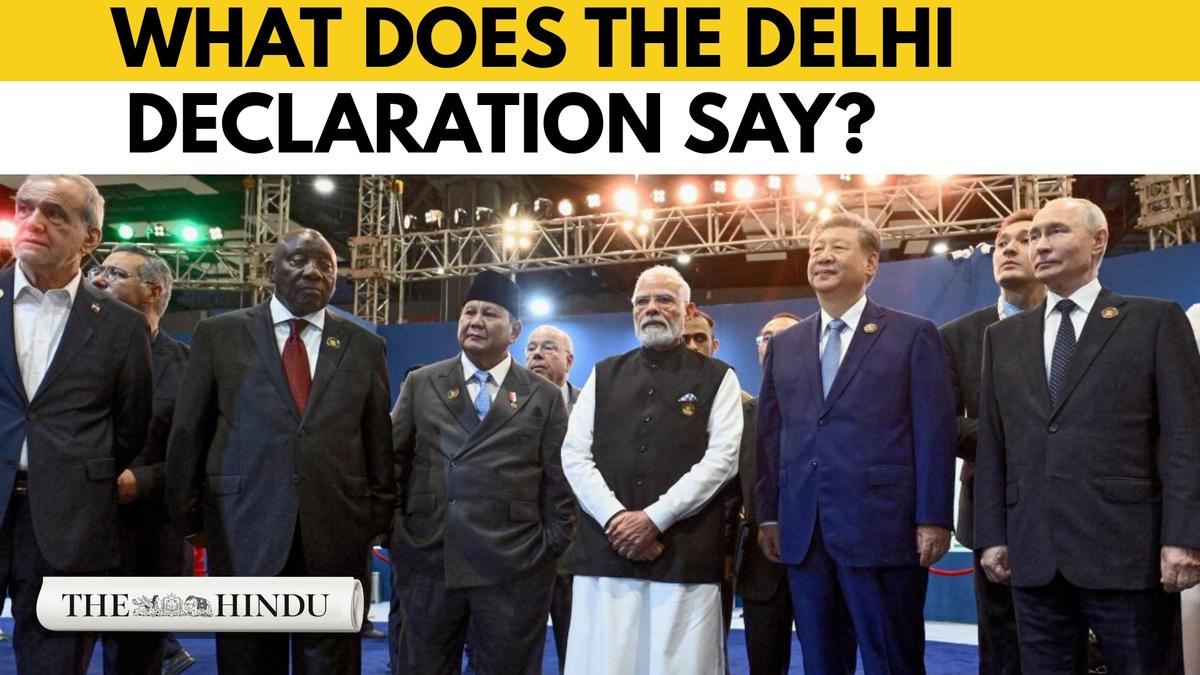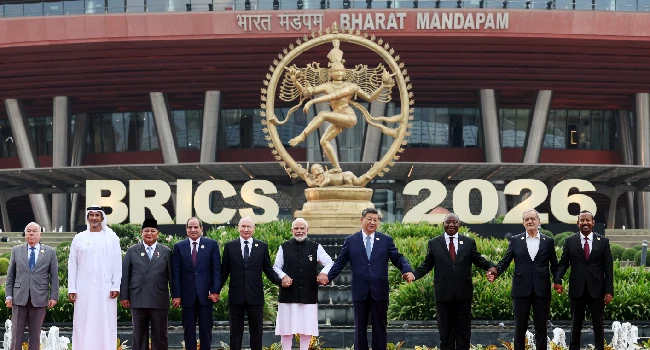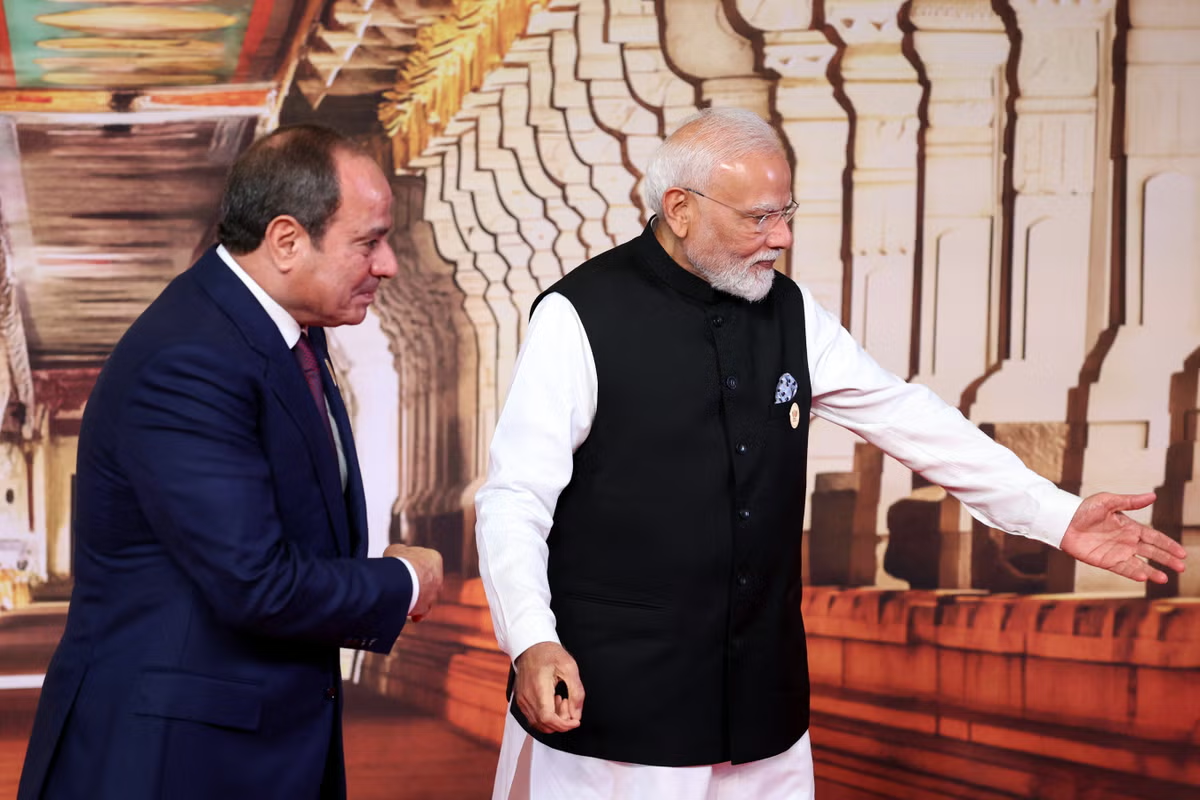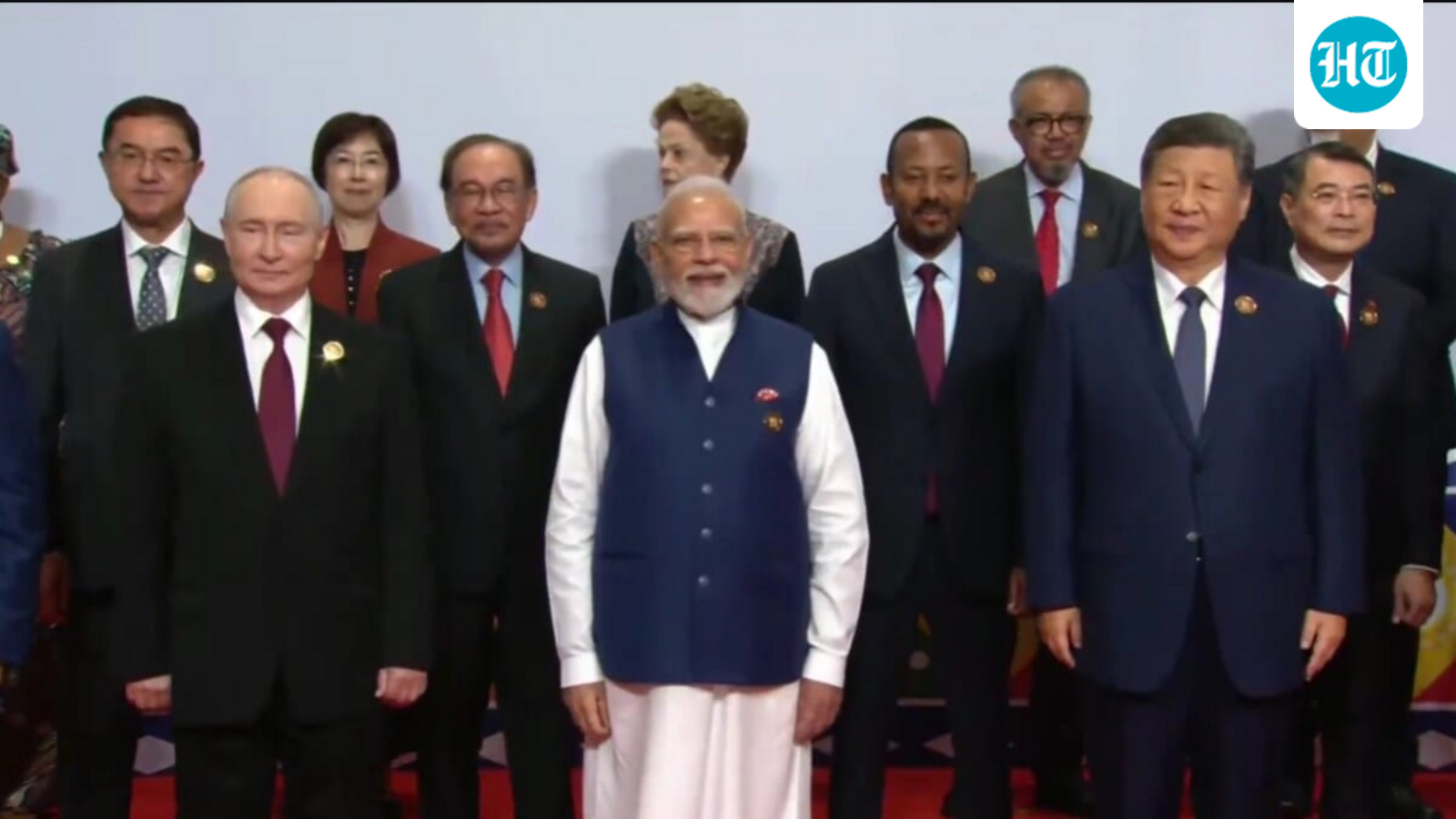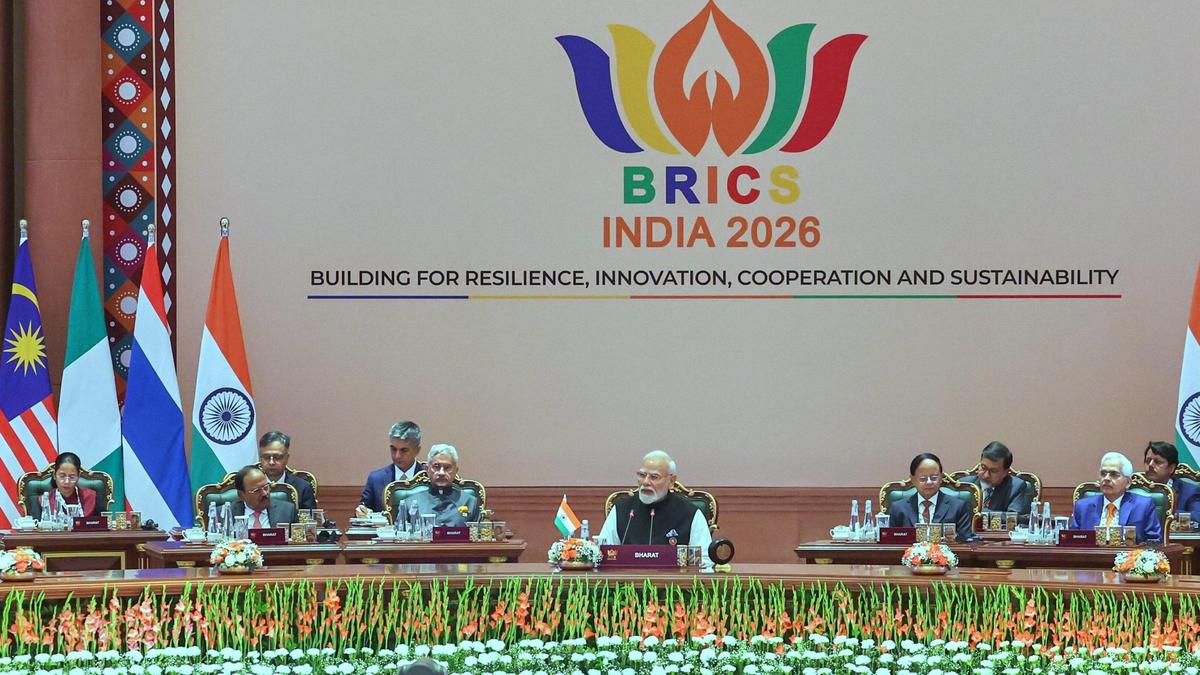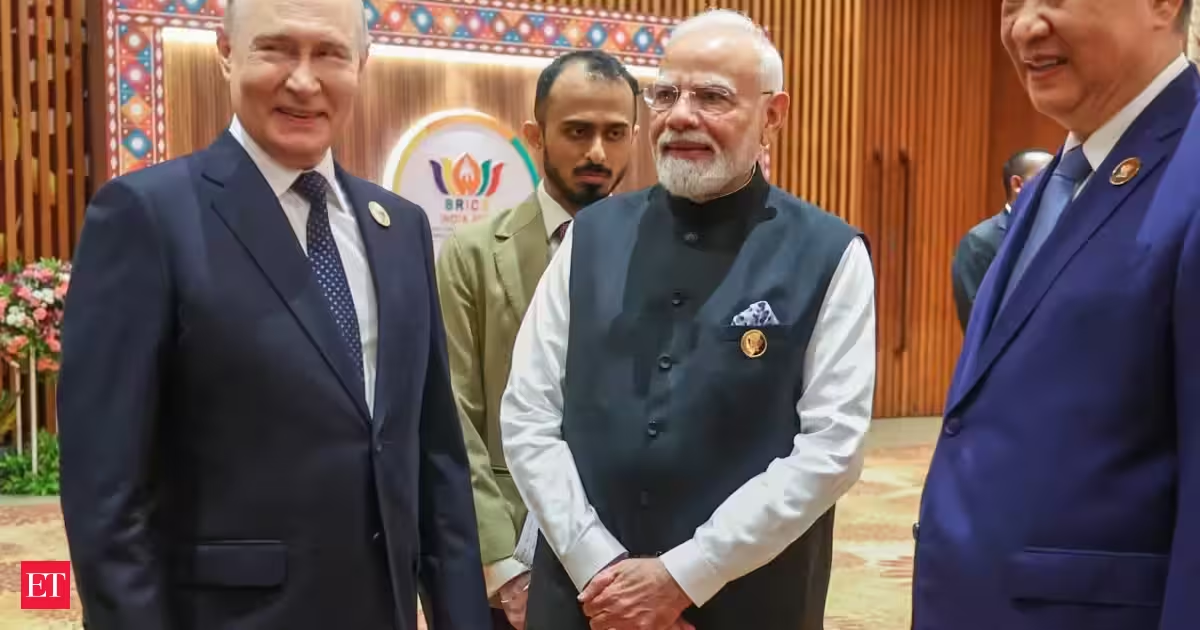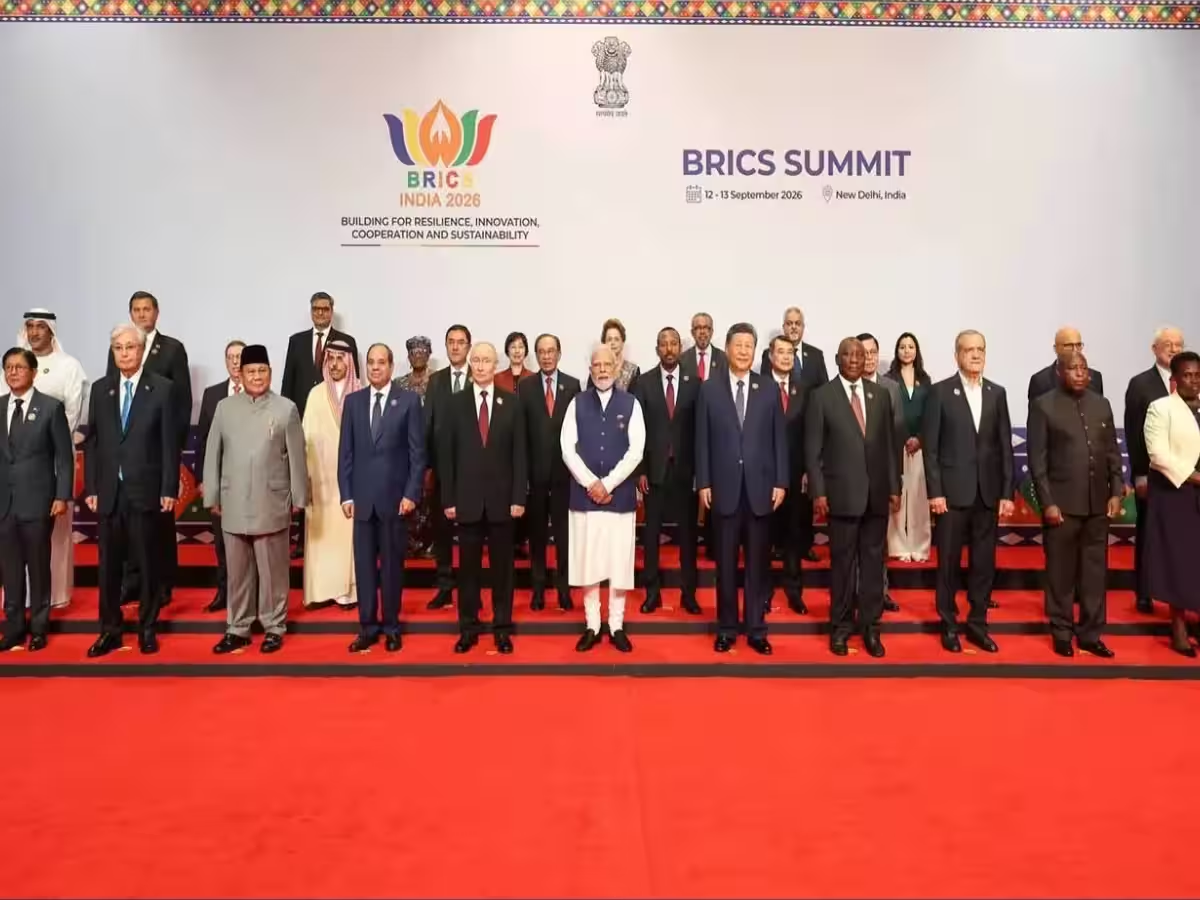
BRICS put India's diplomatic heft on display on Saturday, as New Delhi cobbled together a consensus that led to the New Delhi Declaration (NDD), despite conflicts of interest among member countries. The key question now is what happens next as the grouping prepares for its next chair, China.To address this question, one must recognise that each member views BRICS differently, shaped by its own compulsions. For instance, India got the grouping to decry the Pahalgam terror attack of 2025 while Iran lobbied to ensure NDD condemned military strikes on it.Though NDD reiterated the group's earlier resolution to support India and Brazil as permanent UNSC members, it set no timeline. There's clearly a Chinese hand in this: China, 1 of the 5 veto-wielding UNSC members, is unlikely to share power with new members. It has repeatedly blocked Indian efforts to move UN resolutions against Pakistan's terror activities.This is significant because Narendra Modi demanded a time-bound plan to make it happen. Speaking at the BRICS Summit, Modi said UNSC reform 'can no longer be postponed' and called for negotiations to have a definite timeframe and clear outcomes.Though BRICS stresses partnership among member-states, China is pushing for leadership of the 'global south'. Its strength rests partly on being the bloc's biggest trader, running trade surpluses with most BRICS members. India, the world's biggest democracy and fastest-growing major economy, is unlikely to accept unilateral Chinese leadership in Asia when BRICS itself calls for a multipolar world.Xi Jinping presented a competitive face by inviting BRICS members to join World Artificial Intelligence Cooperation Organization, launched in July, to compete with the US in AI rule-setting. China has used a similar strategy before, positioning itself as a hub of international activity by launching SCO and persuading BRICS to locate its New Development Bank in Shanghai.India's approach is different: it wants developing countries to jointly shape rules for high-tech sectors, rather than remain 'rule-takers'. "We must strive to transform the global south from a 'rule-taker' into a 'rule-shaper'," Modi said.China, which usually pushes BRICS towards a confrontational stance on the US, appears to have mellowed. Xi's speech stopped short of sharp criticism of the US, possibly because he does not want to foul things up ahead of his meeting with Donald Trump in Washington on September 24.Modi has made it clear that he does not want BRICS to become an anti-West lobbying group. Brazil and South Africa are also disinclined to adopt an aggressive posture towards the US. Russia and Iran, the biggest victims of economic sanctions, want the group to challenge US policies more forcefully. At least 3 members - UAE, Saudi Arabia and Indonesia - would do little to alienate the US.Without BRICS, Russia would be gravely isolated as western countries have distanced themselves from it since the start of the Ukraine war in 2022. The group also provides Vladimir Putin with a platform to enhance relations with leaders of different countries that buy Russian goods. Nearly 90% of Russian oil and 60% of its weapons are bought by China and India.Iran persuaded the group to include a reference to protecting peaceful nuclear facilities. Isolated by western-led institutions, it regards BRICS as a key forum to air its grievances and enjoys strong backing from Russia. South Africa sees BRICS as central to its foreign-policy identity beyond the African continent. Under Lula da Silva, Brazil used BRICS to push hard for reforms in IMF and WTO. But he skipped the meeting as Brazil heads into an election year.It is difficult to spot many deliverables in the carefully hedged joint declaration, peppered with boilerplate phrases such as 'reaffirm', 'encourage' and 'welcome'. A few actionable decisions stand out: disaster management, anti-drug operations, a solar photovoltaic roadmap and credit assessment for export-oriented MSMEs.But there is no sign of a united resolve to tackle major political and economic issues such as US tariffs and non-tariff barriers, imbalanced trade between BRICS members, or the exchange of high-end technologies. The declaration reiterates the earlier resolution to settle trade in local currencies rather than relying on the dollar but offers no roadmap or institutional structure to scale it up.With no timelines for implementation and most plans lacking institutional structures needed to execute them, it is difficult to say if or when many of these decisions and resolutions will take shape.(Disclaimer: The opinions expressed in this column are that of the writer. The facts and opinions expressed here do not reflect the views of www.economictimes.com.)
BRICS 2026: A declaration, no roadmap - The Economic Times
India displayed diplomatic strength by forging consensus for the New Delhi Declaration. Member nations hold differing perspectives on BRICS's future direction and goals. China's influence is evident as it prepares for its upcoming chairmanship of the grouping. The declaration reiterates support for UNSC reform without setting a clear timeline. BRICS members aim to shape global rules rather than merely follow them.
740 words~3 min read