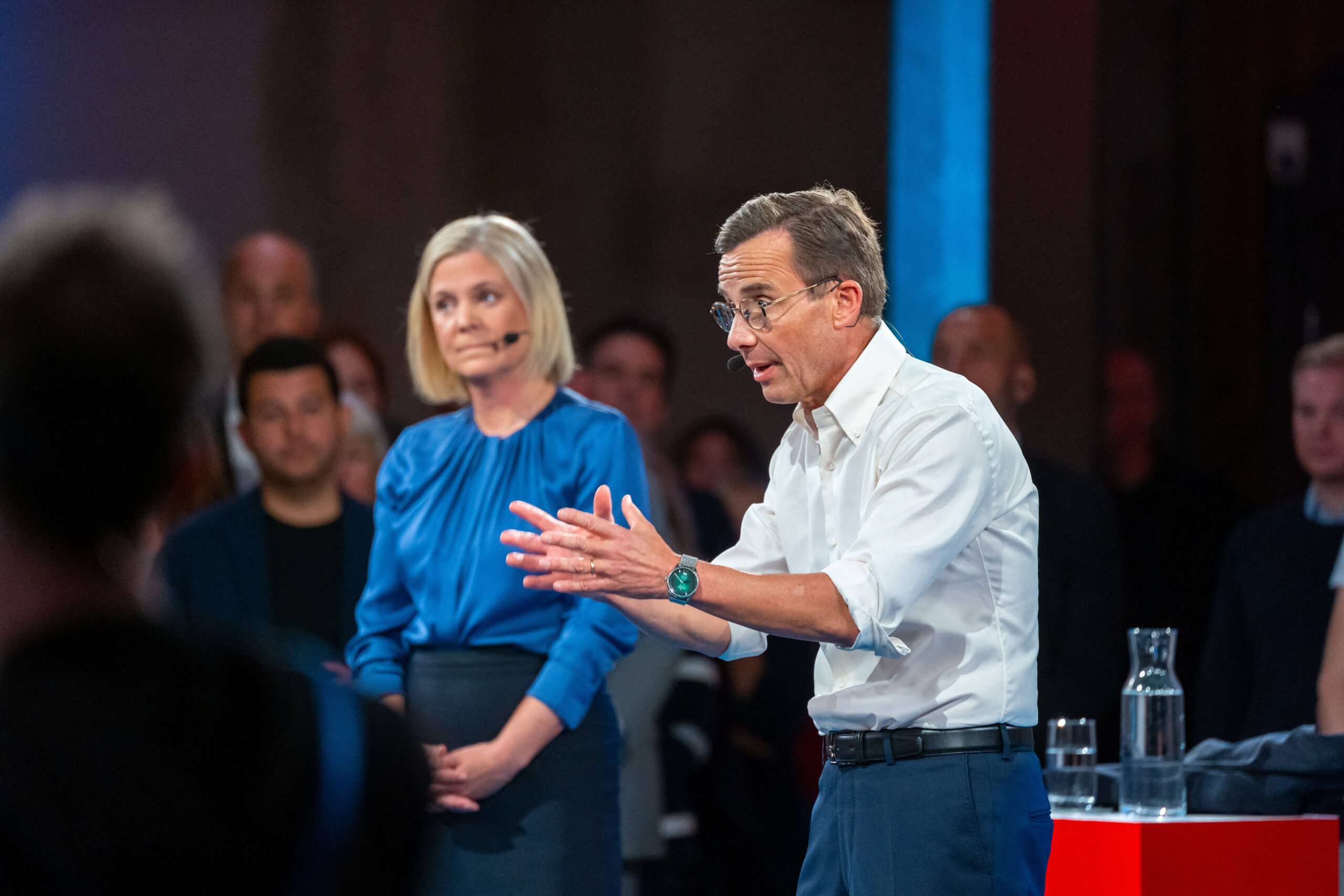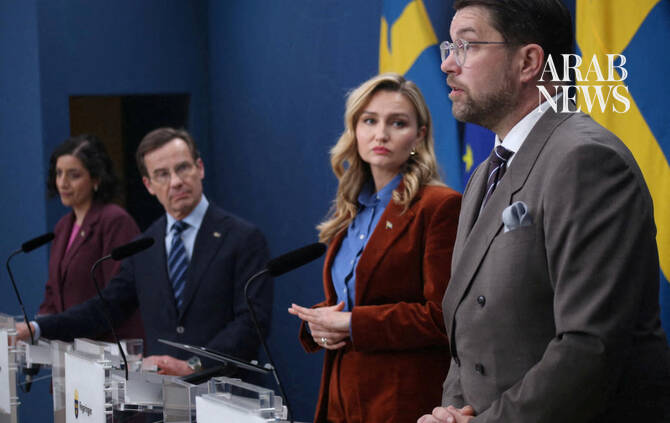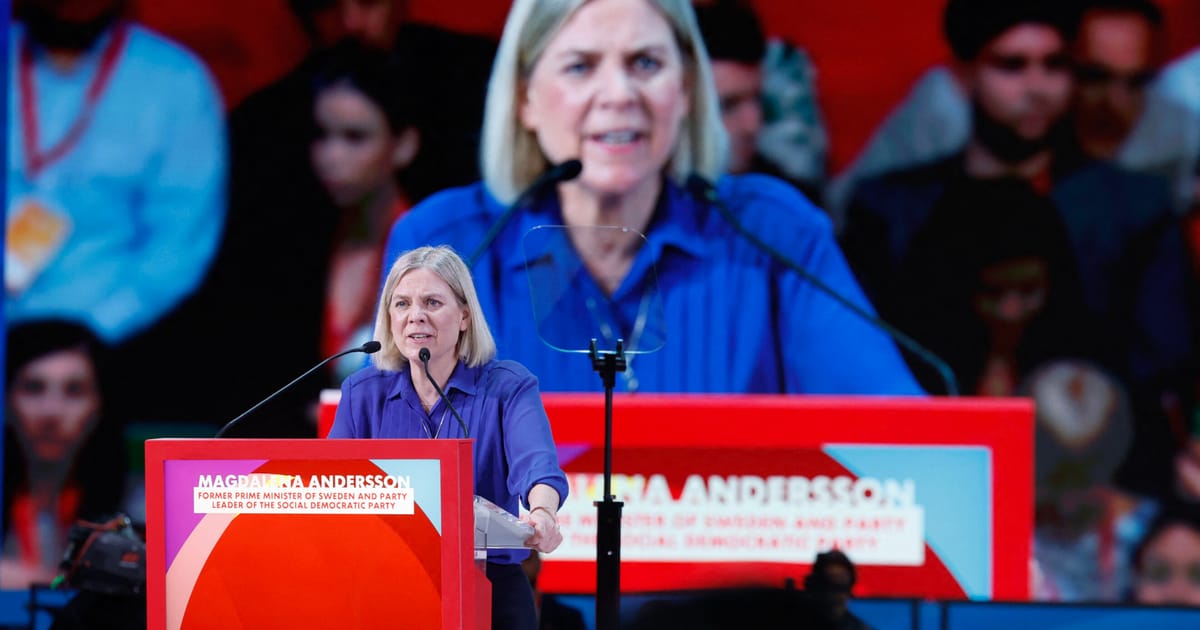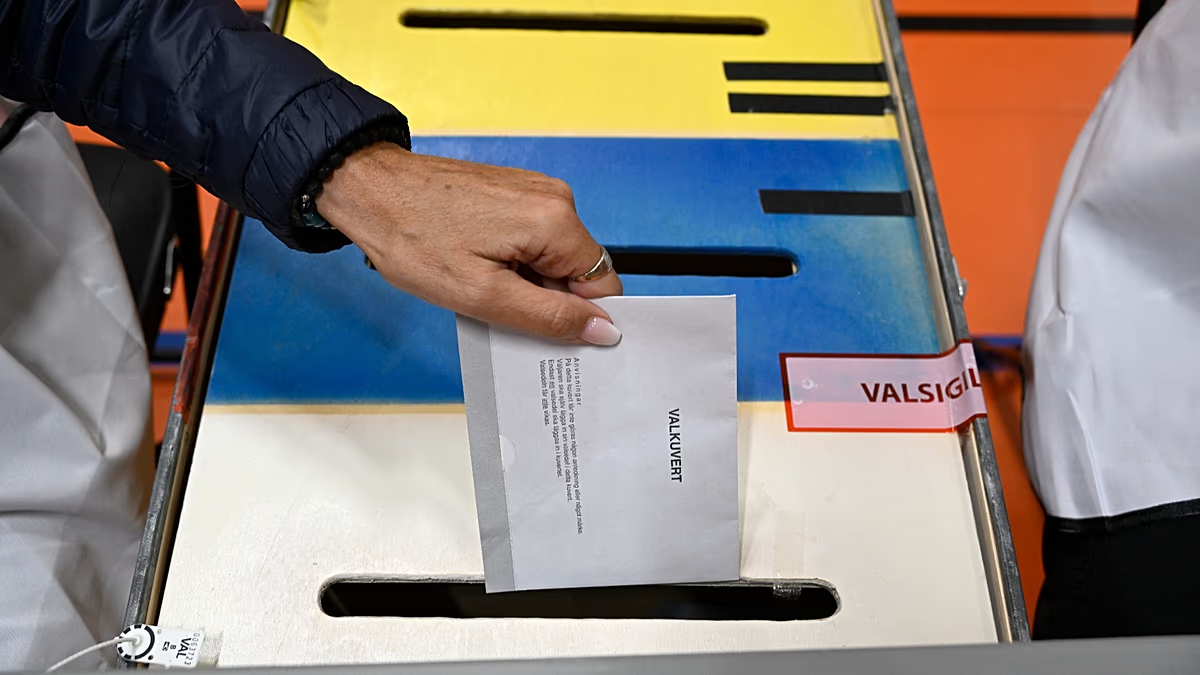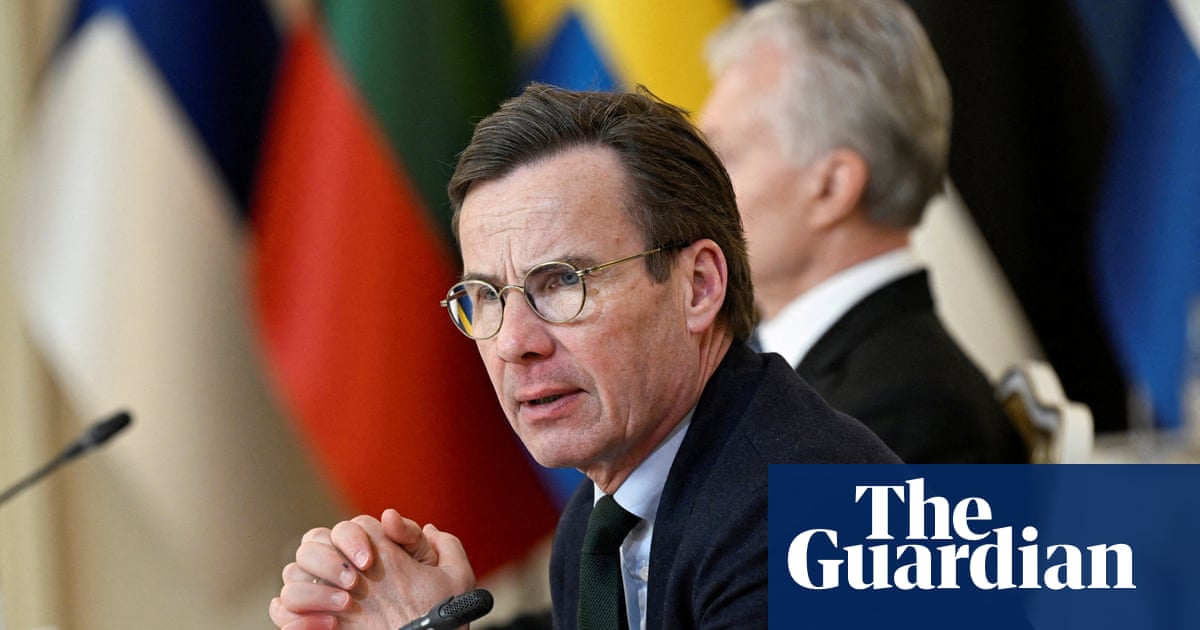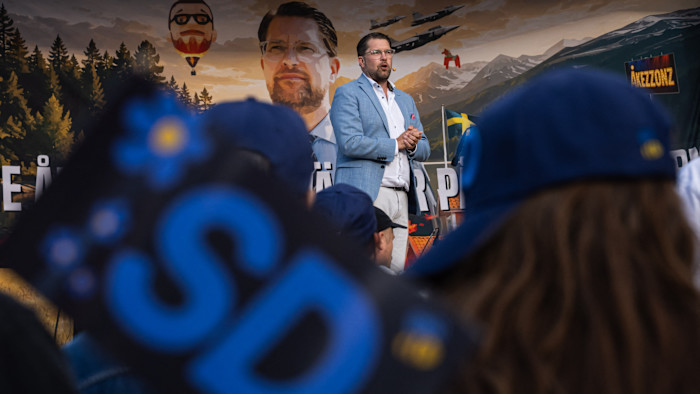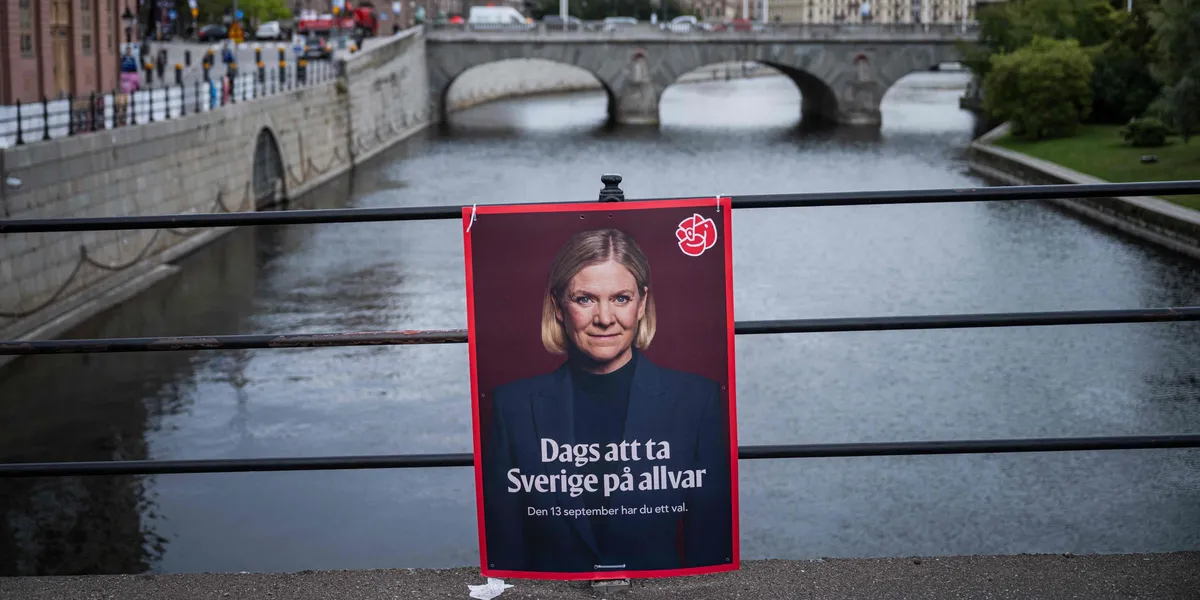
Ulf Kristersson’s centre-right coalition won power in Sweden four years ago with a promise: to break the bloody, vicious circle of gangland violence.That was 2022, with a record 391 shootings. Since then, Sweden’s four-year law-and-order crackdown has seen shootings drop to 48 in the first nine months of this year. Now Kristersson hopes a late poll surge for his camp ahead of Sunday’s general election is a sign of voters ready to reward a promise kept.On the campaign trail he has promised, in a second term, to continue work to “boost growth, lower prices for energy and food, reduce gang crime and shootings and cut asylum numbers to record lows”.For many Swedes, Sunday’s vote is a referendum on giving Kristersson’s Moderates – third-placed on 17 per cent – a fresh mandate to continue this path.Part of the deal involves taking in, as a formal coalition partner, the far-right Sweden Democrats (SD).With nearly 18 per cent support, that second-placed populist party with Nazi roots supported the outgoing coalition from the opposition benches.Taking office for the first time would complete a dramatic rightward shift in Swedish politics – echoing a continent-wide recalibration.Sweden’s recent shift from a decades-old left-liberal consensus has been so stark that, on the campaign trail, SD leader Jimmie Akesson has joked that one-time political rivals now resemble tribute acts.“We’ve pressed the other parties and now they all sound more or less like us,” said Akesson. “That is, of course, already a victory in itself.”Social Democrats leader Magdalena Andersson. Photograph: Anders Wiklund/AFP via Getty Images But victory is not a given for right-wing populist politics in Sweden. For most of the campaign, the centre-left opposition has led polls and pushed for the return of Social Democrats party leader Magdalena Andersson as Sweden’s prime minister.She has shrugged off criticism of being soft on crime and migration, noting that it was her party which, in office a decade ago during the refugee crisis, led a cross-party pivot to tighter immigration laws.In campaign appearances, she warned voters that another Kristersson-led coalition, this time with formal SD support as a coalition partner, will endanger civil rights and exacerbate thuggish behaviour.In the last four years, she highlighted cases of threats against Swedish journalists and NGOs being told to expect funding cuts “if they criticise what the government is doing”.As her camp’s poll lead narrowed this week, Andersson pounced on security concerns around an SD official. For a decade, the official reportedly pushed pro-Kremlin narratives and enjoyed ties to a Russian state organisation while working in the parliamentary EU affairs committee.The claims have rattled the SD and sparked concern amid continuing Russian drone incursions and other tests of Sweden’s defence as Nato’s newest member.“These are extremely serious allegations as Russia is the greatest threat to Sweden,” said Andersson.In a heated television debate on Wednesday evening, the opposition leader and prime minister clashed over criminal sentencing. Kristersson accused Andersson of being soft on crime “and not wanting to stand up for the crime victims who have to live with the consequences of serious and repeated crime”.Andersson accused Kristersson of using women’s suffering for political gain, behaviour she called “unworthy of a prime minister”.For Swedish investigative journalist Diamant Salihu, a leading expert on gangland crime, “everyone agrees there has been a change for the better”. This election will, he said, decide whether Swedes will back other key pillars for long-term improvement.“An issue the Kristersson government has not dealt with is huge segregation of people in more vulnerable areas,” he said. “Even if violence goes down, there are more social issues we need to deal with that have not vanished.”
Swedes to decide if its government takes a further leap to the right
Opposition leader Magdalena Andersson has been clear on the dangers of a new coalition featuring the Sweden Democrats
601 words~3 min read