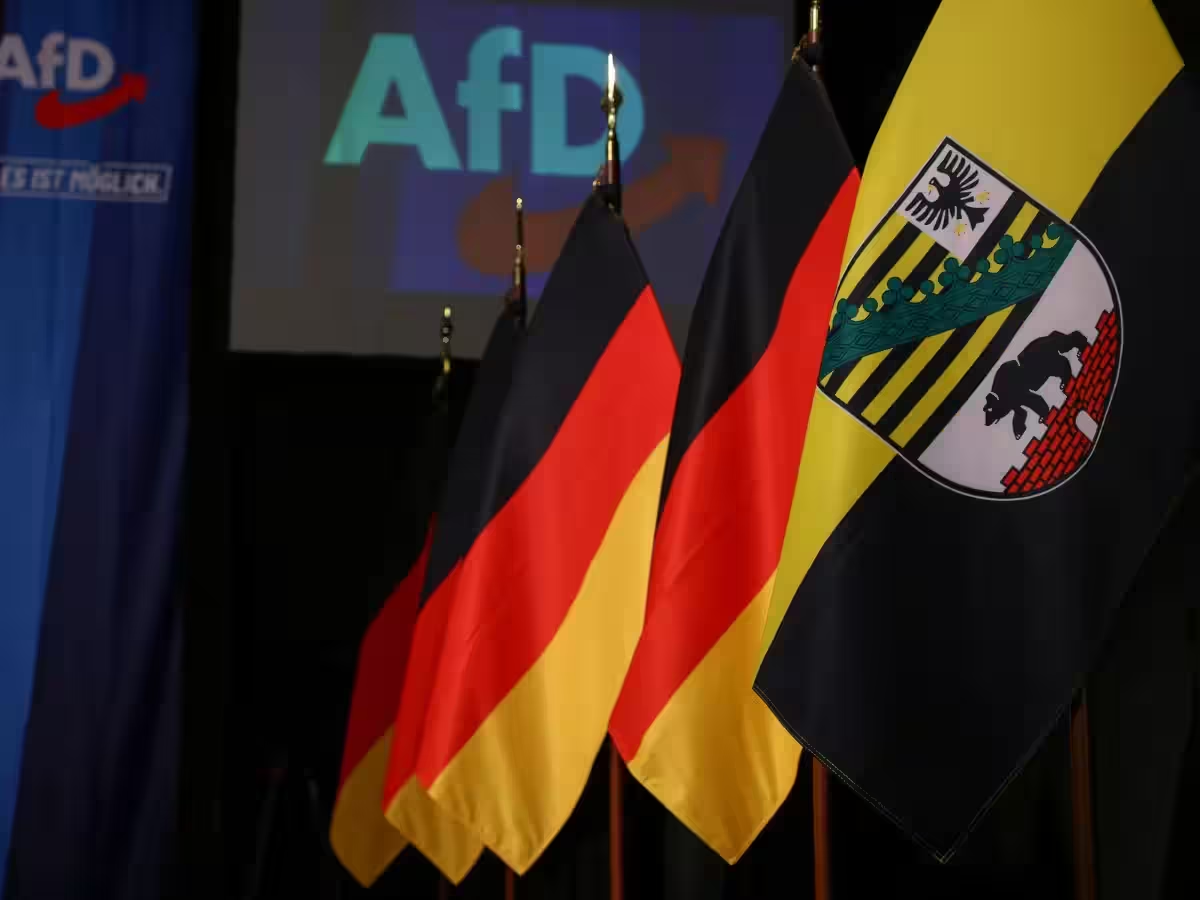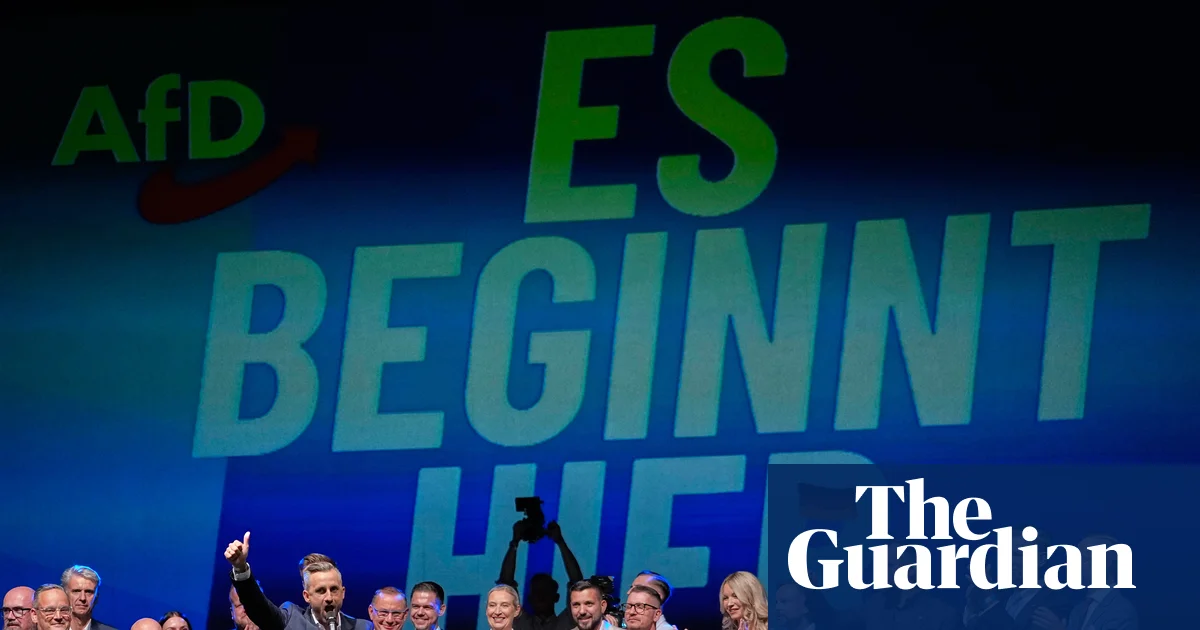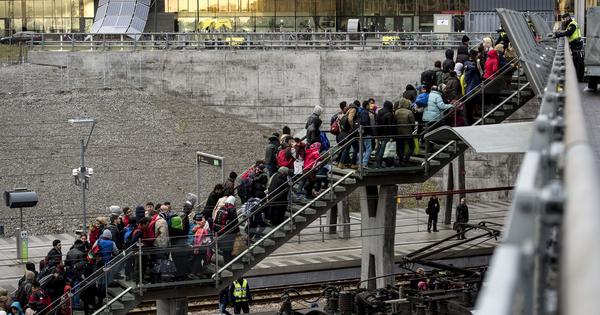
There is a decisive shift occurring in European politics. It’s happening across nations – and parties. It lies behind the far-right Alternative für Deutschland’s victory in the Saxony-Anhalt state election last weekend. And it is the under-reported factor in the close general election being fought in Sweden this weekend. In almost every part of the continent, the politics of crime, security, migration and citizenship is driving governments to harden their borders and toughen their approach towards integration, especially when it comes to Islamism.
On the centre-right, the Austrian Chancellor Christian Stocker has outlined this week that he plans to bring in a ban on what he calls political Islam. The Danish social democrat Prime Minister Mette Frederiksen has been equally robust from the centre-left, saying: ‘The problem is that a major enemy has started to grow from within and it is foreigners who have come to Europe. It is Hamas supporters. It is people who commit terror against European societies. It is people who do not recognise fundamental European values. It is people who sympathise with some of the darkest forces in the world.’
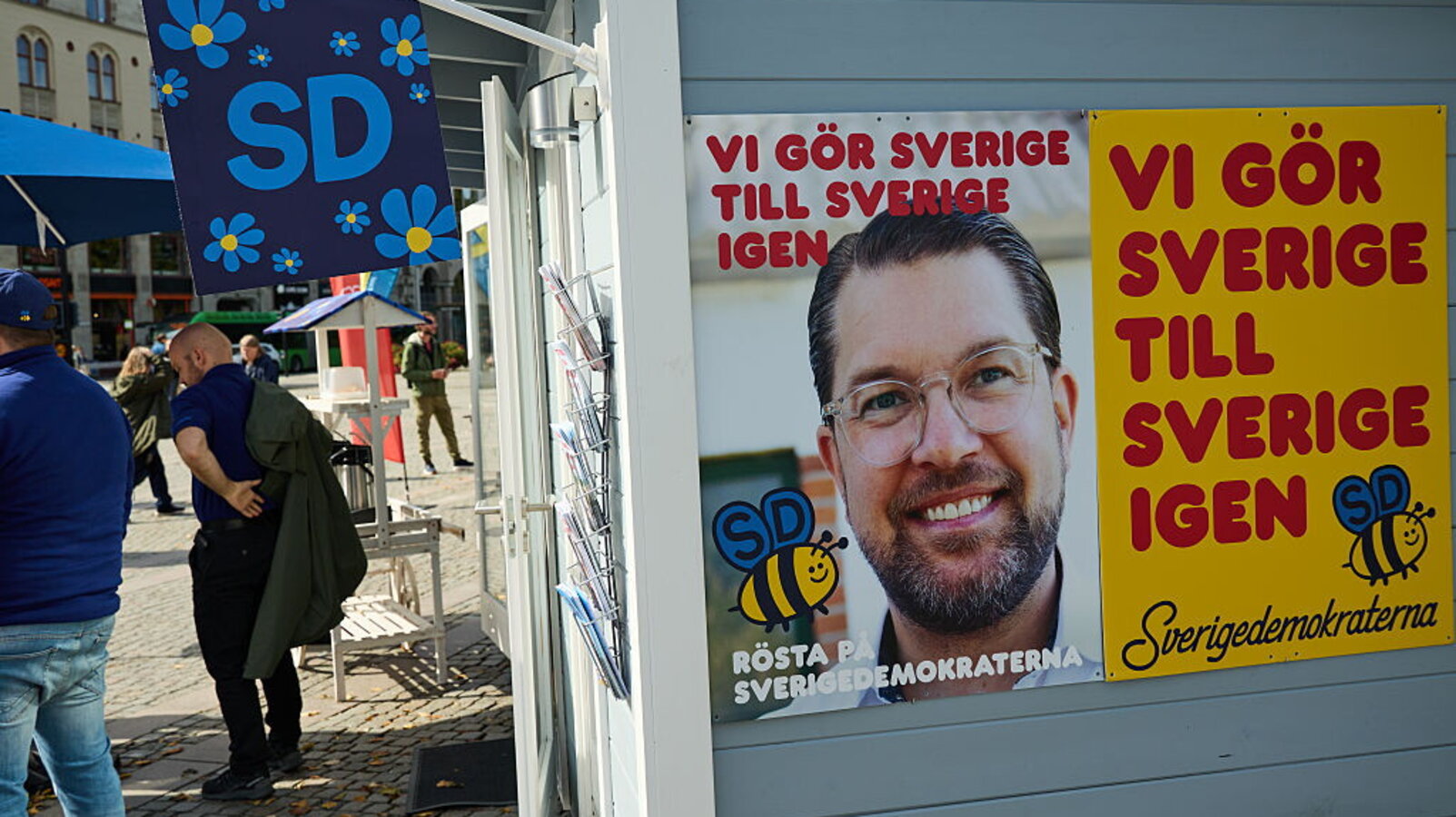
Sweden, once one of the most pro-migration nations in Europe, is now a proving ground for policies to deal with the security questions posed by migration and, in particular, the danger of Islamism. This is because the rise in crime, disorder and social fragmentation had become one of the central questions of Swedish life and politics.