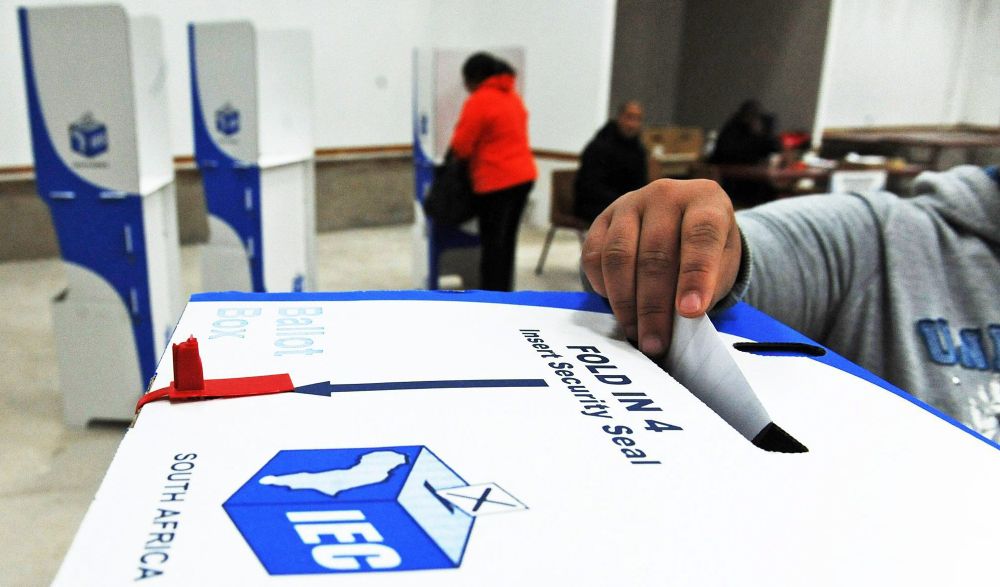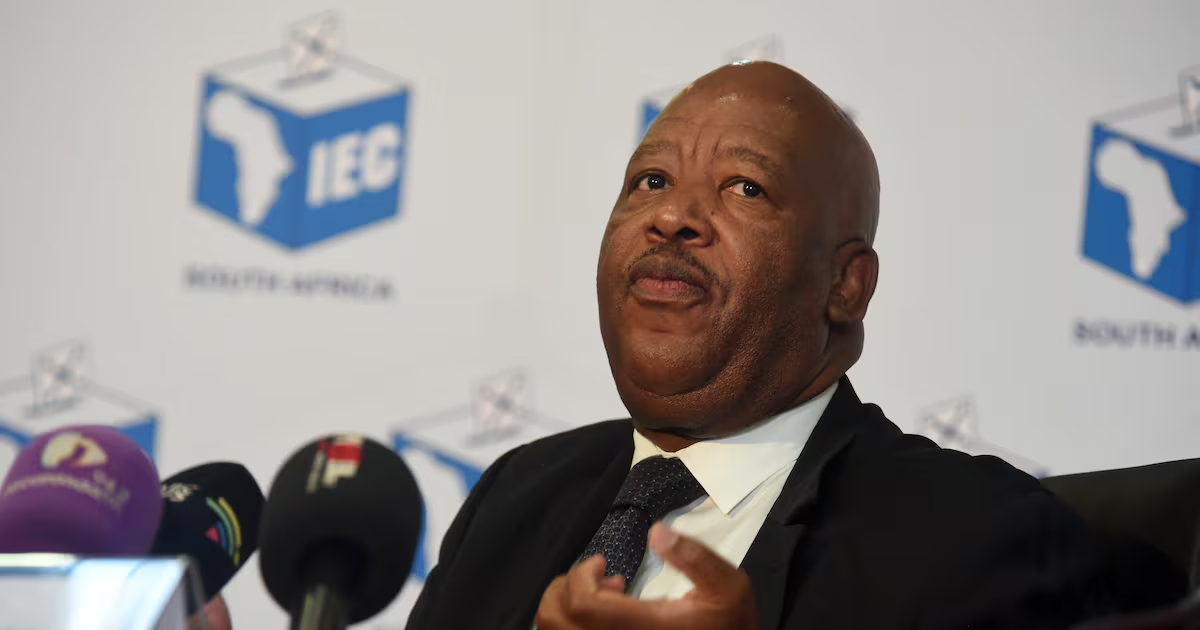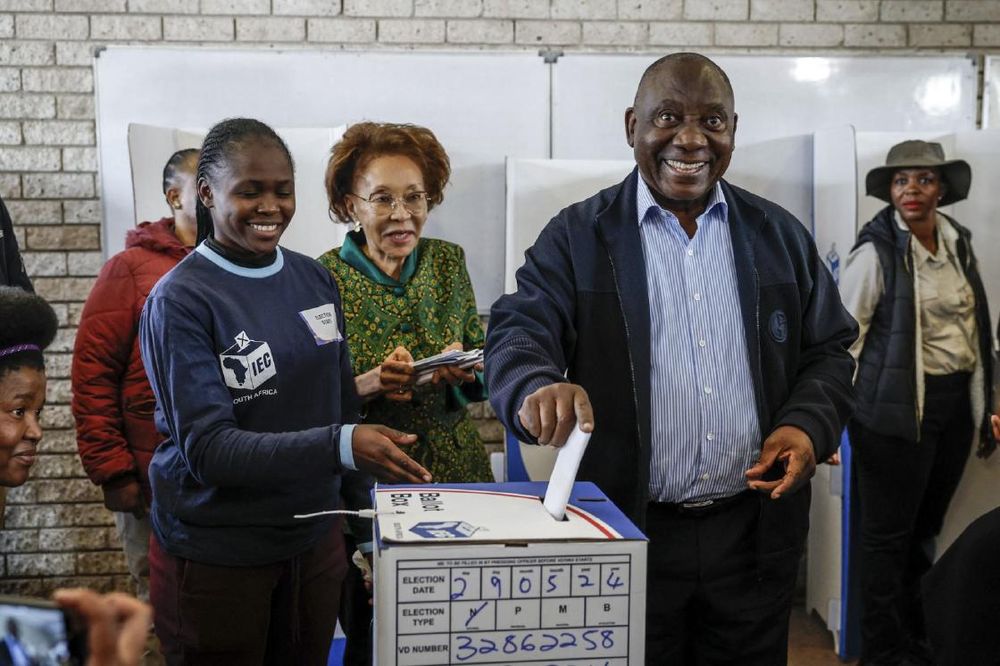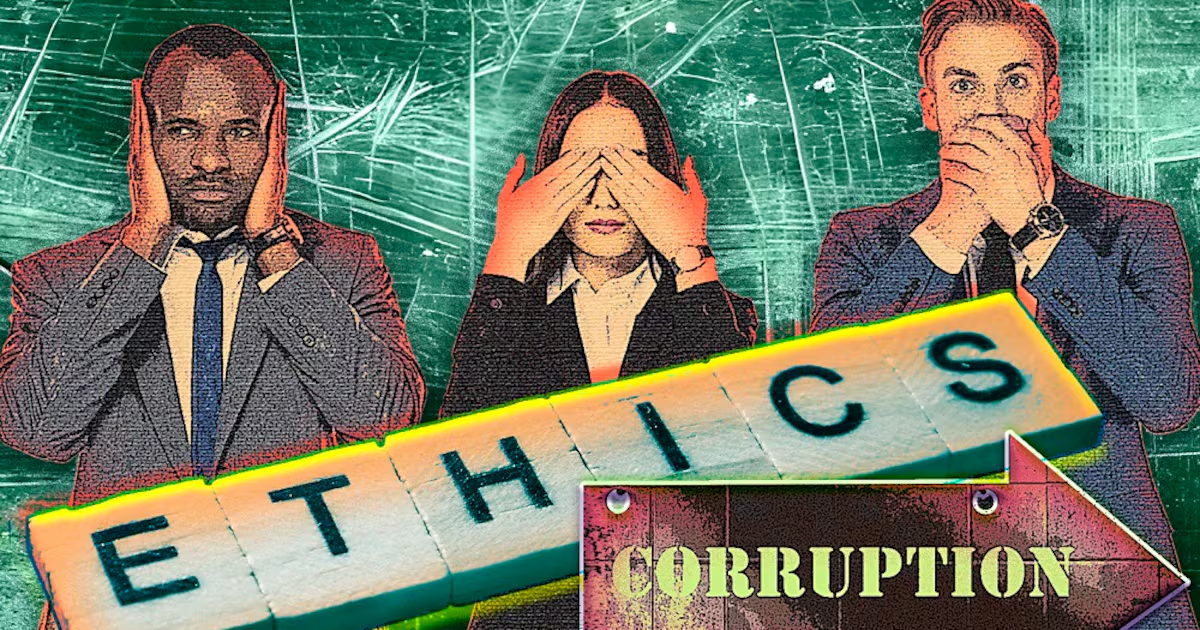
South Africans head to the polls on November 4 in what the Electoral Commission of South Africa (IEC) has called the toughest pre-electoral climate in three decades. Trust in local government has collapsed from 55% in 2004 to just 18% today. Only one in six citizens believes their councillors regularly listen to them, and barely a quarter rate their councillors’ performance as good. Political analysts describe this local government election as a referendum on whether municipalities can actually deliver, rather than a contest between political brands. Potholes and water interruptions are on voters’ minds, not manifestos. This is not an ordinary local election, and that is exactly why the Code for Ethical Leadership in Local Government serves as a compass and deserves attention even before the ballots are cast. One of the complexities of the current local government environment is coalition politics. Hung municipalities jumped from 27 in 2016 to 70 in 2021, and coalition tools meant for governance are routinely being repurposed for power capture instead. Serial motions of no confidence are tabled to seize power rather than fix failure, proxy parties are propping up bigger ones, and a Tshwane speaker was recently found by a court to have unlawfully rigged a vote count. A bill meant to curb this abuse has stalled and will not be law by November 4. That instability is not just a voter perception; it is also reflected in the department of co-operative governance & traditional affairs’ review of the 1998 White Paper on Local Government. The reviewed draft identifies failures in governance and accountability as root causes of the crisis in local government, pointing to patronage, politicised appointments and the instability created by coalitions. A key reform pillar is therefore ethical and capable political and administrative governance. (Supplied) The auditor-general’s most recent findings, tabled on June 24, make the urgency concrete. Only 39 of South Africa’s 257 municipalities achieved clean audits in 2024/25. Not a single metropolitan municipality did so. The auditor-general has once again called for municipalities to strengthen a culture of ethics and accountability. This tells us something important. Local government does not suffer from a shortage of rules. It suffers when rules are not supported by the ethical leadership, values, judgment and conduct required to give them meaning. That is why the code deserves particular attention as we approach the elections. The code, launched in March 2024 through the Local Government Ethical Leadership Initiative, speaks directly to this. Its principles of setting an ethical tone, appointing staff on competence rather than patronage, dealing decisively with wrongdoing and engaging respectfully with rival leaders on council, are a direct answer to the challenges set out above. A leader who treats a motion of no confidence as a legitimate check rather than a power grab and refuses to weaponise a speaker’s office for narrow advantage, demonstrates exactly the leadership the code asks for. Where legislation has stalled, a revival of moral standards becomes essential. The code provides a moral standard that candidates can be held to publicly. The code is not only a personal standard for local government leaders; it is also a test for the parties that put them there. Party leadership decides who gets nominated, how a candidate list is compiled and whether a councillor with a track record of ethics complaints gets redeployed rather than dropped. Parties also decide, once in council, whether to table or support a motion of no confidence because a colleague genuinely failed the public, or simply because the numbers allow it.South Africans are heading to the polls disillusioned and distrustful, with little patience leftA party serious about the code would vet candidates against it before nominating them, commit publicly to using coalition tools only for legitimate cause, and hold its own councillors accountable rather than shielding them for the sake of a coalition seat. Voters can reasonably ask parties, not just candidates, whether they will be held to that standard. For candidates the code is a leadership brief, not a constraint. It is a test for the moment a tender favours a relative, or when a motion of no confidence is tabled for advantage rather than cause. Close to 100 municipalities have already adopted the code by council resolution. Candidates anywhere can be asked whether they will commit to it and accept being measured against it, especially in a coalition environment. For voters it is a checklist that asks: have these candidates set an ethical tone, or has controversy followed them? Do they answer hard questions on tenders and conflicts of interest, or deflect? Have they dealt fairly with wrongdoing among their own allies? Do they engage respectfully with rivals, or treat every disagreement as a pretext to grab power? South Africans are heading to the polls disillusioned and distrustful, with little patience left. The code will not fix local government by itself. It does, however, provide an ethical compass on which candidates, parties and the voting public can reflect. In the current climate it is a much-needed tool and one with which all South Africans would do well to familiarise themselves before the elections. The choice in this election is not only about who governs, but also about how they govern. • Rawat, an admitted attorney, is a senior ethics expert at The Ethics Institute.
FATIMA RAWAT | The real test in 2026 is not only who governs but how
Municipal failures expose urgent need for ethical standards and reform
881 words~4 min read