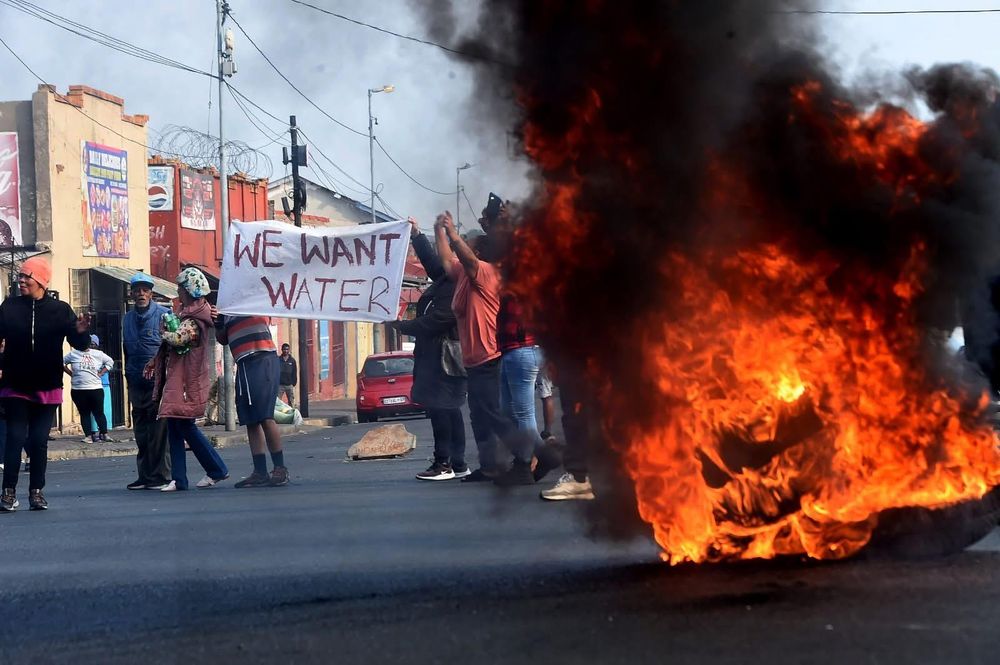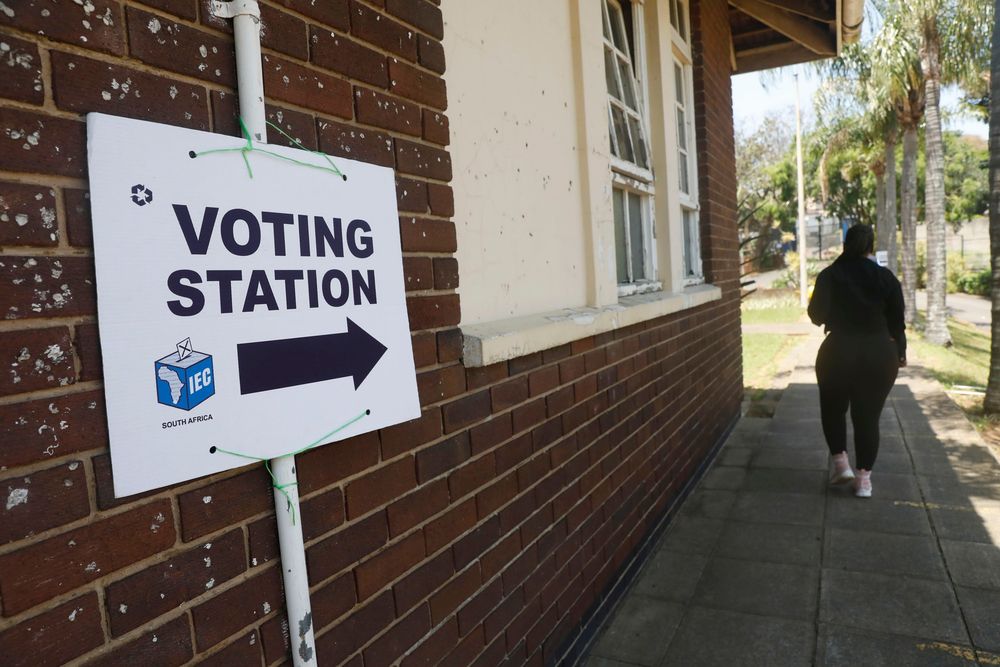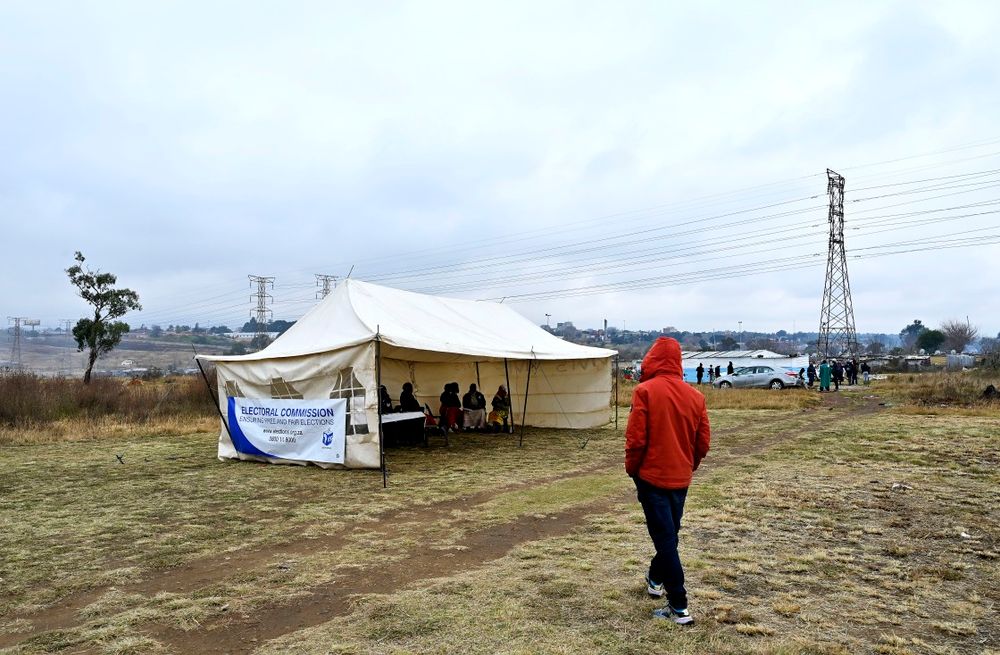
The IEC's voter registration station at the Elias Motsoaledi informal settlement in Soweto. According to the latest Ipsos polling research, a turnout of about 42% is predictable for the upcoming local elections. This will be a huge disappointment for the IEC, says the writer.
Prof Dirk Kotzé
Determining the levels of support for the parties in an election in the period prior to the election has become a science on its own. Using a representative sample of the total eligible voter population and conducting interviews with them is, at the moment, the only mechanism available to predict the possible election results.
They are done by private companies who are often also involved in market research. In South Africa, two of the most active ones are Ipsos and the Social Research Foundation (SRF), which uses a sub-contractor for its polling exercises.
All the polling results must be read with the understanding that they are subject to a margin of error, as an indication of the level of uncertainty or how much space should be left for the polling results to deviate from the final election results.