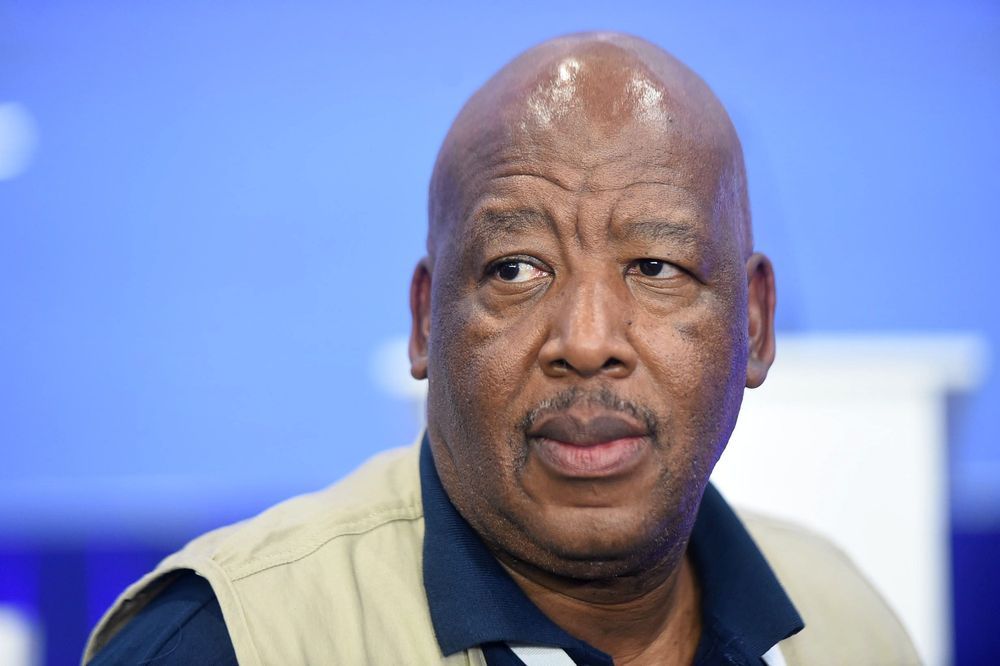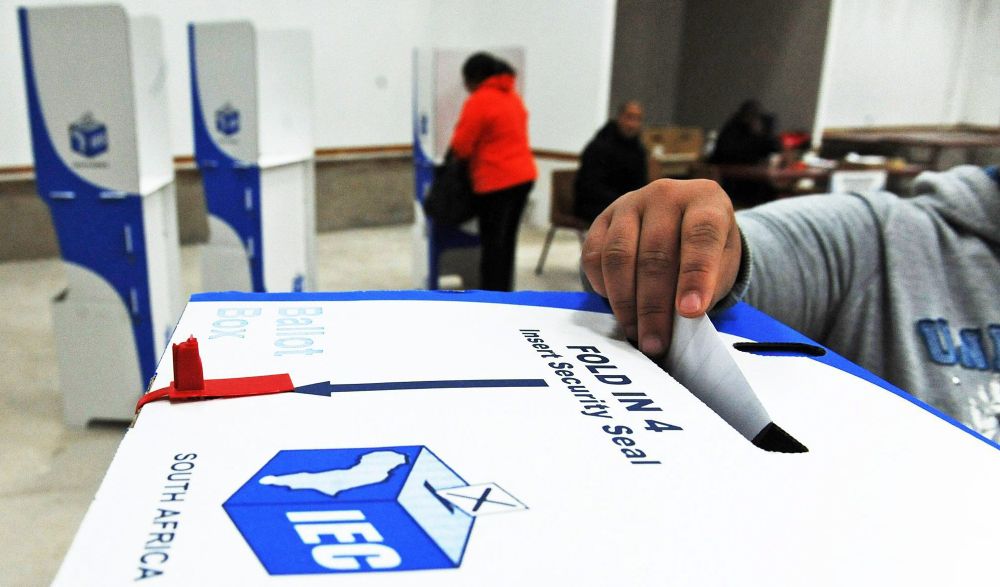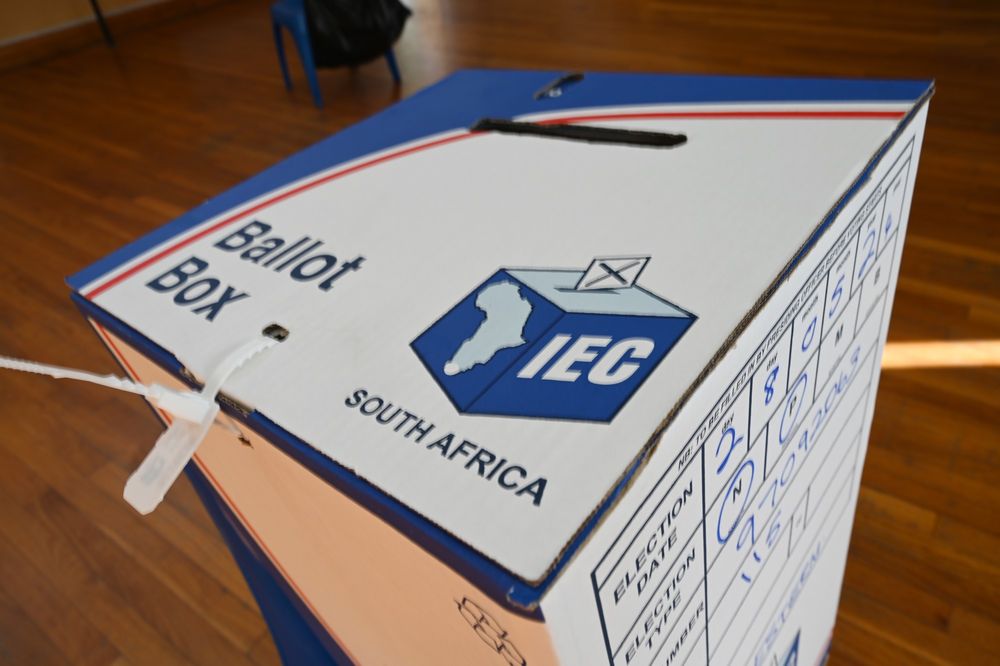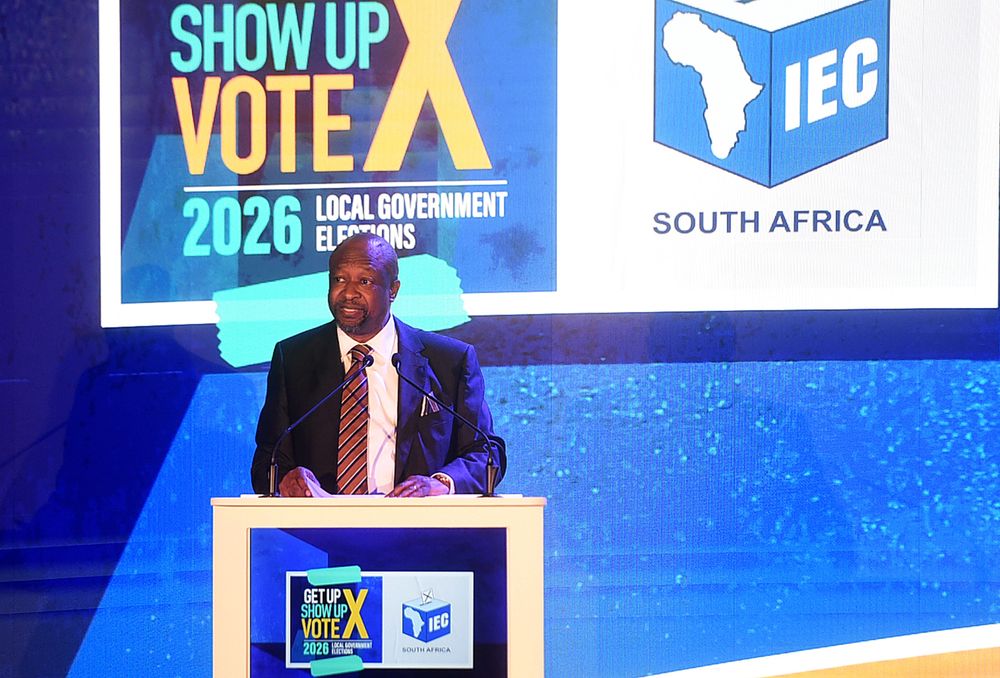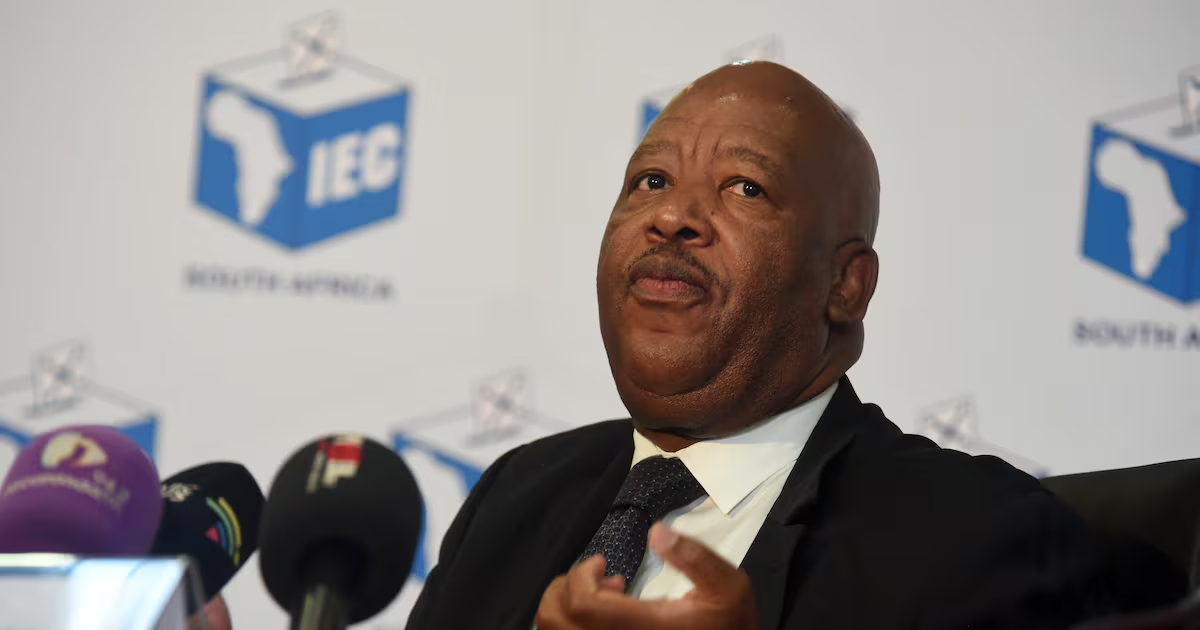
The November local government elections will take place in the “most challenging and tough” pre-electoral climate of the last 30 years, characterised by high levels of pessimism, frustration and disengagement with the political process, the Electoral Commission of SA (IEC) says. These were the conclusions from a face-to-face IEC survey conducted between October 2025 and February 2026, which align with the findings of several other surveys of public political sentiment. The country will go to the polls on November 4 with the first registration weekend scheduled for June 20-21. Political parties will be vying for 10,439 seats with over 100,000 prospective candidates being put up by more than 500 registered political parties. Briefing a joint meeting of the home affairs committee and the select committee of security and justice, IEC deputy chief electoral officer Masego Sheburi noted there was widespread disillusionment with political leadership, leading to growing demands for more decisive, authoritarian approaches to government. Survey participants indicated that they would vote if socioeconomic conditions improved. “Many respondents feel betrayed by broken promises and pervasive corruption, leading them to believe voting is meaningless,” Sheburi said. A number of survey participants called for new, younger and more honest leaders to replace the current ones. They indicated that they would vote if socioeconomic conditions improved. “Dissatisfaction with democratic functioning and local service delivery has deepened, contributing to a softening commitment to key democratic norms such as the perceived importance of free and fair elections,” he told MPs. Sheburi said the 2026 local government elections were likely to be “highly competitive, low trust and high risk”, taking place in the context of sustained public frustration with the status quo. Dissatisfaction with the way democracy is functioning has risen sharply, from 63% of people expressing happiness with democracy in 2004, to 68% expressing dissatisfaction in 2025/26. But there was nevertheless a high proportion of the electorate (62%) who believed it was a national duty of citizens to vote. Sheburi said confidence in core political institutions, especially the national government and parliament, had weakened further with trust indicators at historic lows, including for the IEC itself. Trust in the national government had declined from 69% in 2004 to 19% in 2026, and in parliament from 65% to 20% over that period, while trust in local government had fallen from 55% to 18%. Trust in political parties has declined to 11% from 42% in 2005. Trust in the IEC has fallen to 32% among the total population from 74% previously, but among voters the trust level was 85%. Asked whether they would vote if an election were held imminently, 64% said yes on certain conditions such as the responsiveness of political parties, down from 76% in 2015. The highest intention to vote was recorded in the Eastern Cape, KwaZulu-Natal and Mpumalanga. Respondents to the survey had low expectations of political responsiveness and delivery, which shaped voter behaviour, with disillusionment emerging as the primary driver of non-registration and intended abstention. These signs of diminishing trust dated back to the mid-2000s, intensifying during the 2010s. Voter turnout has declined from 58% in 2016 to 46% in 2021. There were clear signs of an electoral divide between contented voters and disengaged, discontented non-voters.
Local government elections will be marked by disillusionment, IEC says
South Africans feel betrayed by pervasive corruption and believe voting is meaningless
534 words~2 min read