There is deepening concern over the Auditor General's report revealing the dire state of South Africa's municipalities, with academics saying the persistent service delivery crisis reignites debates about accountability, governance, and the urgent need for reform, ahead of the municipal elections.
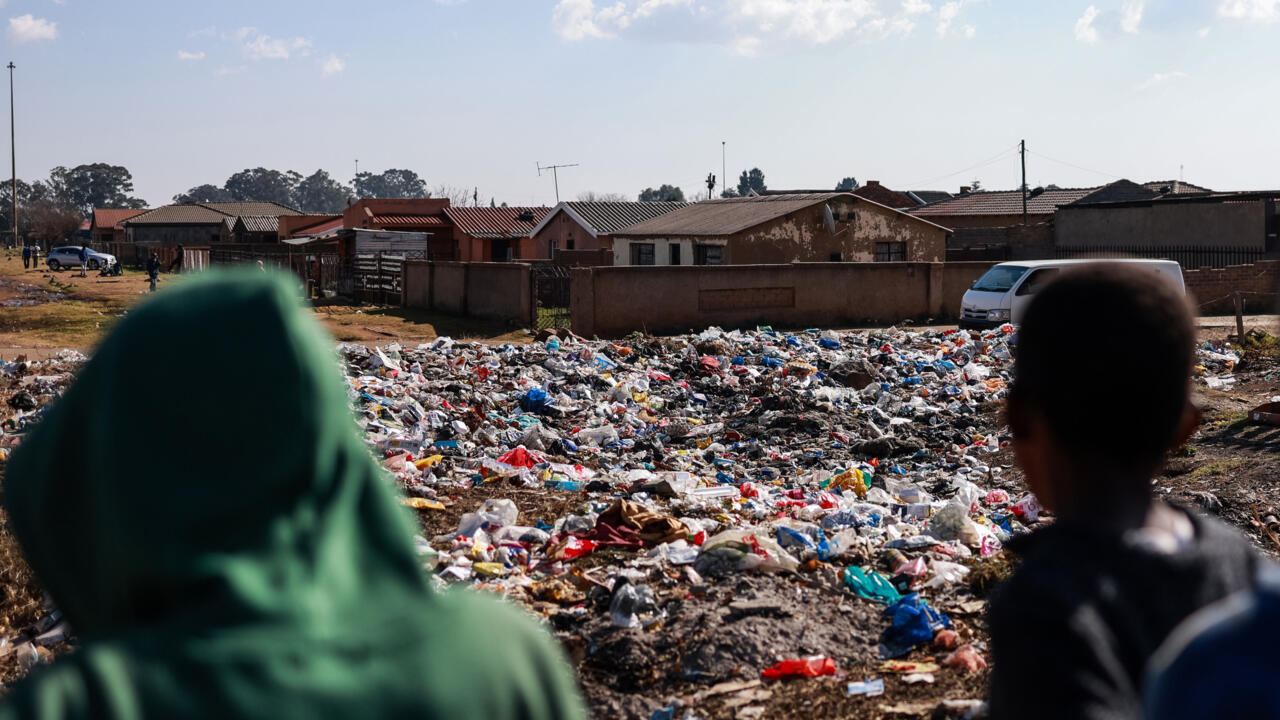
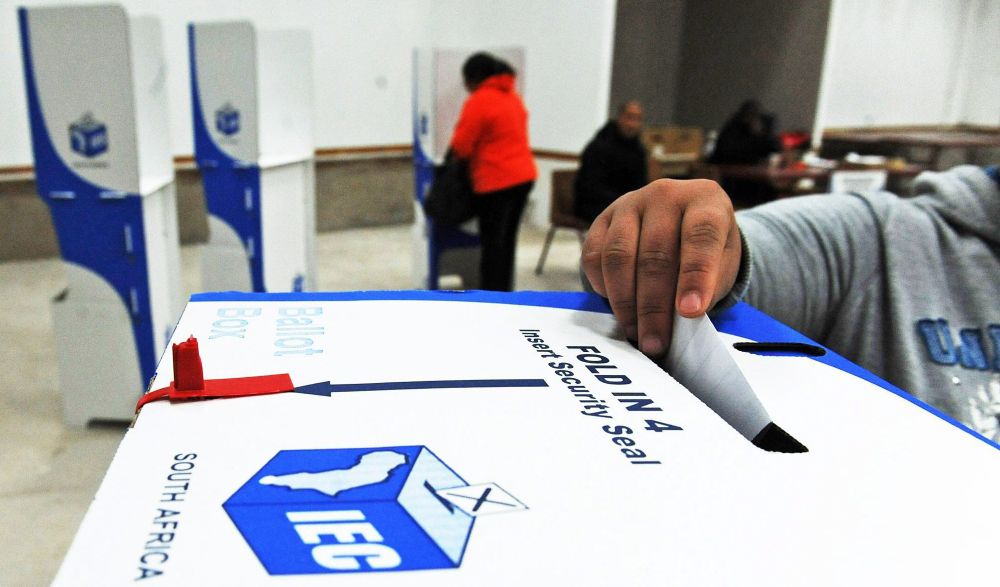
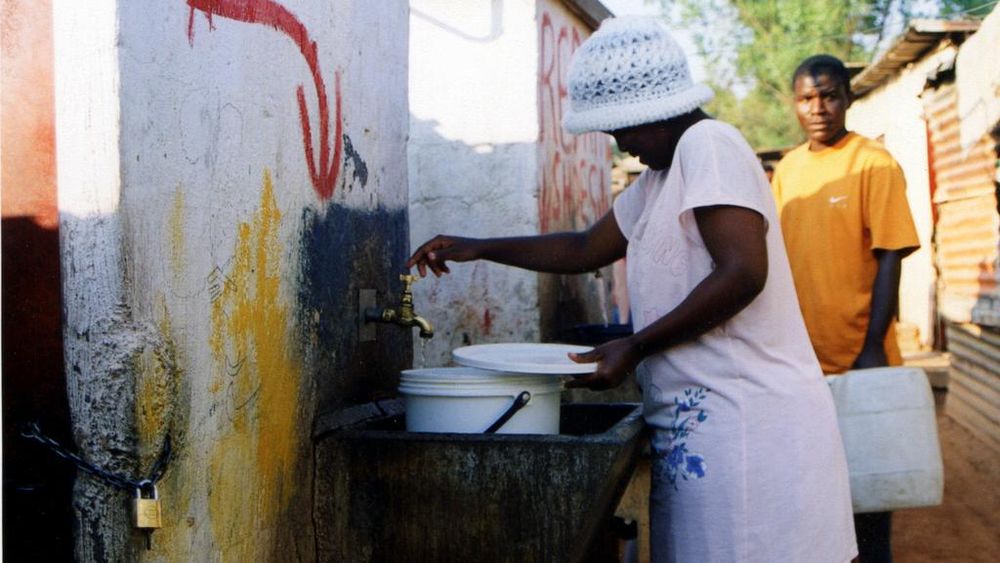
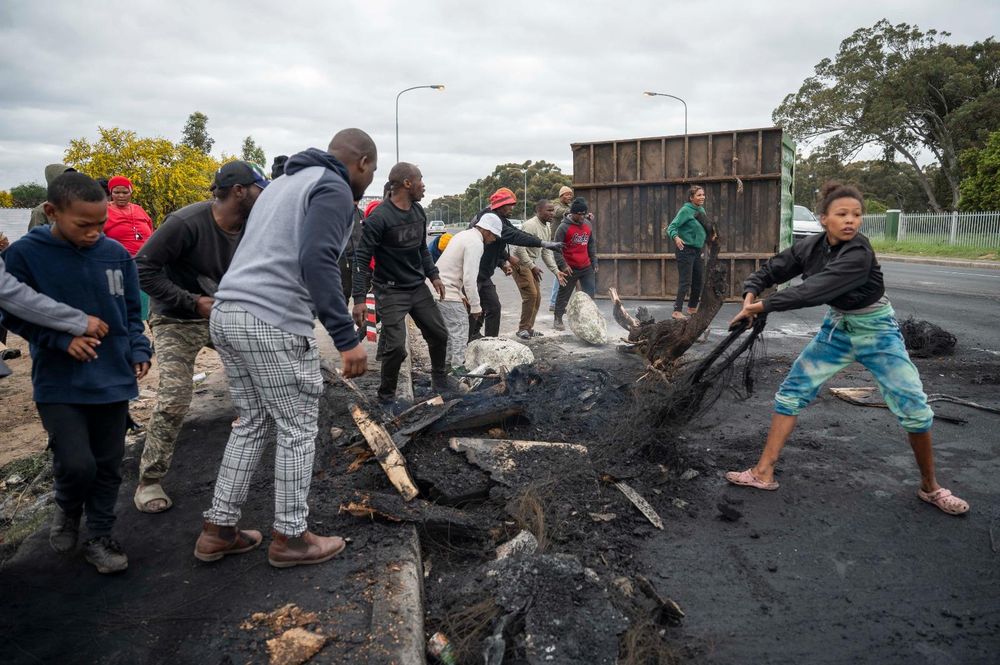
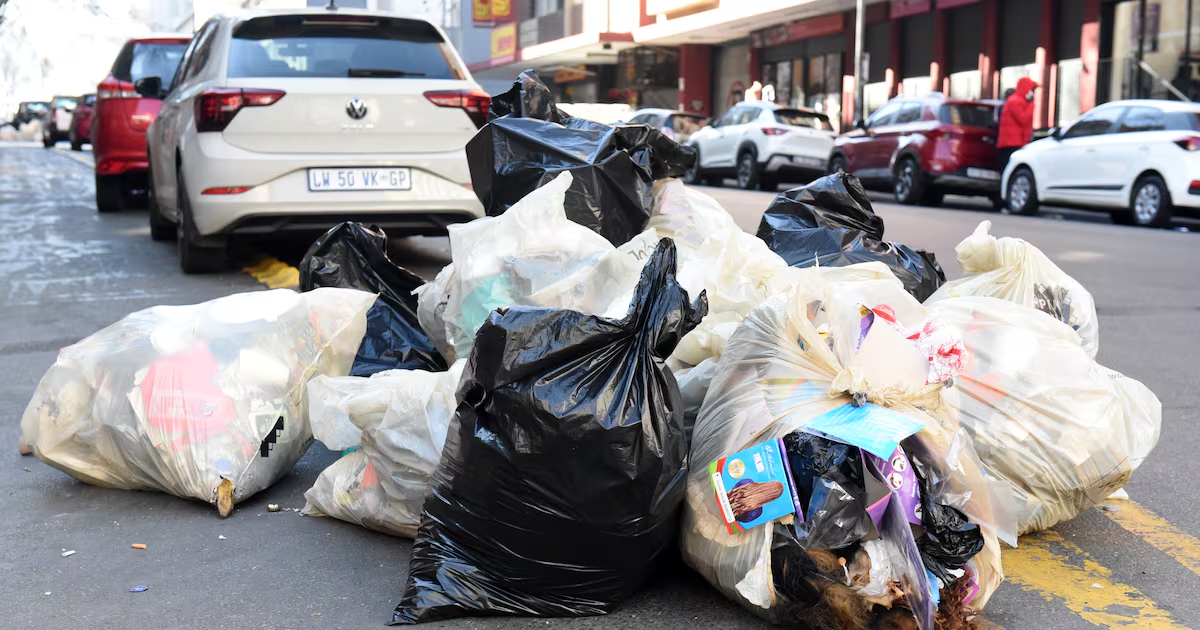
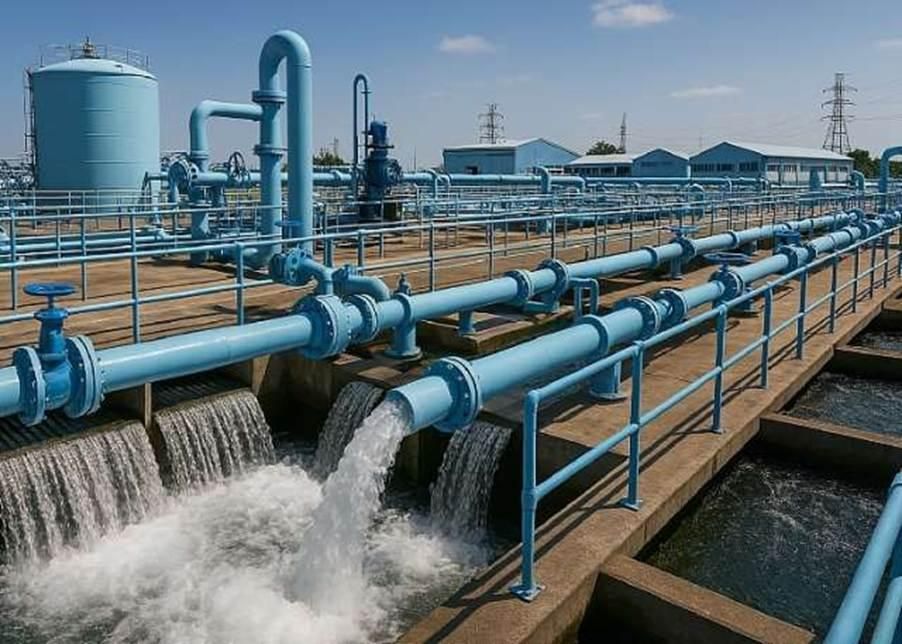
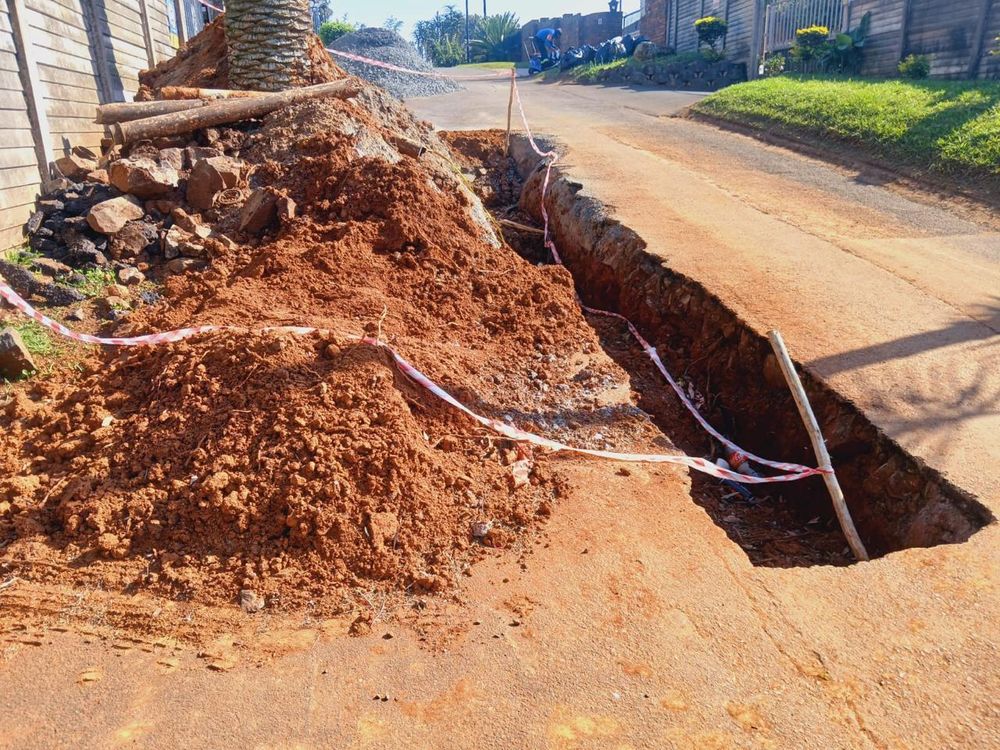
As South Africa approaches yet another pivotal municipal election in November, a stark reality looms over its democratic landscape: the ongoing service delivery crisis. Despite 32 years of democracy, residents across the nation continue to struggle with fundamental issues related to water, sanitation, electricity, and infrastructure.
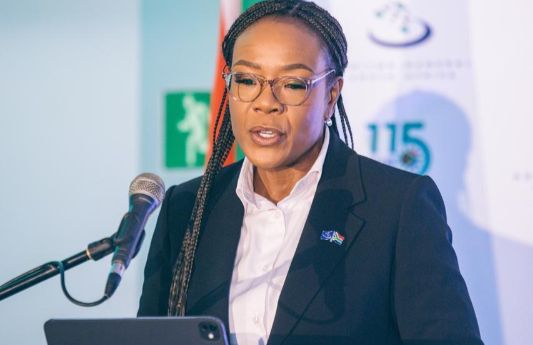
Dr Uduak Johnson, Academic Programme Leader at the MANCOSA School of Public Administration, speaks to the pressing need for political parties to focus on practical, achievable interventions in the lead-up to these elections. “Elections present a moment of accountability,” he argues, emphasising that candidates must not just promise better services but also clearly articulate how they will provide reliable, sustainable, and responsive governance for communities.
Statistical data from Stats SA’s upcoming 2025 General Household Survey provides a glimpse into the access improvements over the past two decades: access to improved sanitation rose from 61.7% in 2002 to 84.0% in 2025, while household connection to mains electricity increased from 76.7% to 90.6%. However, these statistics obscure a deeper malaise; municipalities are struggling to provide services that remain consistent and reliable.