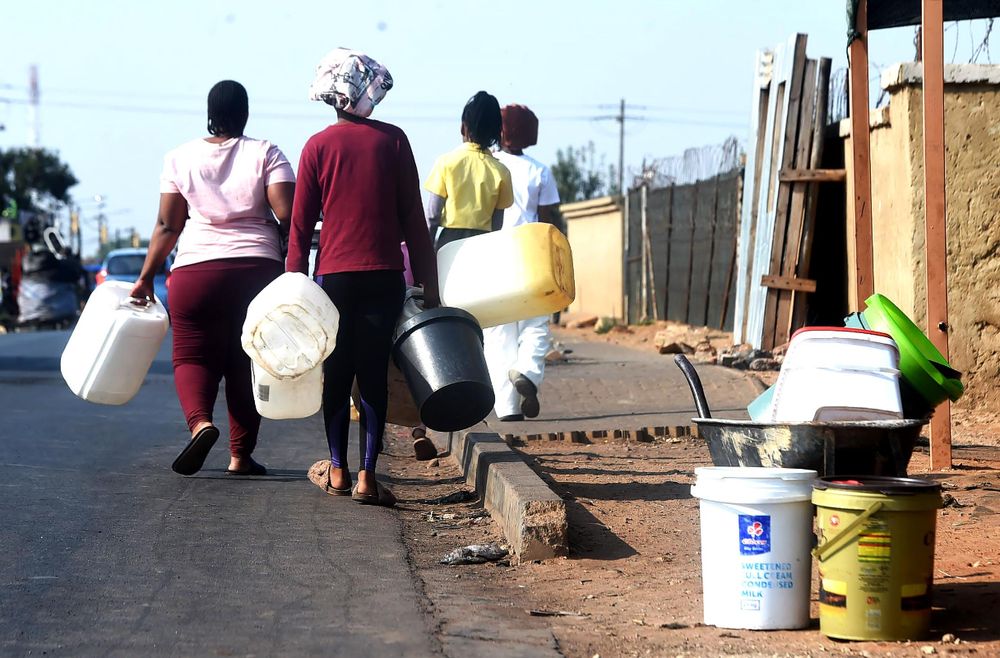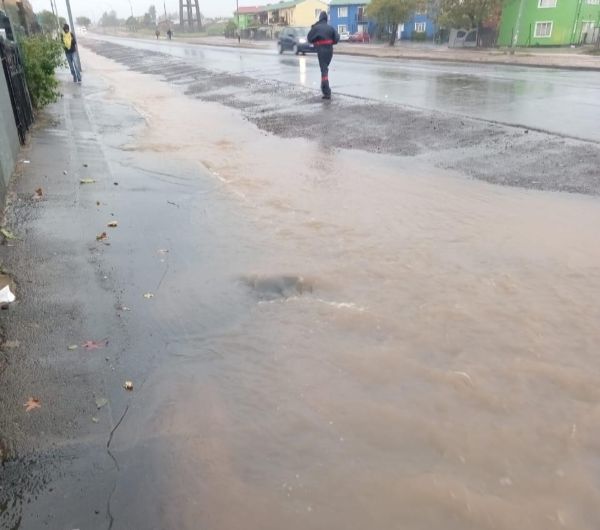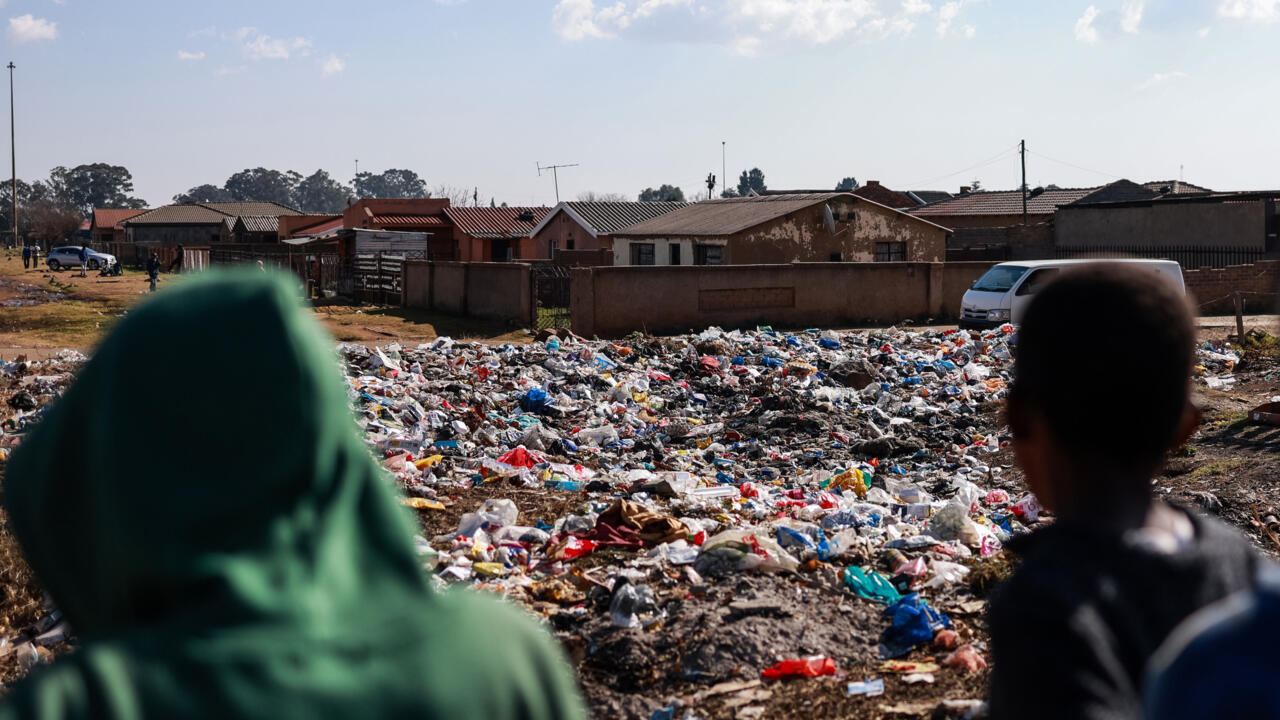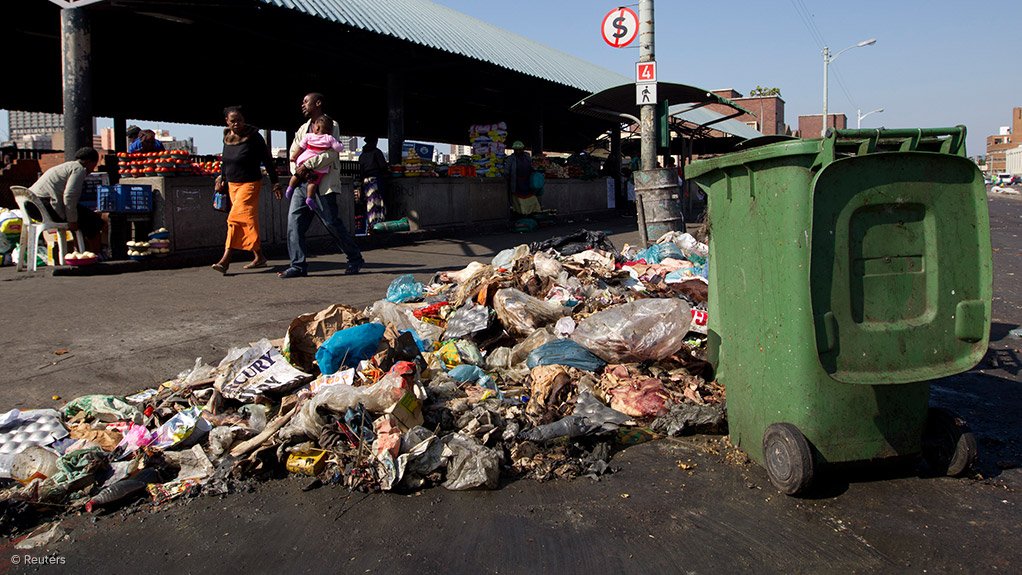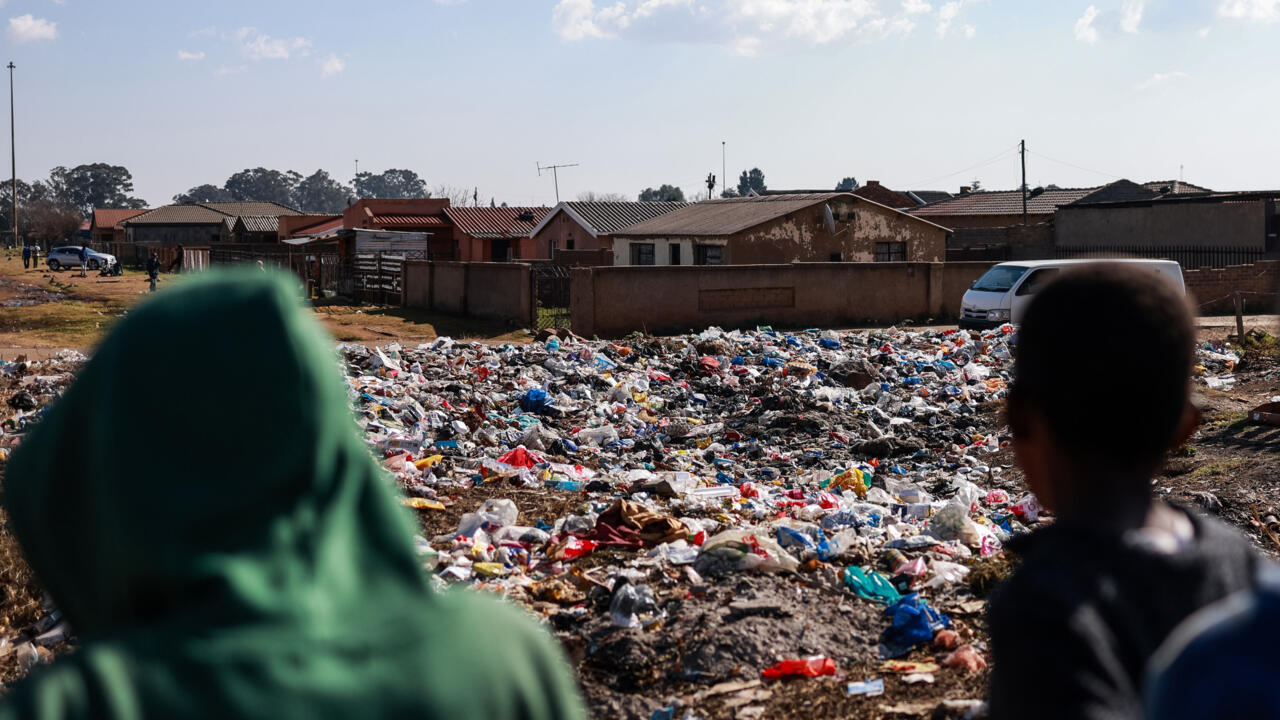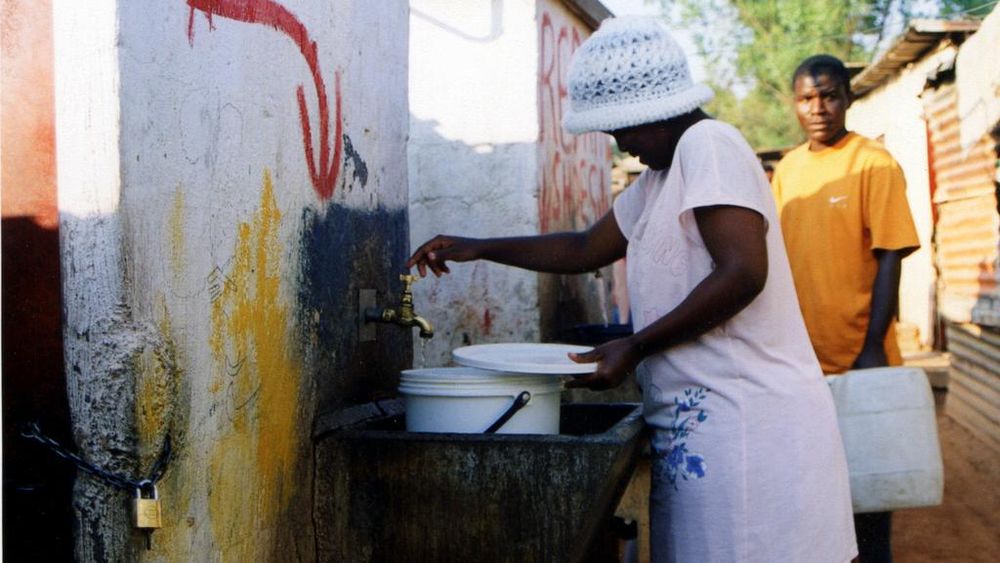
Millions more South Africans now receive municipal services than they did a generation ago, yet some communities continue to rely on infrastructure that many assumed had disappeared years ago.
The recent voter registration drive reminded Statistics South Africa of the upcoming local government elections in November 2026. A two-decade review of five financial indicators shows how municipalities fared at the time of previous elections.
One of the clearest changes over the past two decades has been the steady expansion of basic municipal services. As municipal budgets have grown, so too has the number of households receiving water, electricity, sanitation and refuse removal.
Municipal services continued to expand in 2023. Water services reached 15.8 million consumer units, up from 15.3 million a year earlier. Electricity connections increased from 12.9 million to 13.3 million, while sewerage and sanitation services grew from 13.5 million to almost 14 million. Refuse removal recorded the strongest growth, rising from 11.2 million to 11.8 million consumer units.
The figures reflect South Africa's growing population and continued urbanisation, but they also illustrate the increasing pressure on municipalities. Councils are expected not only to maintain ageing infrastructure but also to extend services to new housing developments, informal settlements and expanding urban areas while coping with rising operating costs.