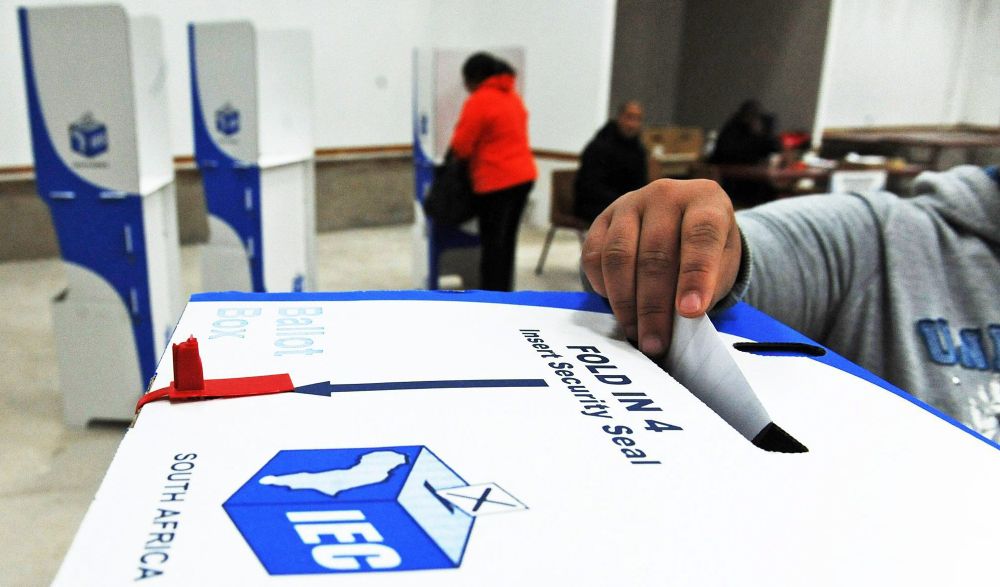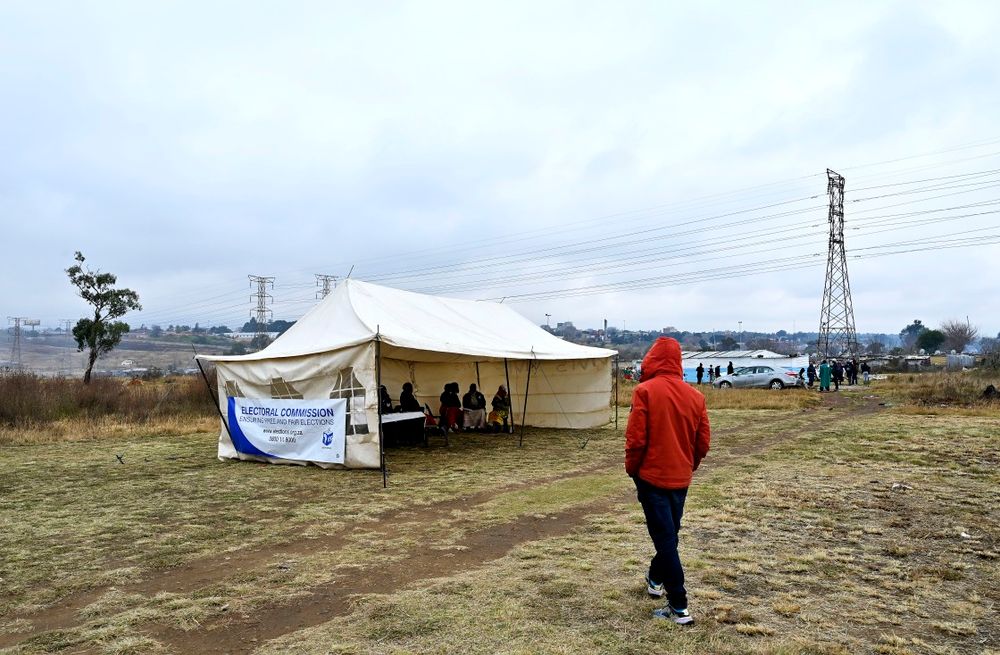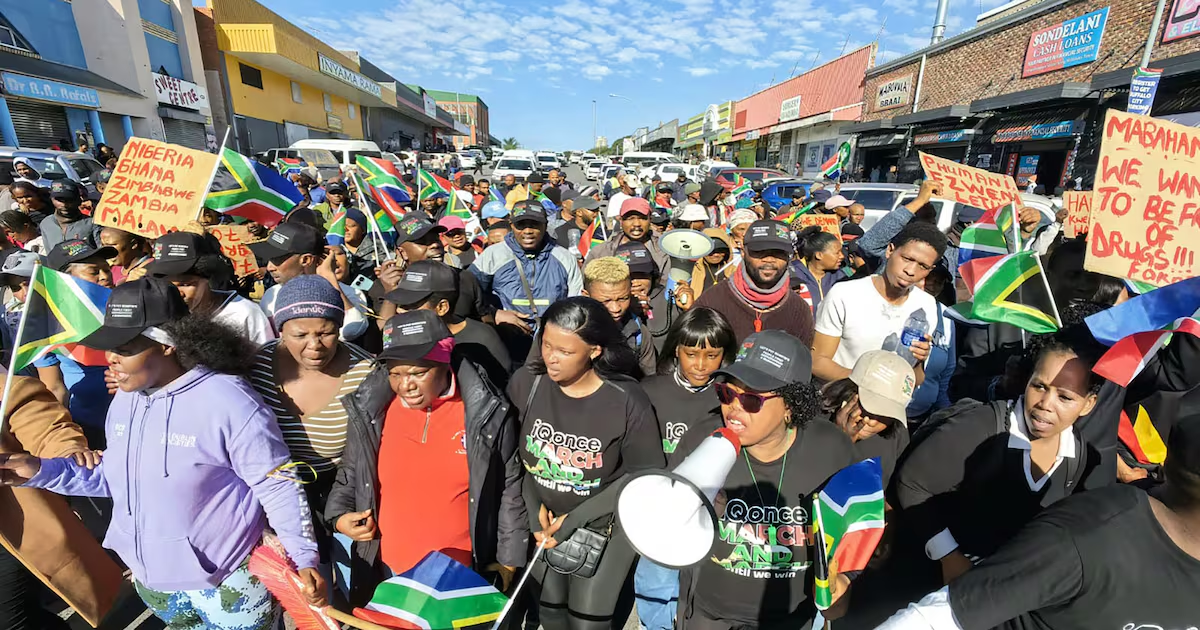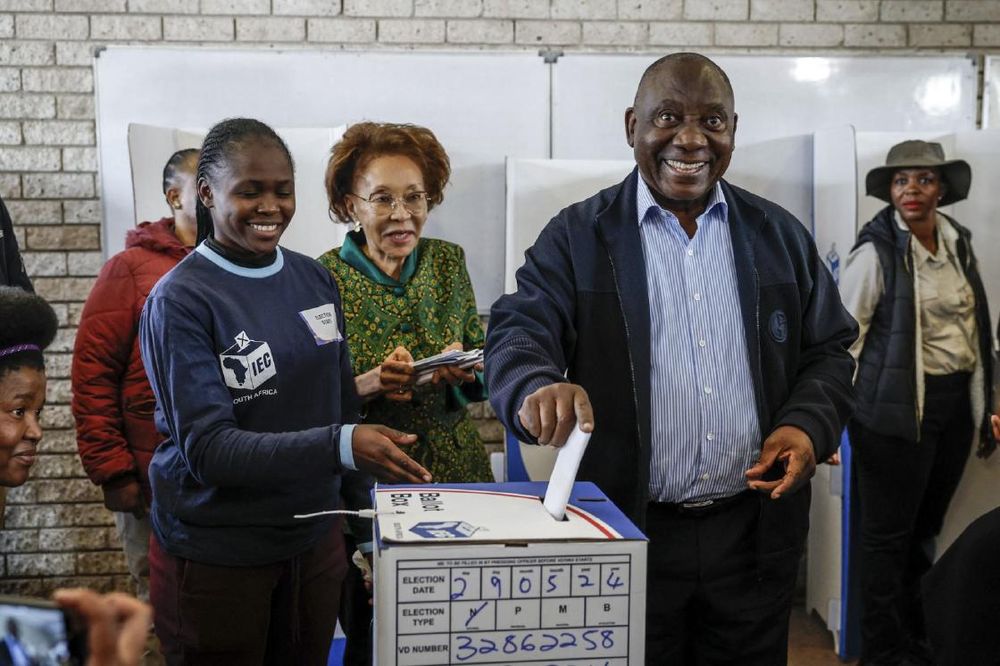
It is important for political parties to understand the mood of the country ahead of the local government elections before deciding on their election pitch. The Indlulamithi 2035 Barometer & Perception Survey, due for release on Friday, captures the scenario South Africa is trending towards. It comes soon after the Edelman Trust Barometer, which speaks of three concentric rings: of polarisation (country is divided and the divisions are fixed), grievance (belief that the system is rigged) and, at the core, “insularity”, where there is a reluctance to trust anyone unlike oneself. South Africa sits close to the global average on the insularity measure (68 ― note Edelman’s uses an index, not percentages), showing that this is not a uniquely South African pathology. Where South Africa does diverge is in the institutional trust story. Trust in “my employer” at 80 and business at 76 is comfortably positive, while trust in NGOs (65) and media (50) is in neutral territory. However, trust in government has fallen to 33, down a further three points from the previous year and one of the lower government scores in the 28-country sample. Edelman describes this as a “from we to me” global narrative where people report losing trust in national government leaders (minus 16 net) and major news organisations (minus 11), while gaining trust in neighbours, family, friends and coworkers (+11 each). South Africans have thus lost faith in institutions generally while extending real trust to the people and organisations that have the most impact on their daily lives. The three Indlulamithi 2035 scenarios, released in 2023, comprise the Hadeda Home, marked by economic stagnation, social squabbling and political blame-shifting; the Vulture Culture of renewed state capture, rising populism and economic collapse; and the Weaver Work of a capable state collaborating with civil society and activist business. The 2026 barometer delivers an unambiguous empirical verdict, based on 215 indicators: Hadeda Home is the country’s dominant, present-day reality, accounting for 80% of the weighted indicator score, against the 16% dystopian Vulture Culture and only 4% of the more positive Weaver Work. The Indlulamithi Perception Survey of 5,768 South Africans conducted in April–May 2026 asked a representative sample (weighted by gender, province and population group; 83% under 40; 55% earning under R6,400 a month) to rate the past 12 months and project the next 12. In the past year opinion splits almost evenly: 31% say the country moved in the right direction, 33% say the wrong direction and 36% say “some things right, others wrong”. On the economy specifically, pessimism is clearer: 45% say it is getting worse against 34% who see improvement. On “state capacity and accountability” the public is almost evenly split between improving and worsening (about 38% each). The latter is plausibly a sign that visible accountability moments, such as the Madlanga commission, are an example of the system self-correcting. But the item that most closely mirrors Edelman’s grievance framework is the “sense of nation” question, which asked people to characterise the country’s prevailing mood. Only 18% in Indlulamithi’s survey chose “co-operation, reconciliation and collective action”. A third (32%) chose “resentment, revolution and resistance to change”, very much like Edelman’s “grievance”. And a full 50% chose “anger, violence and organised criminality”, echoing Edelman’s point about insularity and grievance.Asked which scenario they expect to emerge by March 2027, 52% chose Vulture Culture, 32% chose Weaver Work, and only 16% chose Hadeda Home (the present scenario). Almost no-one thus expects the status quo to simply continue: the public has largely abandoned “stagnation” as a plausible future and instead polarised toward the two extremes: decline or renewal. Elections are intense events, either distilling the mood and moment or perhaps laying the basis for a new trajectory. Thus, when we exercise our choice at the November 4 local government elections we must be aware of what the choice could mean for the future of our locality and of our country. • Abba Omar is director of operations at the Mapungubwe Institute for Strategic Reflection.Business Day
YACOOB ABBA OMAR | Polls crucial pivot for shaping SA’s future direction, survey shows
Most citizens feel anger and grievance dominate the national mood, with little belief in the status quo persisting
666 words~3 min read