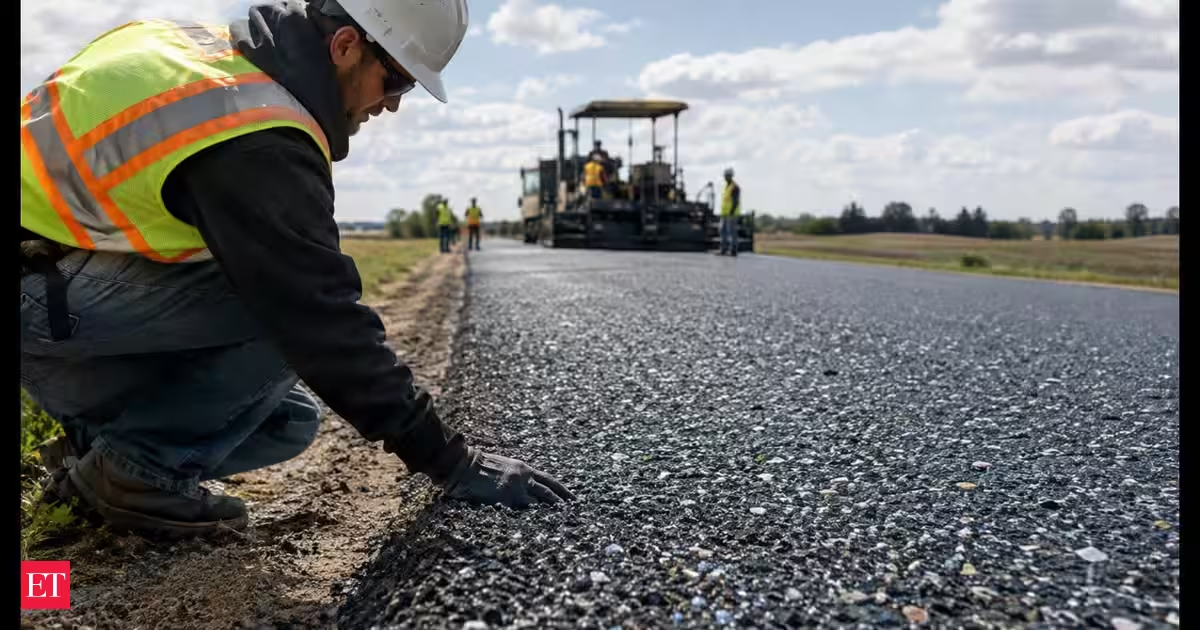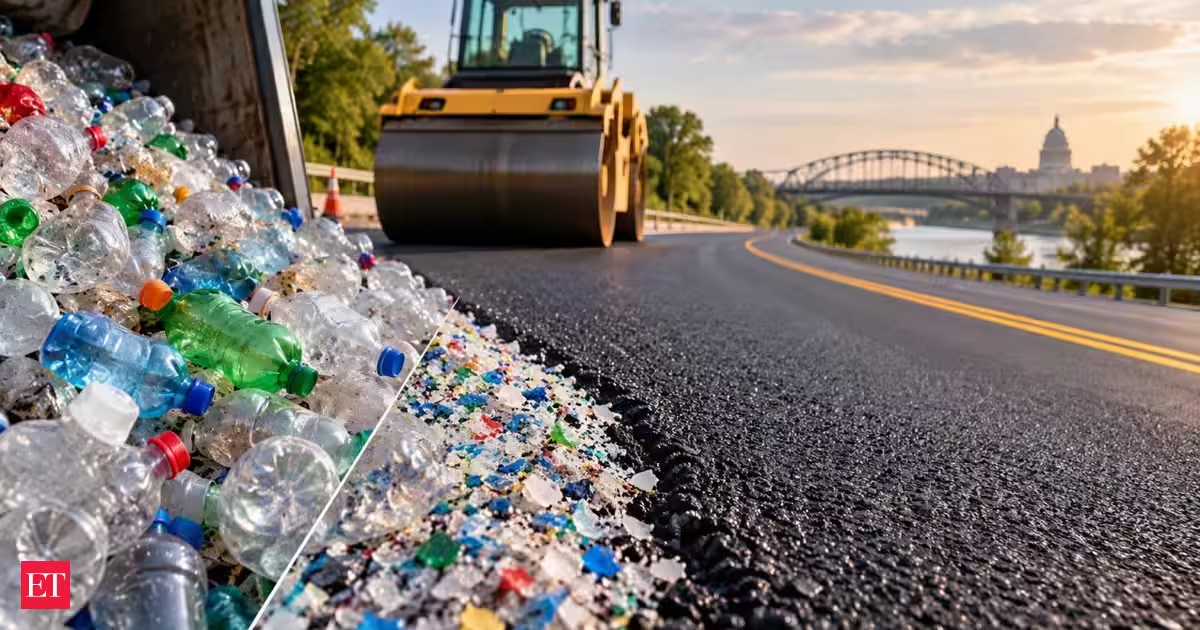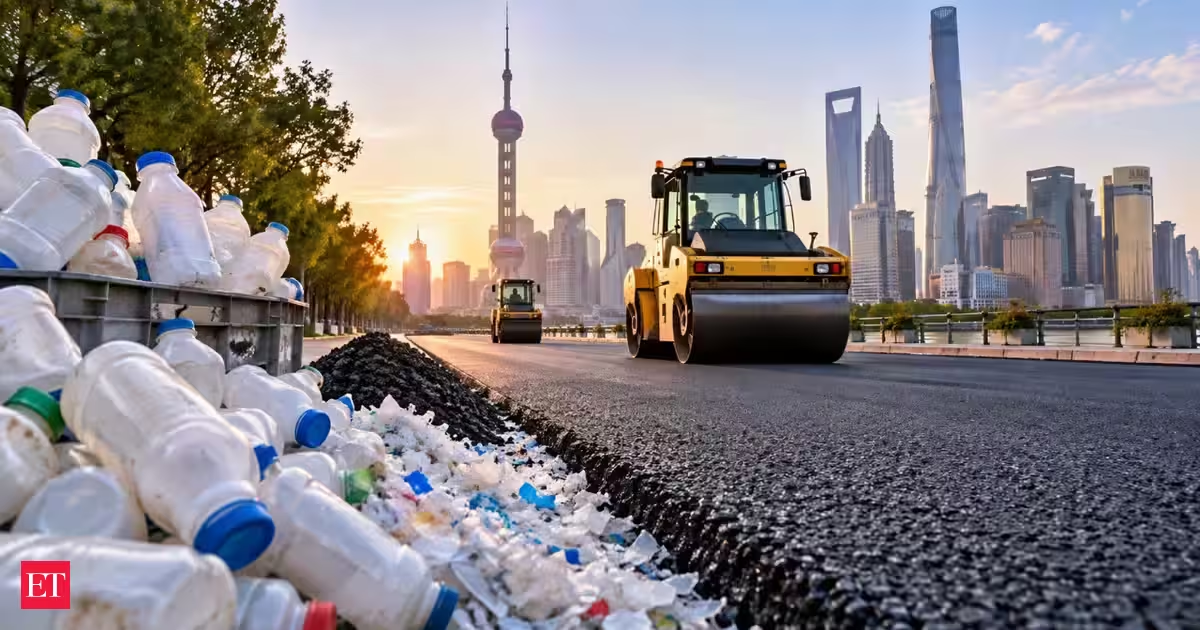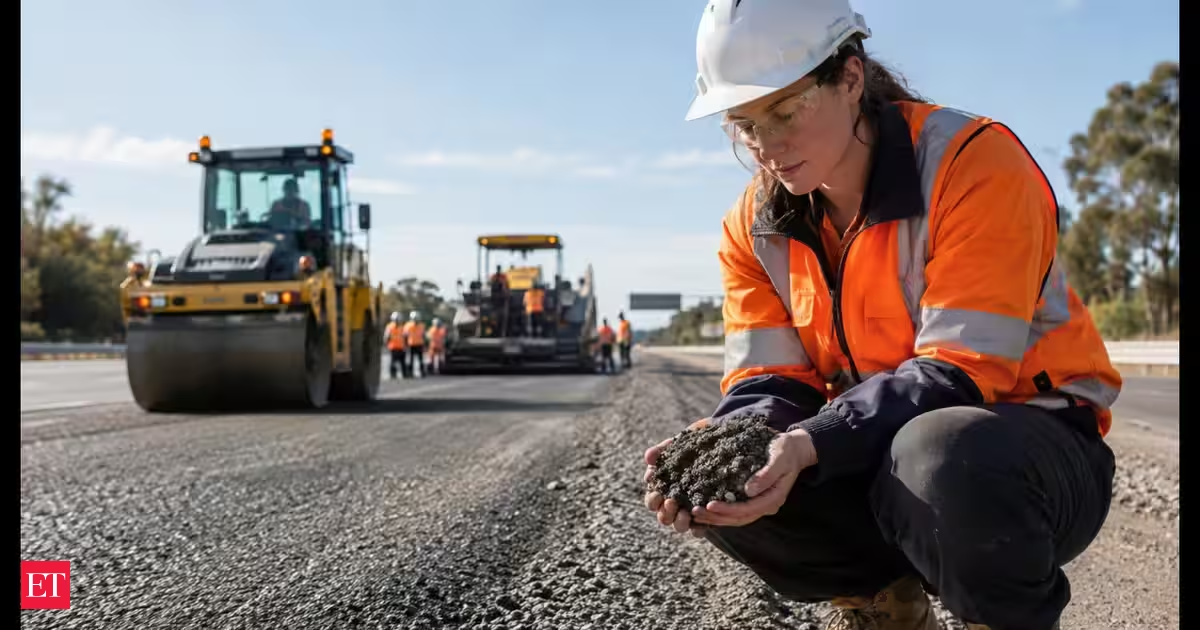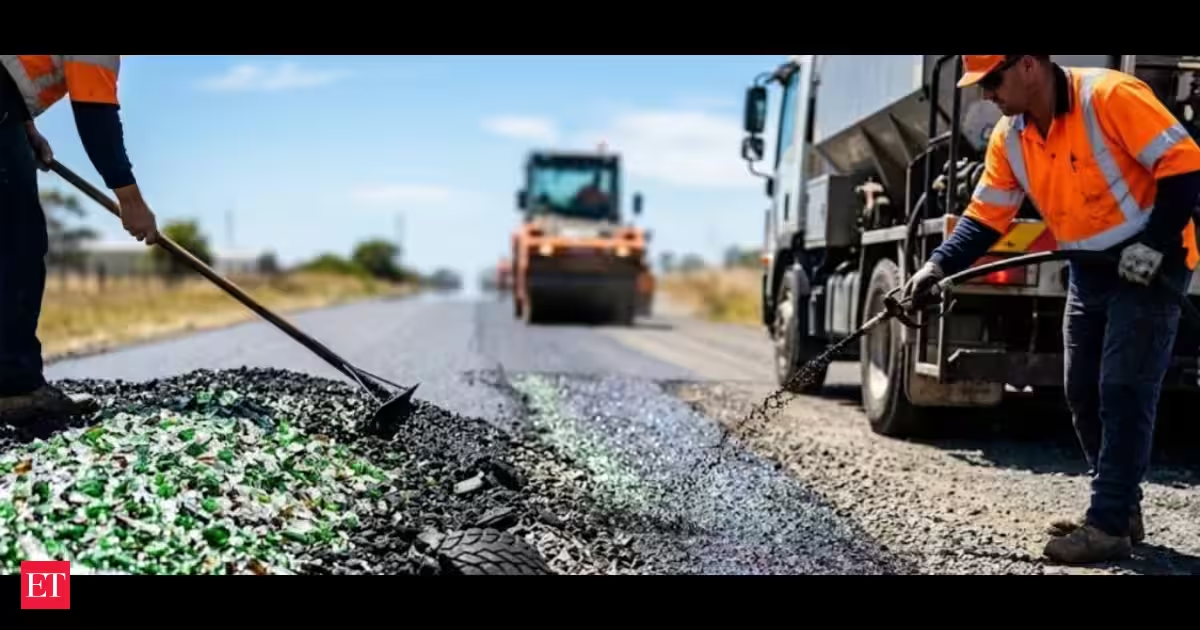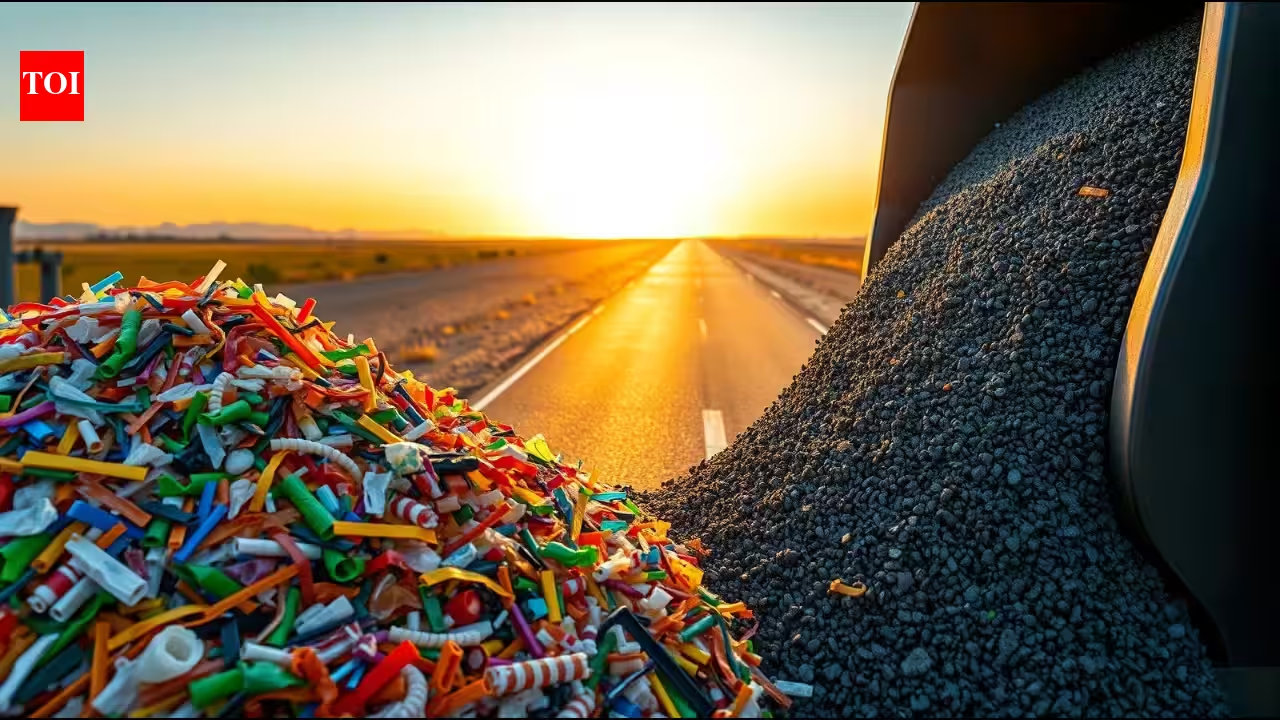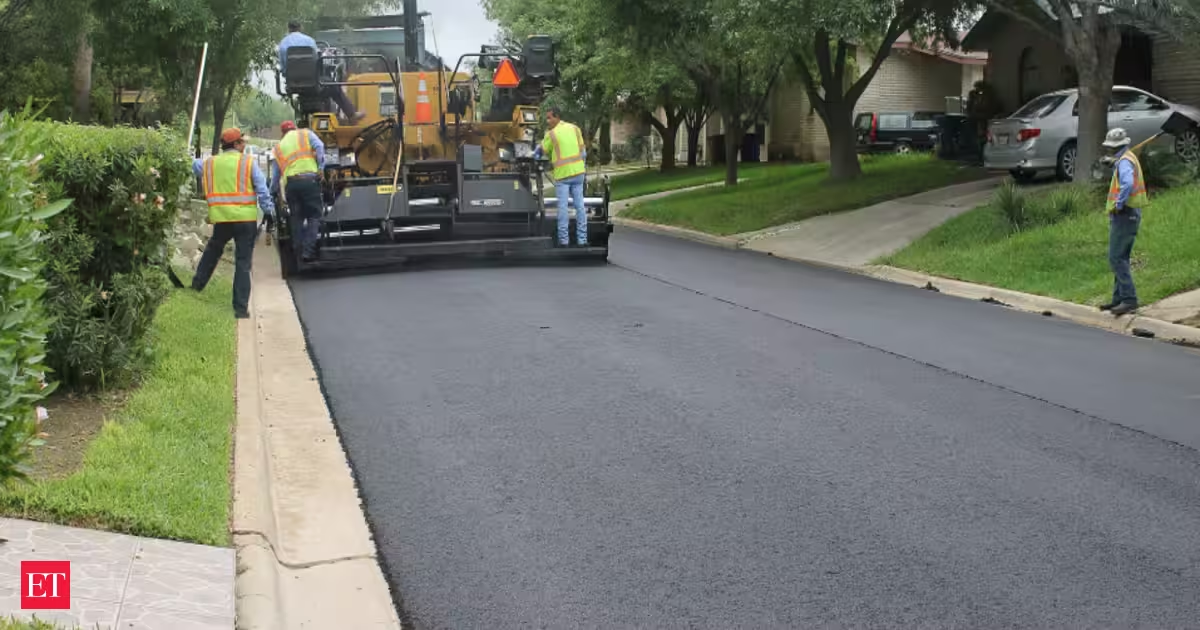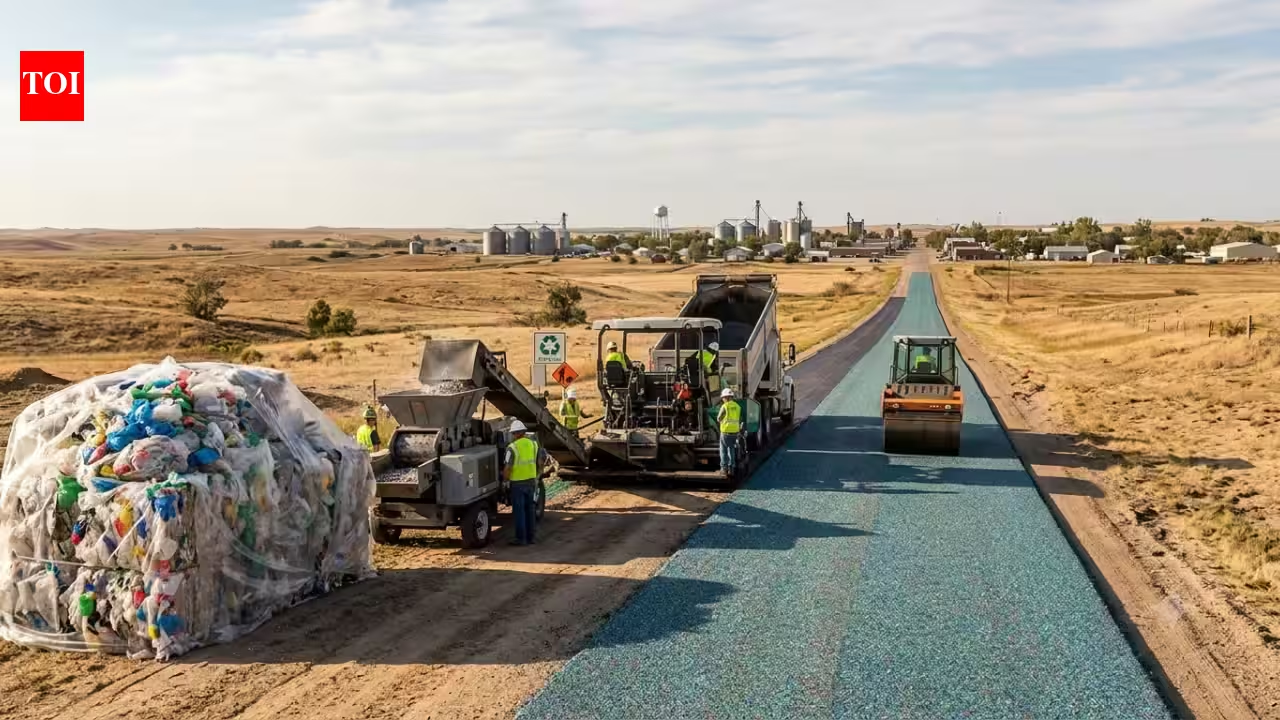
A road in South Sioux City, Nebraska, looks much like any other stretch of asphalt from behind the wheel. Beneath its surface, though, is material that would normally have had a very different fate. In June 2025, crews paved about 4,000 feet of Foundry Road using an asphalt mixture containing shredded plastic bags. Roughly two million bags were processed for the project, turning lightweight waste into part of a working road. The experiment is Nebraska’s first of its kind and is being watched as a practical test of whether discarded plastic can find a useful place in infrastructure. For now, the pavement is doing something ordinary: carrying traffic while an unusual idea is put to the test.A 4,000-foot road section becomes Nebraska’s first plastic-bag pavementAccording to Nebraska Public Media, construction crews laid the material on Foundry Road in June 2025. Shredded plastic bags were incorporated into the asphalt mixture alongside conventional road-building materials before the paving work began.For anyone driving over the completed stretch, there is no obvious visual difference. The plastic is not sitting on the surface or forming a separate layer. It has been processed and incorporated into the paving material.The project covered roughly 4,000 feet of road, making it a relatively small-scale test rather than a citywide change to road construction. Its purpose was to put the approach into practice and provide an opportunity to see how the resulting pavement performs.Turning discarded bags into road materialPlastic shopping and carrier bags can be awkward to recycle through ordinary systems. They are lightweight, easily blown away and can become mixed with other waste. In South Sioux City, the project offered a different destination for some of that material.About two million recycled bags were shredded for the road. Once processed, the plastic became part of the asphalt mixture rather than remaining as loose waste. South Sioux City worked with the University of Nebraska–Lincoln, Dow Chemical Company, Jebro Waste Management, Barkley Asphalt, First Star Recycling and Goodwill of the Great Plains. A grant from the Nebraska Environmental Trust also helped fund the demonstration.The experiment moved from an overseas idea to a Nebraska roadSouth Sioux City City Administrator Lance Hedquist became involved with the project after looking at road-building experiments. Rather than treating those projects simply as something to observe, city officials began considering whether a similar approach could be tested locally. The result was a working section of Foundry Road where the material could be evaluated under ordinary conditions.According to Nebraska Public Media, Hedquist said, "We were watching some innovations that were taking place worldwide and what was happening in other countries was very beneficial.""We're making a good use out of products that are just tossed away and blowing in the environment. So we're using plastic bags in a positive way."The road offers plastic bags a second life inside the pavementThe Foundry Road project also reflects a broader problem with materials that are difficult to keep within conventional recycling systems. A plastic bag may be used for only a short time, but the material itself does not disappear when the shopping is finished.South Sioux City's approach shifts the question from how to dispose of the bags to whether some of them can become an input for infrastructure instead. In this case, the proposed destination was asphalt.The project does not mean millions of plastic bags can simply be added to every road. The material has to be collected, processed and incorporated into a suitable asphalt mix, and the resulting pavement still needs to prove itself over time.
For years, plastic bags were treated as waste; then one Nebraska city tried turning 2 million of them into a road
A road in South Sioux City, Nebraska, looks much like any other stretch of asphalt from behind the wheel. Beneath its surface, though, is material that would normally have had a very different fate.
585 words~3 min read