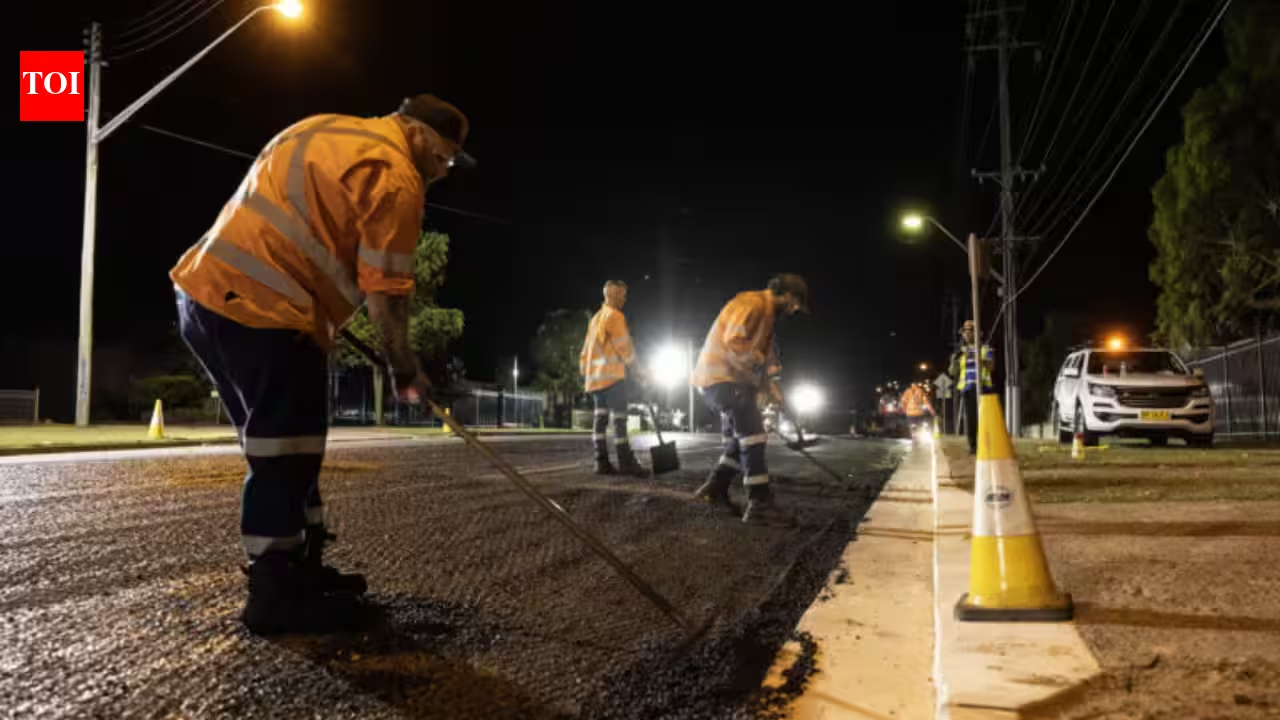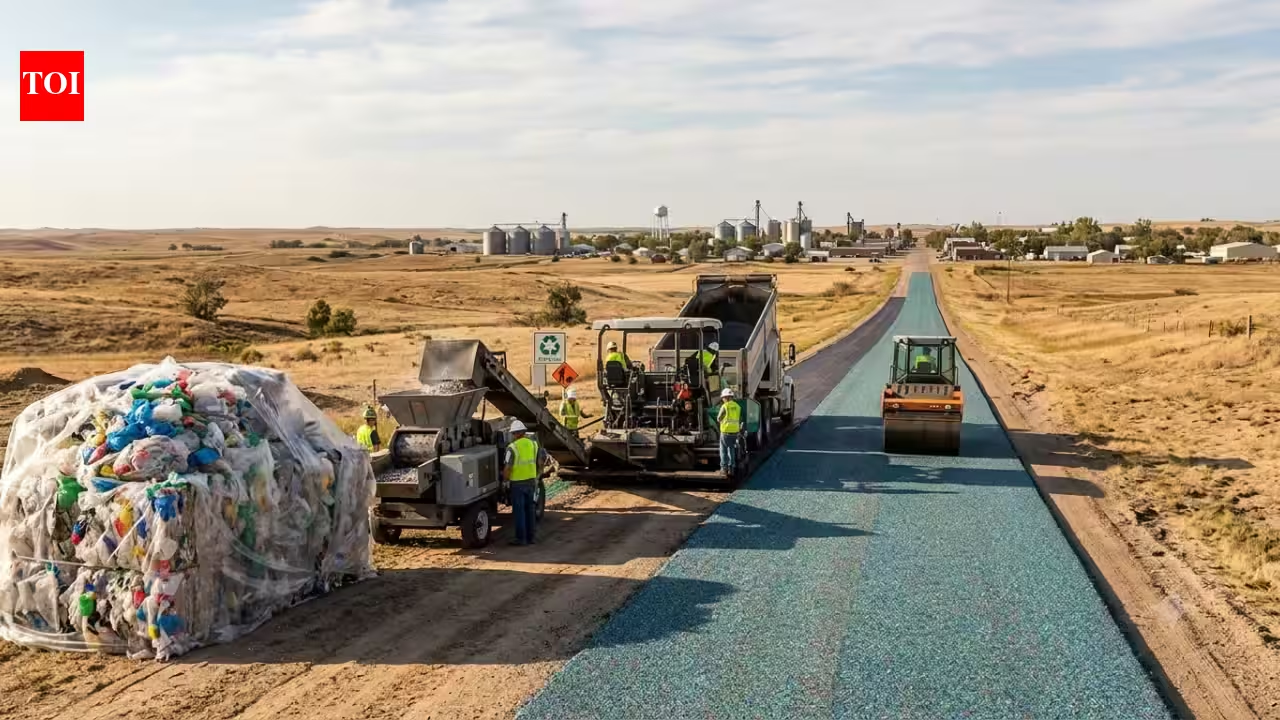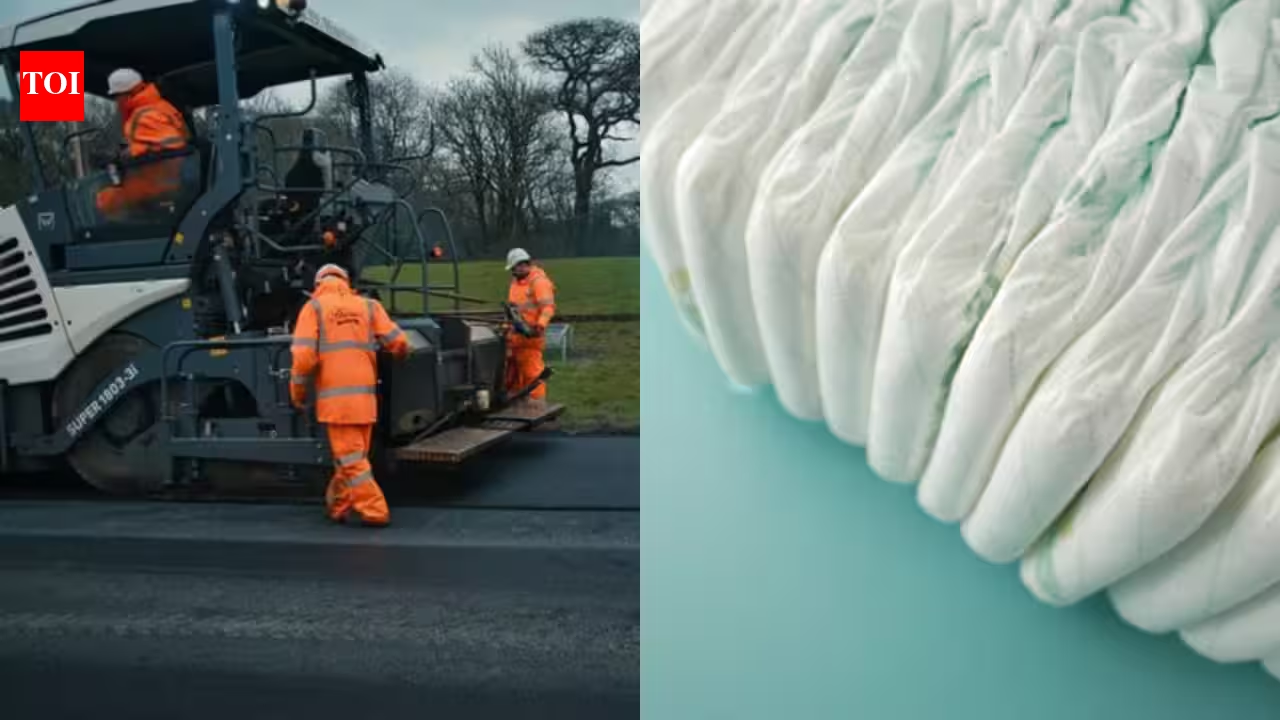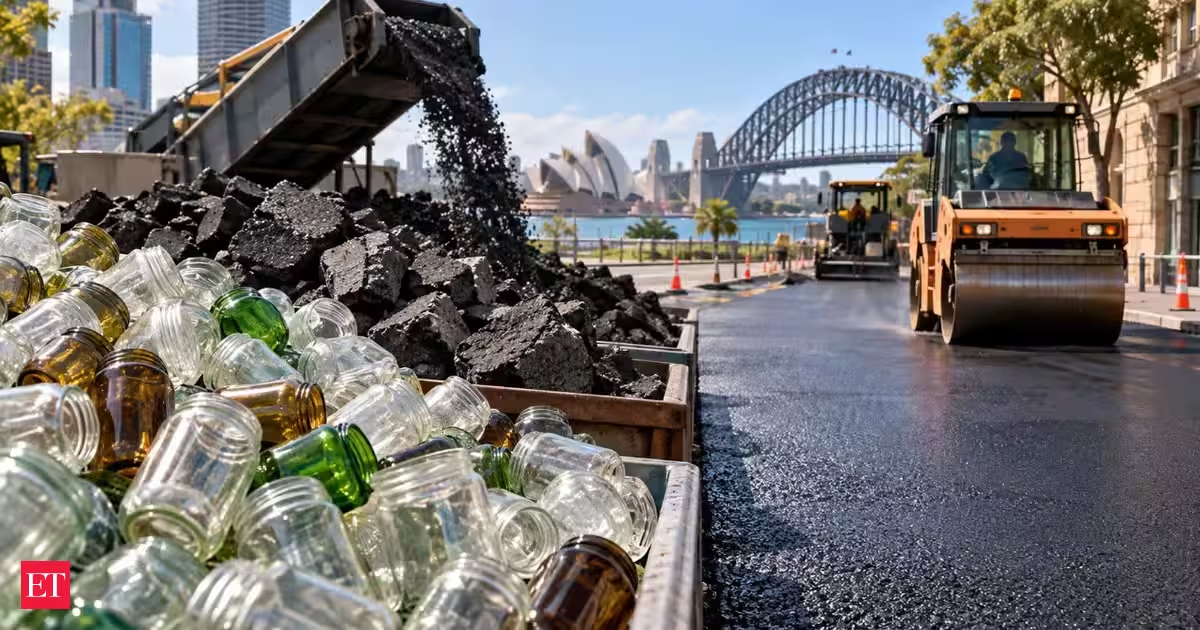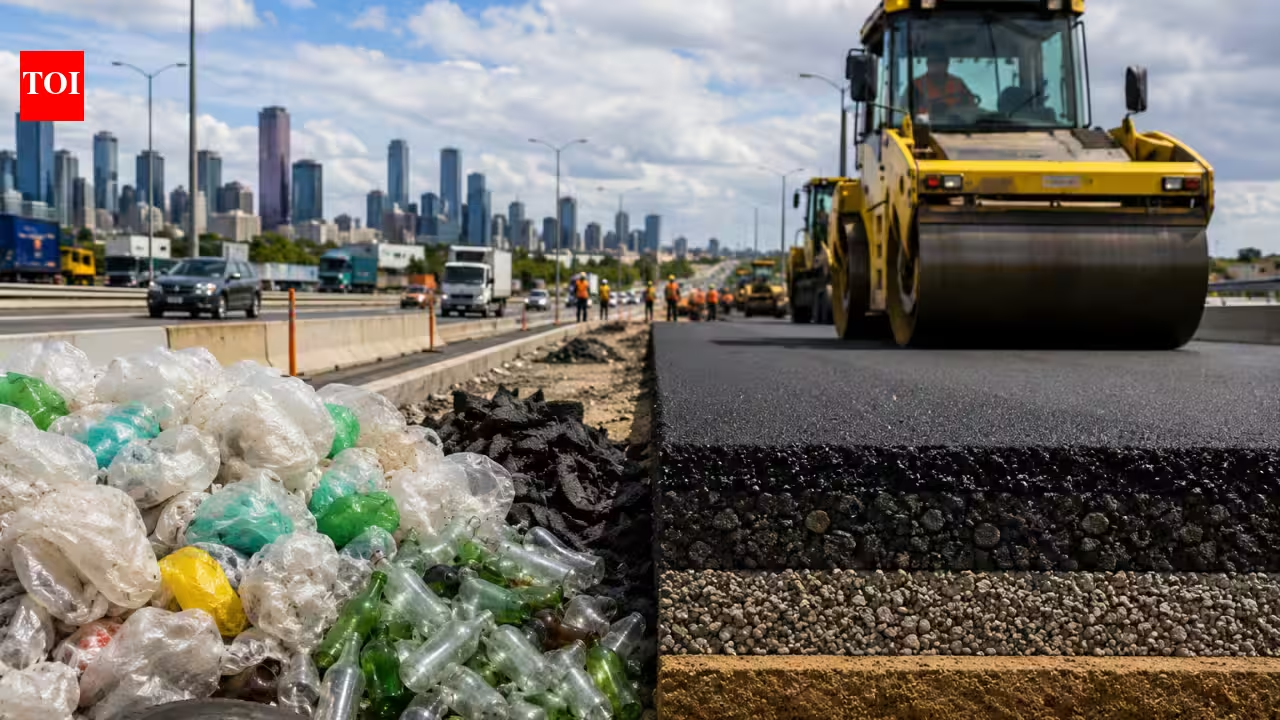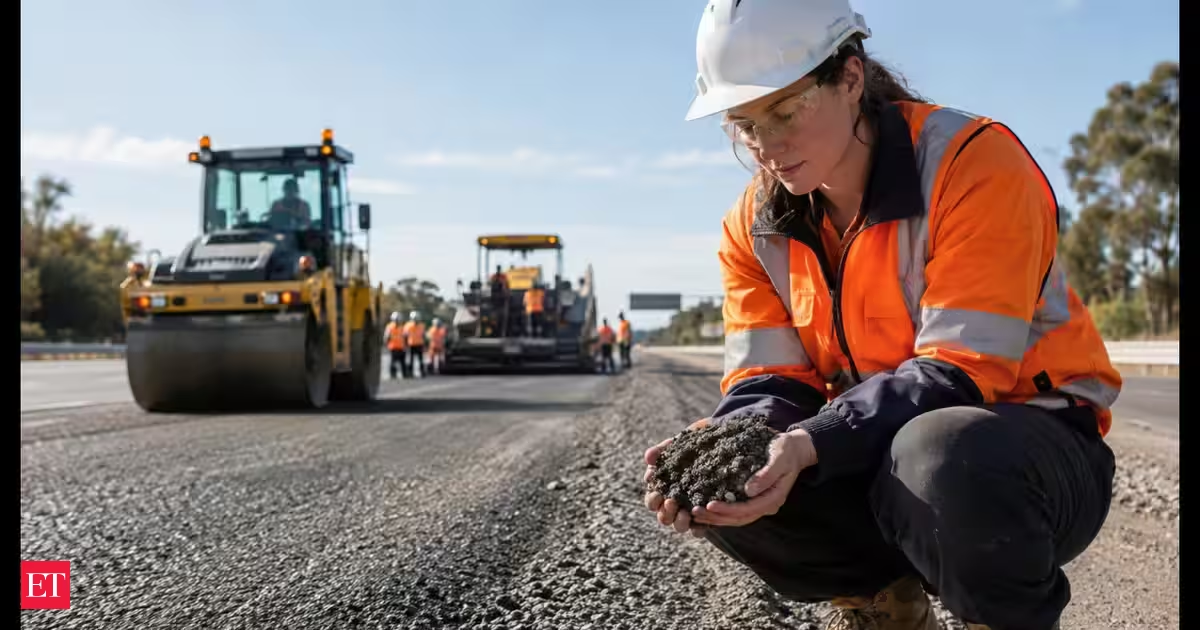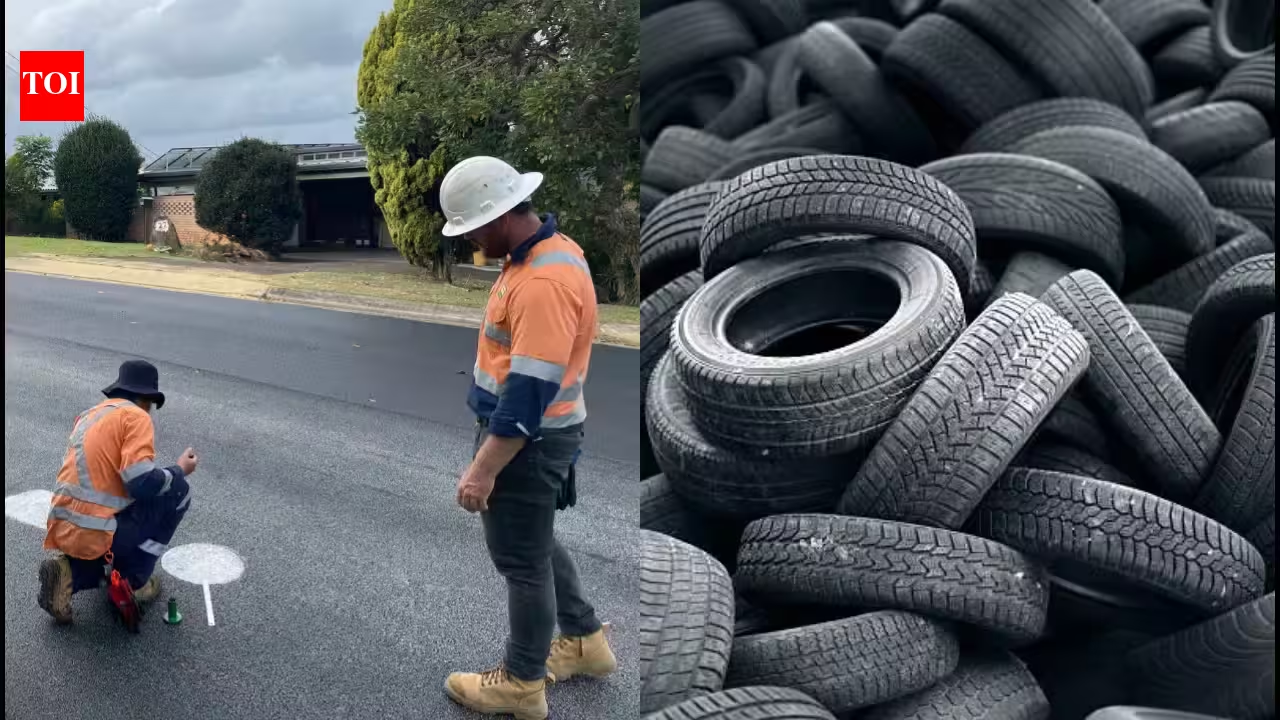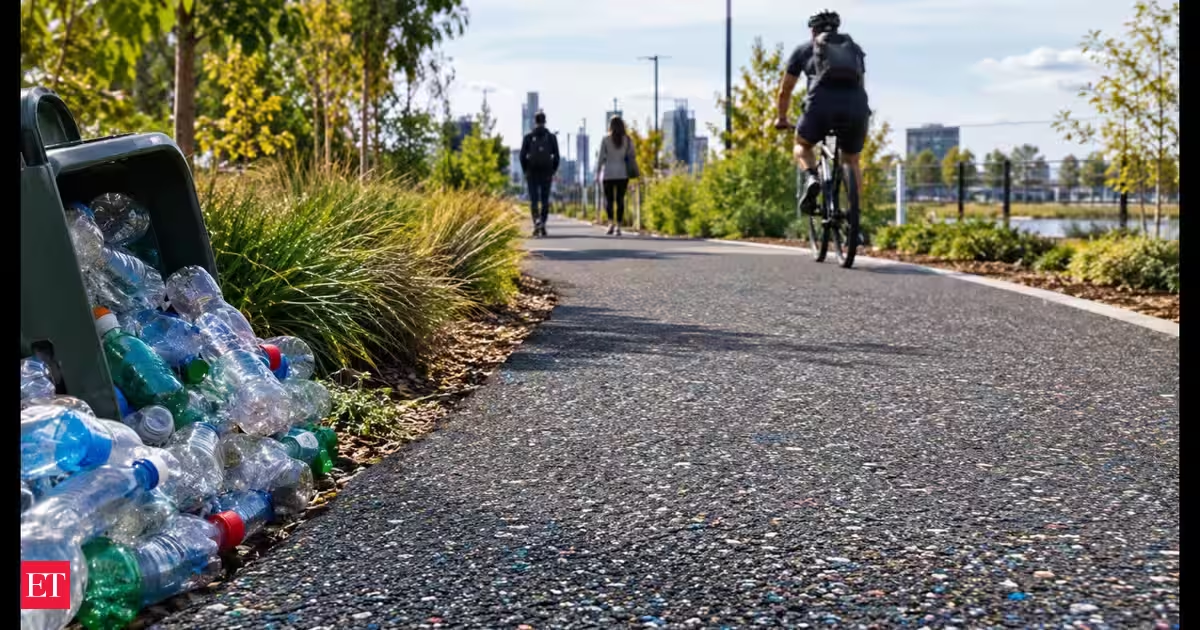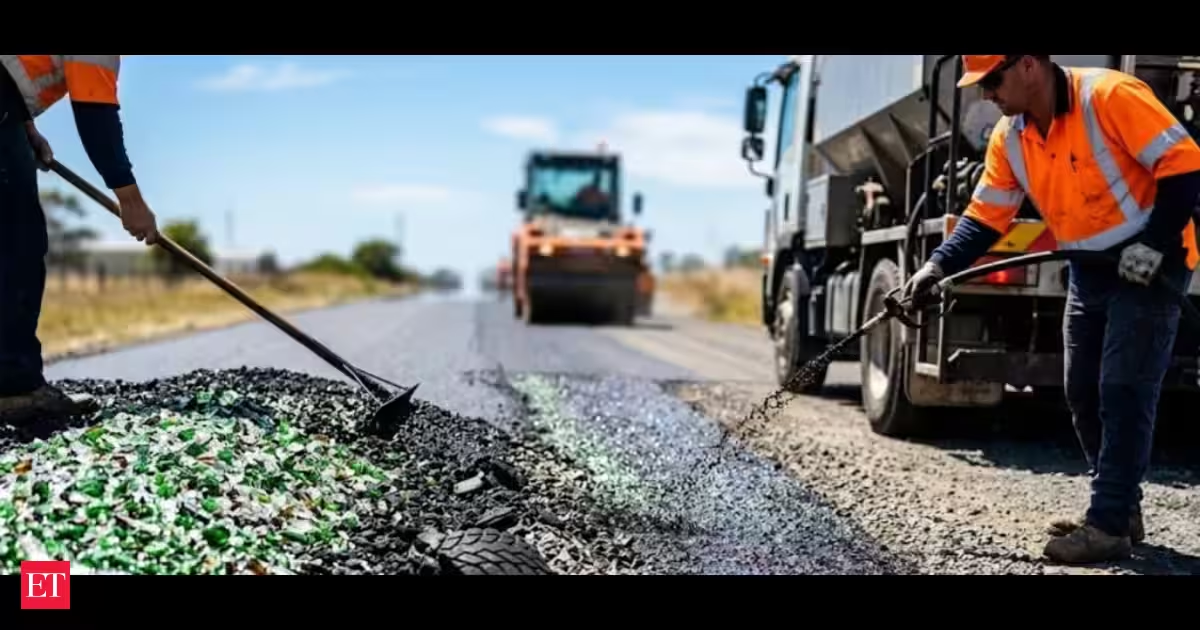
A road can hide a surprisingly large amount of waste beneath its surface. In Geelong, Victoria, material that might once have been treated as rubbish—including used engine oil, discarded glass bottles, old asphalt and truck tires—has been redirected into routine infrastructure work, giving the city a practical way to connect waste reduction with road maintenance.One of the more unusual examples involved 6,790 litres of recycled engine oil used by City of Greater Geelong works crews in the year leading up to September 2023. Rather than becoming a disposal problem, the oil was applied as an aggregate precoat during road resurfacing, helping bitumen bond more effectively with crushed stone and form a durable road seal.The process is more specific than simply adding waste oil to asphalt. Aggregate precoat involves treating the crushed stone before the bitumen is applied. The oil helps the binder adhere to the stone, an important step in producing a road surface capable of withstanding repeated traffic and weather exposure. In this application, a material that would otherwise require careful management because of its environmental risks was given a controlled role in infrastructure construction.Geelong Turns Recycled Glass, Asphalt and Tires Into Road MaterialsThe engine-oil project was only one part of Geelong's broader attempt to make road building more circular. Over the same period, council projects incorporated more than 2.4 million recycled glass bottles as a substitute for conventional construction sand, while 7,151 tonnes of reclaimed asphalt were put back into road-related work.Discarded tires entered the process in another form. Crumbed rubber made from 1,483 truck tires was incorporated into sealing work covering 24 kilometres of rural roads. The different materials were not being treated as interchangeable waste; each was processed for a particular construction purpose, depending on the properties it could bring to a road project.That distinction helps explain why the approach matters. Recycling a material does not necessarily mean putting it back into the same product from which it came. Old asphalt, for example, can be crushed, milled and screened to create reclaimed asphalt pavement that can then be used in new construction. Geelong has previously used recovered asphalt on shared paths, laneways, road shoulders and hardstand areas.Why Recycled Materials Are Being Used in Road ConstructionGlass follows a different route. Once bottles are collected and processed into an appropriate crushed material, they can replace some conventionally sourced sand in suitable construction applications. The bottles have effectively changed from consumer packaging into an aggregate, allowing a waste stream to take on a new function without requiring the material to return to its original form.The scale becomes more significant when these substitutions are repeated across a city's infrastructure program. Roads require enormous quantities of aggregate, asphalt and other construction materials, so replacing even a portion of virgin resources can add up when it is done project after project.Geelong's environmental strategy describes the road program as part of a wider effort to use crushed glass, reclaimed tire rubber, recycled plastics, reclaimed asphalt and concrete in infrastructure. The city says these projects have diverted thousands of tonnes of material from landfill, while more efficient construction methods have reduced greenhouse-gas emissions from the projects by as much as 30 percent.15.39% of Roadwork Materials Came From Recycled SourcesThe numbers reported for 2023–24 give an indication of how the practice had moved beyond isolated trials. Recycled materials accounted for 15.39 percent of materials used across 45.5 kilometres of road resurfacing, 12.9 kilometres of footpath replacement and 5.6 kilometres of kerb replacement work.That is an important shift in the way municipal waste can be viewed. Instead of treating waste management and infrastructure procurement as two unrelated responsibilities, a council can ask whether materials discarded through one system can satisfy part of the demand created by another.There was already a substantial supply of potential road-building material waiting in Geelong's waste stream. An earlier council waste strategy documented the recovery of roughly 7,500 tonnes of waste asphalt each year. Once asphalt is recovered and processed to the required specifications, some of that material can re-enter the infrastructure cycle rather than being sent elsewhere for disposal.Could Geelong's Road Recycling Model Work in American Cities?The same principle applies to the glass and rubber. A discarded bottle has little value as a bottle once it enters the waste stream, but processed glass can become useful aggregate. A worn truck tire may no longer be suitable for the road, yet its rubber can be crumbed and incorporated into products used to seal roads. The value lies not in preserving the original object, but in finding a technically appropriate second use for its material.There are limits to what this approach can accomplish, and Geelong's experience should not be interpreted as evidence that every road can simply substitute recycled materials for virgin ones. Material quality, processing requirements, engineering standards, climate, traffic conditions and the design of individual road projects all determine whether a recovered material is suitable.That qualification is particularly relevant when considering whether the model could be adopted elsewhere. American cities, for example, face many of the same pressures: aging roads, large construction programs and waste streams containing used tires, glass and old pavement. But local regulations, road specifications and recycling infrastructure vary widely, so a material that works in one jurisdiction may require different processing or applications in another.The more transferable lesson is therefore not a particular recipe for road construction. It is the decision to look at infrastructure demand and waste supply as connected parts of the same system.From Waste to Roads: Geelong's Circular Economy ExperimentFor residents, the result can be almost invisible. A person driving along a resurfaced road may have no way of knowing that material beneath the surface once existed as a glass bottle, an old tire, discarded pavement or used engine oil. Yet that quiet transformation is precisely what makes the idea practical: the waste does not need to remain visibly associated with its previous life to become useful again.Geelong's road program shows how a circular economy can move beyond recycling bins and collection centres and into ordinary public works. The strongest evidence is not that unusual materials can be put into roads, but that a municipality can steadily build those materials into routine procurement and maintenance decisions. When waste becomes a source of construction material, the road is no longer simply the destination for new resources; it can become another stage in their life cycle.
In the year to September 2023, one Australian city used 6,790 litres of waste engine oil to build roads; it became a coating for stone used in road seals
In the year leading up to September 2023, the City of Greater Geelong transformed thousands of litres of used motor oil into durable public infrastructure. By spraying 6,790 litres of recycled engine oil as an aggregate precoat during routine road resurfacing, municipal crews allowed bitumen to adhere securely to crushed stone. Combined with millions of recycled glass bottles and discarded truck tires, Geelong turned hazardous waste into durable street surfaces.
1,060 words~5 min read