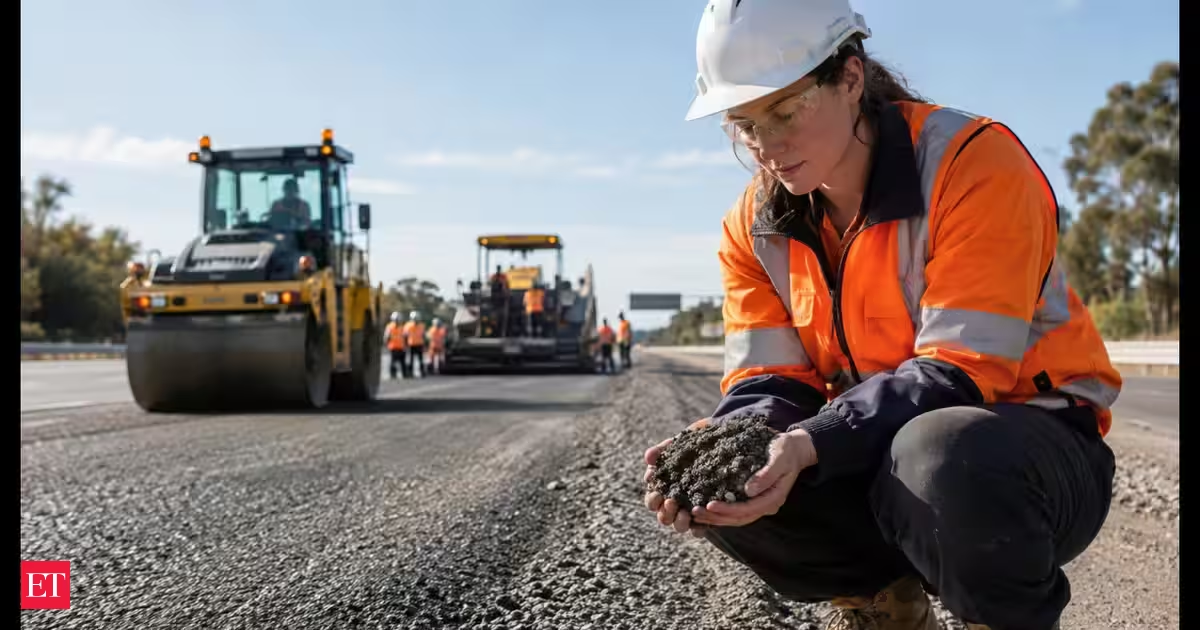
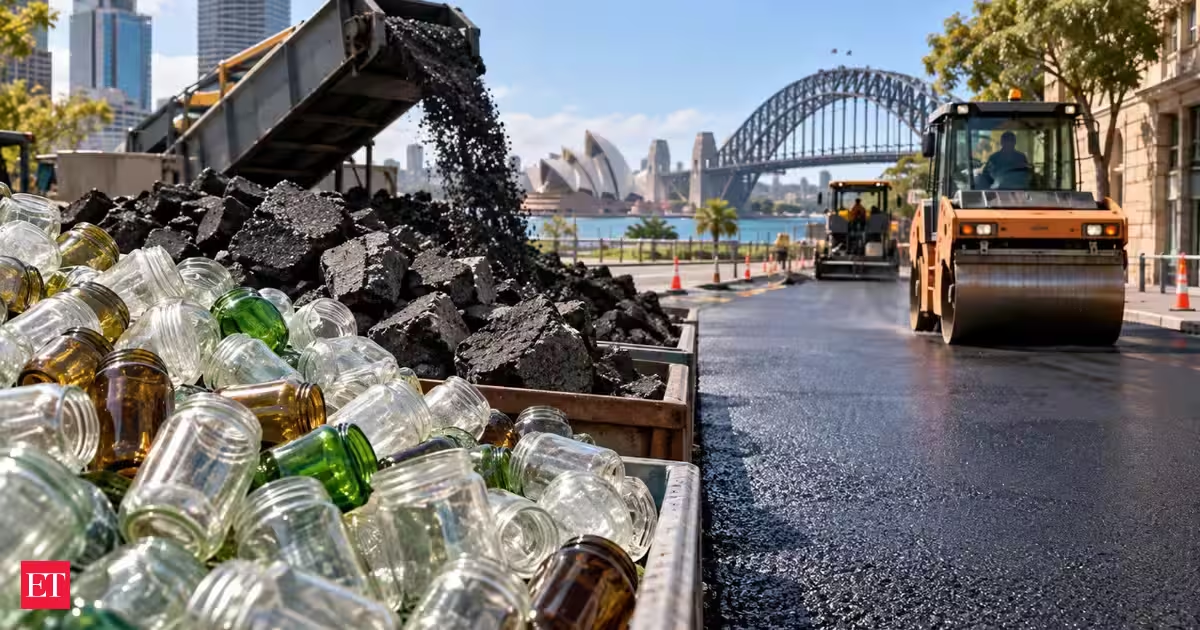
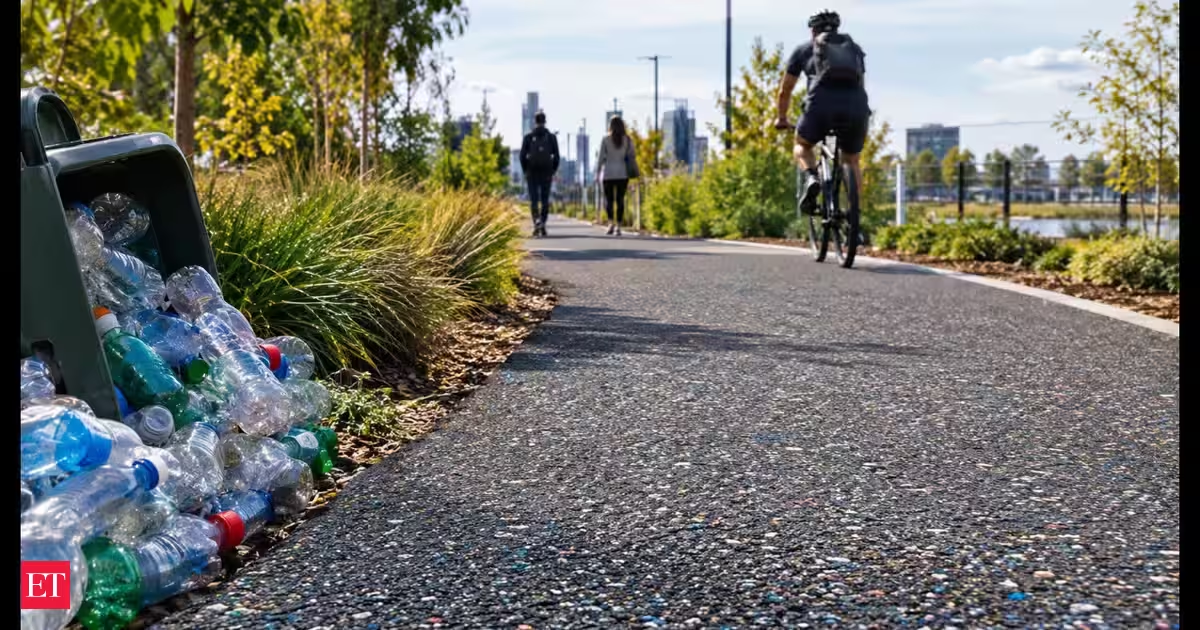
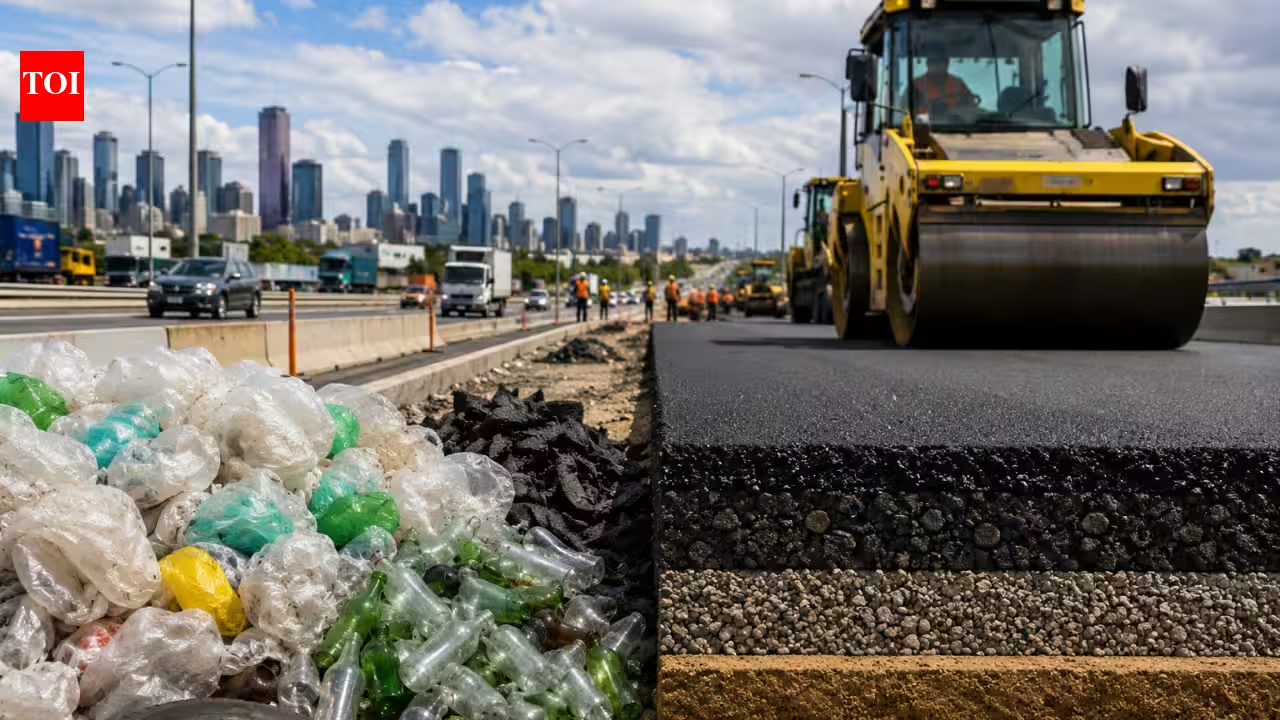
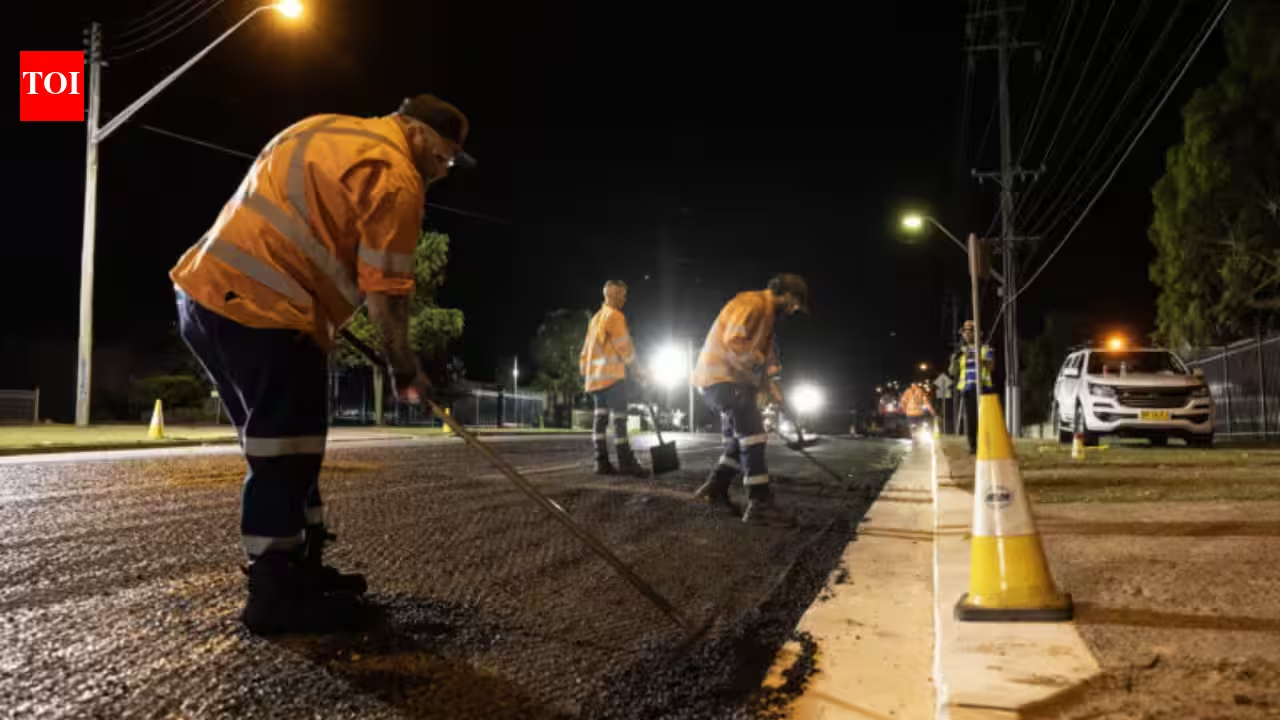
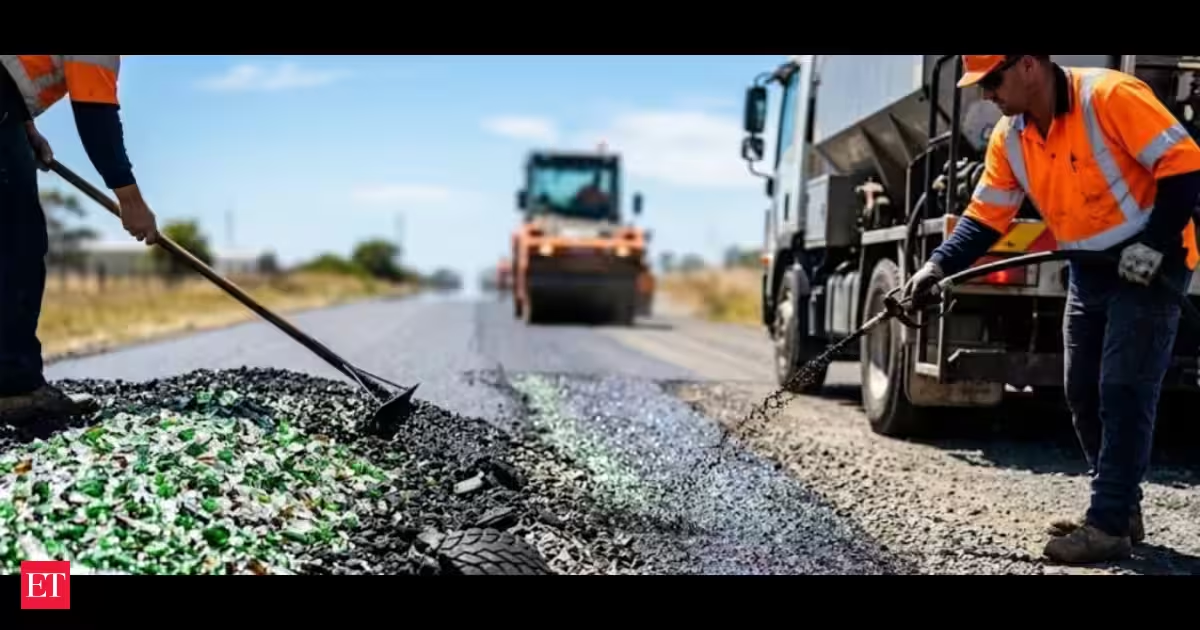
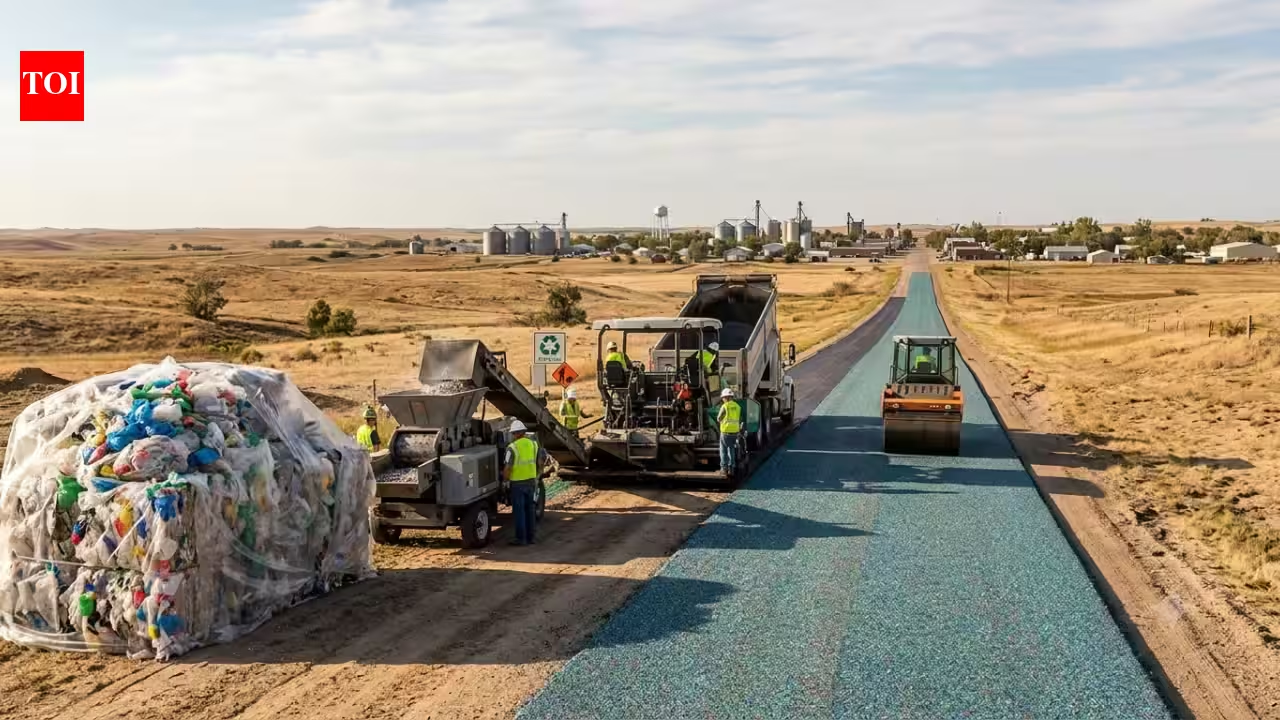
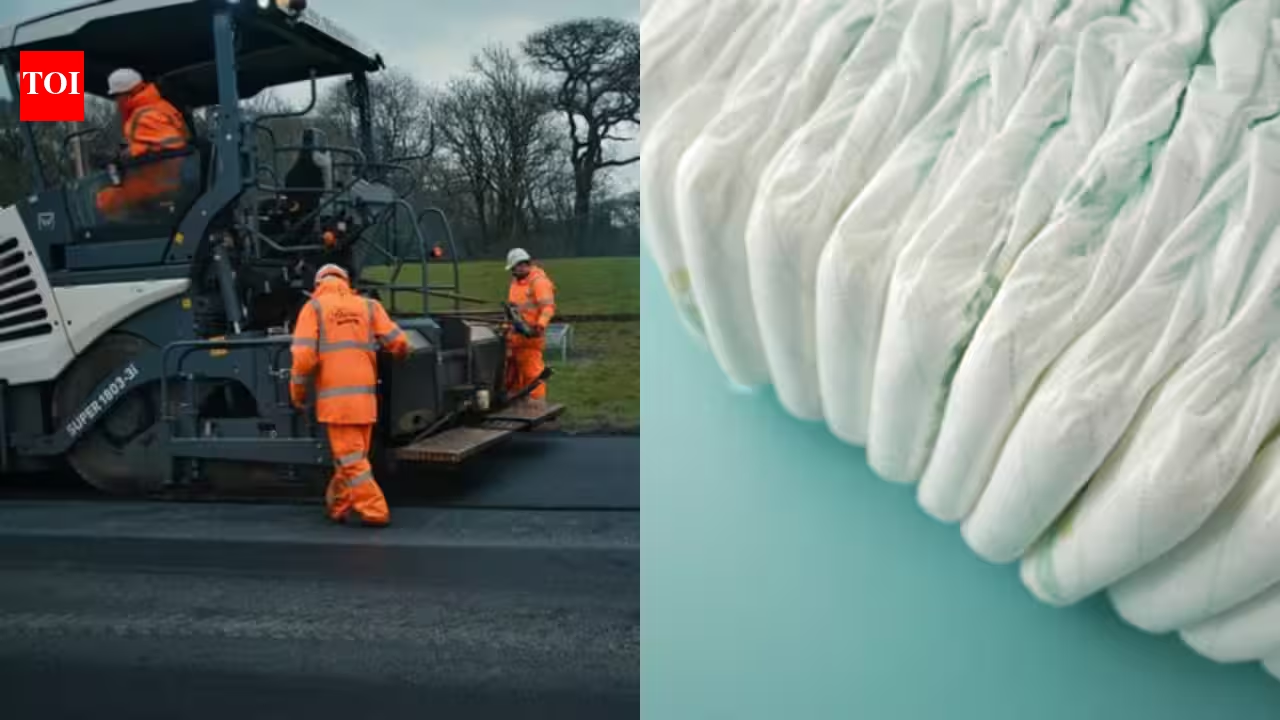
Central Coast Council’s efforts to reduce waste have extended to road construction, with a surfacing product made from recycled soft plastic, glass and toner cartridges being used on roads across the region.Known as Reconophalt, the product combines those materials with reclaimed road asphalt before being added to bitumen for road surfacing.Council Director Roads Transport Drainage and Waste Boris Bolgoff said the first Central Coast roads using the product were under construction.Bolgoff said, “We are now using a road surfacing product that will help save thousands of tonnes of waste from ending up in landfill,” as quoted by the Central Coast Council report.One 600-metre section can contain thousands of waste itemsThe scale of the recycling can be seen in a 600-metre section of road.You Might Also Like:According to the council, that length can be made using 631,000 plastic bags, 117,000 glass bottles, toner from 14,400 used printer cartridges and 160 tonnes of reclaimed road asphalt.The resulting material is described as equal or superior to traditional asphalt. Council data showed improved strength and resistance to deformation, helping roads last longer and better handle heavy vehicle traffic.Local soft plastic can become part of Central Coast roadsThe council was working with Downer to use Reconophalt on its roads and create new avenues for waste materials to be reused.Soft plastic collected on the Central Coast was also being sent for processing and use in the product. The council had partnered with the Plastic Police Program to establish local collection of soft plastics.You Might Also Like:It said opportunities for the public to drop off soft plastics for reuse in local roads would be announced soon.Two major projects were using ReconophaltThe council listed two major projects being delivered with the product.At Wards Hill Road in Empire Bay, a $296,000 project was stabilising and sealing a 260-metre section of road.At Boomerang Road in Long Jetty, a $1.38 million project included a cul-de-sac road, kerb and guttering, road upgrades and renewal, and footpaths.Councillor Jane Smith said using recycled products in road construction demonstrated economic, social and environmental value for the Central Coast.Smith said, "We are thrilled to deliver roads projects using products destined for landfill or the stockpile heap," as quoted by the Central Coast Council report.She described the work as a major milestone for the council and the Coast and an example of how infrastructure could be delivered using green and sustainable methods.Recycled tyres are also being usedThe council also completes spray sealing and asphalt works using a product made from recycled tyres.The process recycles some of the 56 million used tyres generated in Australia each year, adding another waste material to the council’s road construction efforts.
In 2019, Australia's Central Coast Council used 631,000 plastic bags, 117,000 bottles and 14,400 printer cartridges on a 600-metre road. 7 years later, the project remains a striking waste-to-road example across the region
Discover how Australia's Central Coast Council is transforming waste into roads using recycled materials like plastic bags, bottles, and printer cartridges, setting a sustainable infrastructure example.
439 words~2 min read