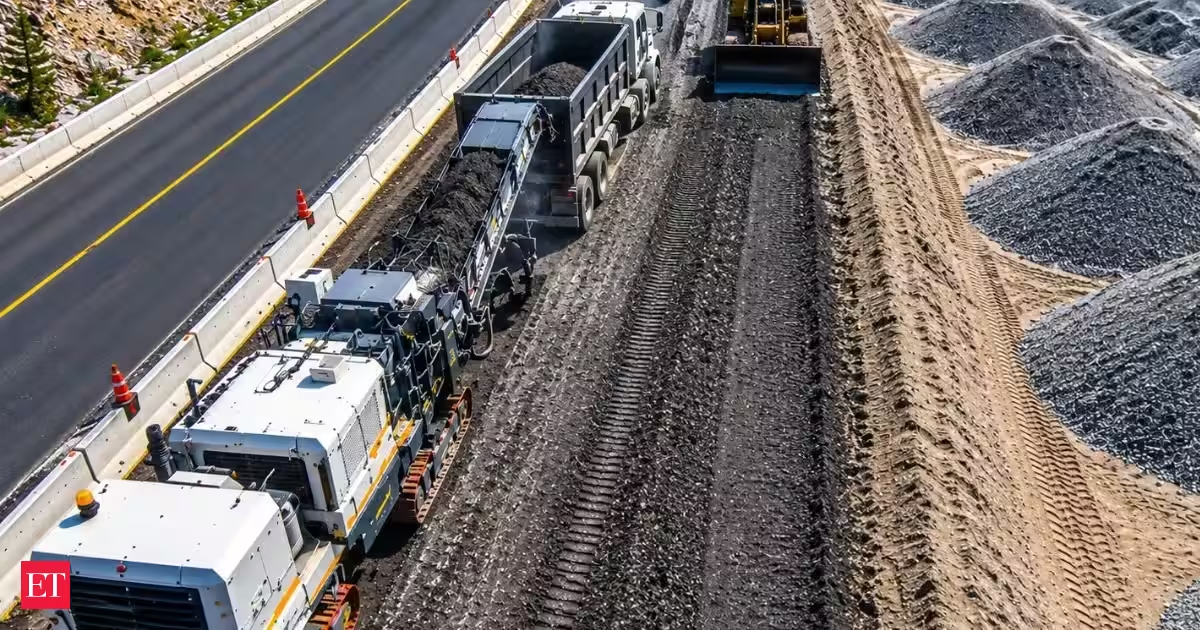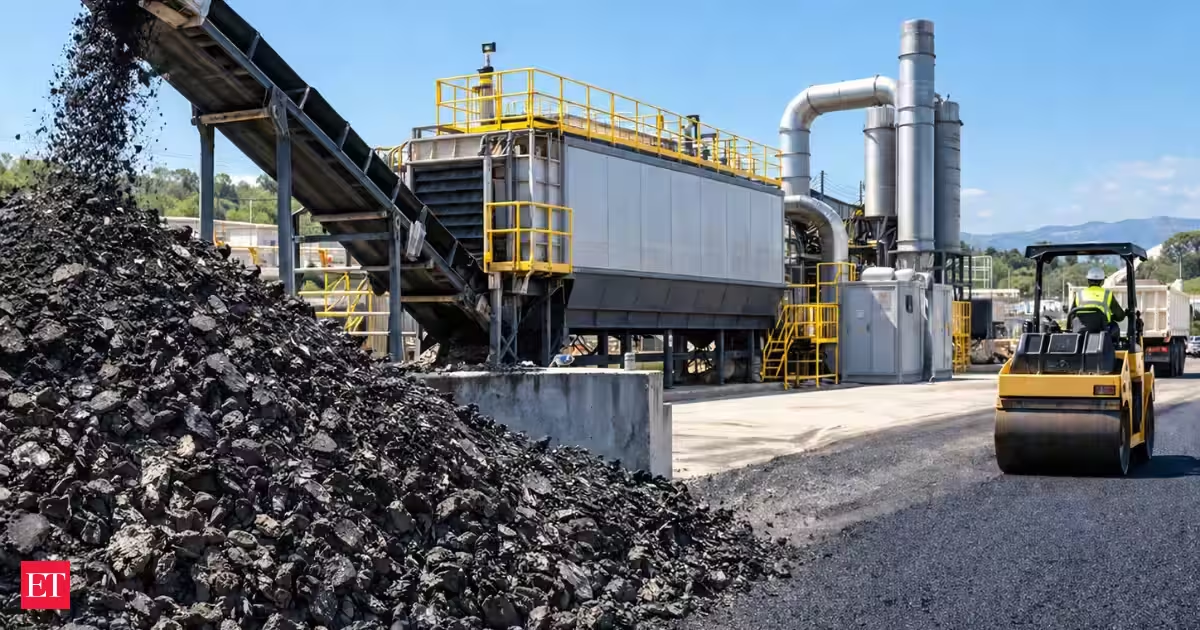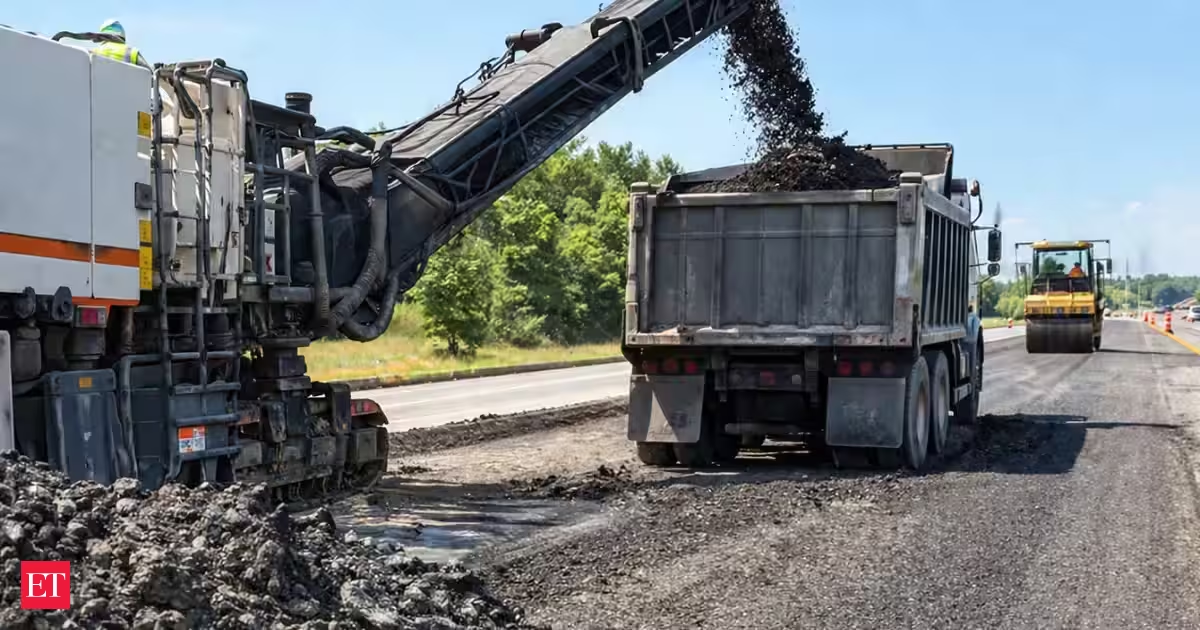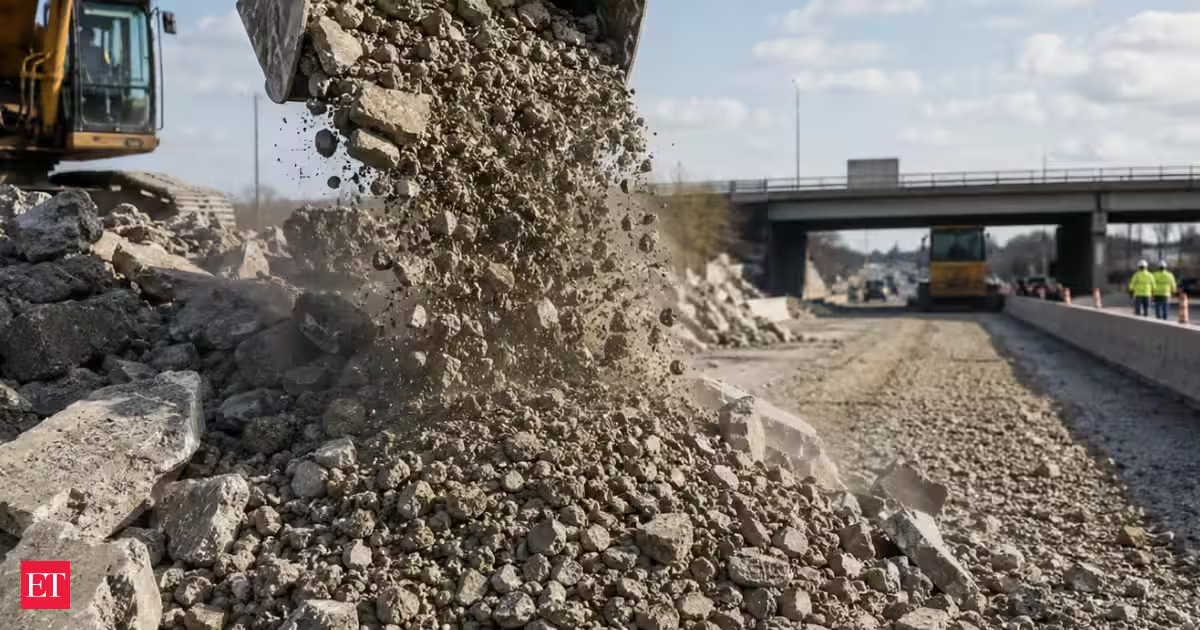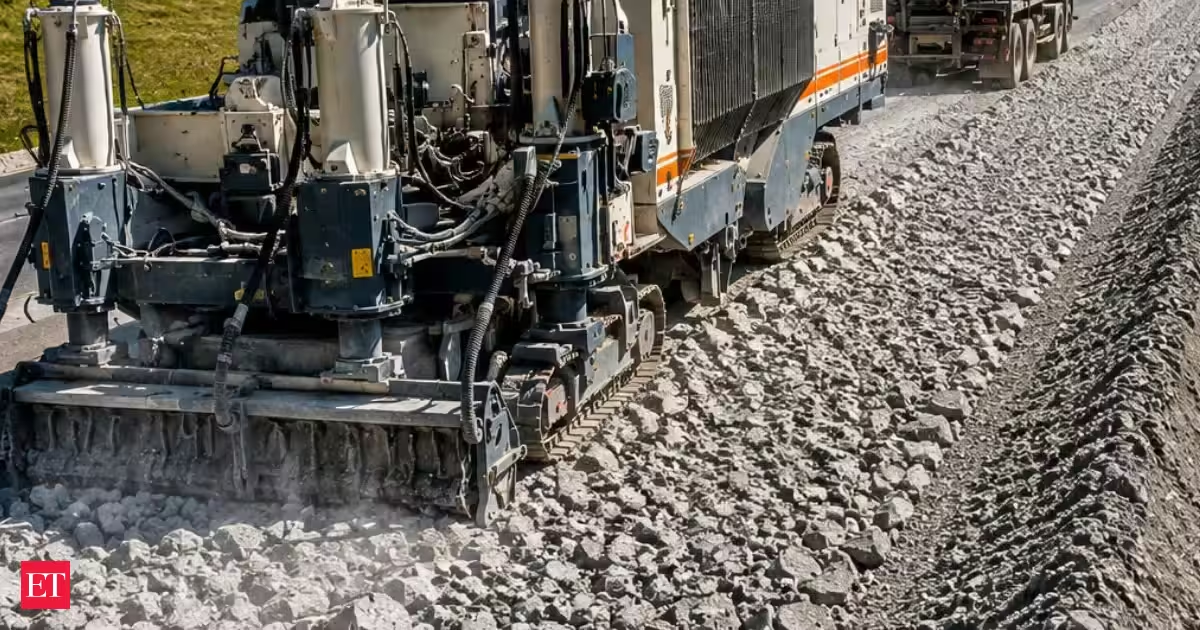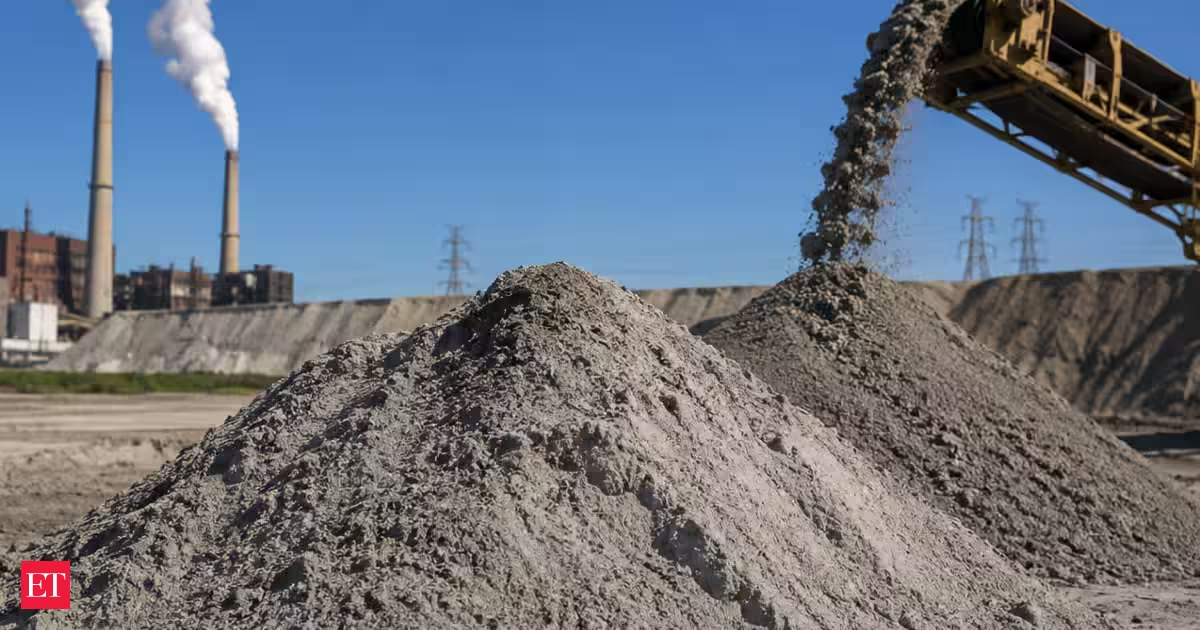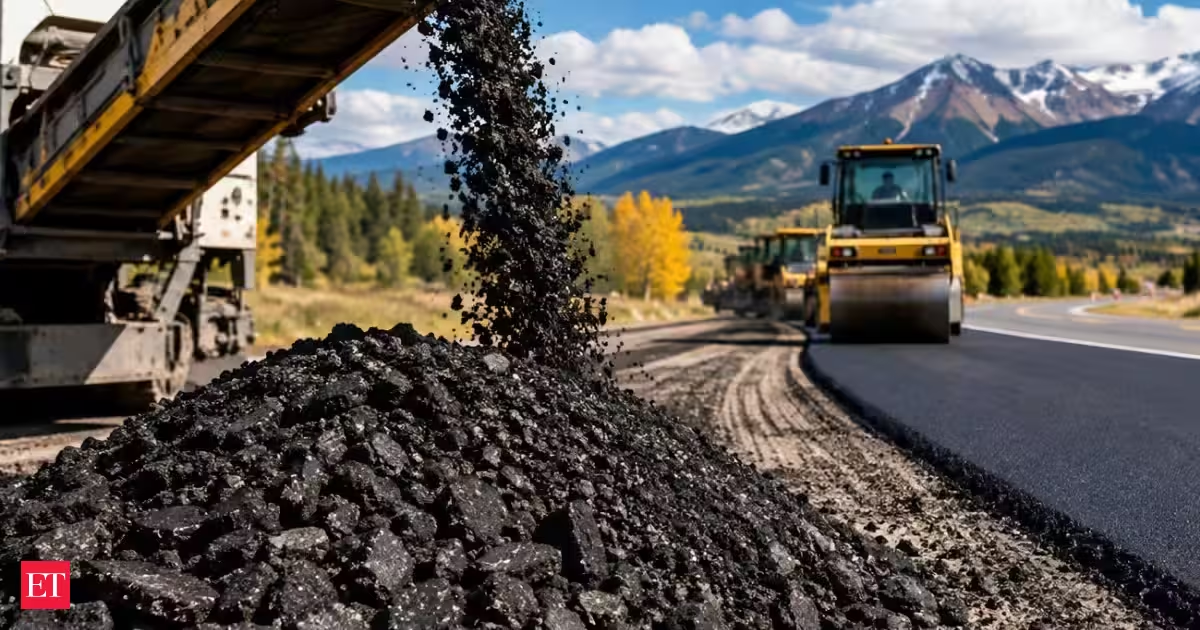
Most people driving over a new tarmac road are unlikely to think about where the old asphalt material went. For the state of Colorado, the answer was surprisingly good news for the budget. According to the Colorado Department of Transportation, in 2011, contractors reconstructing the highway used reclaimed asphalt pavement, a mixture of old material pulverized during excavation and new asphalt binder. Specifically, they incorporated 134,000 tons of reclaimed asphalt pavement into asphalt mixes on paving projects statewide, saving an estimated $1.6 million in asphalt binder costs alone. This efficiency-driven initiative offers insight into modern American infrastructure spending practices.For transportation agencies, the state's road construction case provides an example of how reusing existing pavement materials can reduce material costs. By reusing existing material instead of excavating new aggregates, the contractors reduced the need for new aggregate and asphalt binder.Why old asphalt is worth so much moneyAsphalt pavement is made up of two materials. The first is aggregate, which consists of crushed rock and sand, and the second is asphalt binder, the petroleum-based glue that holds the mixture together. Binder is the expensive part, and its cost closely follows oil price trends. When a road is milled during a repaving project, the old aggregate and binder don't go to waste; they're turned into reclaimed asphalt pavement, or RAP.Crushed aggregate used in asphalt pavement mixtures. Image Credit: Wikimedia CommonsThe 2011 figures from Colorado weren't a one-time deal either. CDOT contractors used 134,000 tons of RAP in asphalt mixes on paving projects statewide in 2011, compared with 19,200 tons used in 2007, a 600 percent increase. Contractors were told to use a certain percentage of RAP in new mixtures, and once that door opened, the savings followed. The department has continued to use cold-in-place recycling techniques, as well as hot-in-place recycling and full-depth reclamation, to use what was already on the roadbed and avoid hauling in something new.The national numbers back up Colorado's figuresColorado's figures aligned with what federal researchers were finding about the country-wide effects of recycling at the same time. According to a Federal Highway Administration report on reclaimed asphalt pavement, reusing RAP reduces the need for virgin aggregate, which can be scarce in some regions, and reduces the amount of new asphalt binder required. The report also found that pavements containing up to 30 percent RAP had performance similar to pavements constructed from virgin materials with no RAP, based on an evaluation through the Long-Term Pavement Performance program. The report notes that aged RAP binder can stiffen and that binder selection may need to be adjusted when RAP is used. RAP mixtures still need to meet applicable mix-design specifications and be properly processed and characterized.Reclaimed asphalt pavement (RAP) aggregate prepared for reuse in asphalt mixtures. Image Credit: Wikimedia CommonsWhere all this asphalt ends upColorado's 2011 example reflects a broader national approach to handling old asphalt. The U.S. Environmental Protection Agency (EPA) tracks construction and demolition debris for the nationwide figures. Asphalt concrete is included among construction and demolition materials that can be processed for reuse, including in new asphalt mixtures. Together, Colorado's 2011 project and the federal and national numbers show that recycling old asphalt is an established practice in road construction and repair that can reduce demand for virgin materials.Why this still mattersReusing pavement materials can help transportation agencies reduce demand for virgin aggregate and new asphalt binder while making use of material already removed from the road. Colorado's 2011 example illustrates the potential savings: CDOT reported that contractors used 134,000 tons of RAP in asphalt mixes statewide and estimated $1.6 million in savings on binder alone.
In 2011, Colorado reused 134,000 tons of old asphalt in highway mixes; CDOT estimated the recycled material saved the state about $1.6 million
In 2011, Colorado saved about $1.6 million by reusing 134,000 tons of reclaimed asphalt pavement in highway mixes, highlighting the state's commitment to fiscal responsibility and sustainable infrastructure practices.
598 words~3 min read