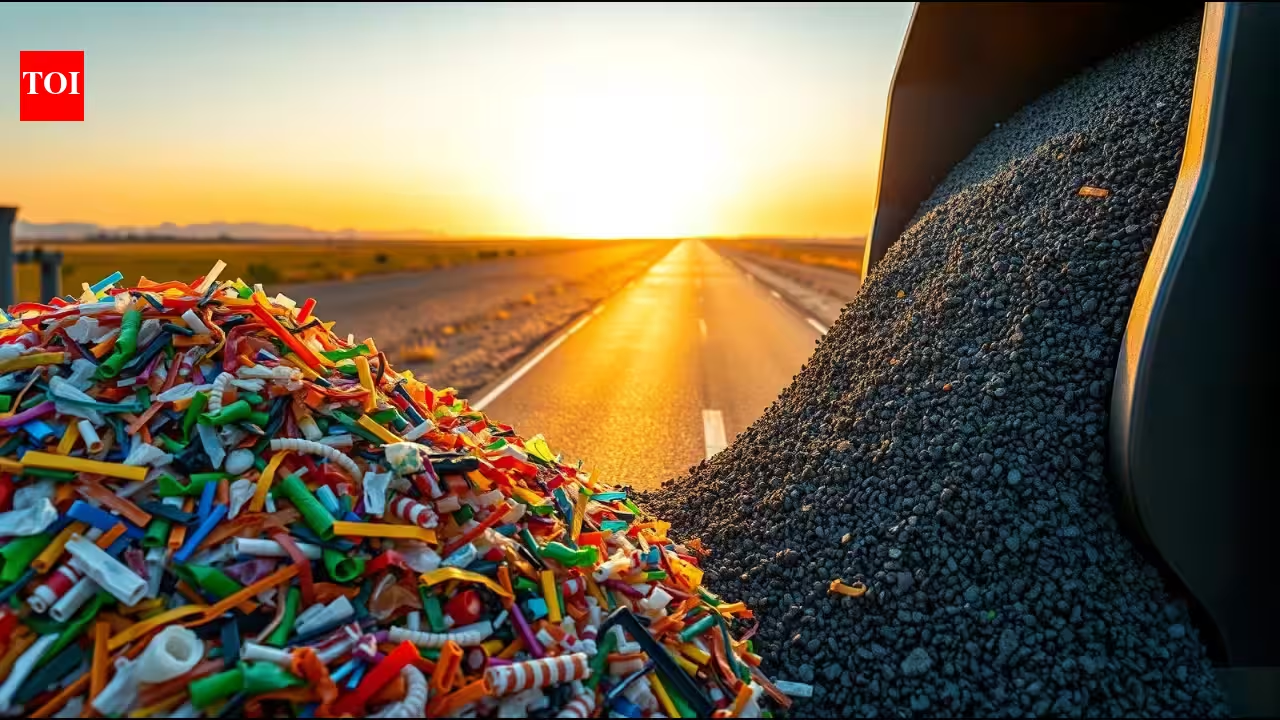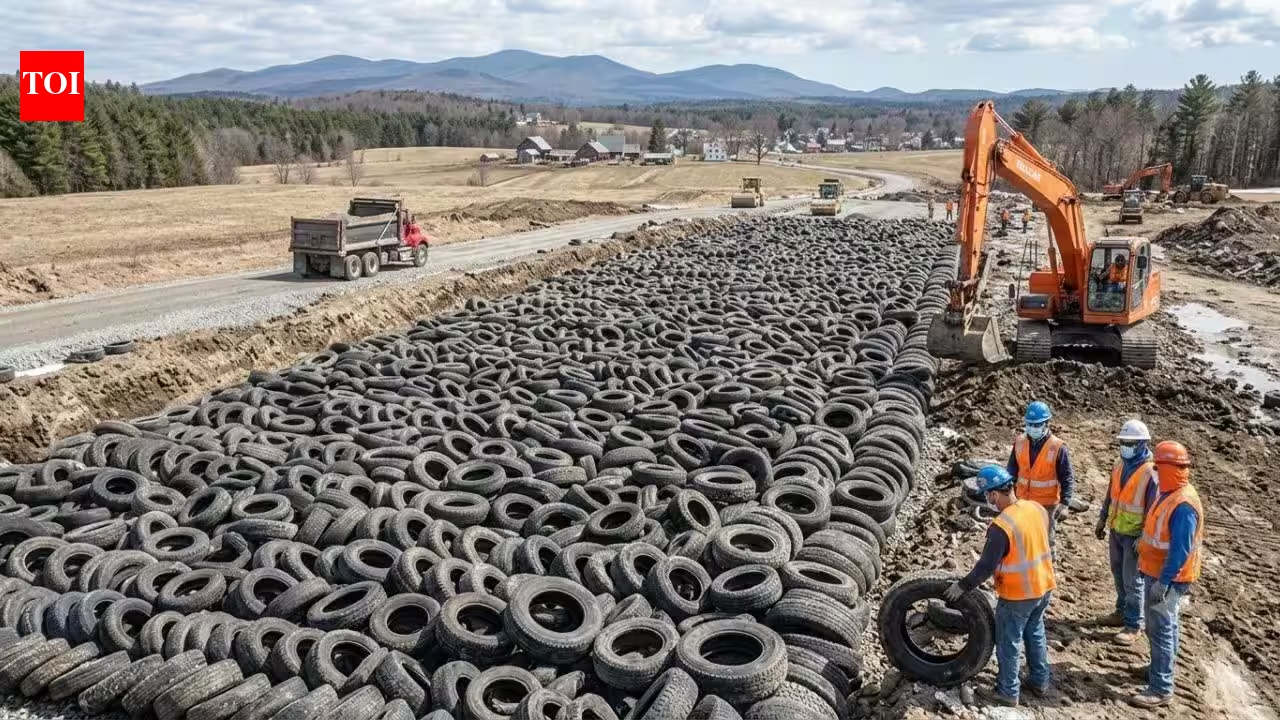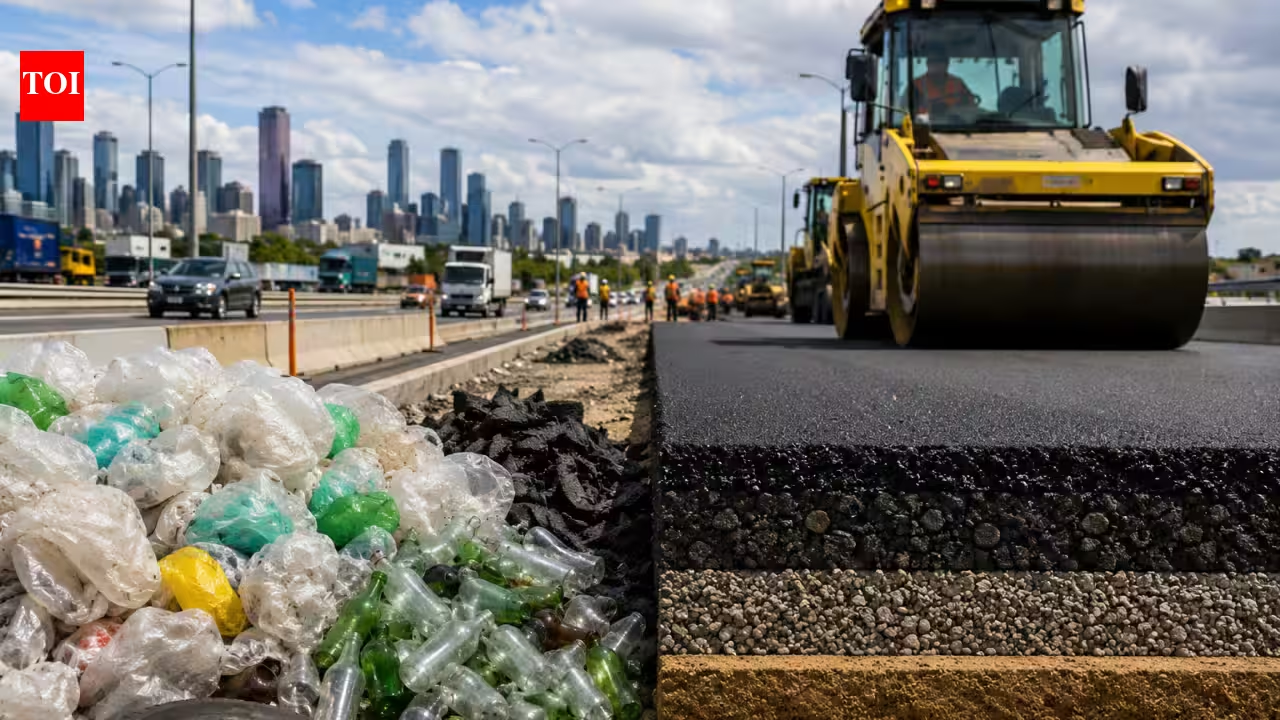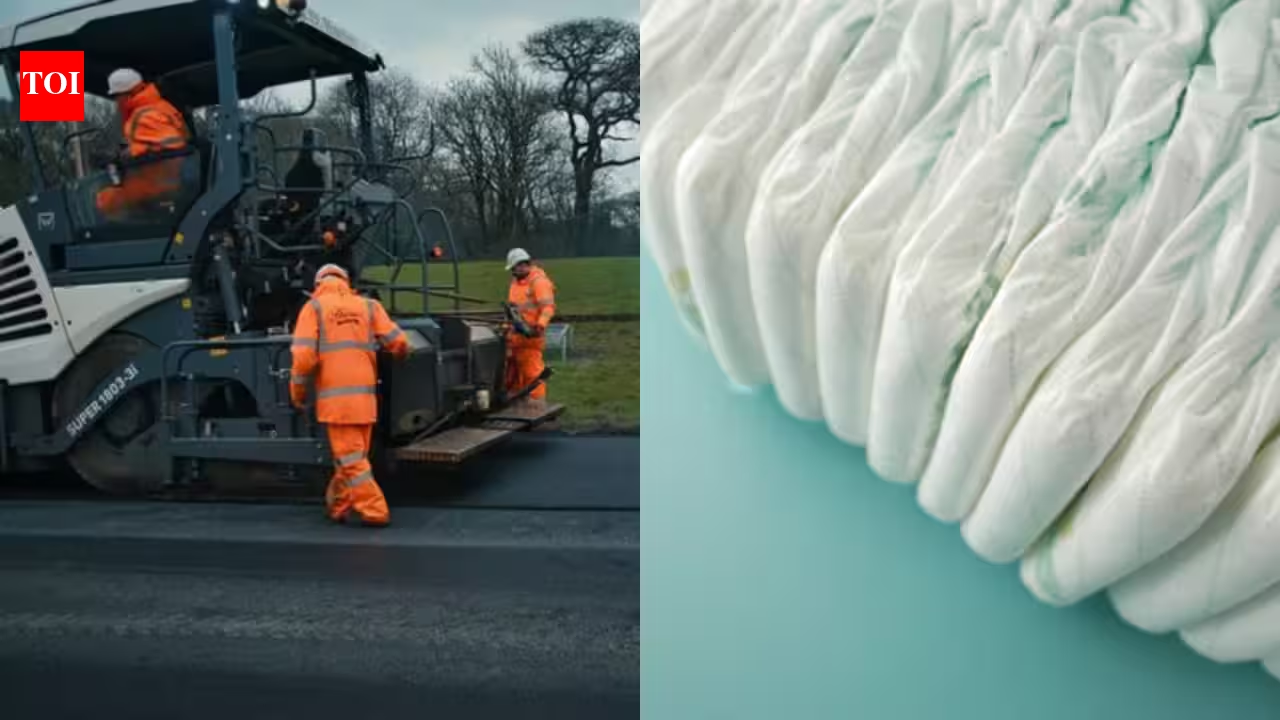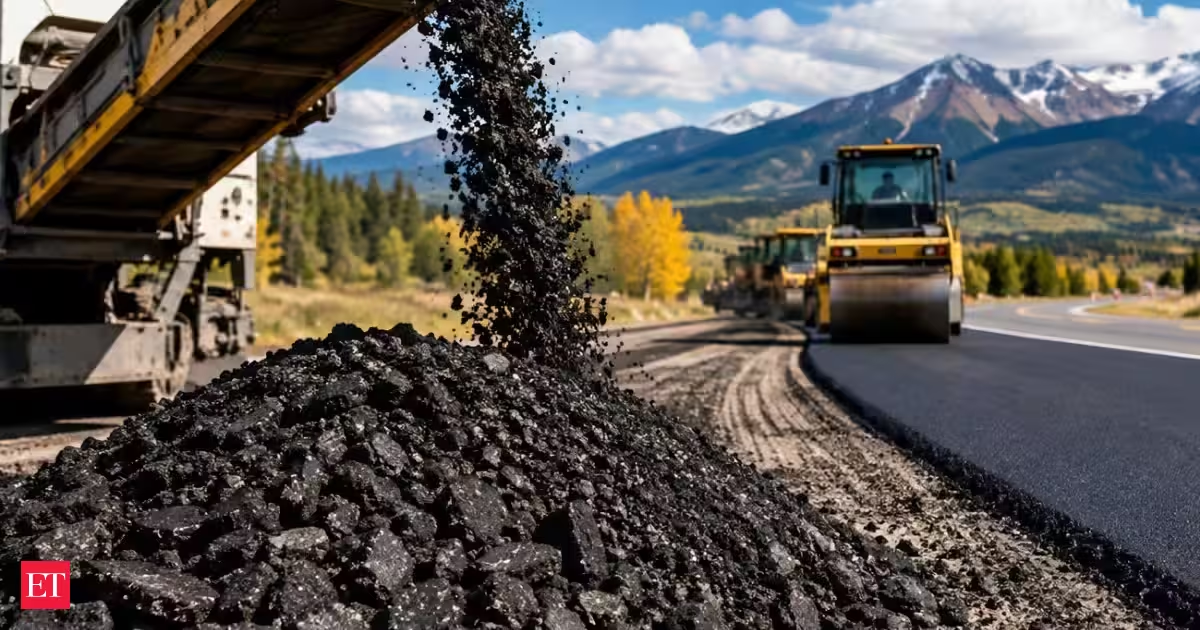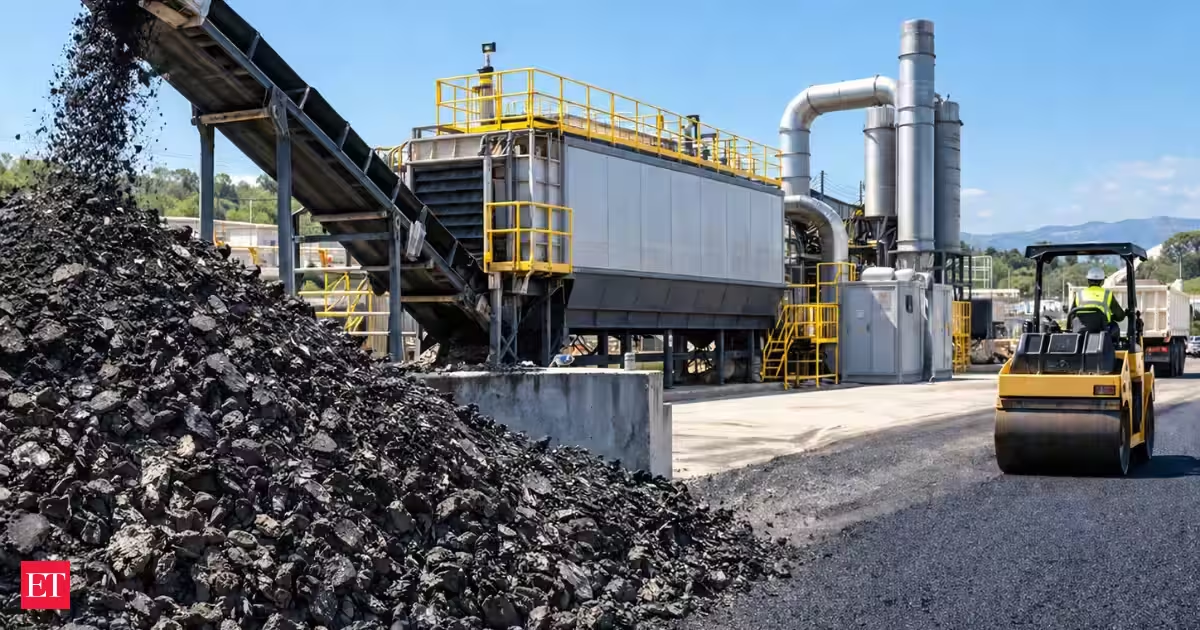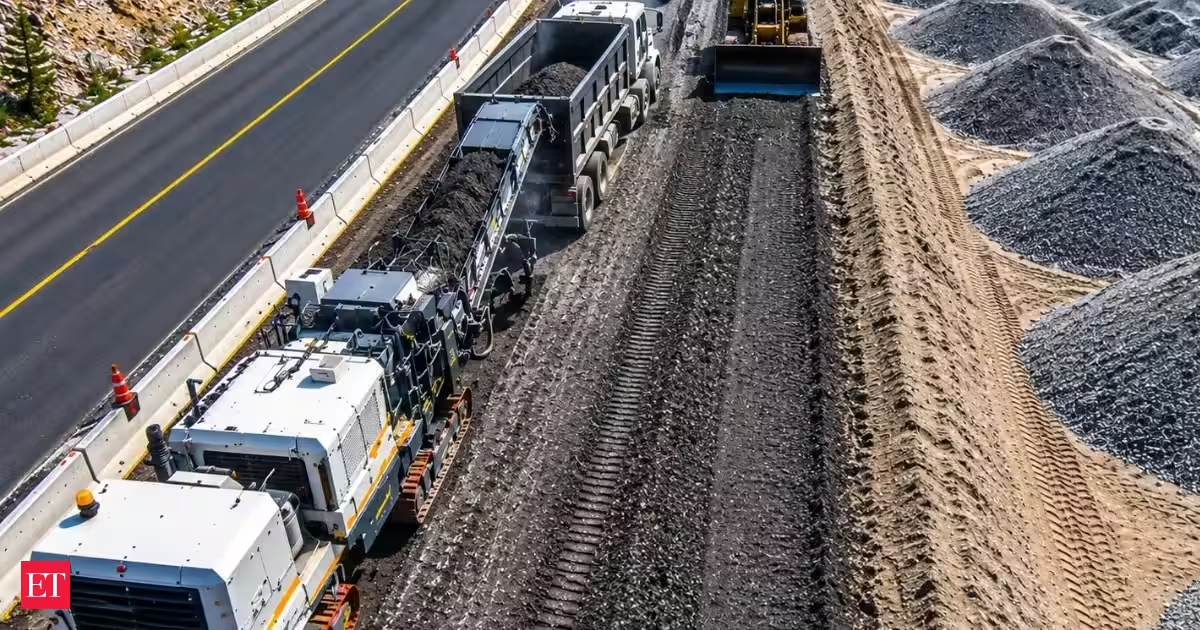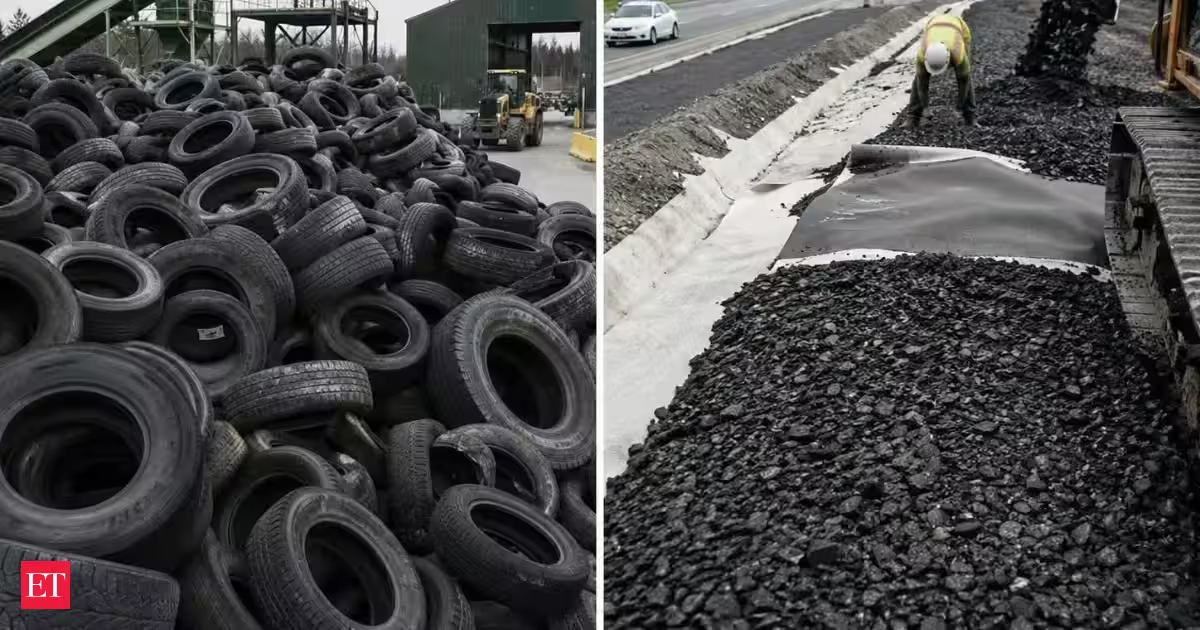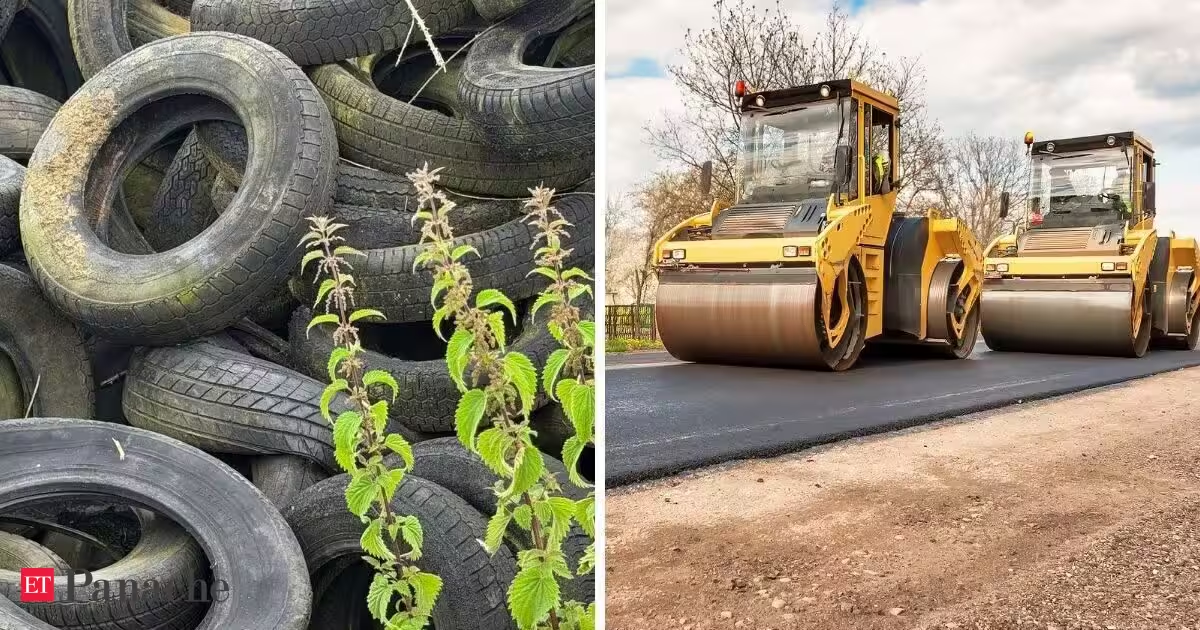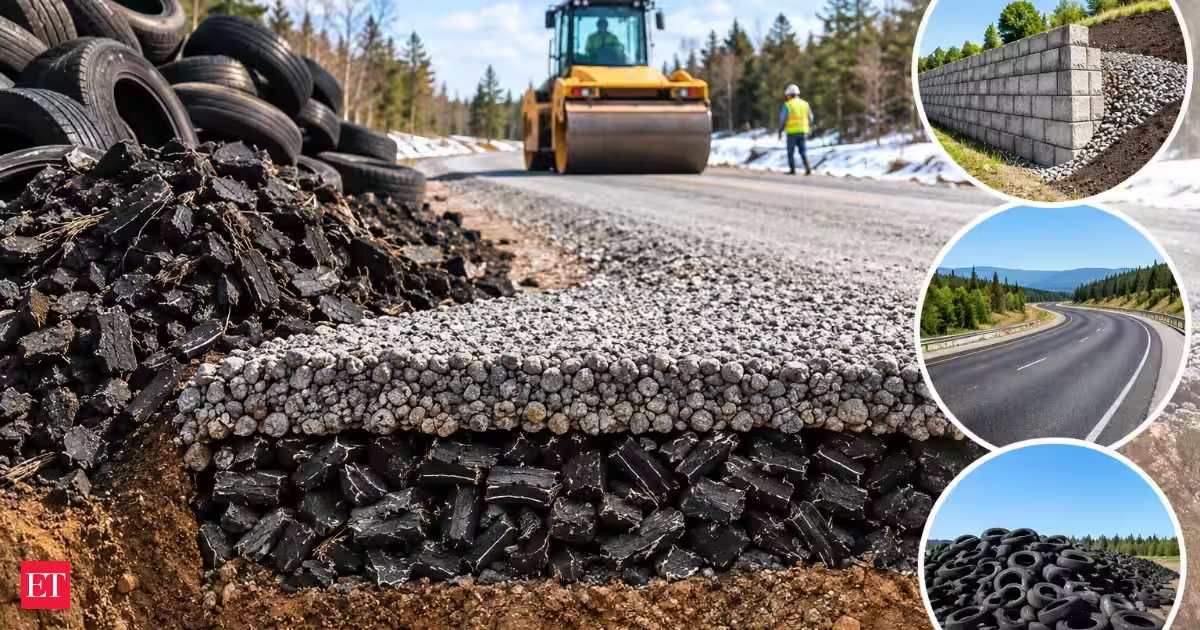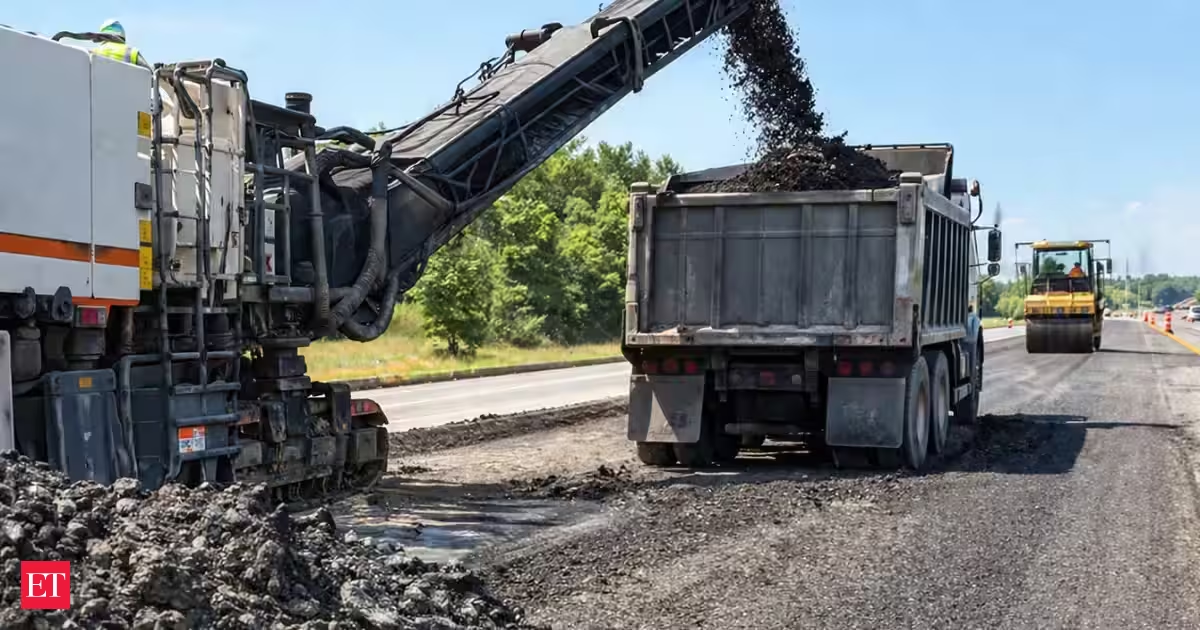
SynopsisNew Jersey's engineering team successfully transformed milled road surfaces into functional highway shoulders, achieving significant savings and protecting precious stone aggregate resources. The project fully utilized current plant equipment, sharply reducing energy use. Importantly, the recycled asphalt fulfilled all performance criteria, underscoring the effectiveness of reusing materials before they are discarded, setting a key example for future road development projects.Representative Image | New Jersey's engineering team successfully transformed milled road surfaces into functional highway shoulders, achieving significant savings and protecting precious stone aggregate resources. The project fully utilized current plant equipment, sharply reducing energy use. Image Credits: ChatGPTThere is something inherently rewarding about seeing an old material get a second lease on life rather than being discarded. In 1980, engineers in New Jersey reused about 14,000 tons of milled road surface from U.S. Route 1 on a highway project. They used the material to create 27,000 tons of asphalt paving mix for the shoulders of U.S. Route 130, as noted in a 1980 US Federal Highway Administration (FHWA) research paper titled Bituminous Concrete Pavement Recycling. The project saved $50,346 and 12,753 tons of stone aggregate compared with a conventional mix. It was a practical decision: instead of treating the worn-out asphalt as useless, engineers found a way to put it back to work.The road that refused to become wasteStripped of technical jargon, the procedure was relatively simple. Roto-mill machines cut the asphalt top layer from the existing Route 1 pavement and reduced it to small pieces and dust, which were transported and stored for later use. Engineers used the Minnesota Heat-Transfer Method, an adaptation of hot recycling also known as the Maplewood process, to turn the salvaged asphalt into new paving mix. Superheated fresh stone was mixed with the reclaimed material in a drum, while additional asphalt cement was introduced to produce the required mixture. The recycled material was then placed in two- and three-inch lifts on the inside and outside shoulders of Route 130, extending for 28 miles.The engineers also evaluated the recycled mixture to determine whether it could meet the performance requirements expected of pavement material. The project included monitoring the pavement after construction and assessing its performance. The study also quantified the financial and material savings. The recycled mix required less energy to produce than a conventional mix, with the FHWA calculating an energy saving of 3.5 billion BTU, equivalent to 27,964 gallons of gasoline. The project also conserved 704 tons of asphalt cement. For motorists, there was little obvious indication that the material beneath their wheels had previously formed part of another road.Representative Image | Importantly, the recycled asphalt fulfilled all performance criteria, underscoring the effectiveness of reusing materials before they are discarded, setting a key example for future road development projects. Image Credits: ChatGPTA small lesson in practical thriftThe story remains relevant because it demonstrates the value of finding another use for material before throwing it away. The same principle can apply on a much smaller scale at home. A chair can be reupholstered rather than discarded, worn jeans can become a bag or patches, and some household materials can be reused instead of immediately replaced. The New Jersey project applied that instinct to a much larger problem, turning material removed from one highway into a useful component of another.It is also worth remembering that asphalt recycling is not a recent idea. FHWA records that pavement recycling dates back as far as 1915, while modern asphalt recycling expanded during the 1970s as rising oil prices and construction costs encouraged greater use of reclaimed pavement. By 1980, New Jersey was already testing and refining the approach on a substantial highway project.What makes the New Jersey example striking is its practicality. Engineers were able to reuse thousands of tons of existing material while reducing the need for new aggregate, asphalt cement, and energy. The project shows that recycling does not always begin with a complicated new invention. Sometimes it starts with recognising that something removed from one place can still be useful somewhere else. More than four decades later, that remains a useful idea. Before something is treated as waste, it is worth asking whether it still has another job to do.Read More News on(Catch all the US News, UK News, Canada News, International Breaking News Events, and Latest News Updates on The Economic Times.) Download The Economic Times News App to get Daily International News Updates....moreless
In 1980, New Jersey reused 14,000 tons of milled U.S. 1 asphalt for U.S. 130 shoulders, saving $50,346 and 12,753 tons of virgin stone
New Jersey's engineering team successfully transformed milled road surfaces into functional highway shoulders, achieving significant savings and protecting precious stone aggregate resources. The project fully utilized current plant equipment, sharply reducing energy use. Importantly, the recycled asphalt fulfilled all performance criteria, underscoring the effectiveness of reusing materials before they are discarded, setting a key example for future road development projects.
730 words~3 min read