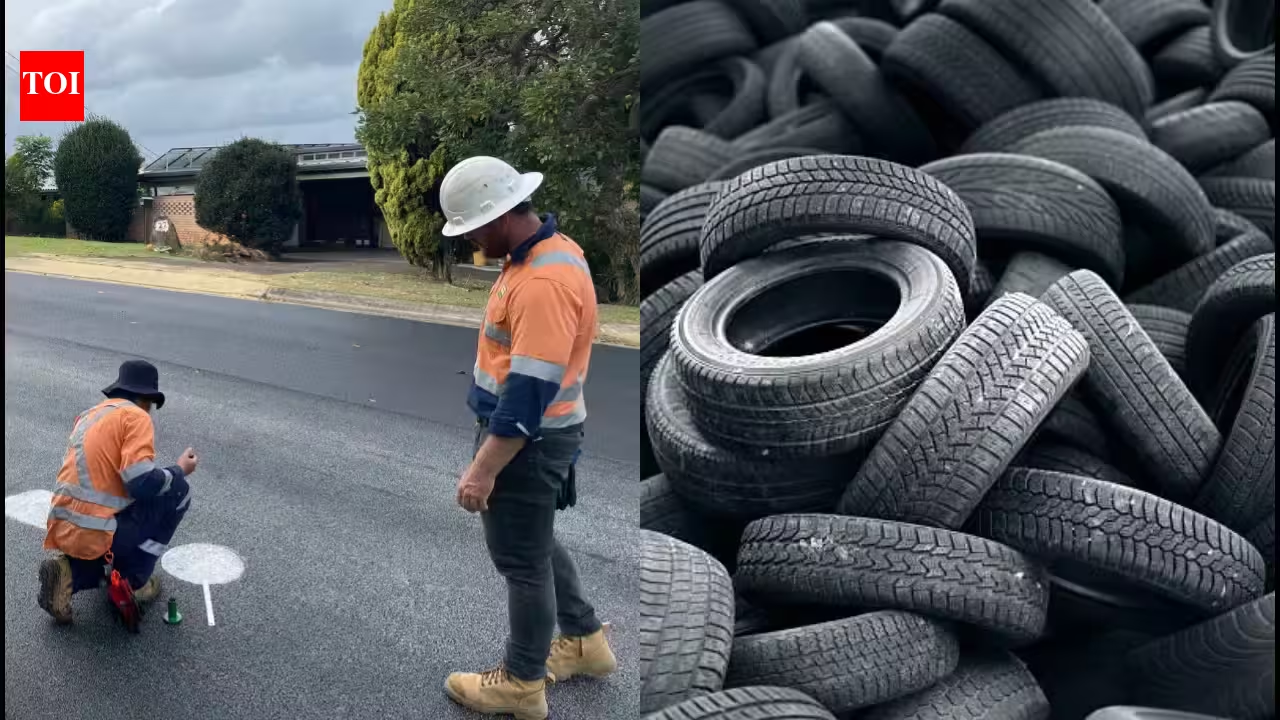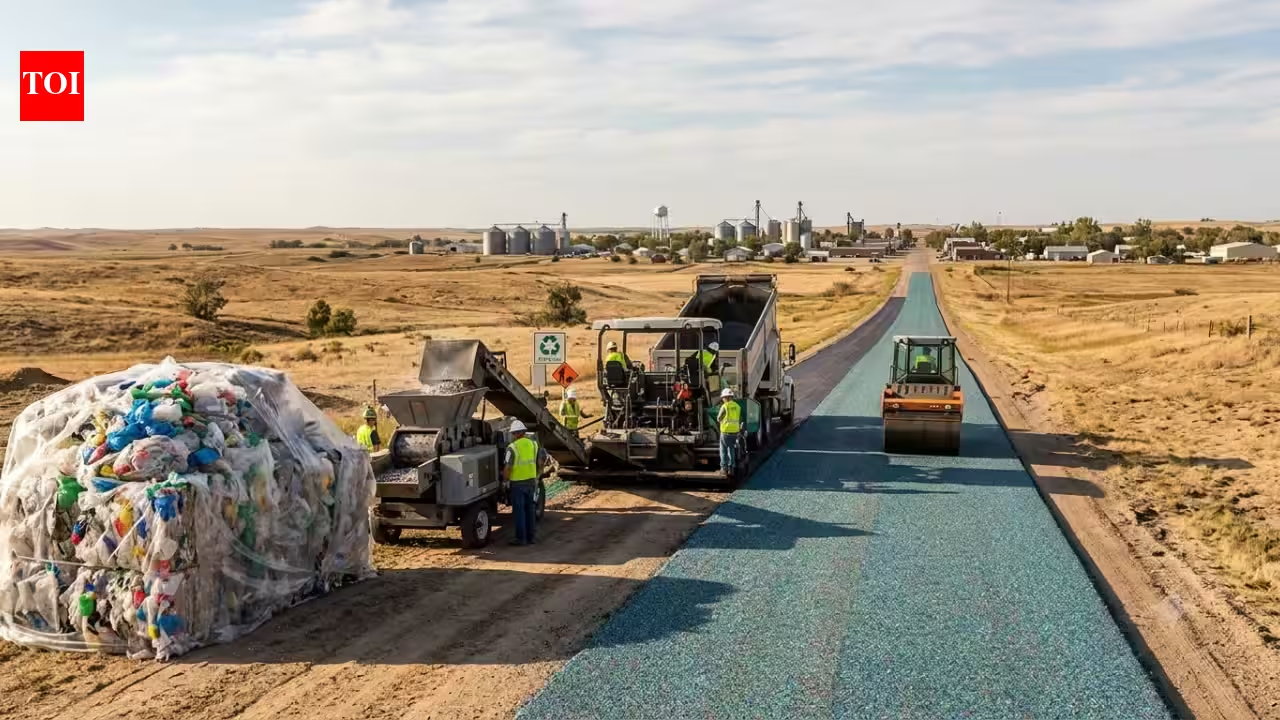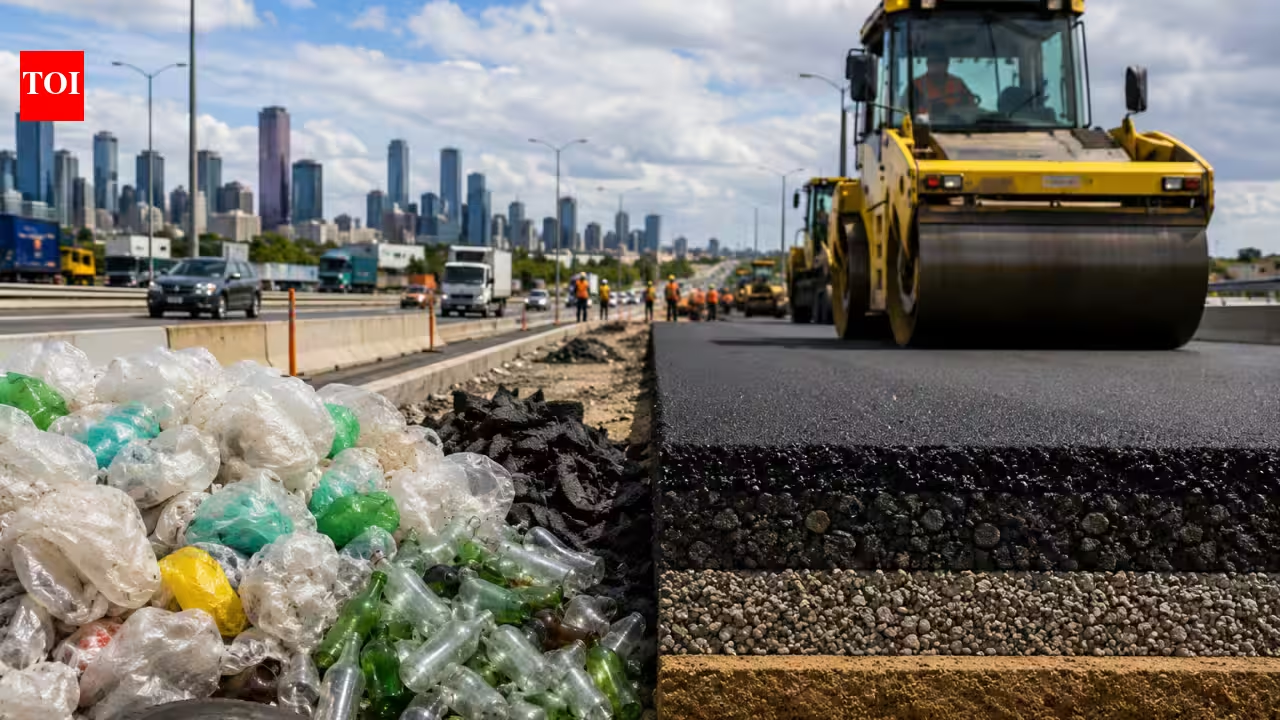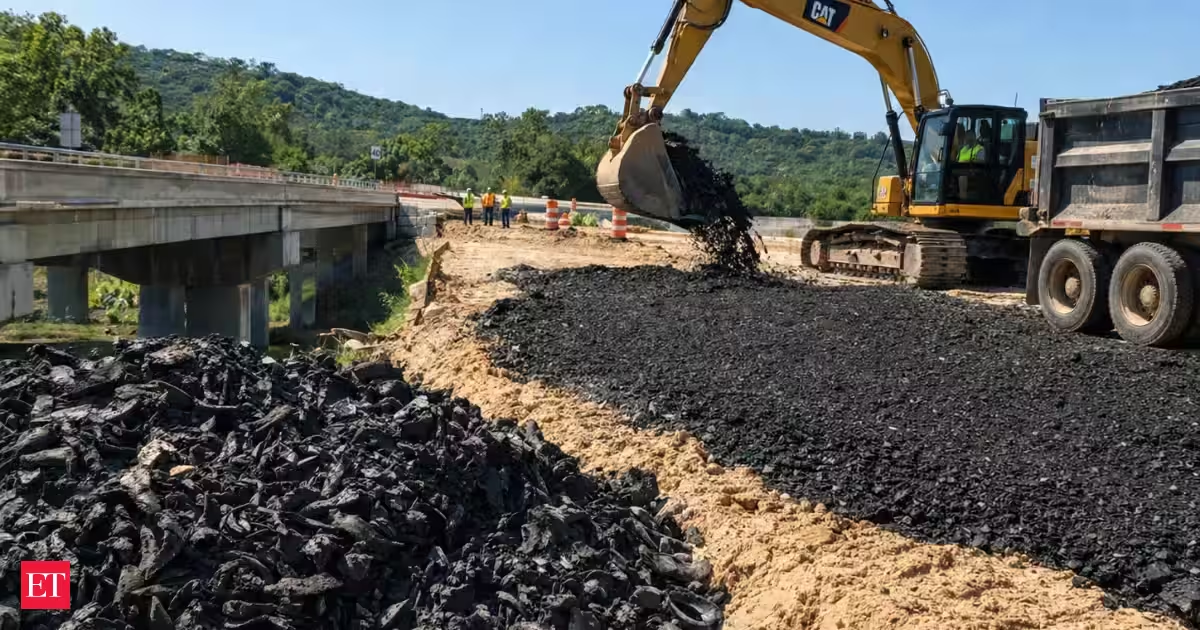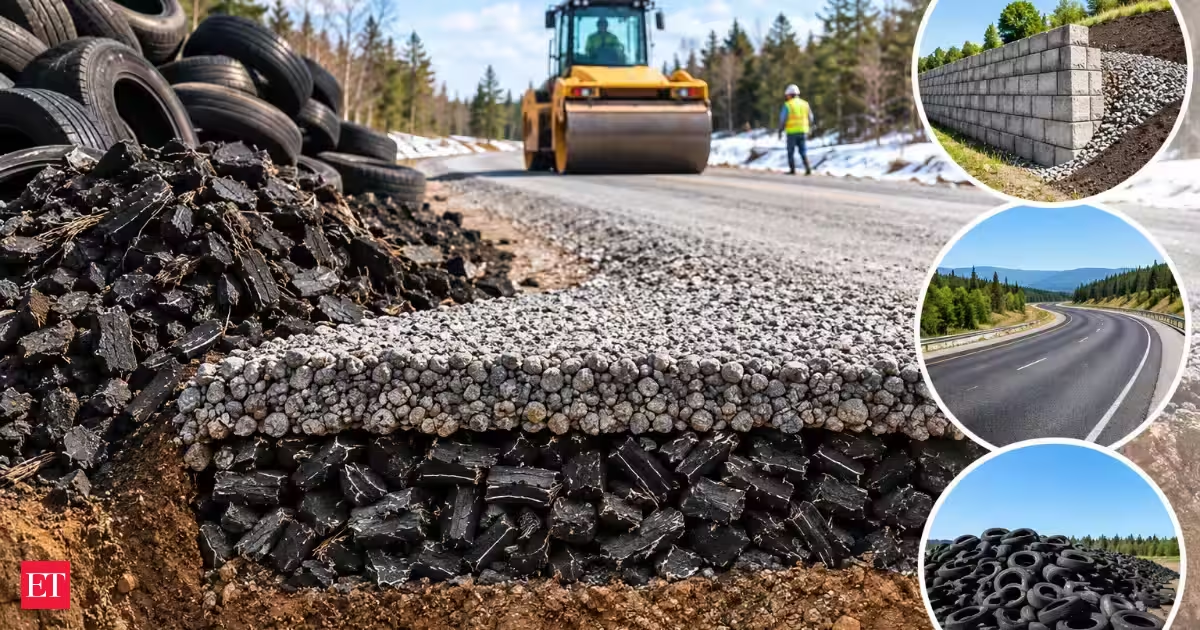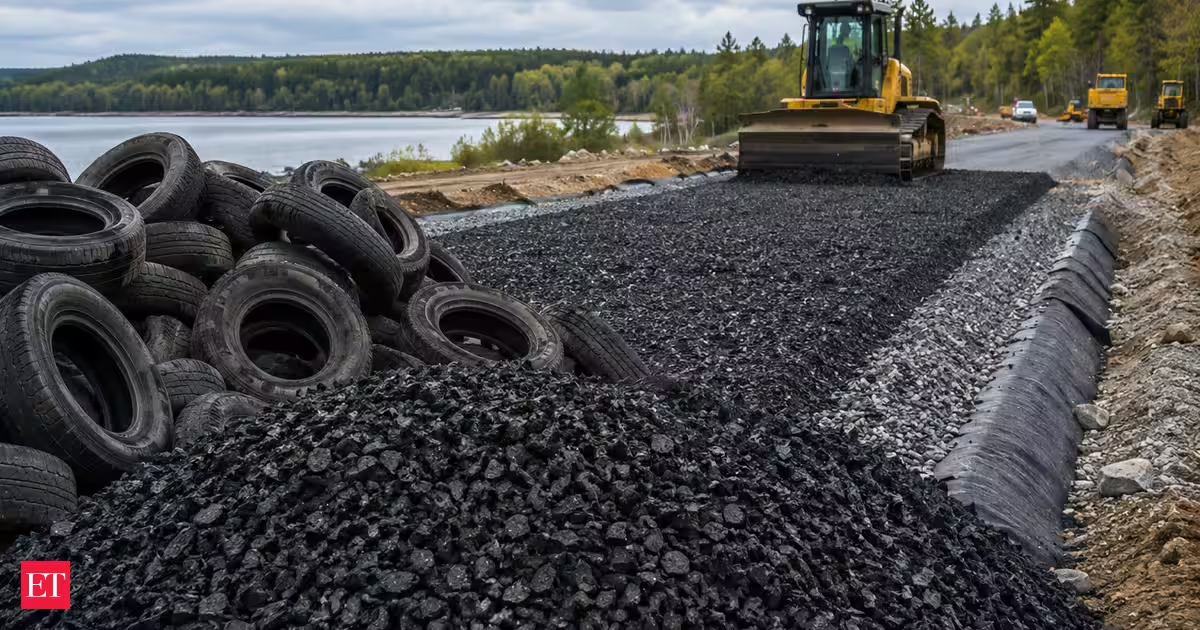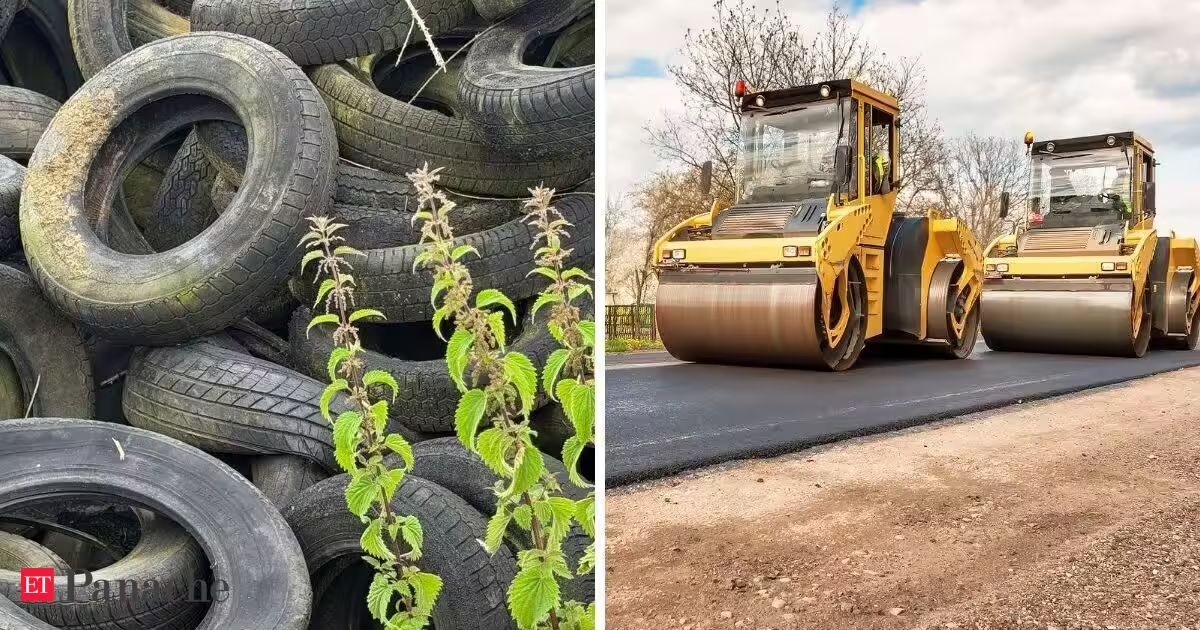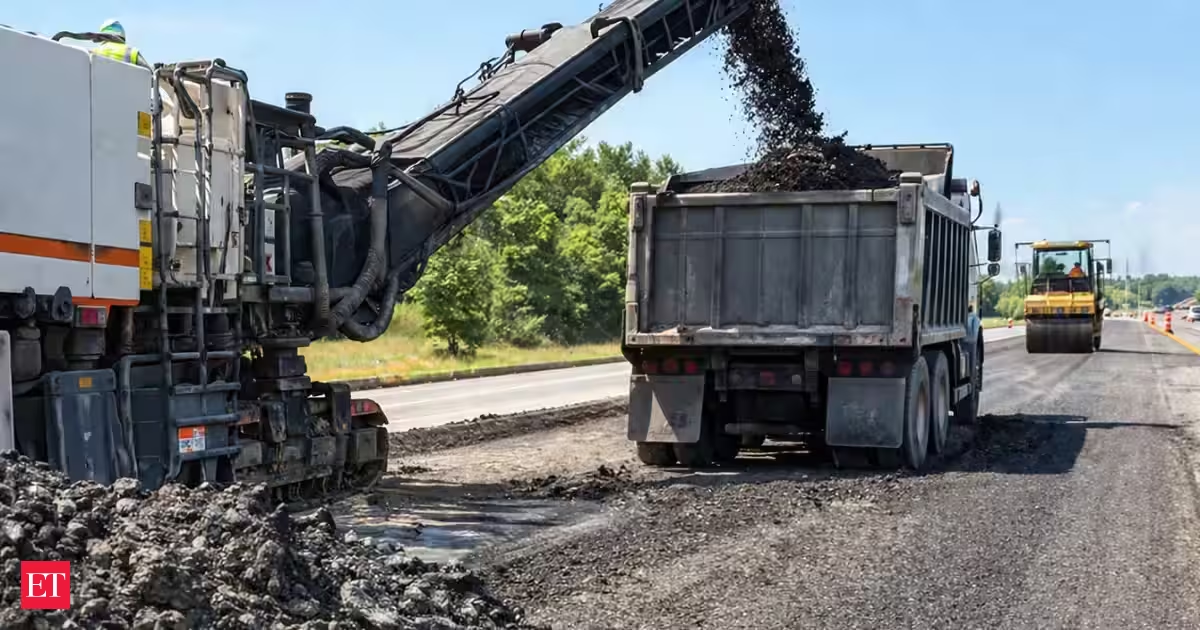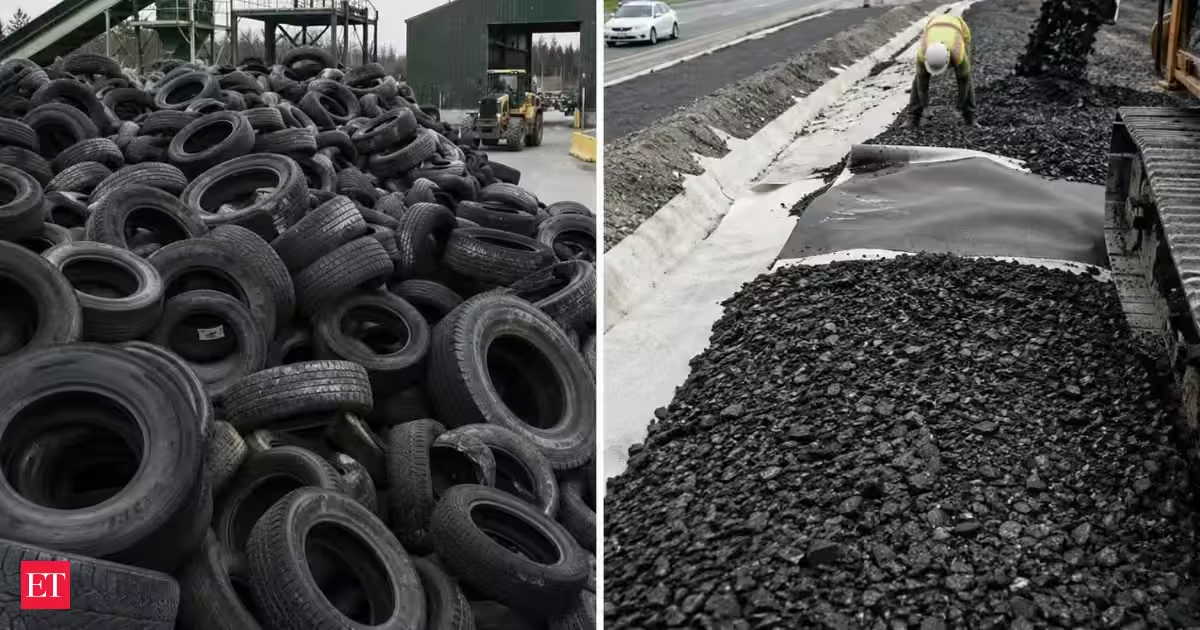
In 1999, NYSDOT used about 2,500 metric tons of shredded tires in a Route 17 embankment; the 200-metre section was built as part of a Broome County road reconstruction projectSynopsisEngineers in New York have pioneered an innovative solution by using shredded tires as fill for highway embankments. This dual-purpose initiative aimed to address both the challenges of tire disposal and the demands of road construction. Despite facing ventilation issues due to a fire in Washington State, modifications to the design ensured safety. The project along Route 17 ultimately showcased this method's potential in real-world applications.Listen to this article in summarized formatA representative image of discarded tires piled up before being processed into shredded rubber for use in highway construction. Image credits: ChatGPTUnderneath a fairly normal highway on-ramp in Broome County lies one of the most interesting engineering feats in the transportation history of the state of New York: three meters of shredded rubber, consisting of about a quarter million used car tires, laid down in the ground and covered over in 1999. It is a portion of Exit 4 on Route 17, constructed as part of a $30 million, six-mile road reconstruction project that stretched from Five Mile Point to Occanum.According to a technical paper titled “Tire Shred Embankments: Design And Construction Considerations Verification Through Monitoring,” published by the International Geosynthetics Society, engineers filled a 200-meter-long section of embankment with about 2,500 metric tons of tire shreds, and instrumented the area to determine if it was possible to use scrap tires as a valid highway construction material instead of landfill waste. It was basically testing an idea that seemed too neat to be true: that America's problem with disposal of tires and its need to construct roads are two things that could be solved simultaneously. That pitch turned out to be more challenging and educational.The problem hiding in your drivewayA March 2026 EPA news release reported that roughly 264 million end-of-life tires were generated in 2023 alone, and there are still 48 million discarded tires that are illegally stored in piles in at least 23 states. Rubber does not biodegrade; it does not compost. If left whole in the landfill, it tends to retain gas and float back up years later. By the late 1980s, huge trash piles of tires had accumulated in states, and engineers were brought in to get creative with them.Road construction is a growing industry. Image credits: Wikimedia CommonsNew York's solution, with the state's Departments of Environmental Conservation and Economic Development, was to make use of old tires as a lightweight, inexpensive embankment fill instead of a landfill problem. Tire shreds weigh about one-third of the weight of soil, drain well, and most importantly, provide NYSDOT contractors with a monetary reward to remove "stockpiled" tires, which were otherwise a fire and mosquito magnet.The part that no one would put on the plaqueThe tire shred embankments seemed like a good idea until in the mid-1990s, Washington State's version quietly began to cook itself. A 1996 case study from the Transportation Research Board shows how engineers observed cracking in a completed shredded-tire embankment near Ilwaco; they saw steam venting from the cracks and finally measured temperatures of up to 1,500°F, which required them to dig through the embankment and physically remove burning rubber. Later, it was thought to be related to the thick piles that were not being adequately ventilated, allowing the air to pool and cause the rubber to slowly overheat and start a fire.Car tires. Image credits: Wikimedia CommonsThat's why New York's project is not some shortcut but more of a carefully conducted experiment. To ensure that the shreds could compress and settle without being "cooked" under the road you are driving on, the engineers tried to keep the layer of tire at its maximum thickness of about three meters, topped by layers of soil to minimize exposure to oxygen, and, as per that aforementioned geosynthetics paper, surcharged the whole section with additional fill for four months before paving.So, did it actually work?This is a reference project, not a cautionary tale; so yes, the Route 17 embankment has lived up to its stricter design guidelines, which emerged from the near-disaster in Washington, according to the experiment records available. This may be a true urban irony: the nation that produces more rubber tires than nearly any other in the world had to face a highway fire first to discover how to bury a tire safely. None of these are old news. The next time that your GPS reroutes you onto some random highway ramp, you may have a good chance that you are now driving over someone else's old commute, quite literally.Read More News on(Catch all the US News, UK News, Canada News, International Breaking News Events, and Latest News Updates on The Economic Times.) Download The Economic Times News App to get Daily International News Updates....moreless
In 1999, NYSDOT used about 2,500 metric tons of shredded tires in a Route 17 embankment; the 200-metre section was built as part of a Broome County road reconstruction project
Discover how New York transformed 265,000 scrap tires into an innovative highway embankment, solving waste issues while enhancing road construction.
810 words~4 min read