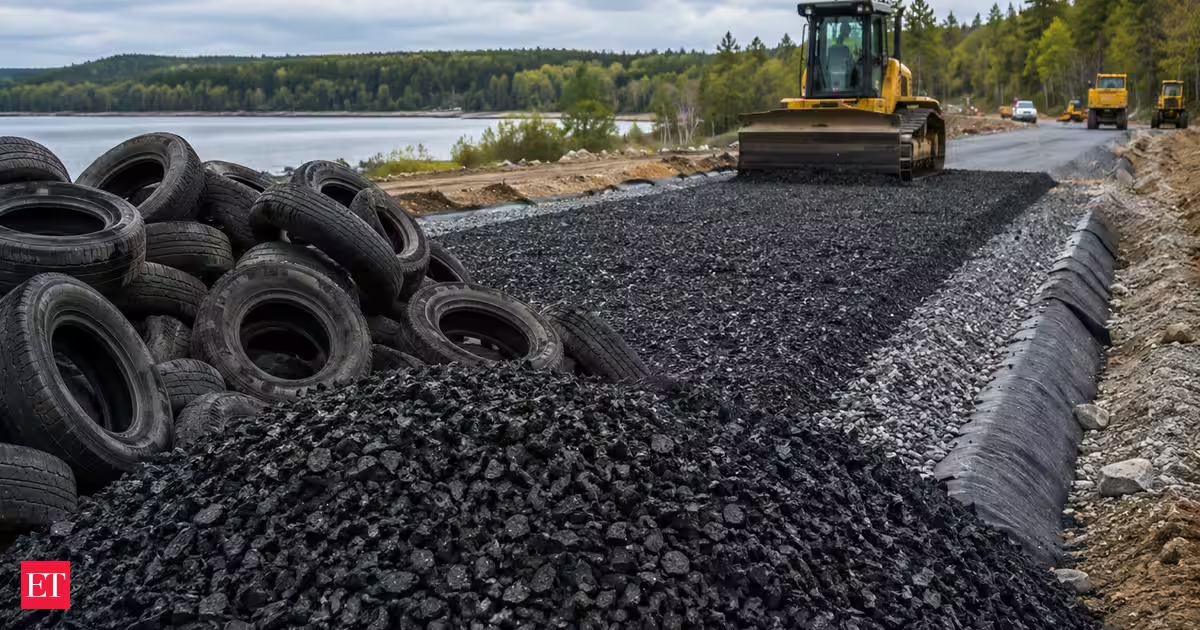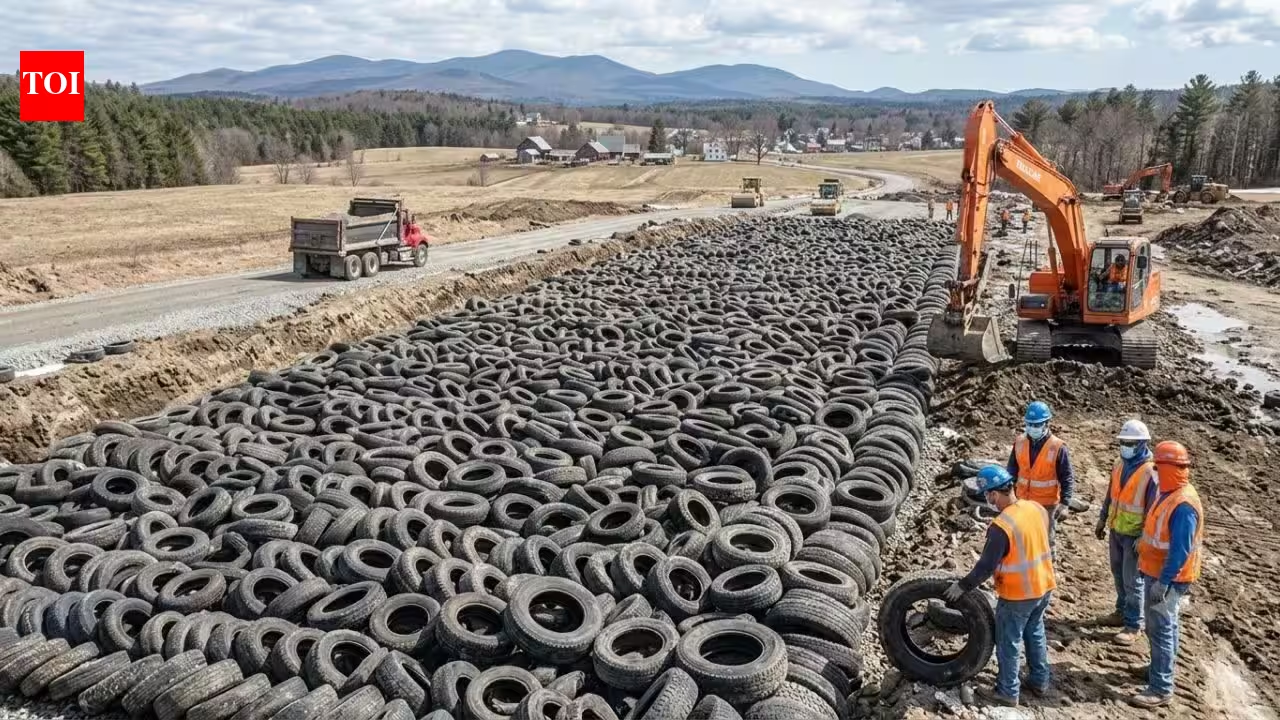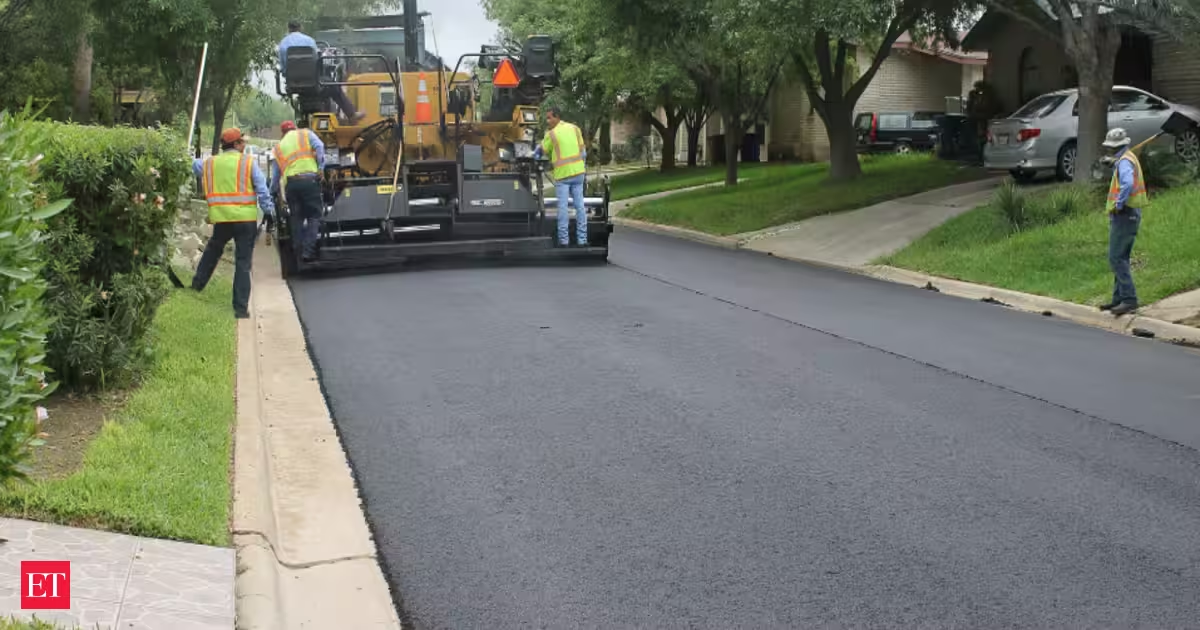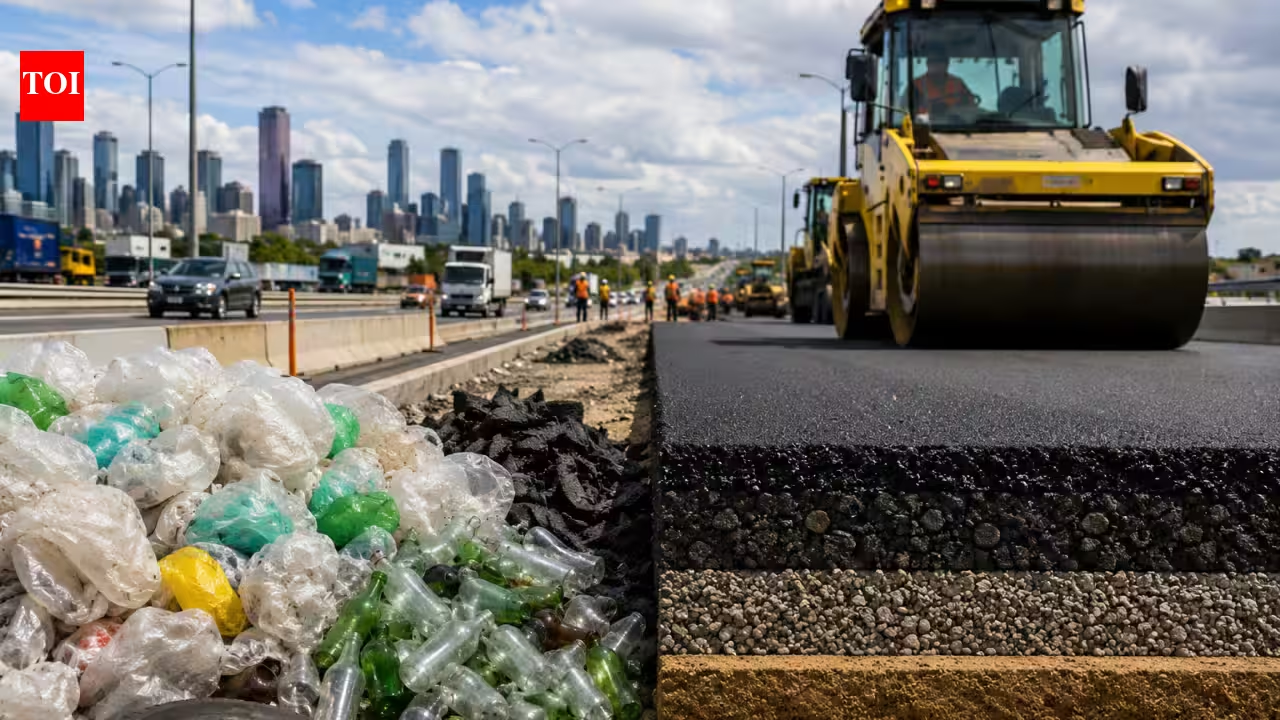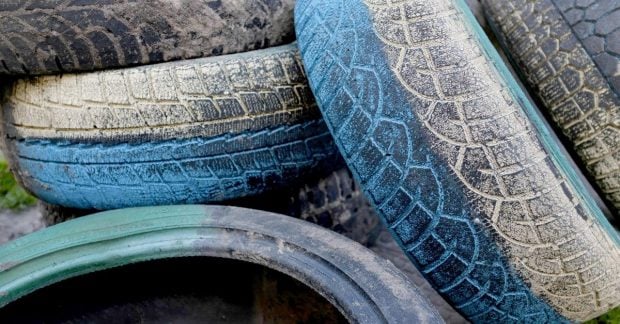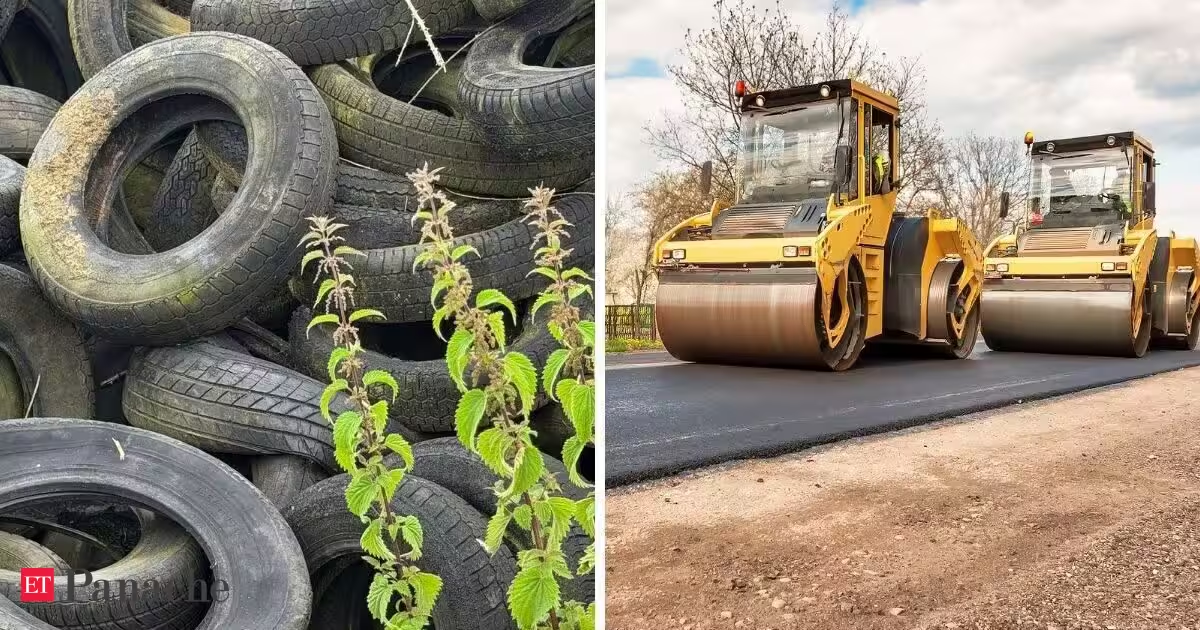
What if old tires could do more than sit in scrap yards or end up as waste? In Clare County, Michigan, thousands of used tires were given a second life as part of an experimental road project. A 1.15-mile stretch of W. Haskell Lake Road in Clare County has become a testing ground for recycled tire materials in asphalt. The project reused 32,600 passenger tire equivalents while researchers study whether the approach can make roads more durable, improve drainage and reduce traffic noise. Now, similar technology could soon reach city streets in Michigan.32,600 tires reused in a Michigan road projectThe Haskell Lake Road project is part of research led by Michigan Technological University researcher Zhanping You, whose team is investigating how waste tire rubber can be incorporated into road construction. Supported by a Scrap Tire Market Development grant, the research focuses on the long-term performance of roads built with recycled tire materials. The Clare County Road Commission is a key partner in the project.The 1.15-mile Haskell Lake Road test section used 32,600 passenger tire equivalents and approximately 3,788 tons of asphalt mixtures. The road was divided into different sections so researchers could compare rubberized pavement with conventional paving materials.Michigan Tech researcher Zhanping You is leading efforts to turn discarded tires into more durable, sustainable roads across Michigan. (Image Credit: Michigan Tech)Tire chips were used in innovative road layersThe project did more than simply mix recycled tire material into asphalt. According to Zhanping You’s Research Group, tire-derived aggregates were used to improve pavement drainage in Clare County. Some sections feature geotextile-wrapped tire-derived aggregates, described as a burrito design, while others use multiple layers in a configuration known as lasagna.Researchers are monitoring how these different designs perform over time, particularly under Michigan's challenging weather conditions. The goal is to determine whether recycled tire materials can contribute to more durable and sustainable infrastructure while keeping waste out of landfills.You Might Also Like:Michigan has millions of scrap tires to deal withThe need for alternatives is significant. According to Detroit Free Press, Michigan generates almost 10 million scrap tires every year, roughly one tire per resident. Scrap tires have long presented environmental and safety challenges. Tire piles can collect stagnant water, creating breeding grounds for mosquitoes and habitats for rodents. They can also catch fire and be extremely difficult to extinguish.Detroit Free Press reported that an infamous 1995 tire fire in Grawn, Michigan, involved around 500,000 scrap tires and burned for 23 days. Groundwater testing years later found PFAS contamination linked to firefighting foam used during the incident. Tires also cannot simply be landfilled intact because they can collect gases and rise back toward the surface, according to Kirsten Clemens, scrap tire coordinator for the Michigan Department of Environment, Great Lakes and Energy.Rubber could make roads more flexibleThe research is not only about waste reduction. Recycled tire rubber could also improve road performance. Michigan Tech researcher Zhanping You said earlier attempts to use larger pieces of scrap tires had not worked well, leading to reluctance within the industry. Two decades later, the technology has improved.You explained that rubber is more elastic, which makes asphalt more flexible. That flexibility can help pavement resist the cracking and potholes associated with cold and wet conditions. Researchers are also examining another unexpected benefit: noise reduction. “We knew rubber roads also reduced noise levels,” You said, explaining that drivers had noticed a difference. His team is now conducting specific tests to measure the reduction.You Might Also Like:Nearly 60,000 tires used across two Michigan roadsThe Clare County project is part of a larger effort. According to Recycling Today, the paving projects in Bay and Clare counties used material from about 59,500 tires across more than 5.5 miles of roadway. Michigan's EGLE awarded Michigan Technological University a $396,000 grant for project design and testing. The Bay County Road Commission resurfaced 4.5 miles of Seven Mile Road, while the Clare County Road Commission handled the 1.15-mile Haskell Lake Road section.Image credit: Recycling TodayBoth projects were divided into sections to allow side-by-side comparisons between rubberized and conventional paving. Michigan has already been experimenting with this approach for years. According to Recycling Today, four Michigan counties completed rubberized local-road projects using material from more than 30,000 tires in the previous year alone. Saginaw County also constructed two-mile sections of rubberized asphalt in 2005 and 2006.Michigan wants to take recycled tire roads to citiesThe state has made progress in finding uses for scrap tires. Recycling Today reported that, as of 2022, Michigan's major scrap tire processing businesses were no longer sending regular scrap materials to landfills, with recovered material being used for roads, mulch, rain gardens, septic fields, construction products, porous pavement and tire-derived fuel.Kirsten Clemens described the scrap tire market as moving from waste management toward creating economic value. However, Michigan's changing energy policies have created another challenge. Detroit Free Press reported that legal changes taking effect in early 2024 removed tire-derived fuel from the state's list of renewable energy sources. As a result, an estimated 2.5 million to 3.5 million tires that previously went toward energy production came back into the waste stream.You Might Also Like:That makes new uses for tire material even more important. Michigan Tech says You and his team have already completed work in 20 Michigan counties, including Bay, Dickinson and Kalamazoo. The next step could take recycled tire technology into urban areas, with researchers planning to expand their work to city streets in Ann Arbor and Detroit.The Clare County road is therefore more than a recycling experiment. It is part of a larger effort to find out whether millions of discarded tires can become a useful ingredient in the roads Michigan drives on every day.
32,600 used tires did not go to a landfill. Instead, Michigan turned them into a 1.15-mile road in Clare County that can also reduce traffic noise. The next target is Detroit roads
Michigan is turning discarded tires into road-building material, with 32,600 passenger tire equivalents reused on a 1.15-mile stretch of Haskell Lake Road in Clare County. Led by Michigan Tech researcher Zhanping You, the project tests rubberized asphalt for durability, drainage and noise reduction. With Michigan generating nearly 10 million scrap tires annually, researchers are now exploring similar sustainable road projects in Ann Arbor and Detroit.
945 words~4 min read