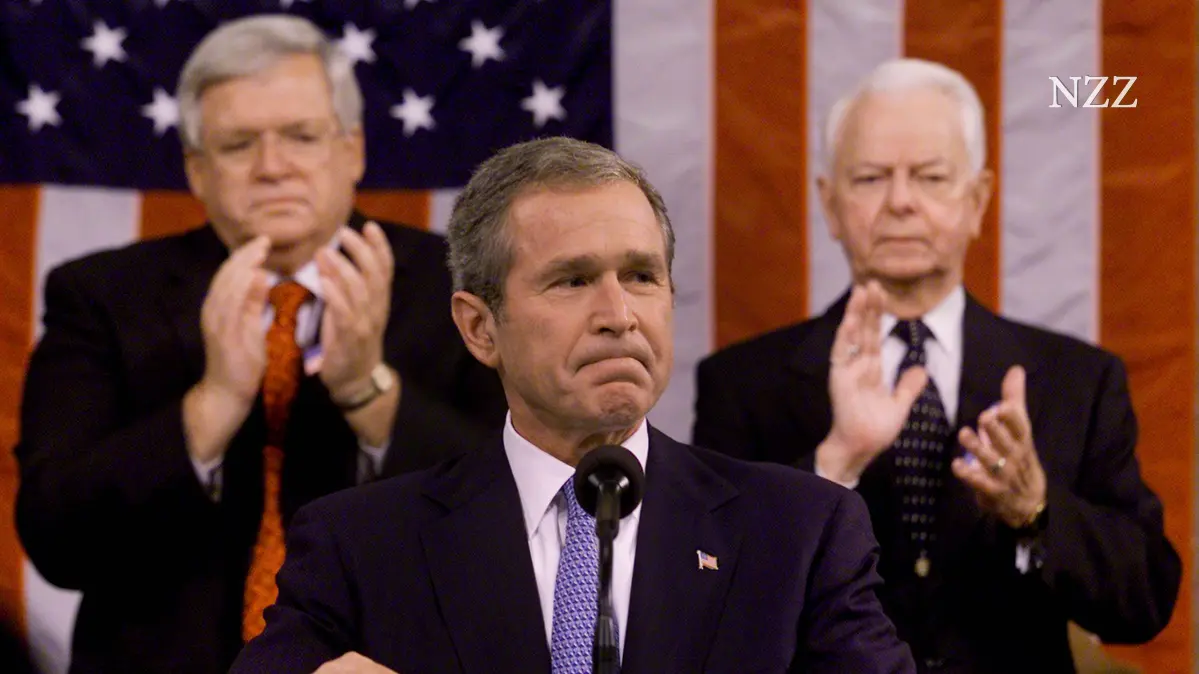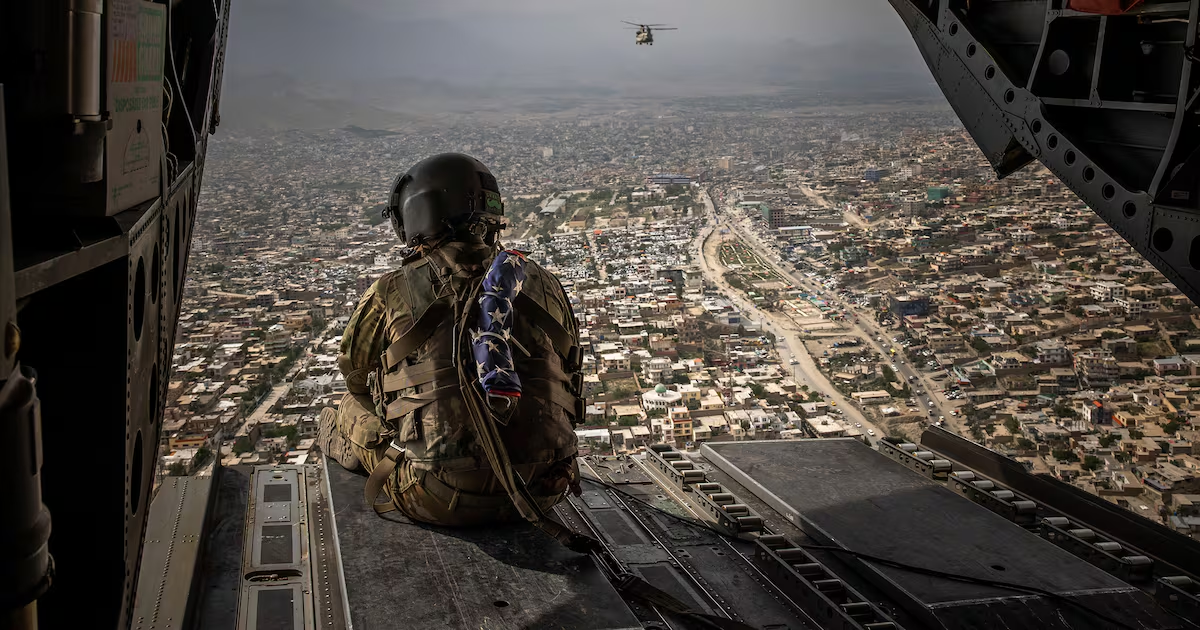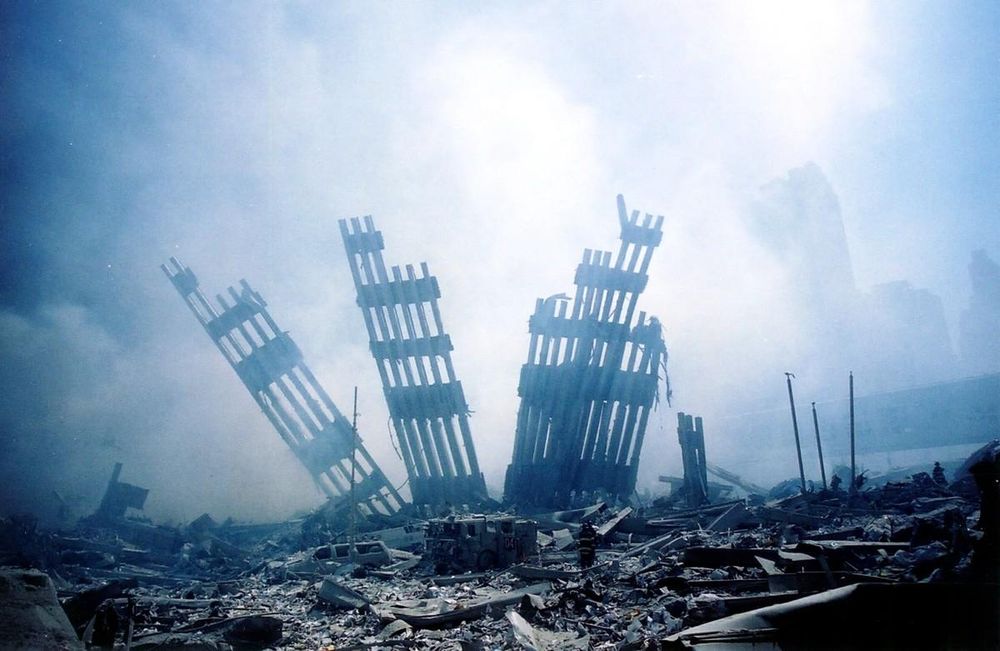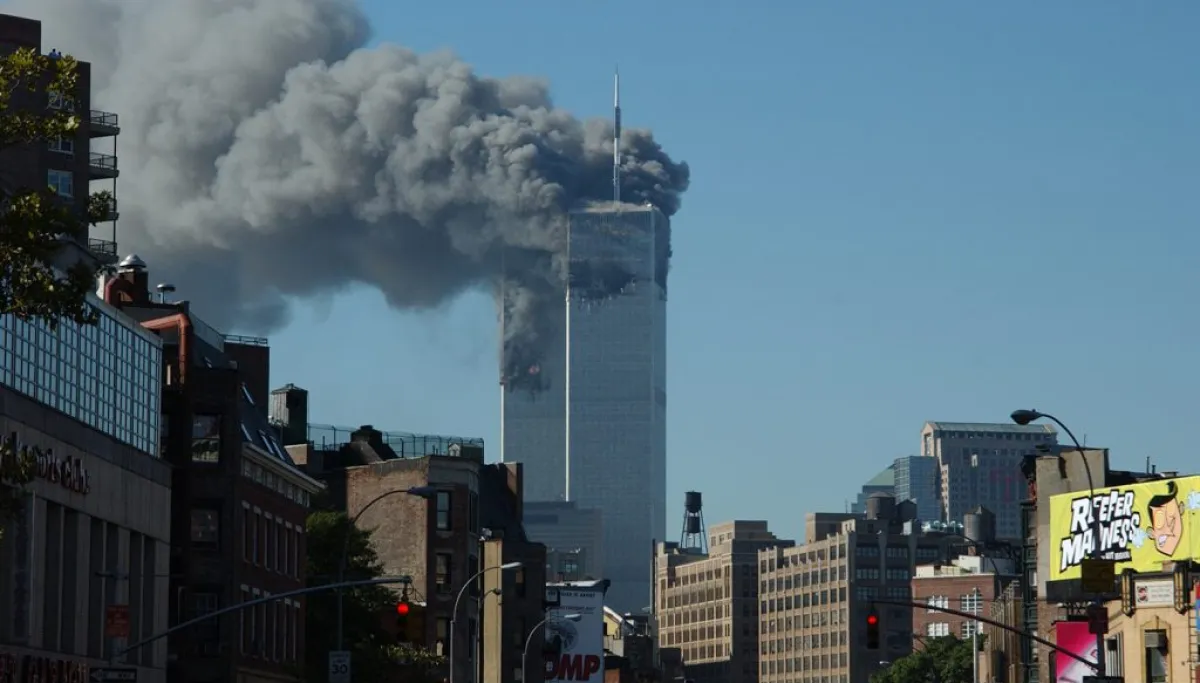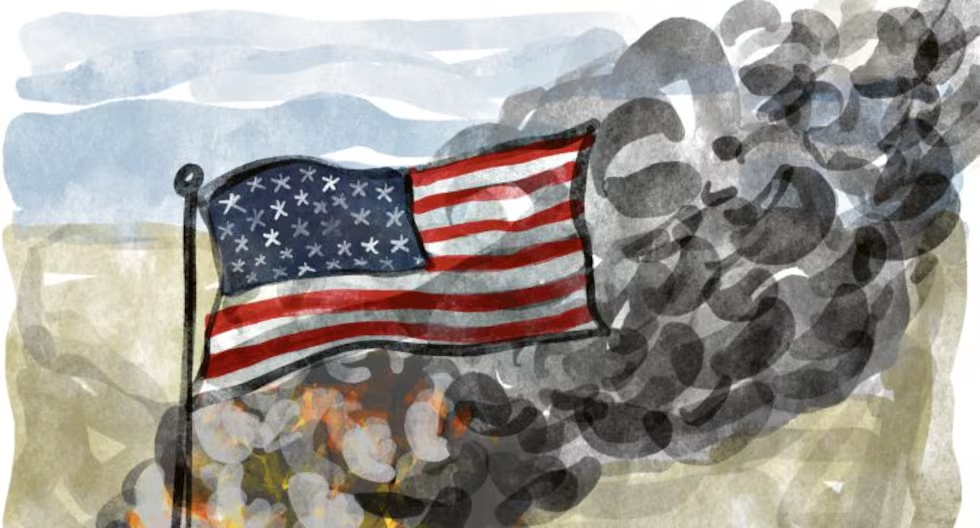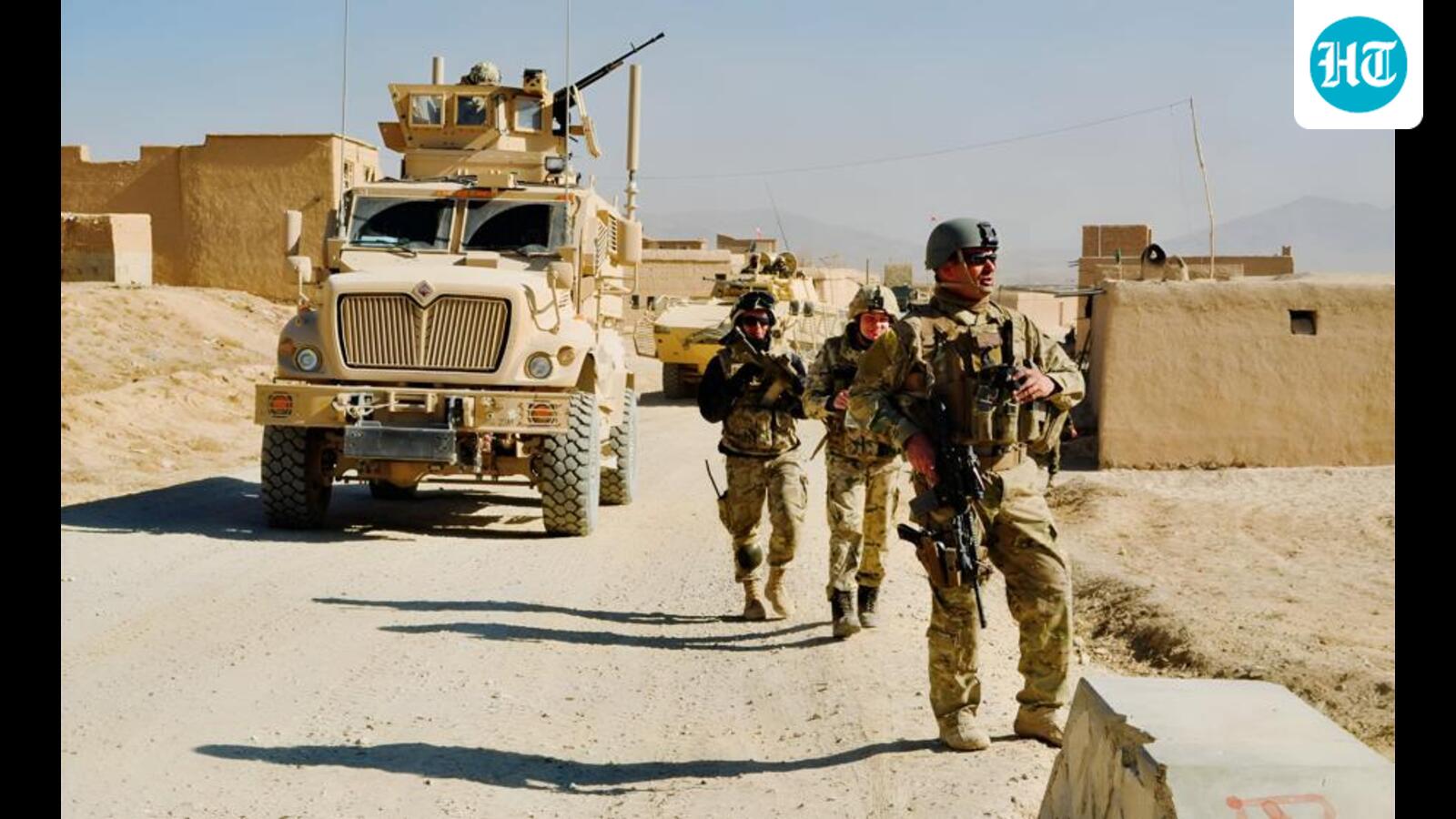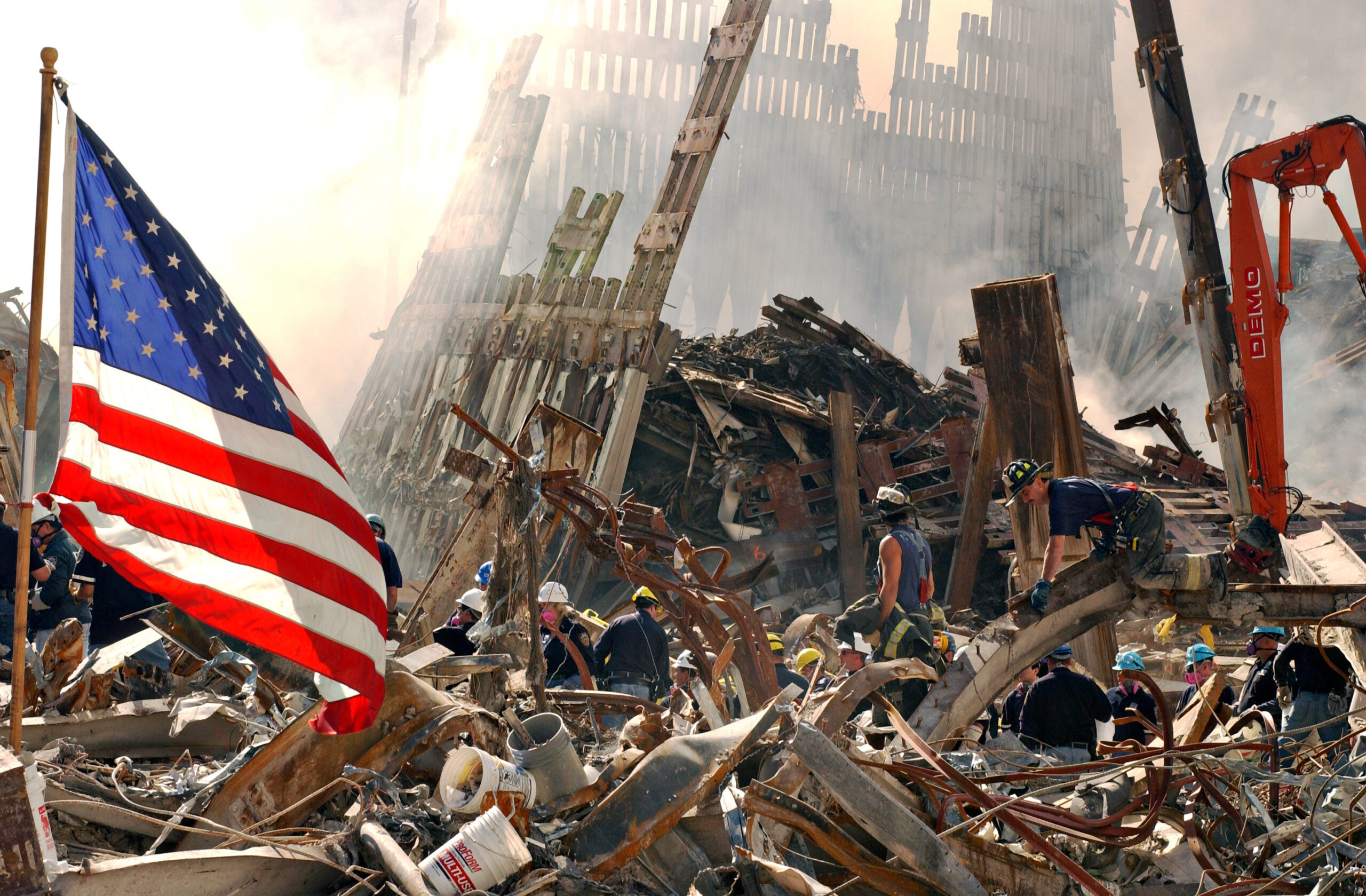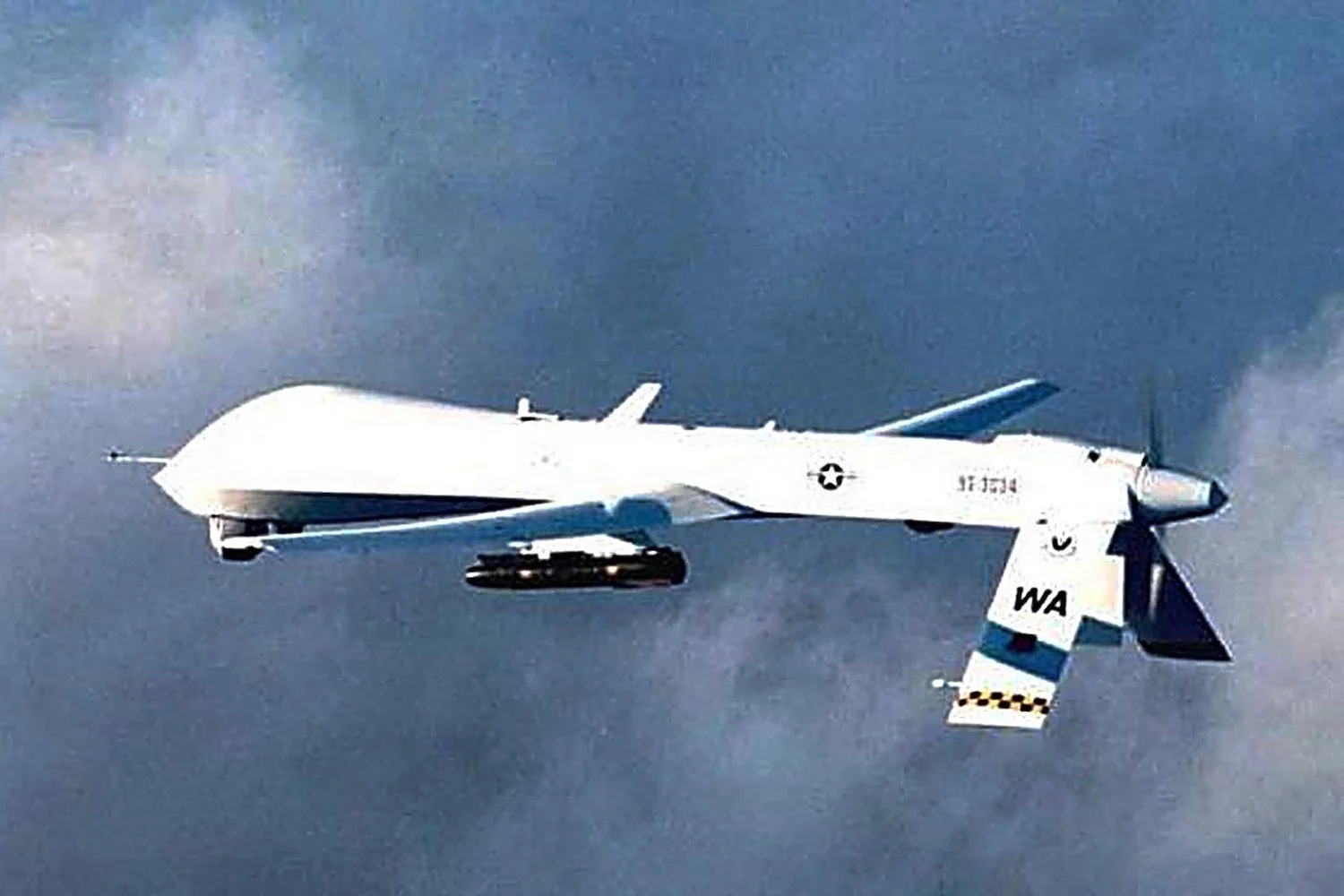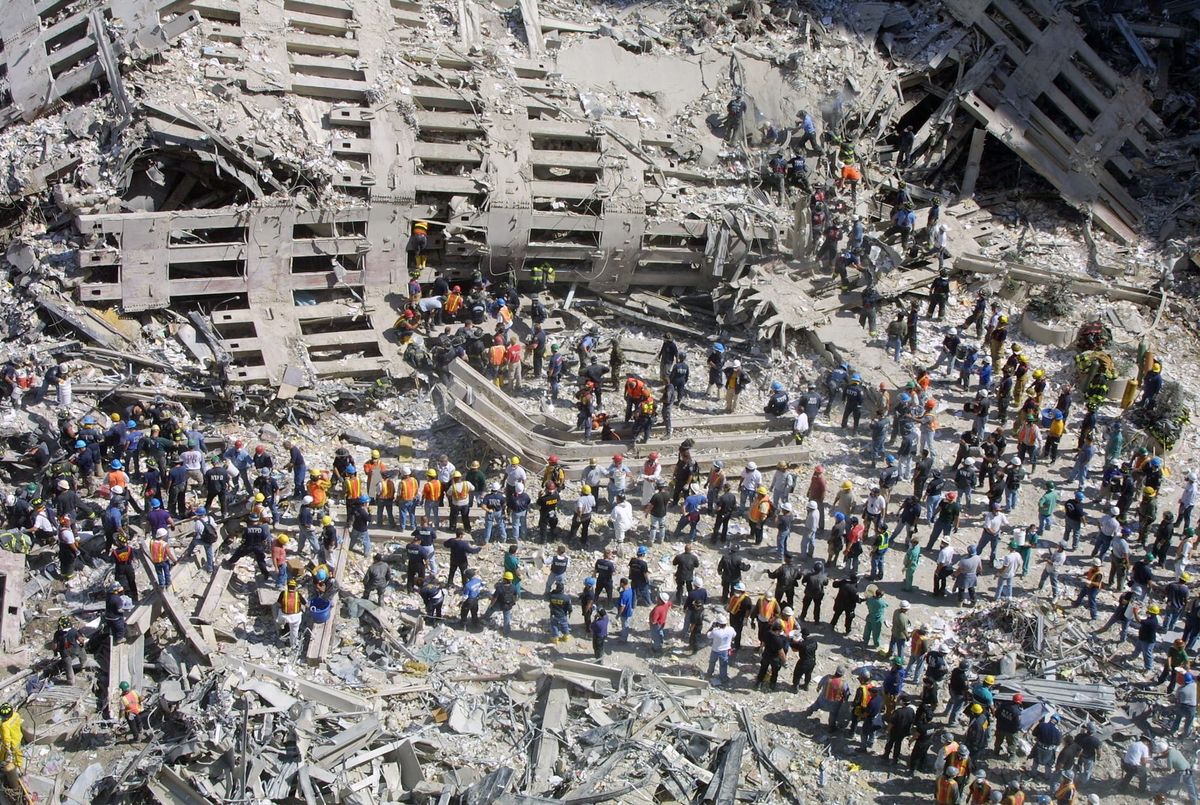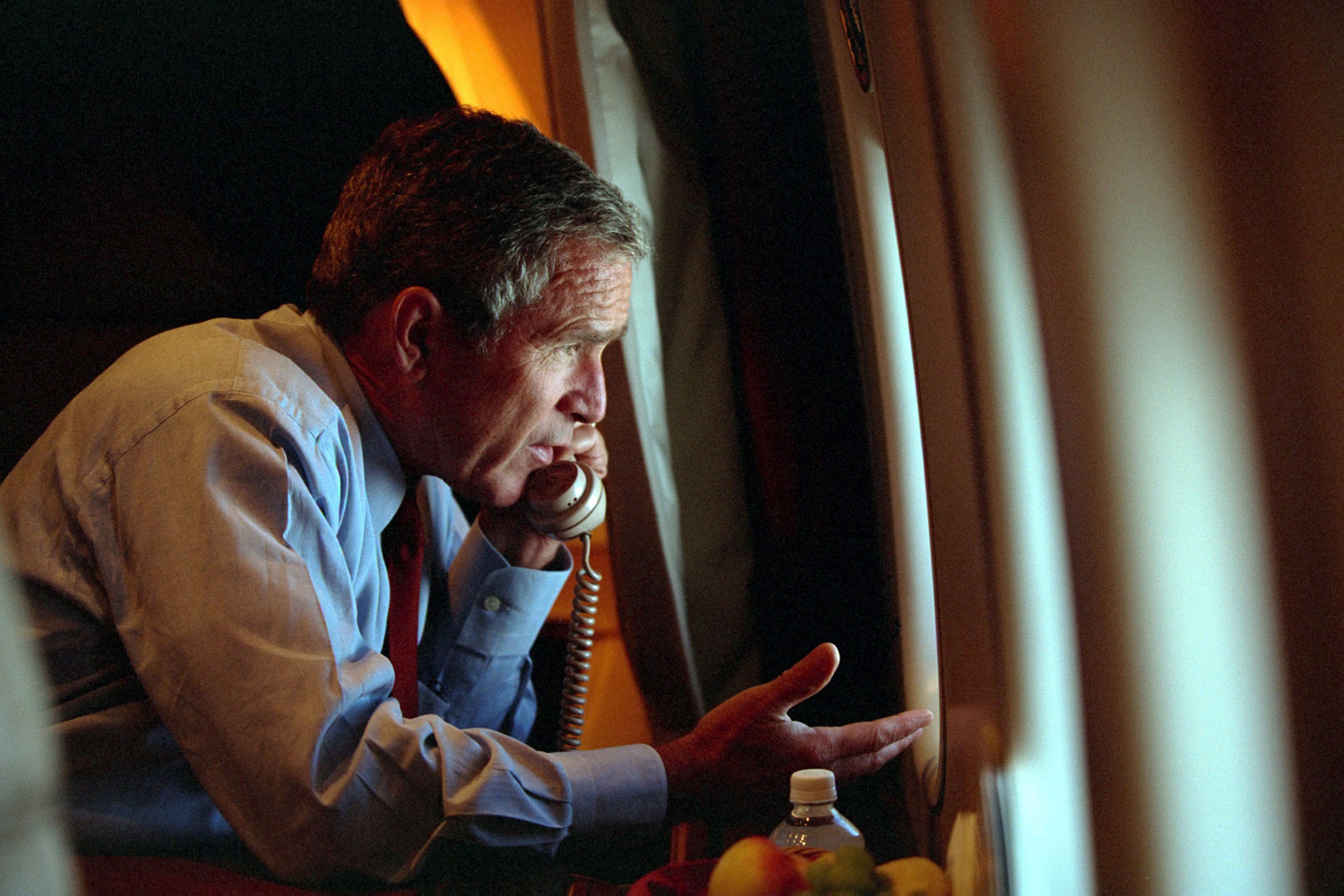
The war on terror is over. It lasted from Sept. 11, 2001, to the U.S. withdrawal from Afghanistan in August 2021. As we approach the 25th anniversary of 9/11, it is useful for both historical and policy reasons to define the parameters of this conflict.
The war on terror had three primary qualities that define it as a historical period. The first was that policymakers viewed terrorism as a form of war and a high-level strategic threat. The second was that counterterrorism strategy sought not only to protect the U.S. homeland but to change the international system in order to attack the root causes of terrorism. The third was that the war on terror was essentially an attempt to deal with the rise of global jihadism.
These three traits have now faded or been eclipsed by other priorities. The era in which terrorism formed the lodestar for U.S. strategy has ended. Realizing this not only helps policymakers situate themselves in the world but offers them the chance to bury habits that plagued U.S. foreign policy during the war on terror itself. These habits included the tendency to concede too much to countries that assisted in fighting terrorism and turning other countries’ terrorist enemies into U.S. enemies.