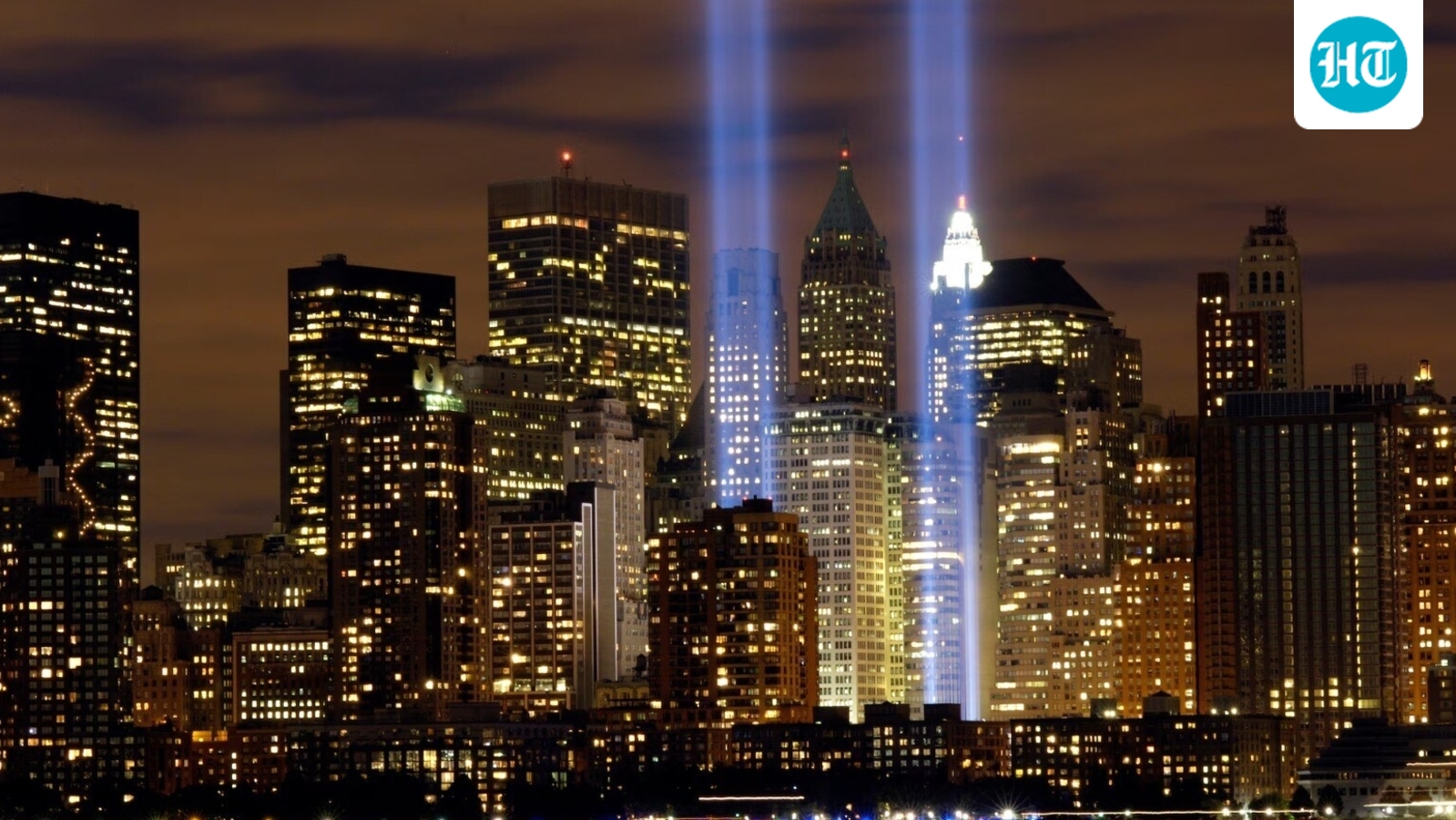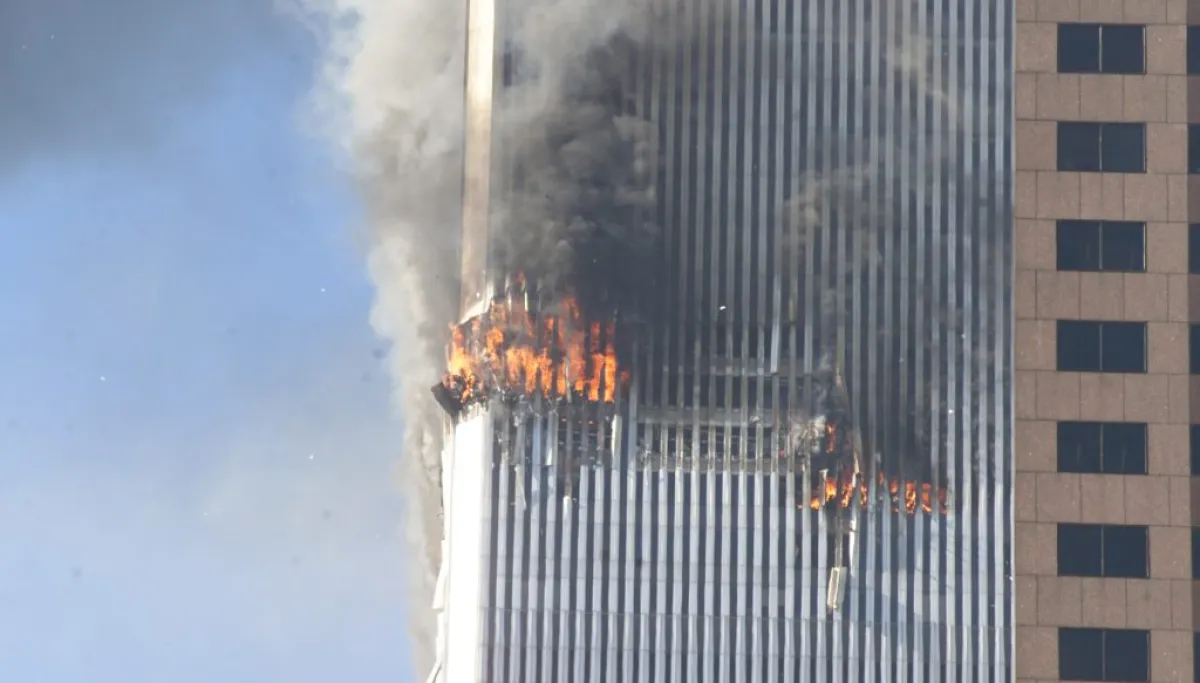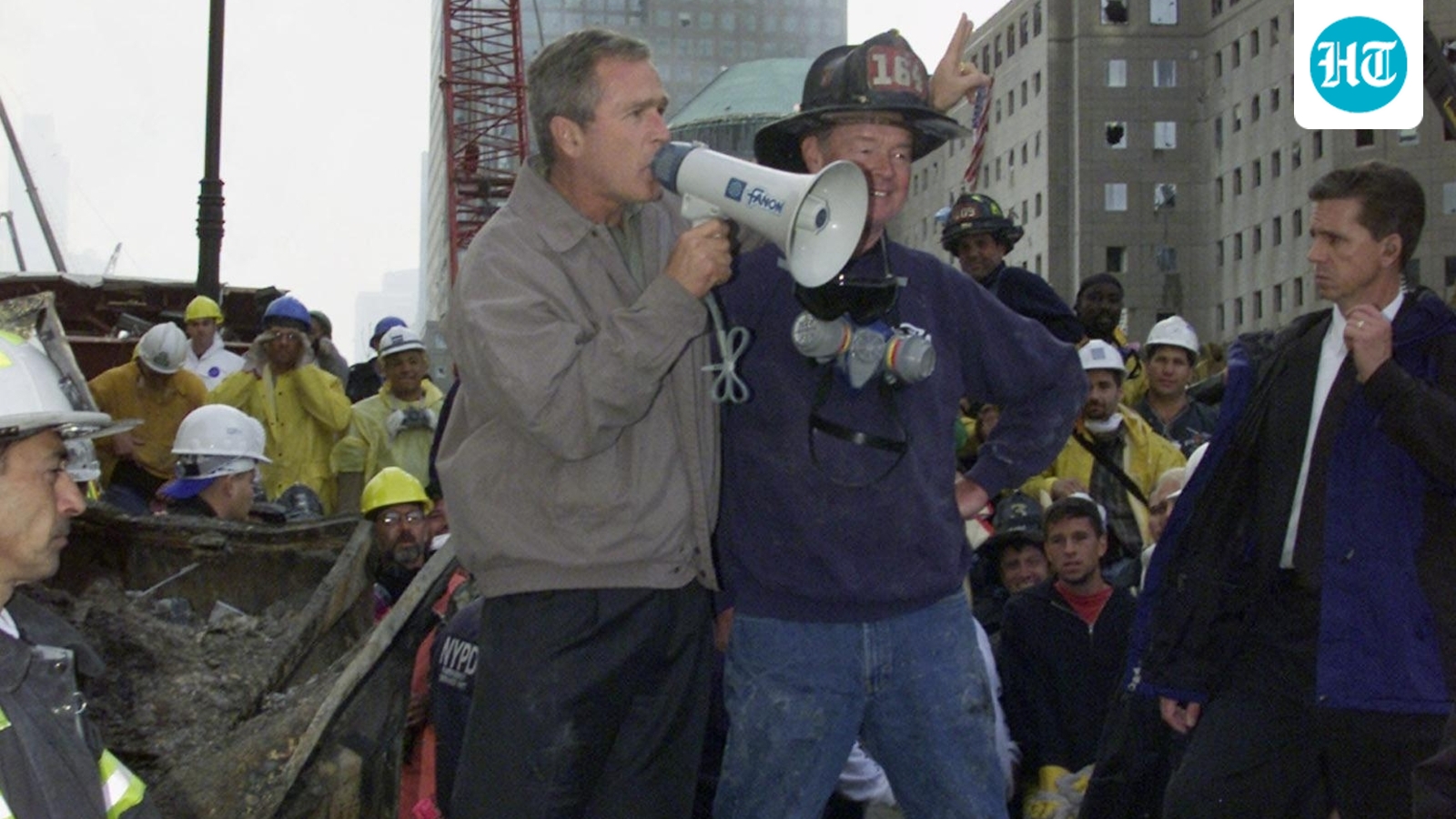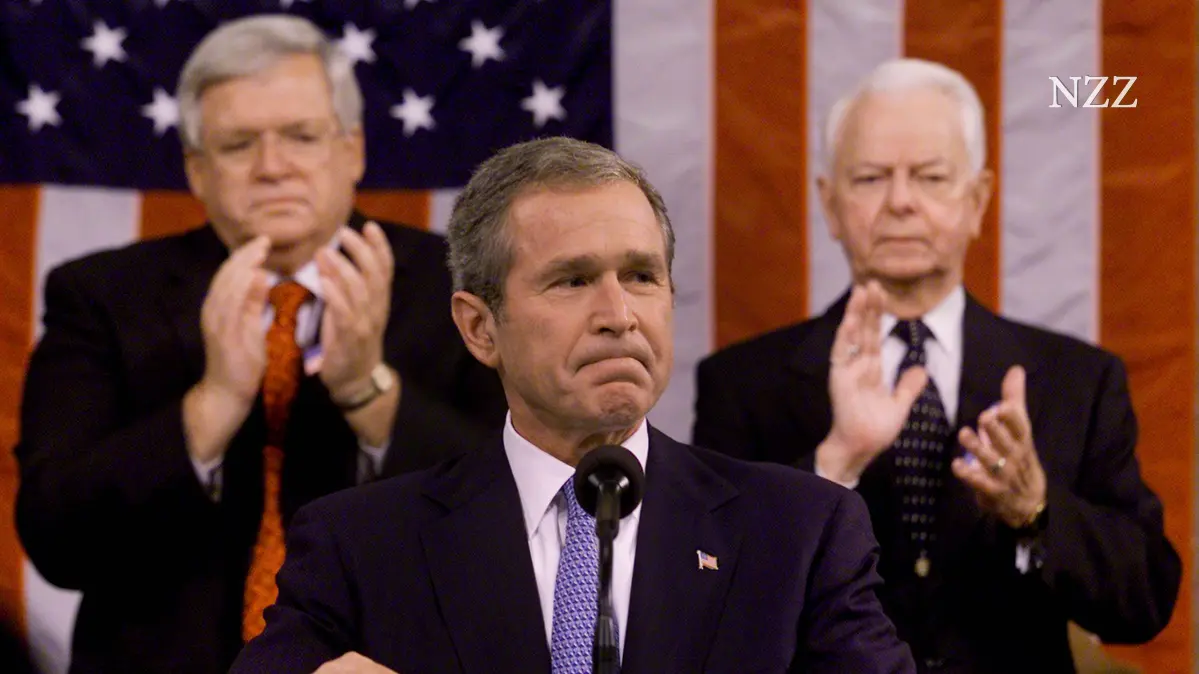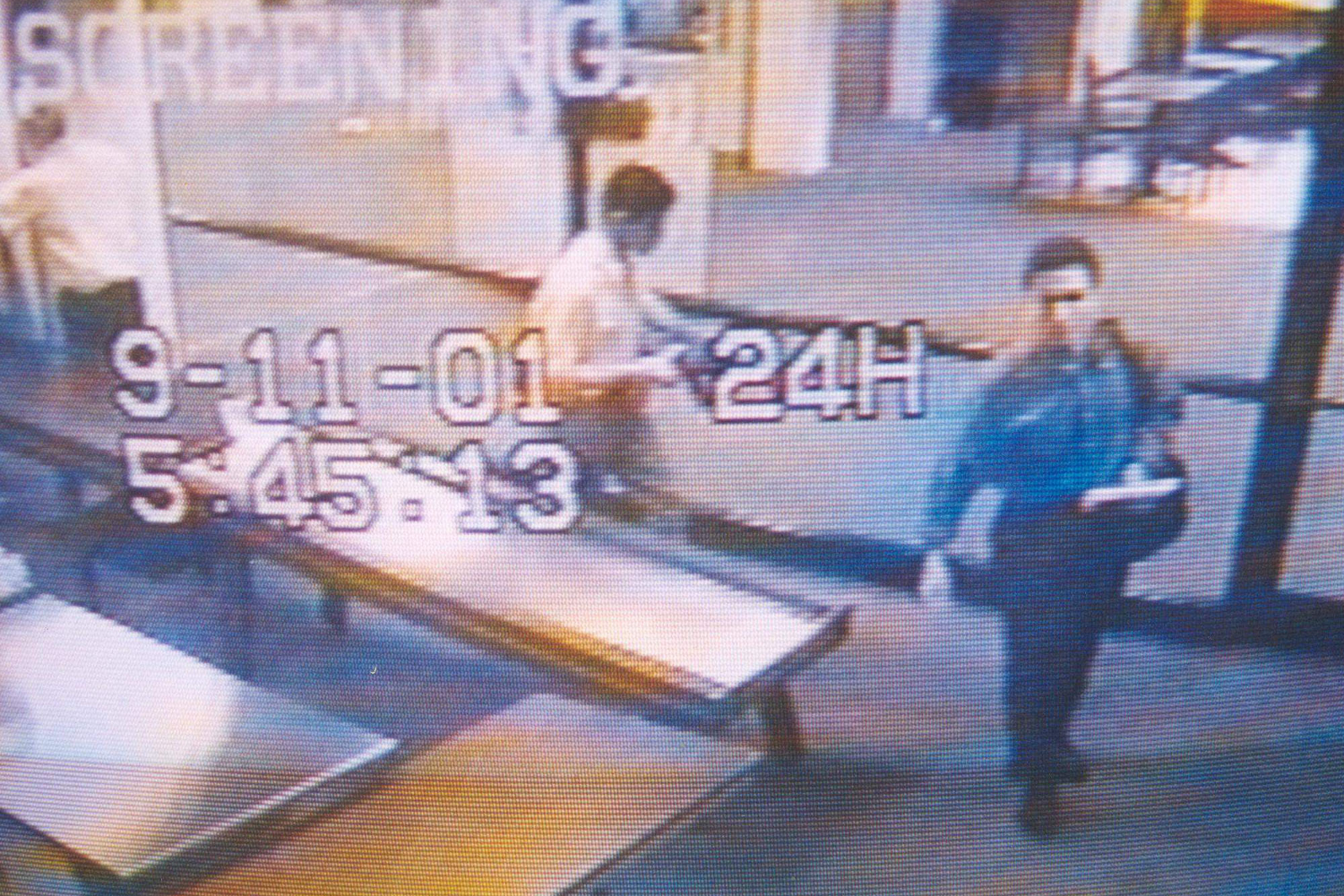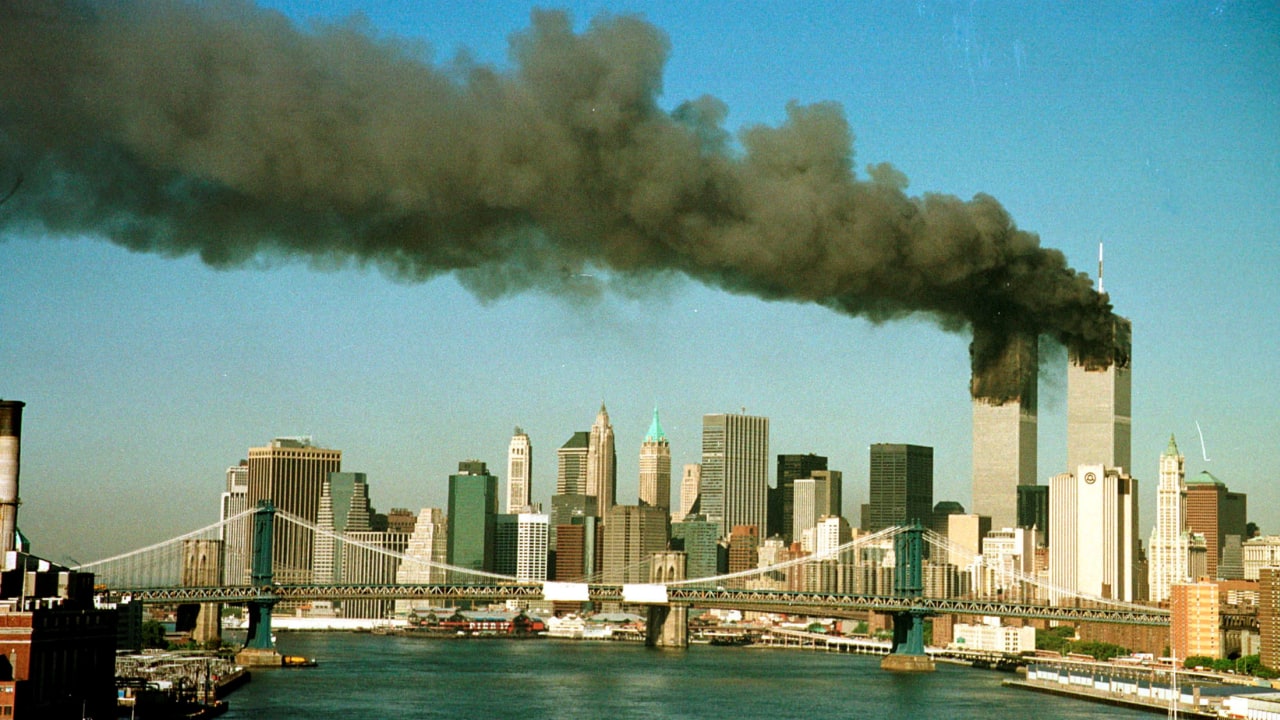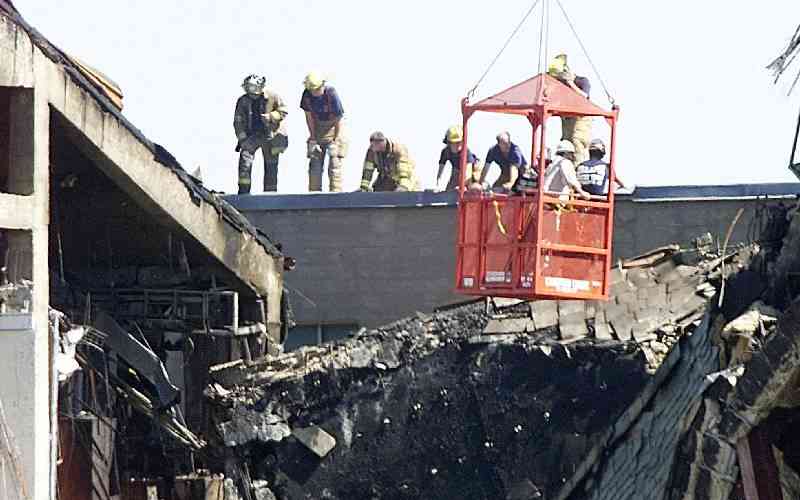
A quarter century after the September 11 attacks emboldened then-President George W. Bush to launch the “war on terror,” many Americans might like to think they’re wiser than the politicians and pundits who unleashed a flood of anti-Muslim hatred and eroded civil liberties through warrantless wiretaps and racist deportation campaigns.
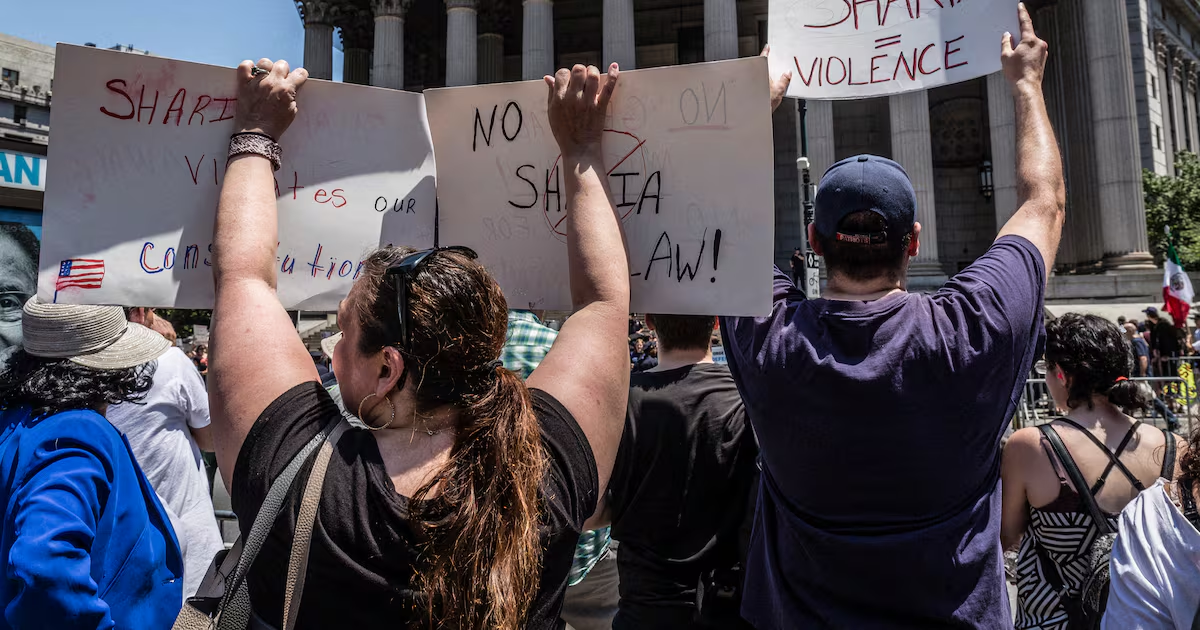
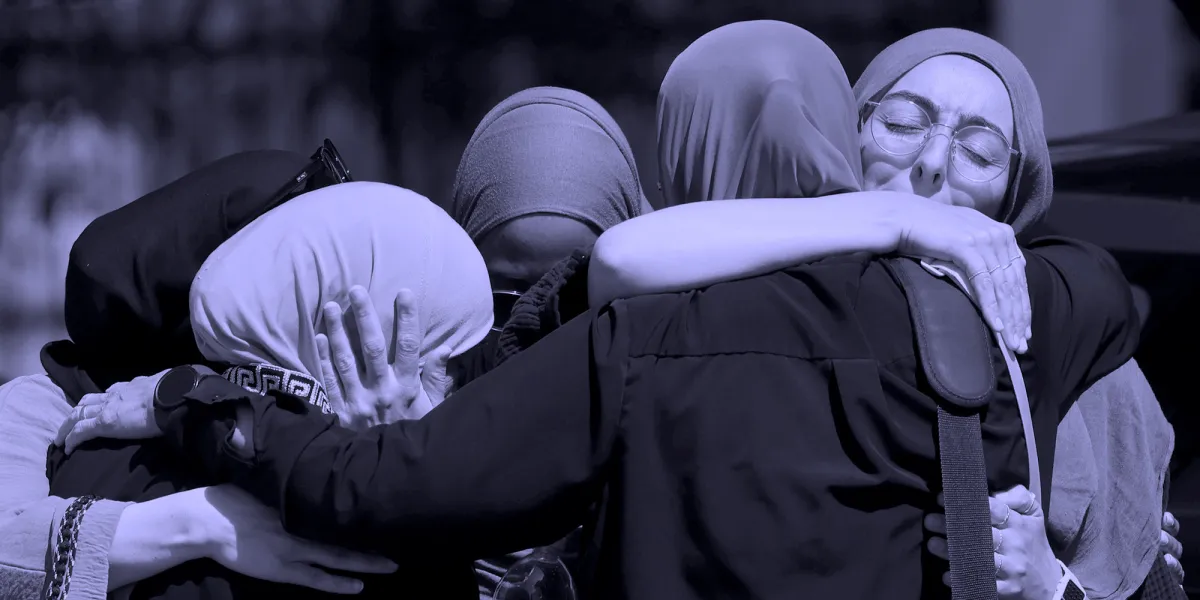
But some of the most notorious Bush-era advents — like the Department of Homeland Security and the prison colony at Guantánamo Bay — don’t appear to be going anywhere. Nor does the phenomenon of Islamophobia, which is playing a major role in the current political cycle. Michigan Democratic Senate nominee Abdul El-Sayed — who, if elected, would be the first Muslim U.S. senator — has been called a terrorist, a radical Islamist, and a threat to national security, as pro-corporate and pro-Israel super PACs spend millions on ads that paint him as a terrorist sympathizer. In New York City, meanwhile, local media has suggested that the city’s first Muslim mayor, Zohran Mamdani, should not attend the commemoration of the World Trade Center attacks, as if to do so would be an insult to the victims and their families.
“Islamophobia actually becomes more rampant during election season — not necessarily after a terrorist attack, but actually during election season in the U.S.,” journalist Rozina Ali tells The Intercept Briefing. “What’s happened over the last three decades is that Islamophobia has become a feature of American politics. … When you can’t actually discuss the policies, when we’re not willing to engage in facts, it’s really easy to throw racist rhetoric at people.”