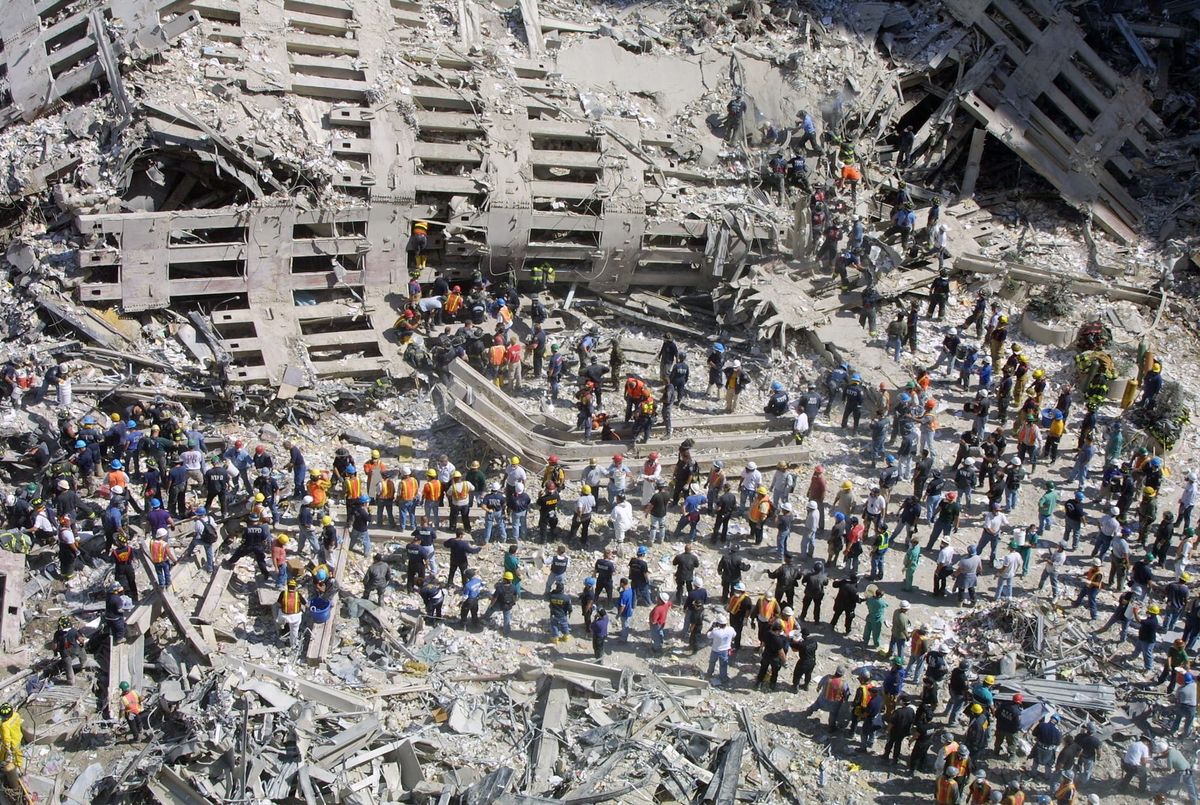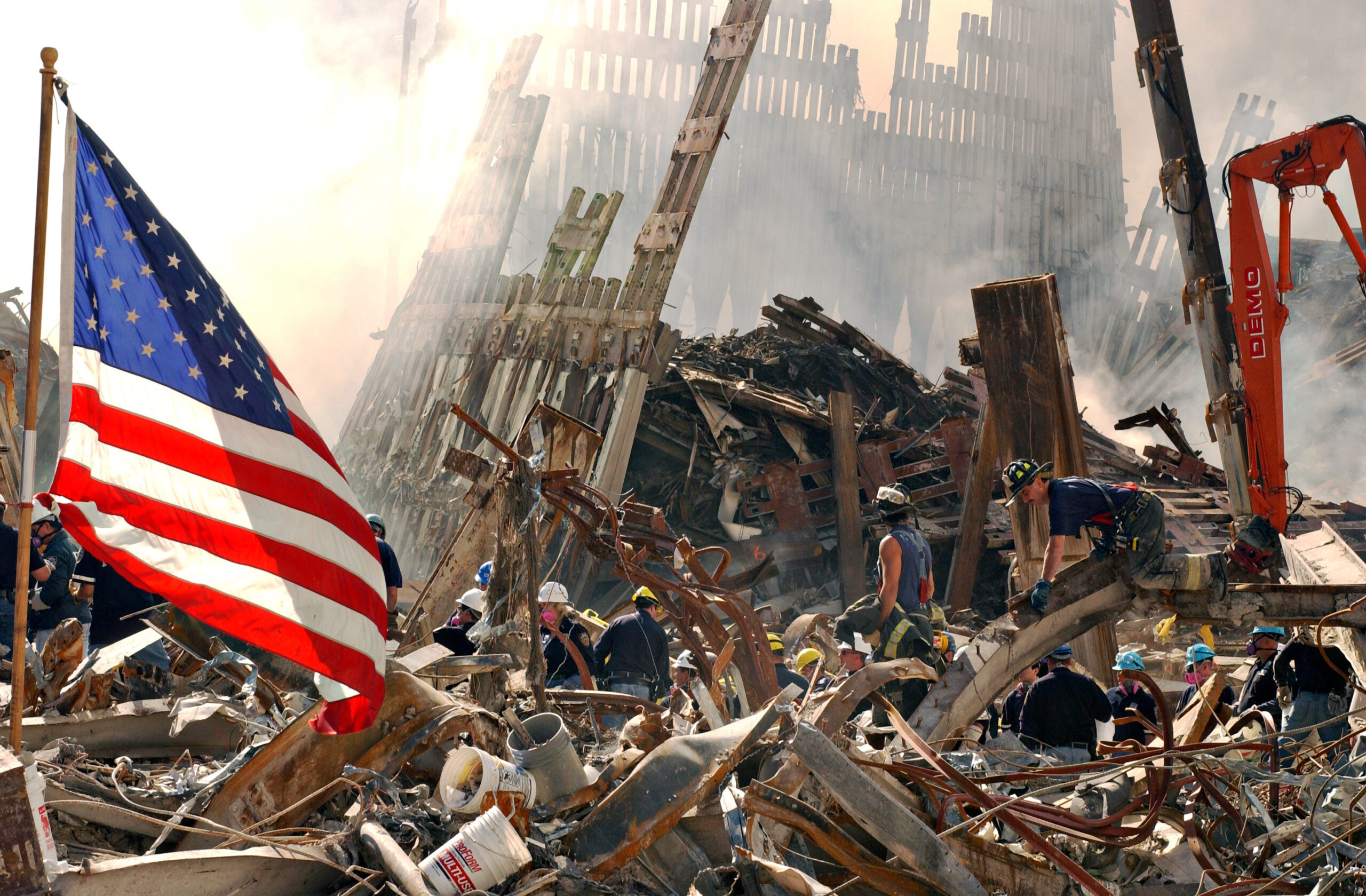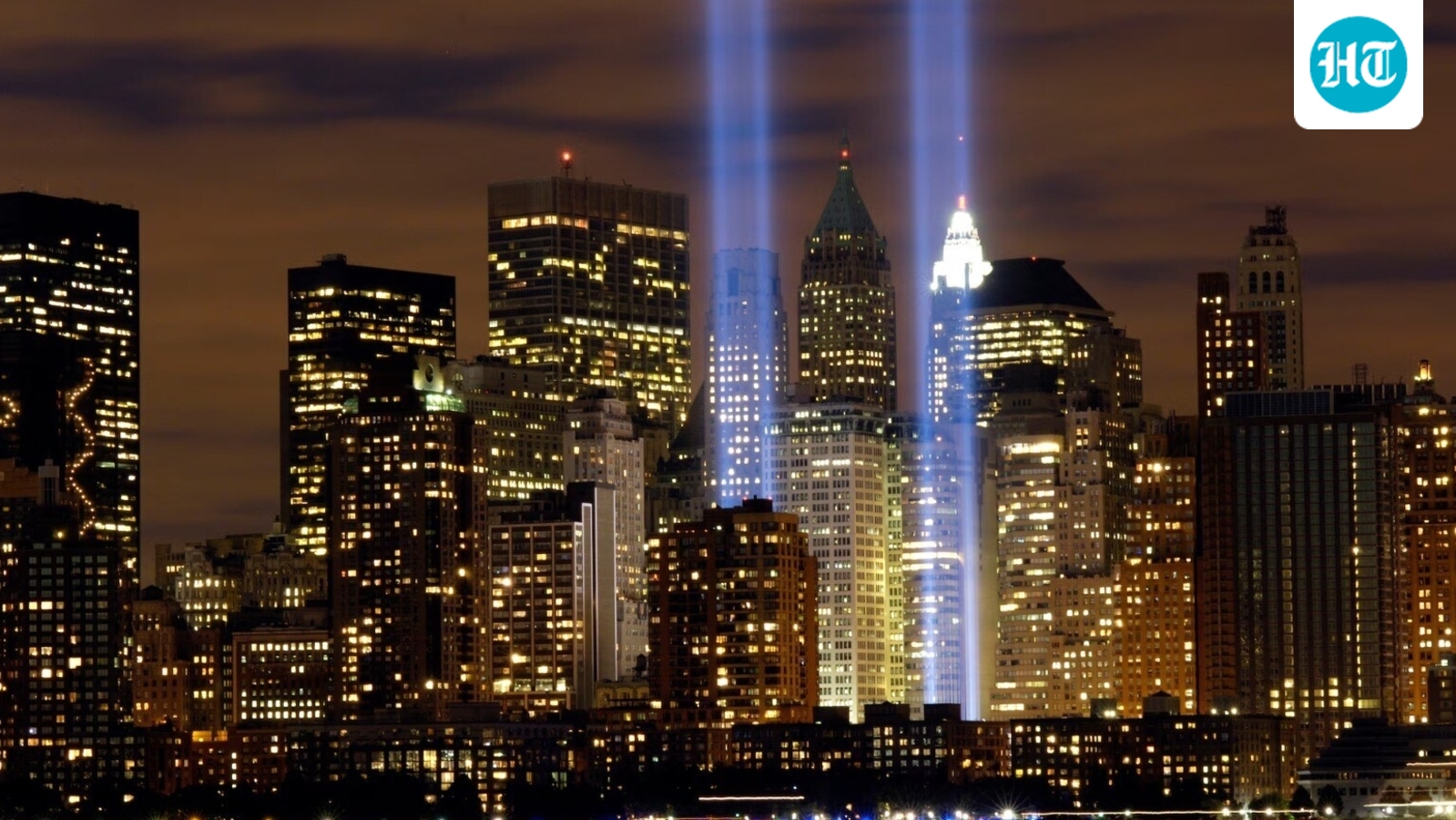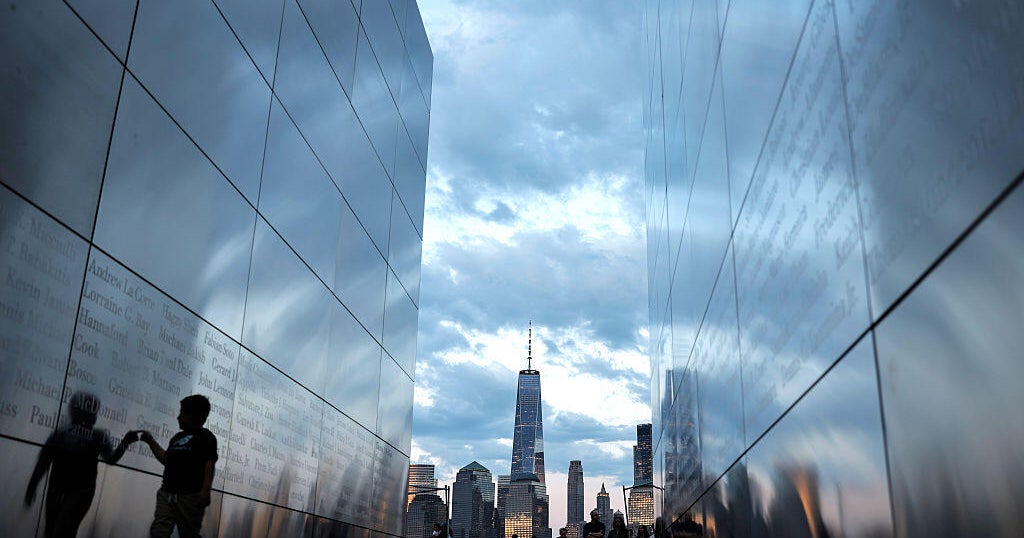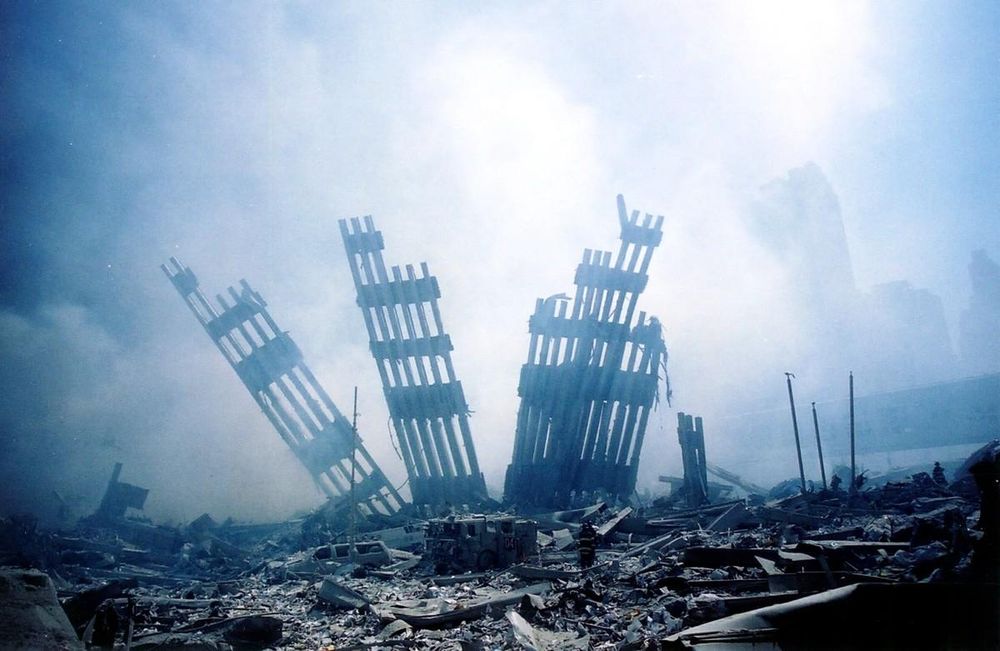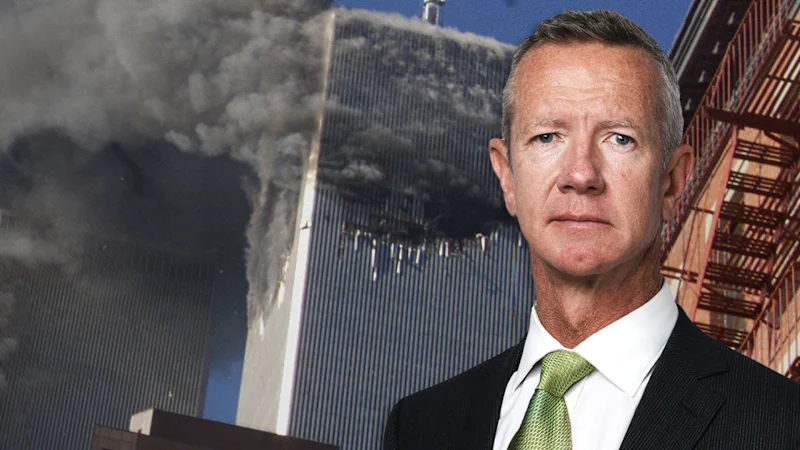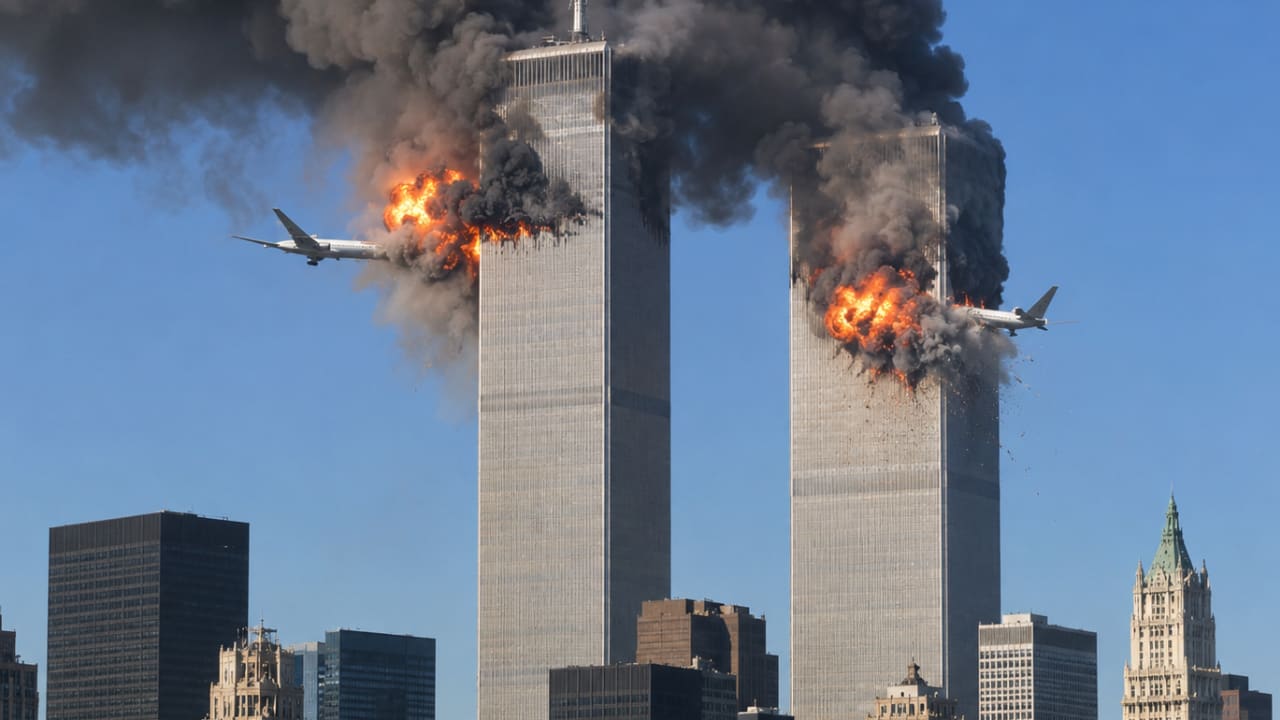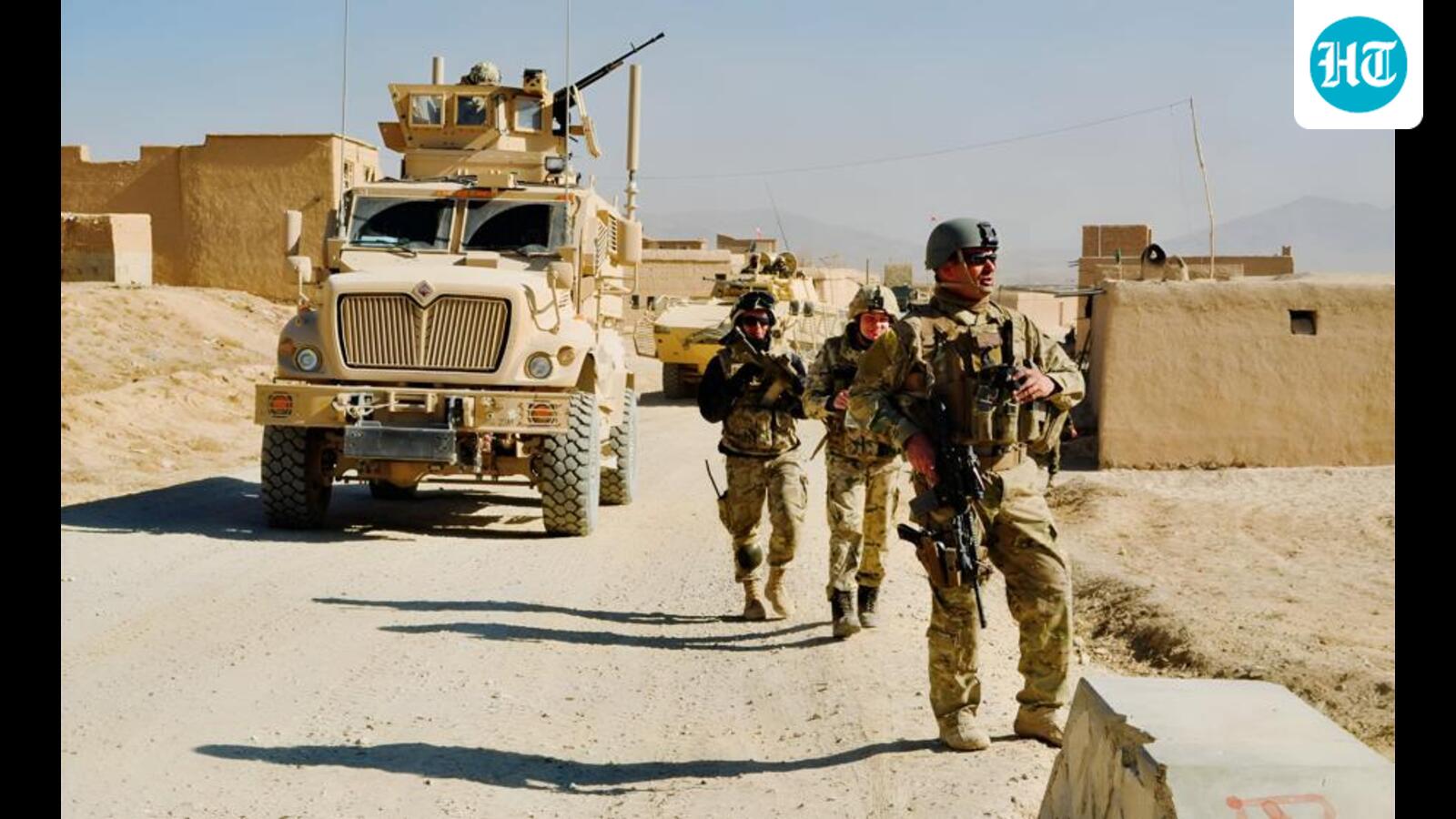
9/11 united the United States; the then US President’s war on terror enjoyed almost universal support, and for some time, the incumbent at White House enjoyed record ratings. Neither lasted. The terror attacks, playing out across live TV, mainstreamed terrorism in a way that it had never been before, fanning real fears, and resulting in expected outcomes as the US, and the world, simply bunkered down. Metal detectors and wands became ubiquitous; airport security, more stringent; and people in general, more paranoid and suspicious, especially of those who looked different or had Muslim names — and not just in the US.US military interventions in Iraq and Afghanistan, ambitiously named the War on Terror, resulted in two decades of turbulence in West Asia. The US emerged more of a global bully than a leader during and in the aftermath of this operation. (Shutterstock)The mastermind of one of the most documented violent events in the world stayed under the radar for years. Al Qaida chief Osama bin Laden was only eliminated in a covert operation by the US special forces in 2011 in a city in Pakistan, which touted itself as the US’ staunchest ally in the war against terror. Terrorists and spymasters from that country were also behind 26/11 (the November 26, 2008) terror attacks in Mumbai that reminded the world that 9/11 was not a one-off event.US military interventions in Iraq and Afghanistan, ambitiously named the War on Terror, resulted in two decades of turbulence in West Asia. The US emerged more of a global bully than a leader during and in the aftermath of this operation. The uncomfortable legacies of these interventions live on in the continuing civil strife in the countries where the George W Bush administration decided to go to war with terrorists. Domestically, the US didn’t stay united for long; polarisation within US society increased despite a heightened sense of patriotism. With the rising human and material costs of a forever war, discontent rose, too. The 2008 financial crisis made things worse globally.On the security front, the war against terror continues in different parts of the world — including on US soil — without fetching the sense of security that 9/11 snatched from Americans (and 26/11 from Indians). In the US, instances of racist, communal, and ethnic violence have shot up since and it’s not just hijacked airplanes that now terrorise an average citizen of the most powerful country in the world. The 25th anniversary of 9/11 is a sombre reminder to the world that ham-handed wars don’t defeat ethno-religious terrorism. It just changes form and location. As Palestinian-American poet Suheir Hammad wrote in November, 2001, on the attacks, there’s “no poetry in ashes south of Canal, no prose in trucks driving debris and DNA.”The world changed, and we are all still dealing with the consequences.
25 years of 9/11
It is a sombre reminder that ham-handed wars don’t defeat ethno-religious terrorism
470 words~2 min read