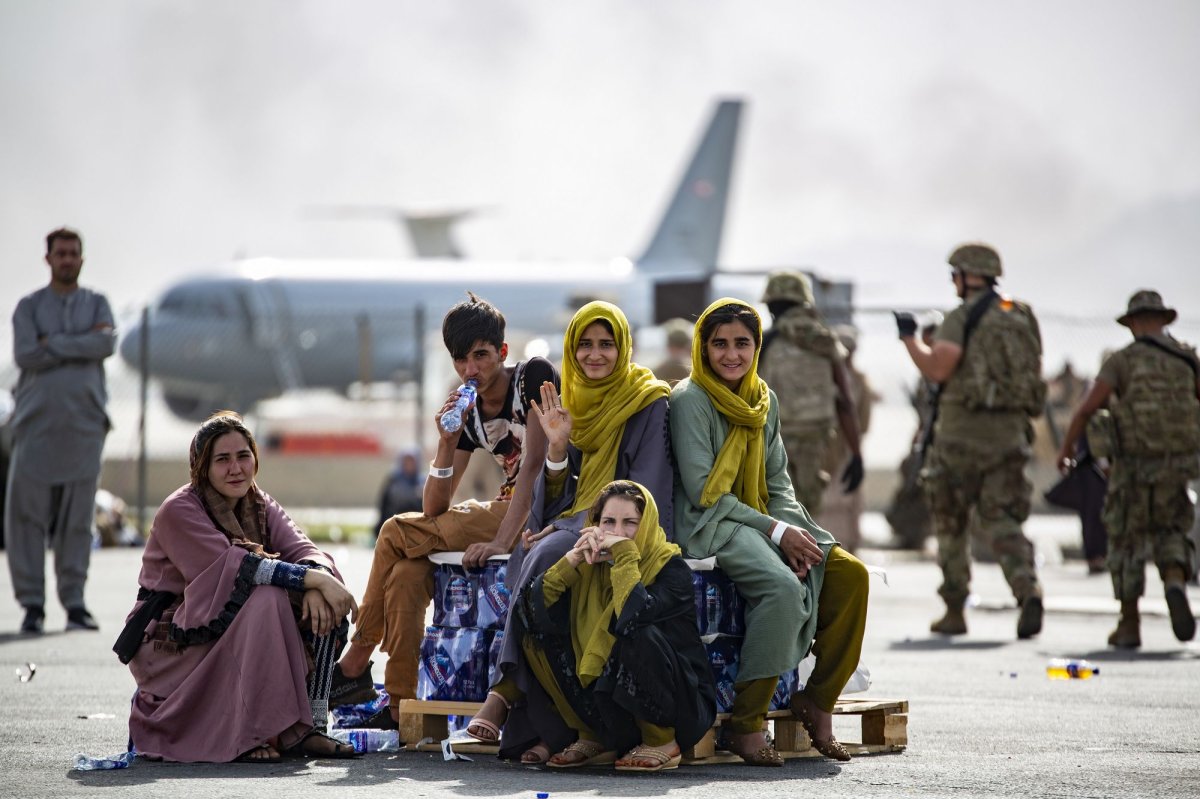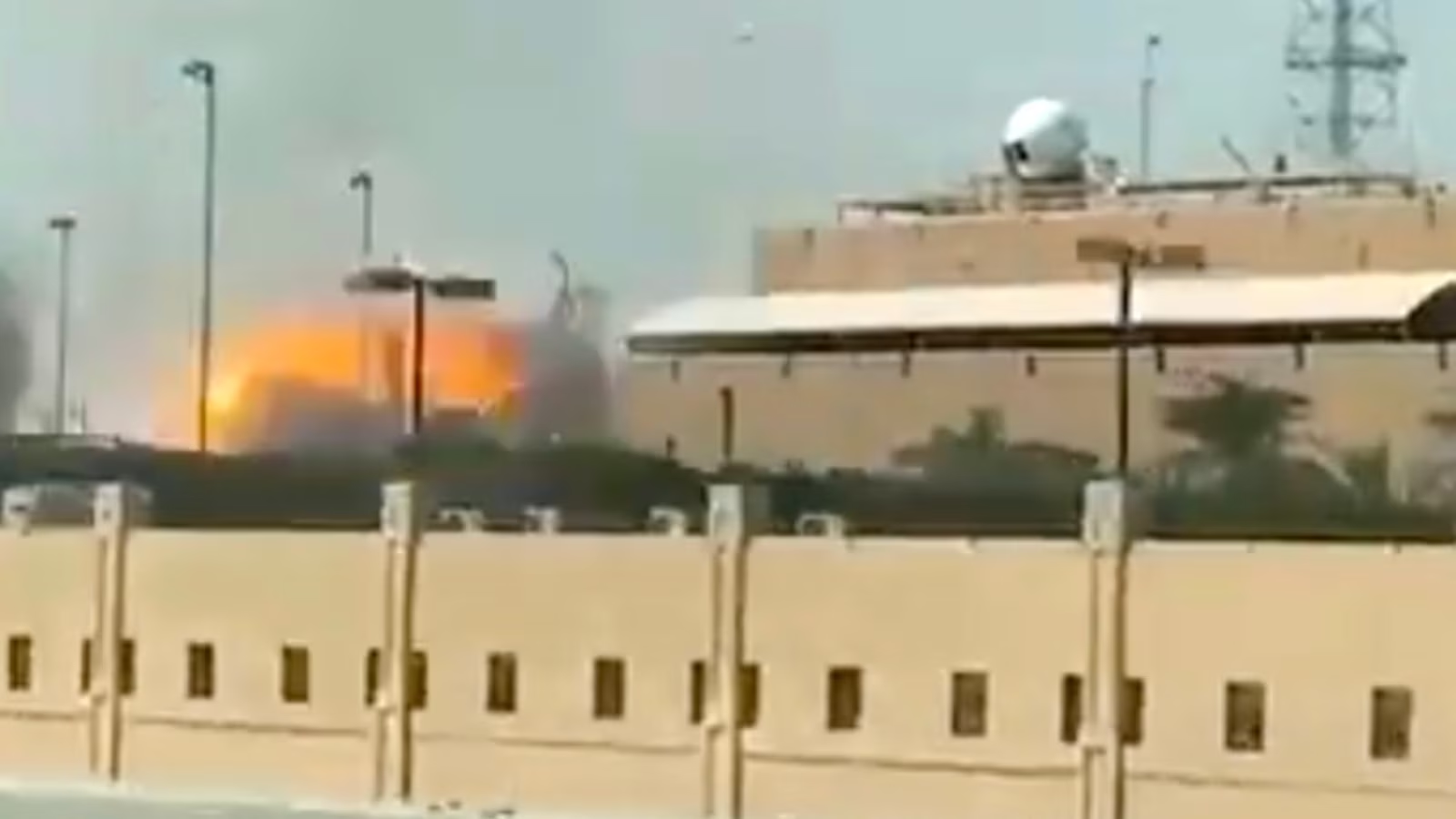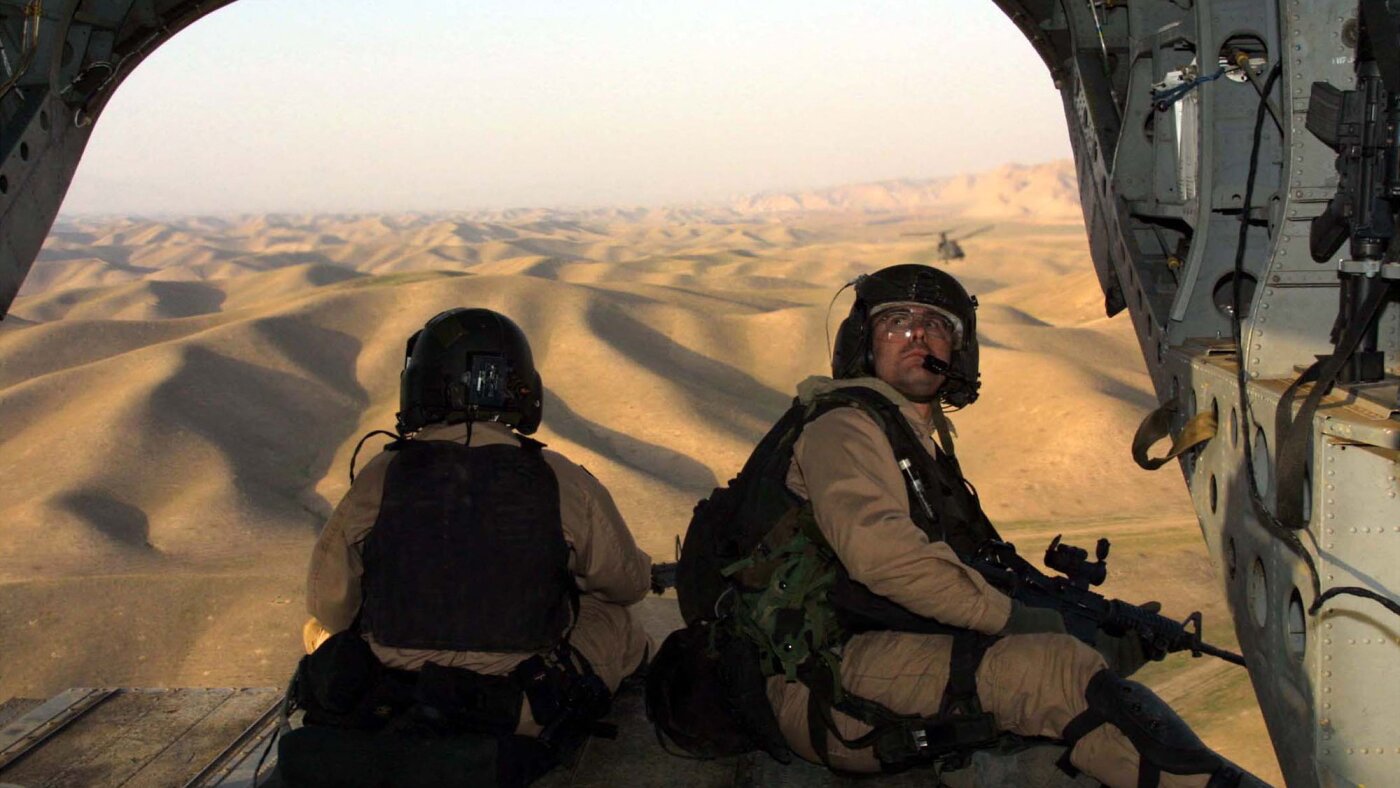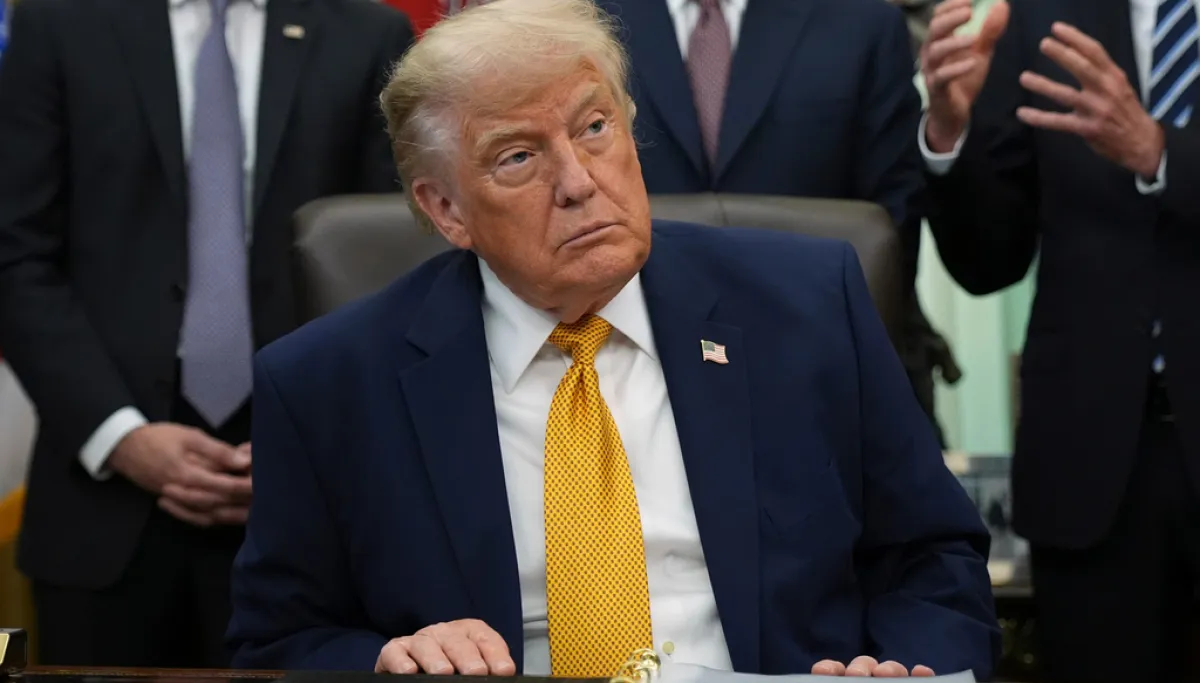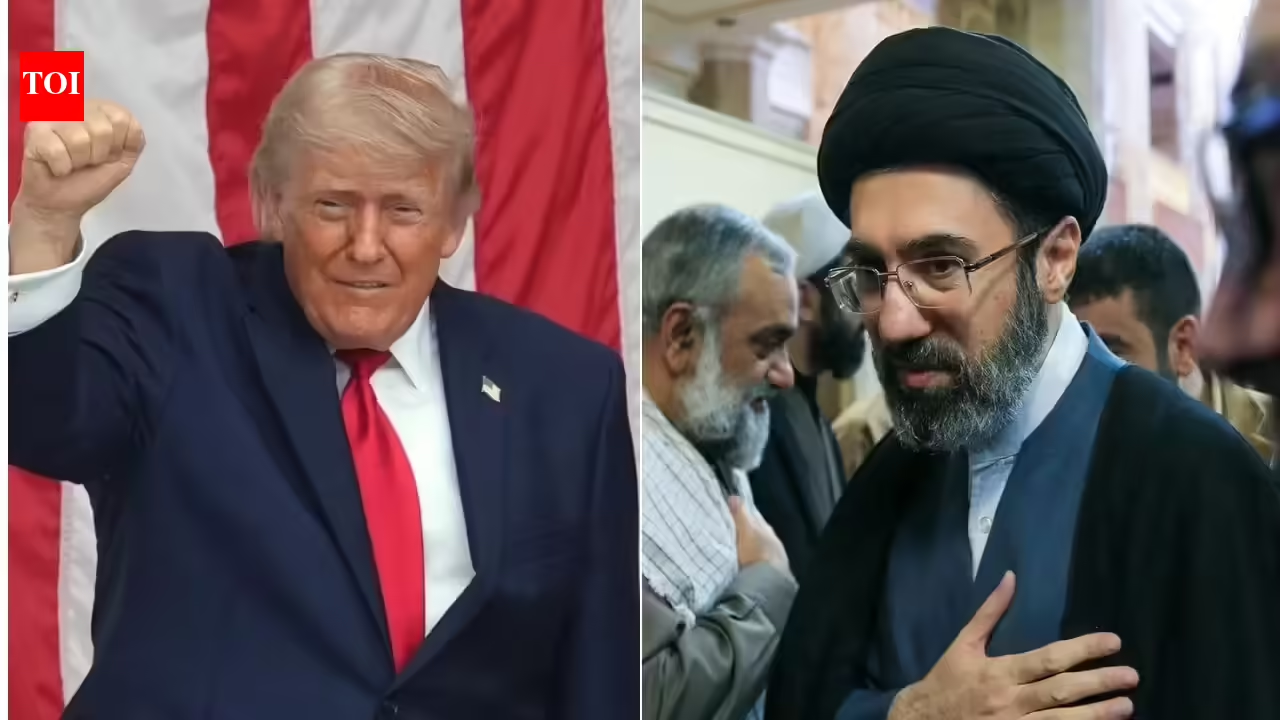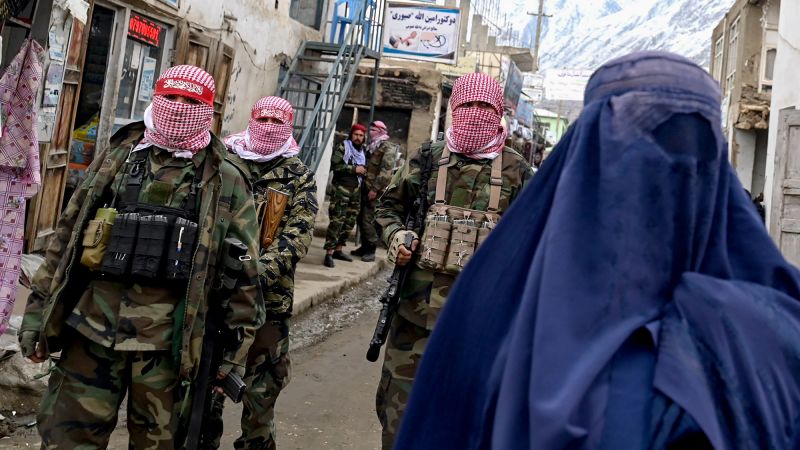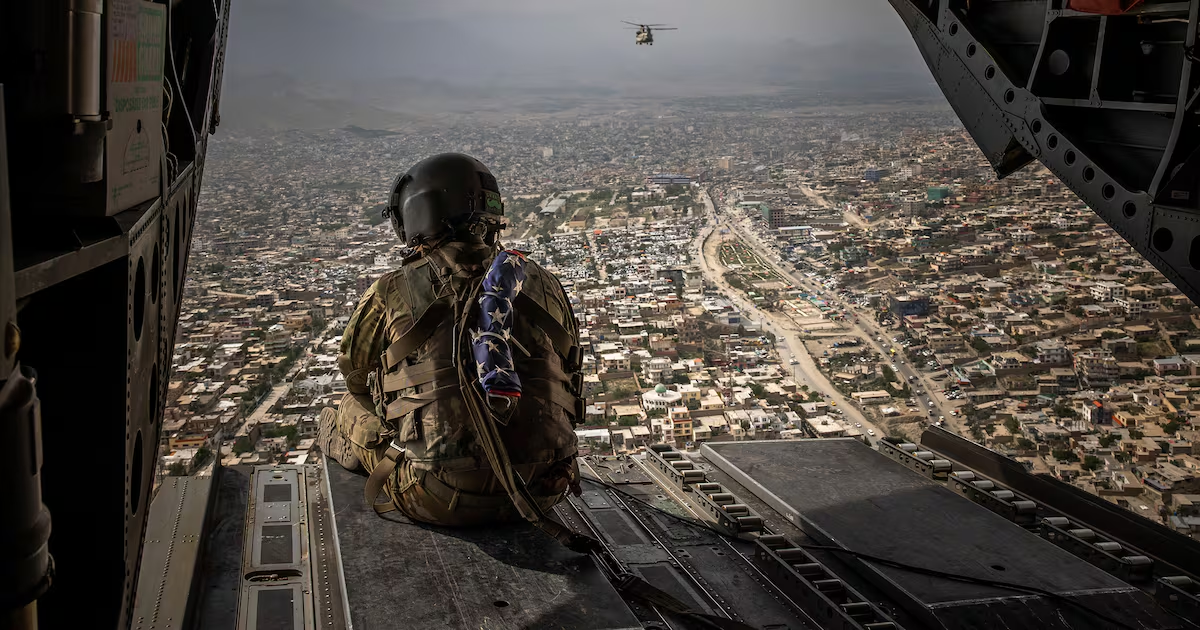
For much of the Afghanistan War, the only thing harder for the United States than winning was quitting.The country’s longest war ended in chaos and defeat five years ago last Sunday. Hundreds of thousands of Afghans, desperate to escape Taliban insurgents, swarmed the Kabul airport. Thirteen US troops died there in a suicide bombing.But since then, the fears that prevented three presidents from quitting the war have proved to be unfounded. Afghanistan has not become a terror haven or launch pad for attacks in the United States.Today, the US military is mired in a new war in Iran. Once again, the prospects for a military victory look bleak. Even president Donald Trump has hinted he would like to quit the war, only to reverse course and make a case for staying.“We don’t have to be there,” he said in an Oval Office address in the spring. “We don’t need their oil. We don’t need anything they have. But we’re there to help our allies.”The long war in Afghanistan raises difficult questions for the generals and policymakers contemplating the way forward in Iran: why was quitting in Afghanistan so hard? What does the long struggle to accept defeat there say about the Trump administration’s predicament in Iran?The United States has faced questions about quitting in just about every war it has fought since its emergence as a global power after the second World War. “So much of what we’ve been involved in these last several decades is really policing the empire,” said Andrew Hoehn, a senior analyst at Rand Corp, a think tank that studies security matters.Taliban fighters on a Humvee in Kabul, Afghanistan, in 2021. Photograph: Jim Huylebroek/The New York Times
Why the United States can’t quit its wars
The country’s longest war came to an end exactly five years ago. Today it offers lessons for policymakers seeking to avoid an endless war in Iran
1,218 words~6 min read