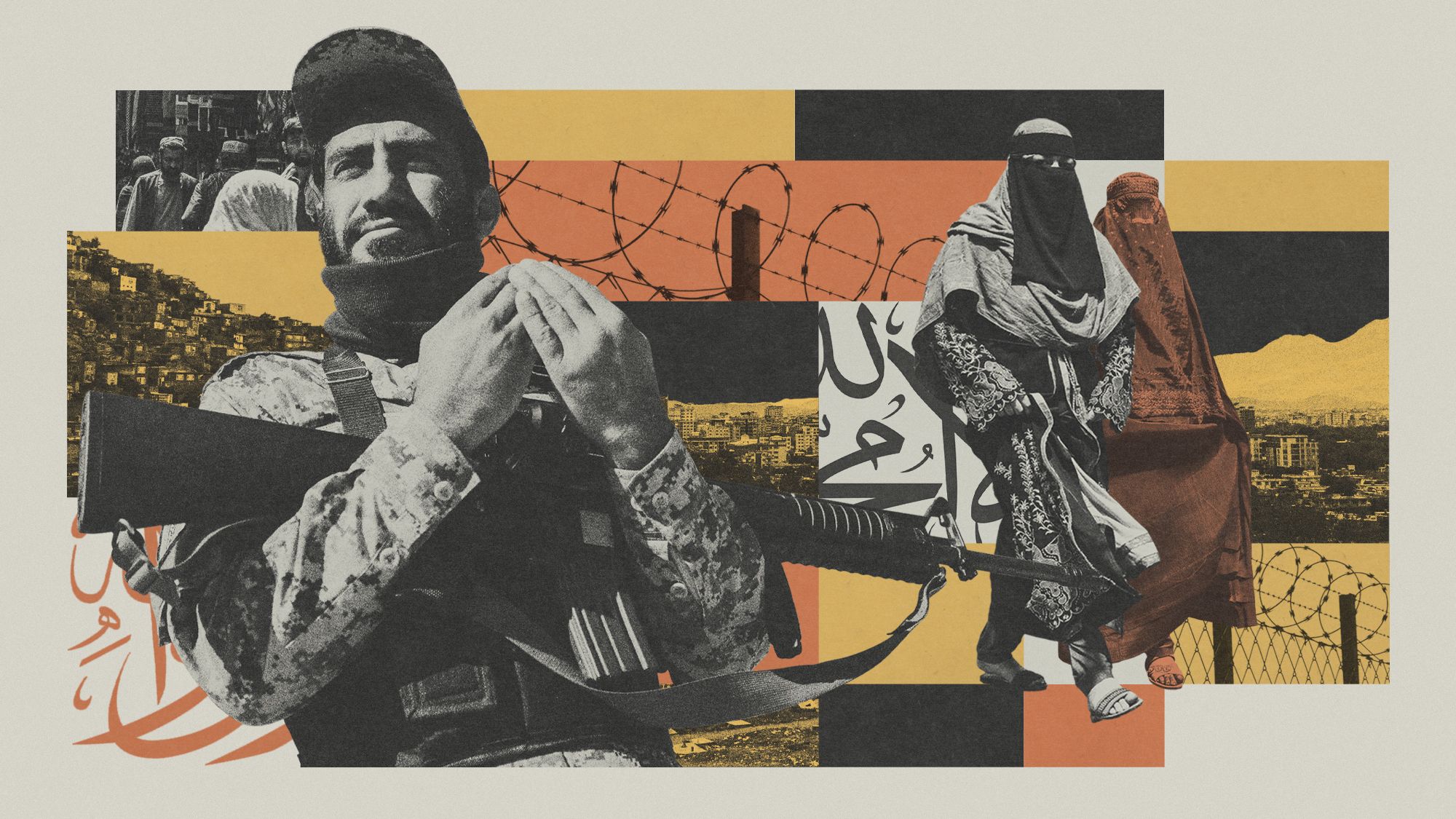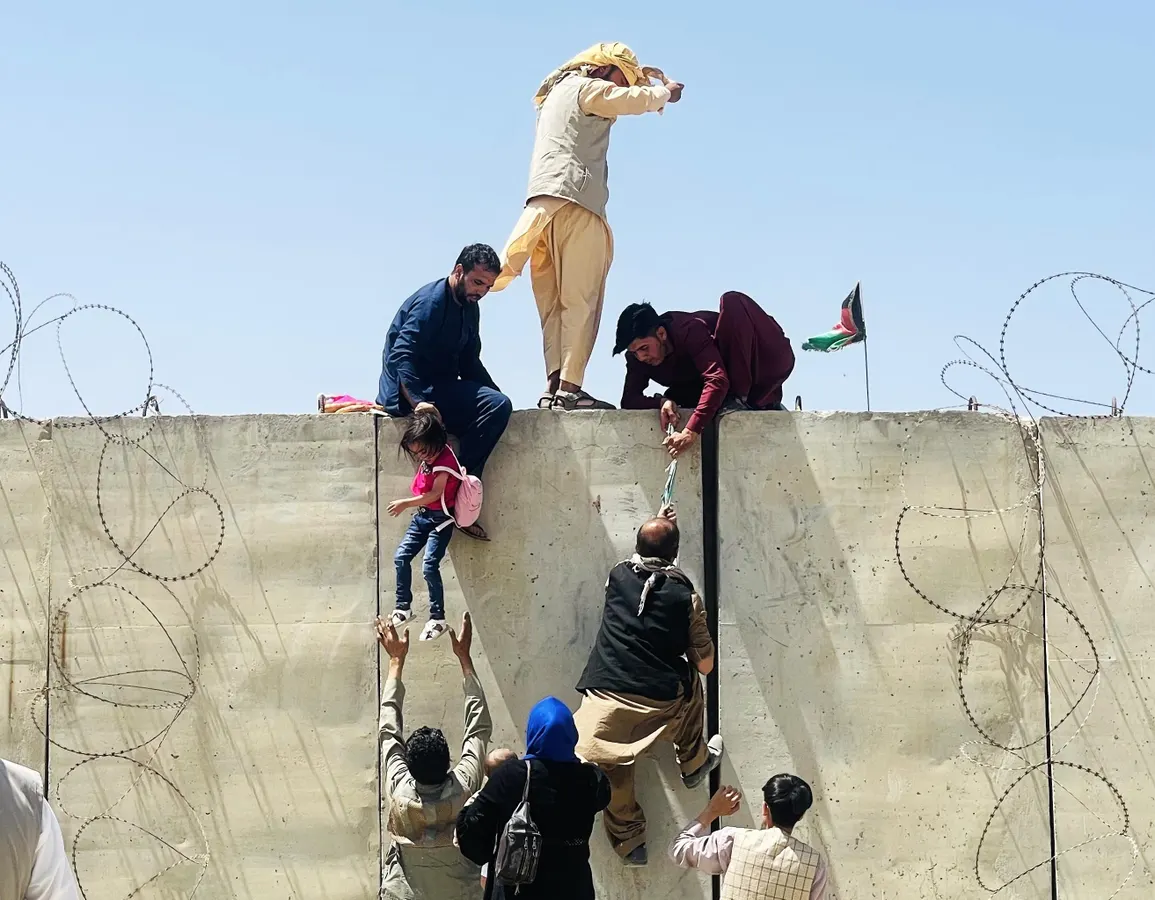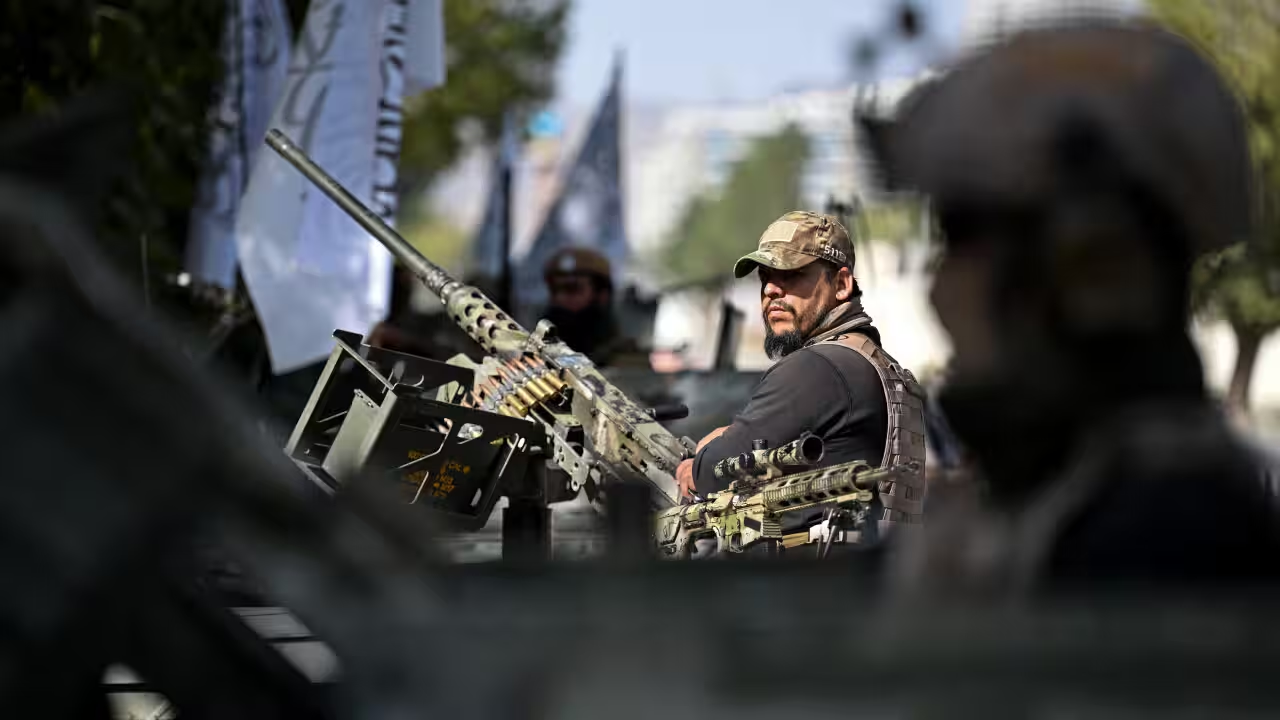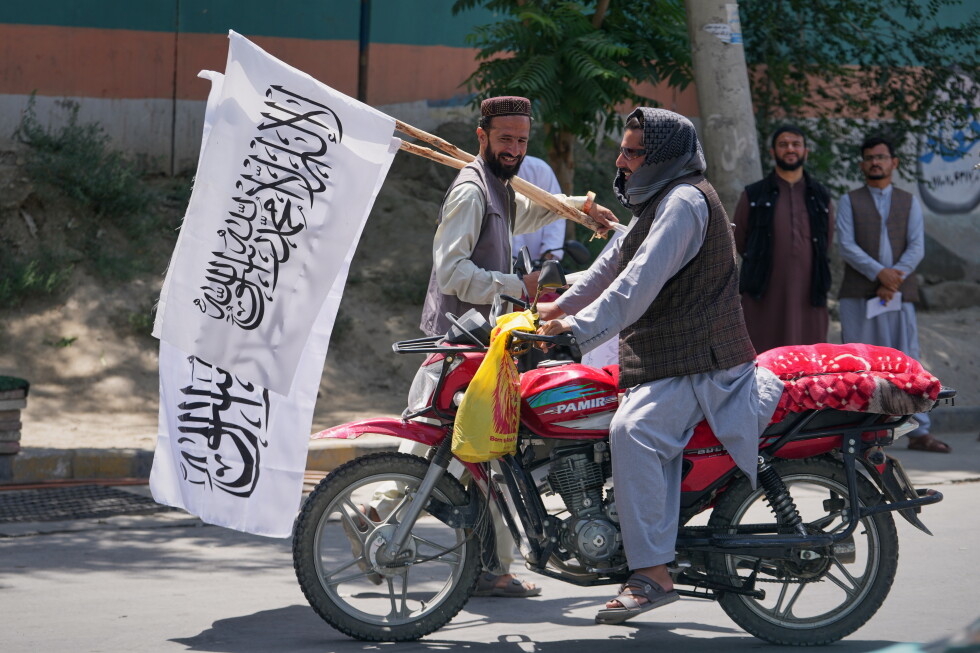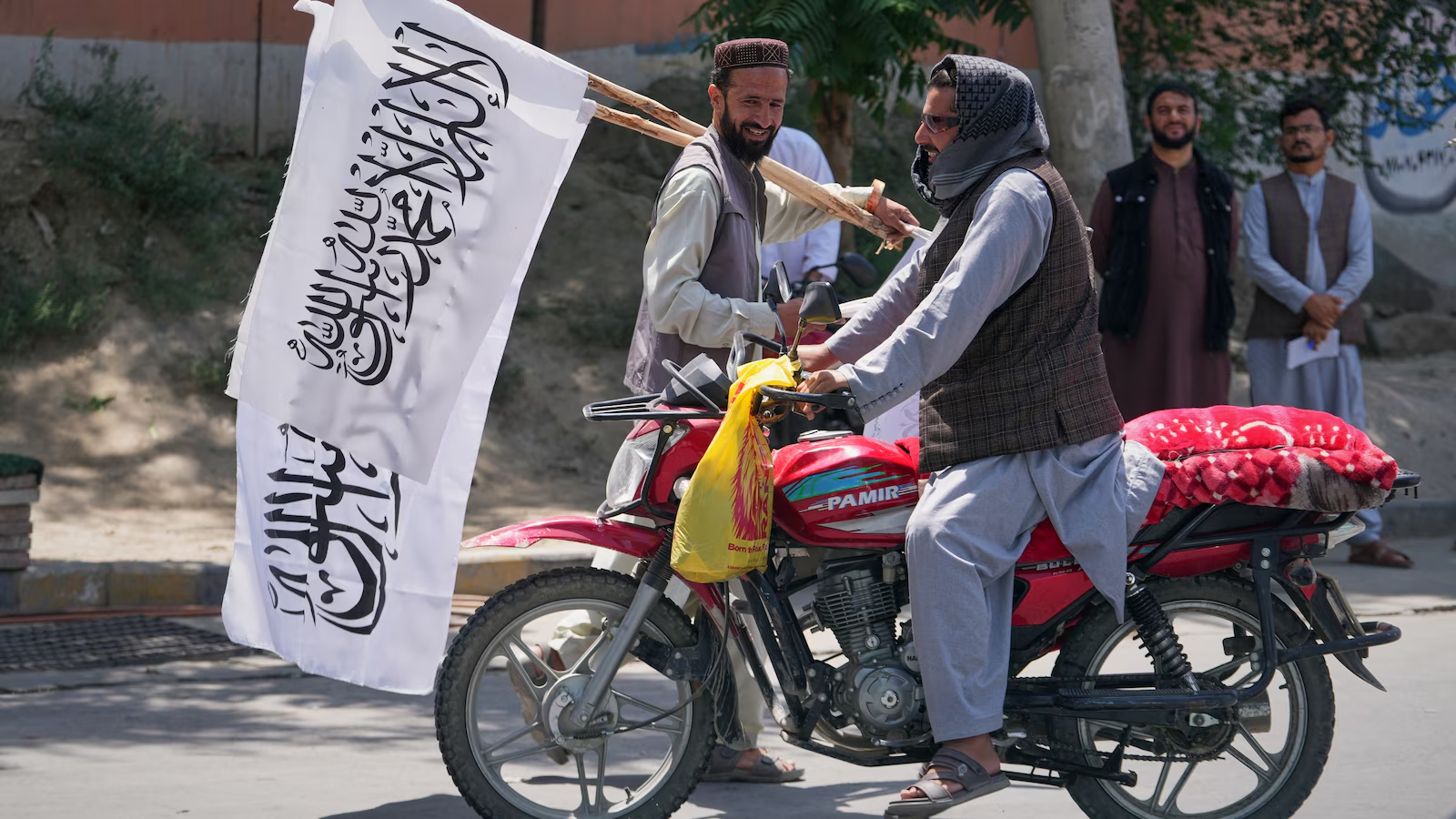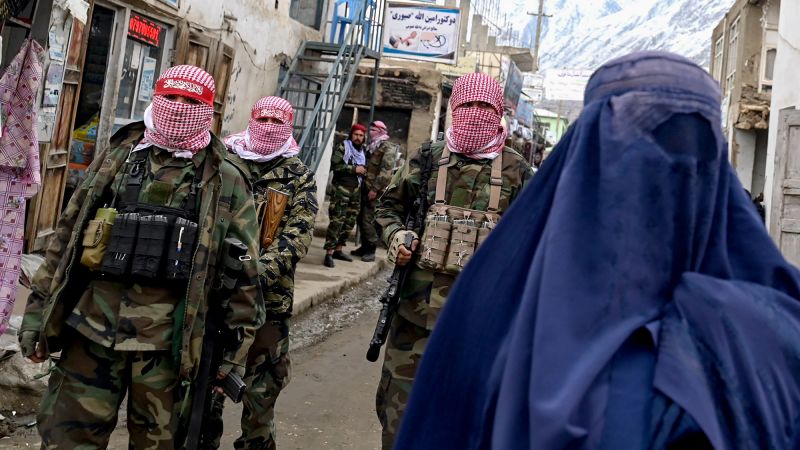
In the five years since the chaotic US withdrawal from Kabul and the Taliban’s return to power, Afghanistan has become home to one of the world’s worst human rights and humanitarian emergencies.
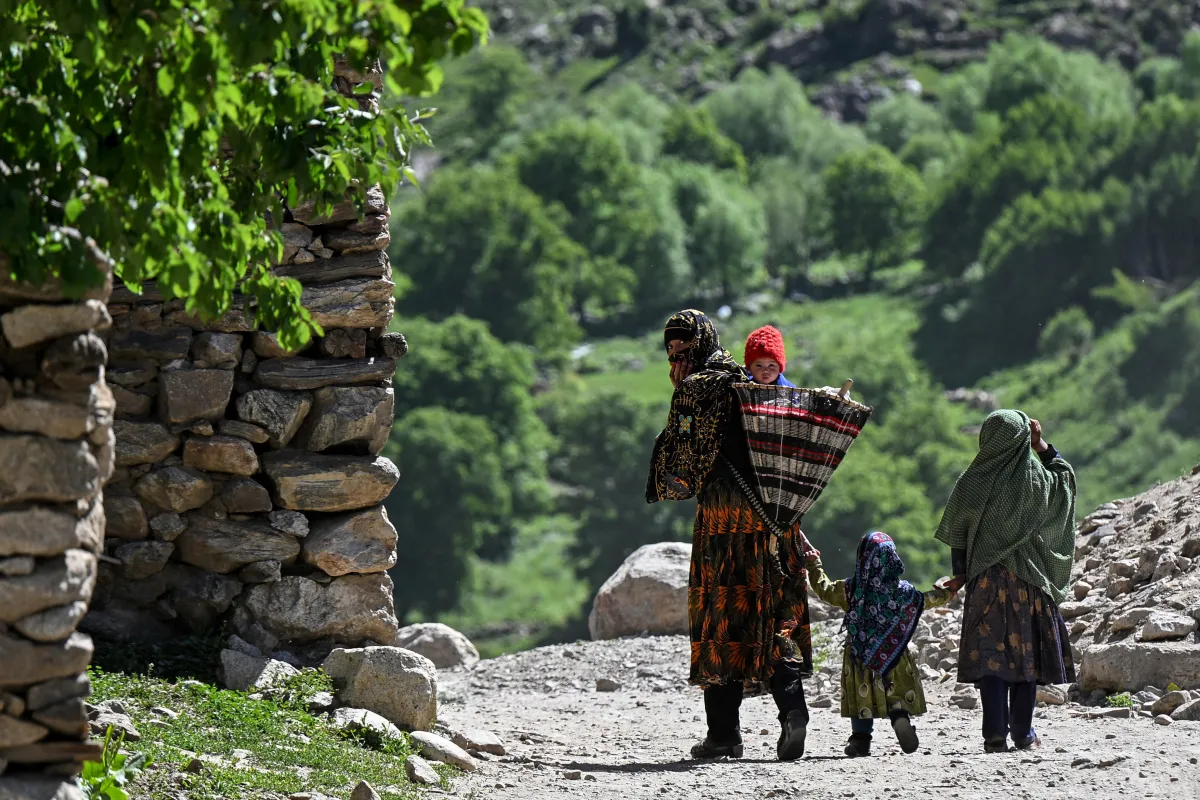
Once central to US foreign policy, with American taxpayers footing a $2.3 trillion bill for its 20-year war there, Afghanistan and its people have largely slipped out of much of the world’s view, despite a convergence of man-made and natural crises that have pushed millions of children to starvation and stripped women and girls of their most fundamental rights.
Humanitarian aid to Afghanistan – which is needed by approximately 45% of the population – has been dramatically cut by international donors since the Taliban returned to power, with women and girls bearing the brunt of those cuts. The United States, once the top provider of assistance to Afghanistan, no longer even ranks in the top five of donor nations.
Plummeting assistance comes as the Taliban wages a continued assault on the rights of women and girls, eroding legal protections and systemically stripping them of agency under a system experts have described as “gender apartheid.” Their efforts have successfully erased half the population from public life and made Afghanistan one of the world’s most dangerous places to be a woman.