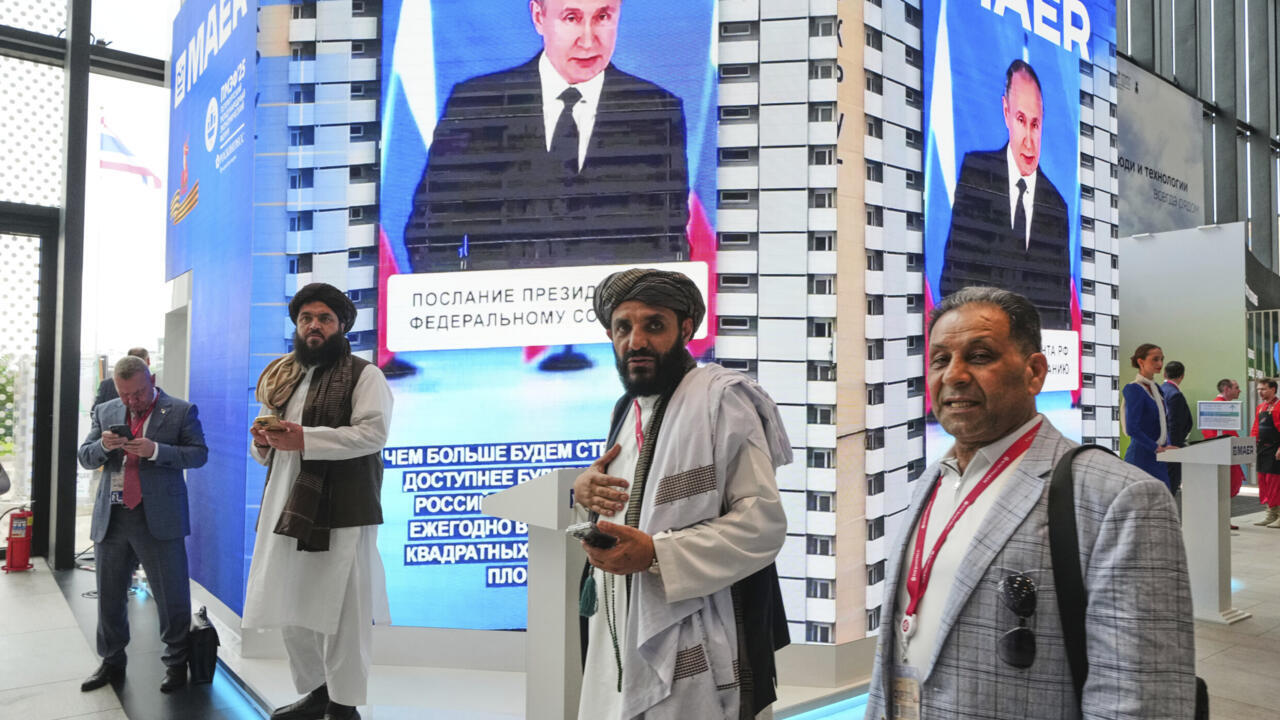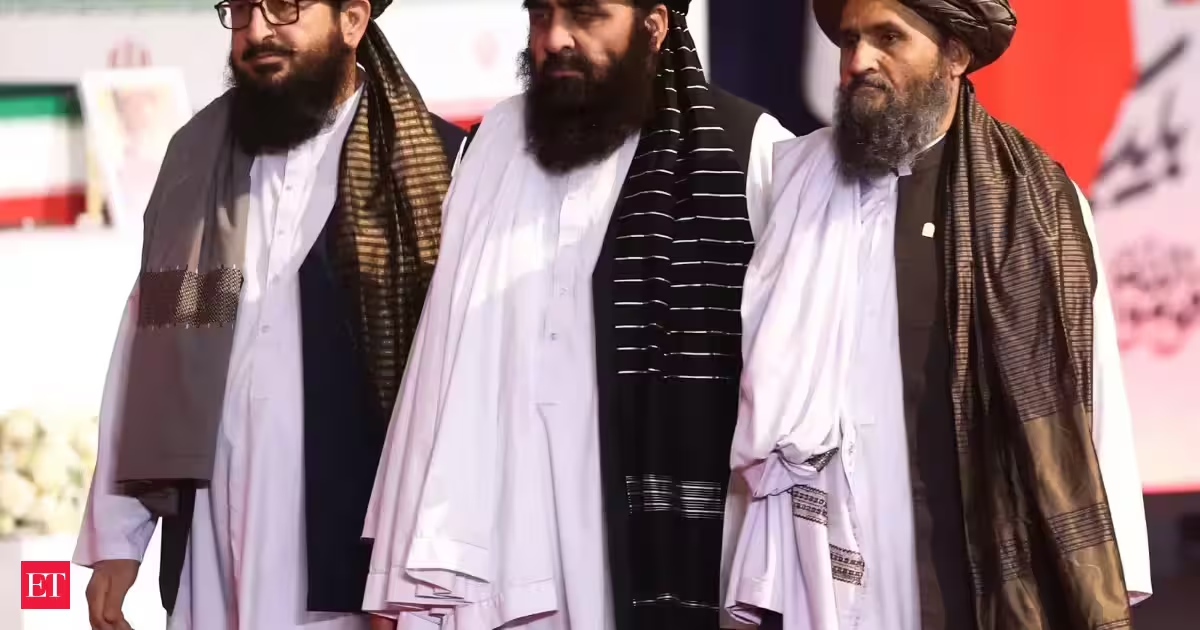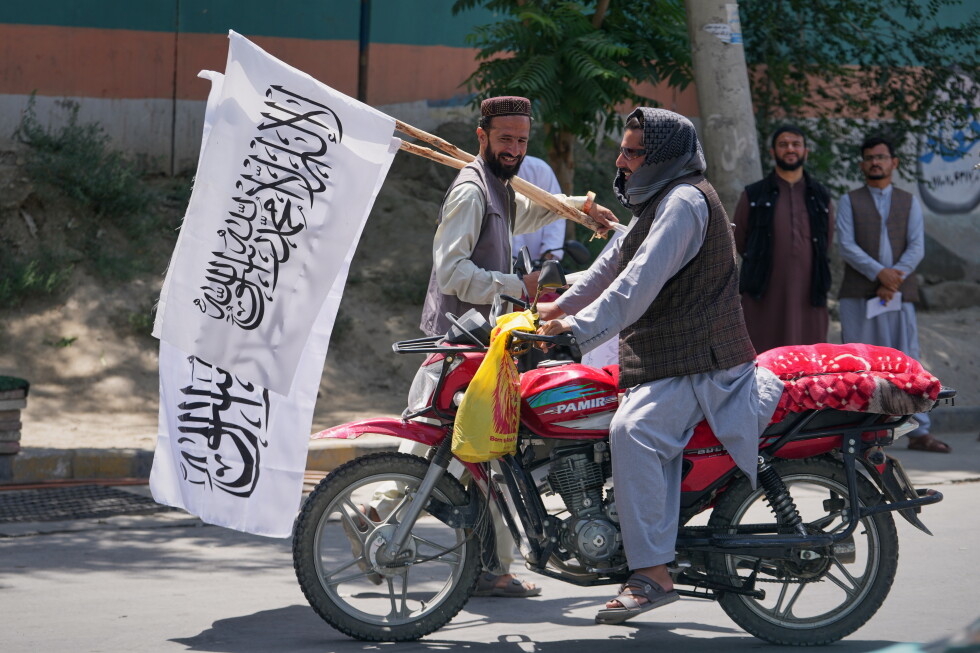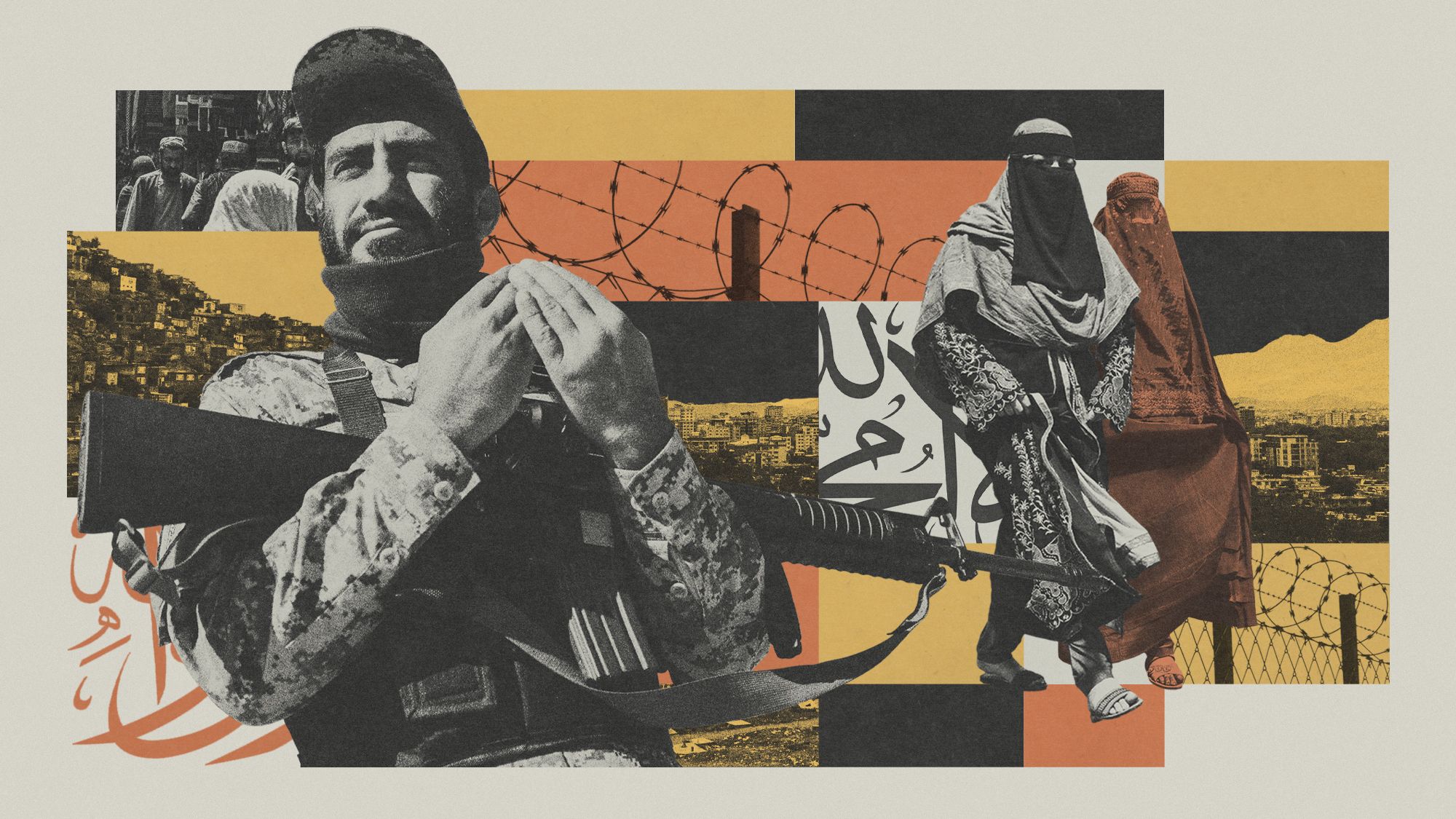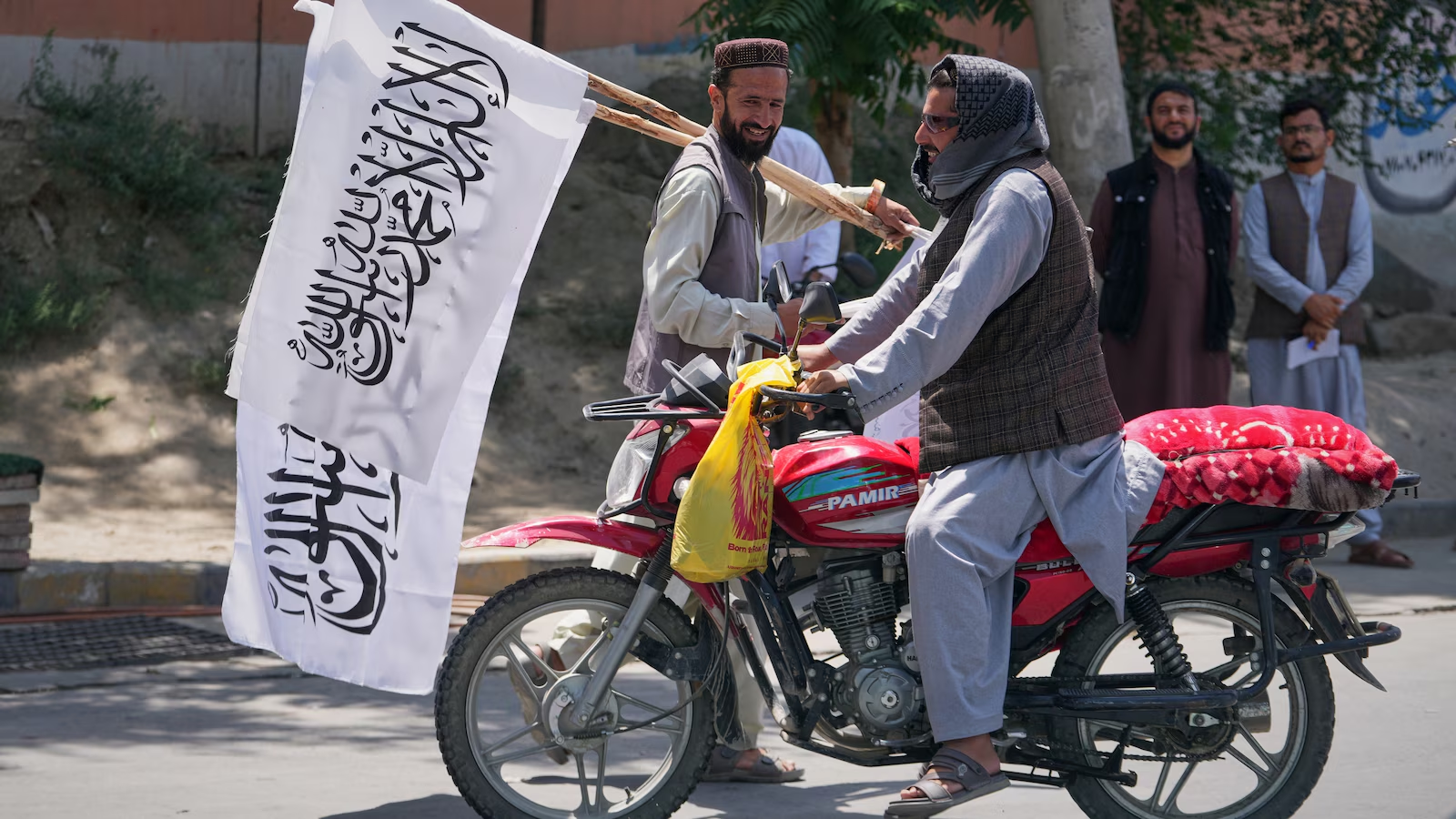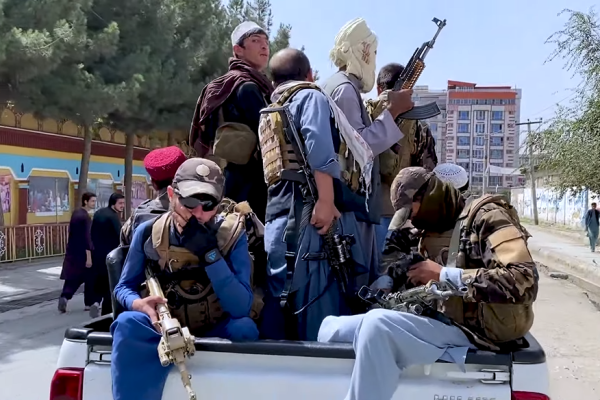
Five years have passed since the Taliban returned to power in Afghanistan. During this period, the international community tried a wide range of policies to influence the Taliban’s behavior, from humanitarian assistance and political and economic pressure to diplomatic engagement and negotiations that began through indirect channels and, today, in some cases, have developed into direct talks.
At the same time, human rights defenders, political opponents of the Taliban, and many ordinary Afghans did not abandon their resistance. From street protests and underground schools to human rights campaigns and various forms of civil disobedience, they sought to prevent the normalization of Taliban rule both within Afghanistan and internationally.
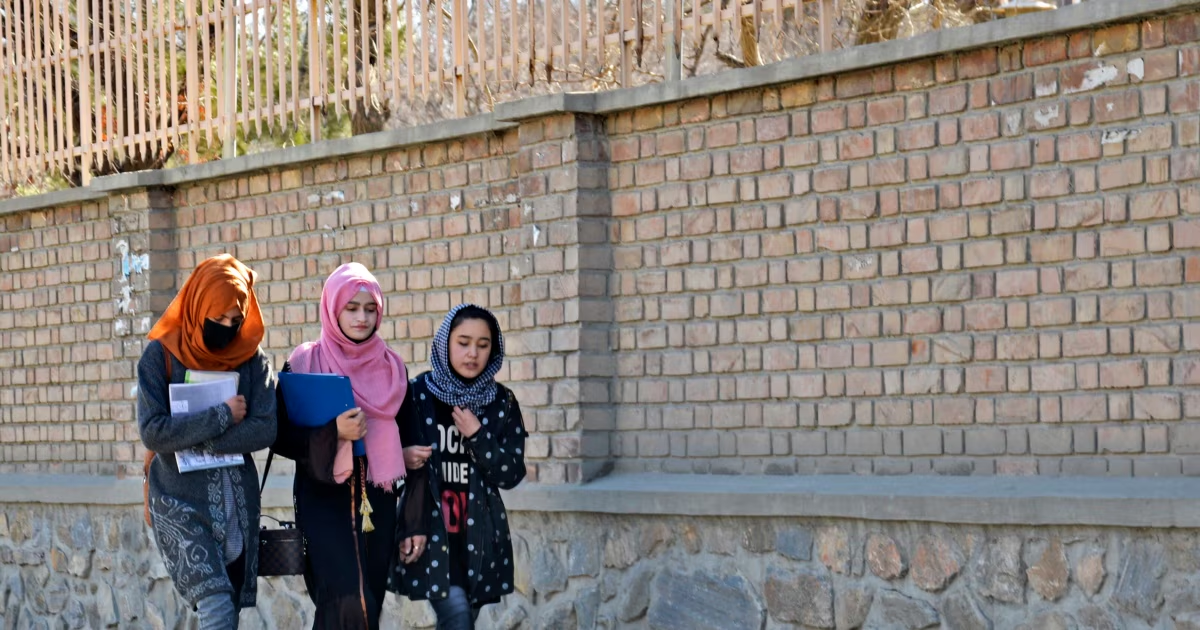
Yet neither the international community’s main expectations nor the hopes of many Afghans were realized. An inclusive government did not emerge, political and social restrictions continued, and rather than becoming more flexible, the Taliban further consolidated their system of rule based on their own ideological interpretation of religion. Women were excluded from education, universities, employment, and much of public life, while civic space and fundamental rights came under even tighter restrictions.