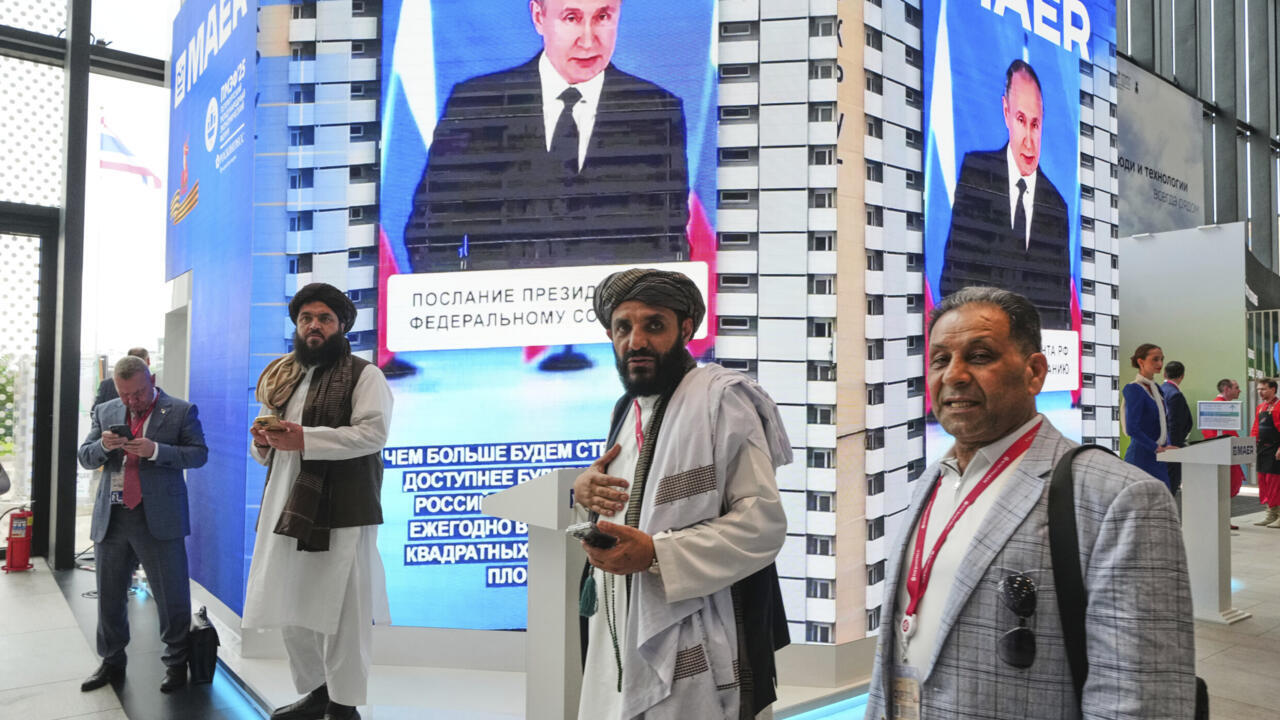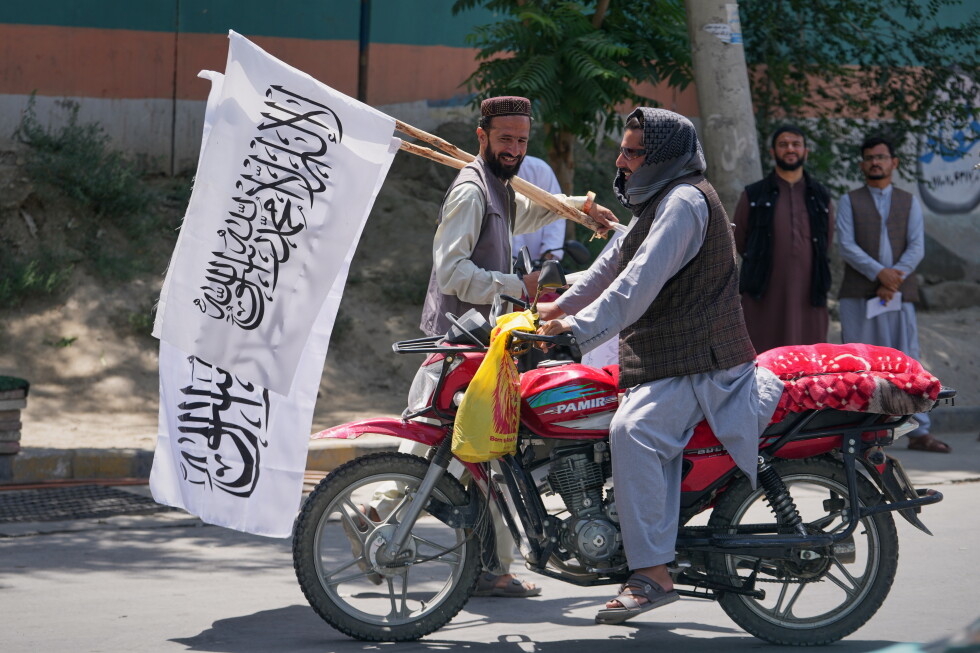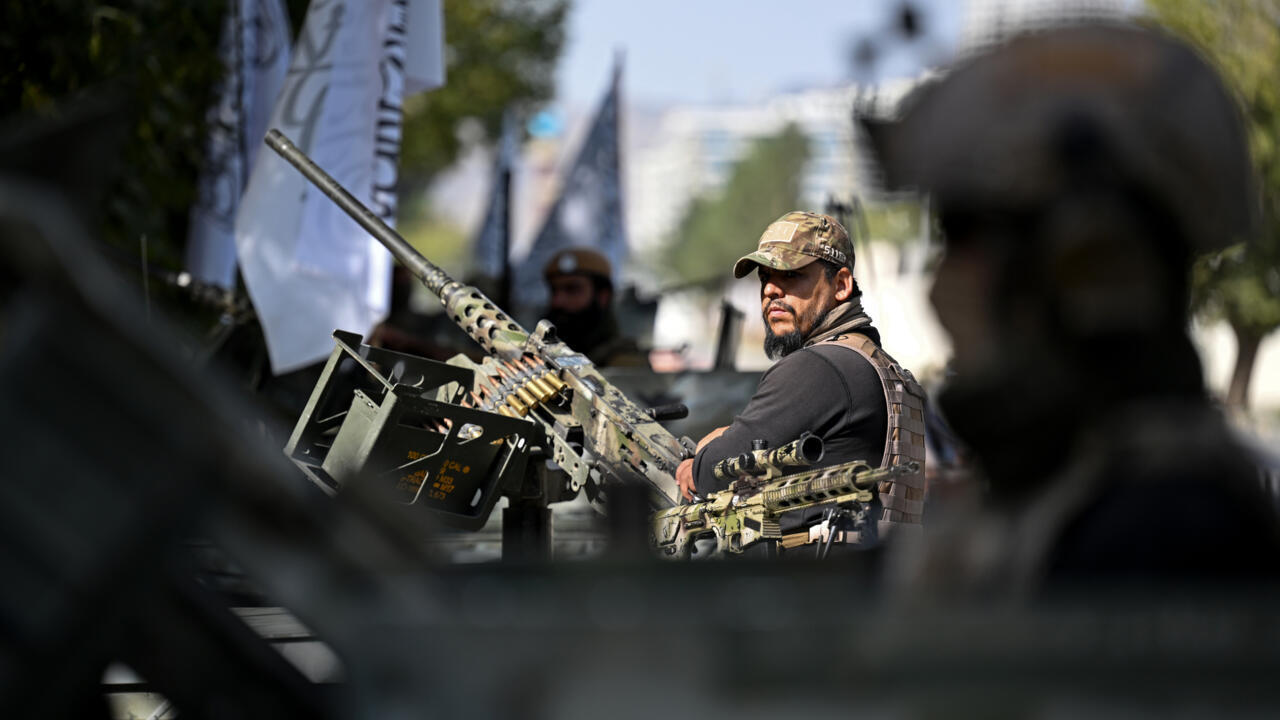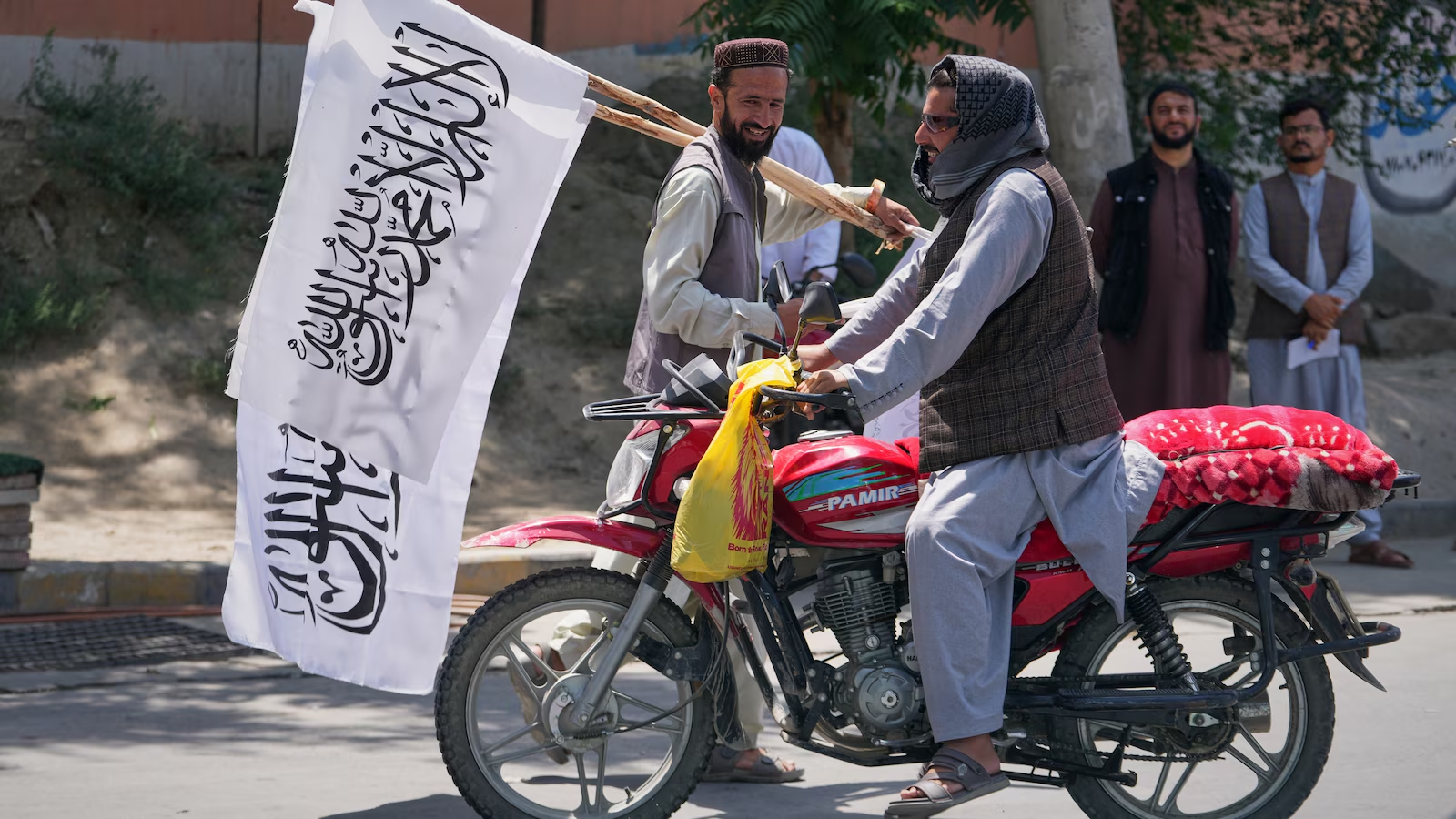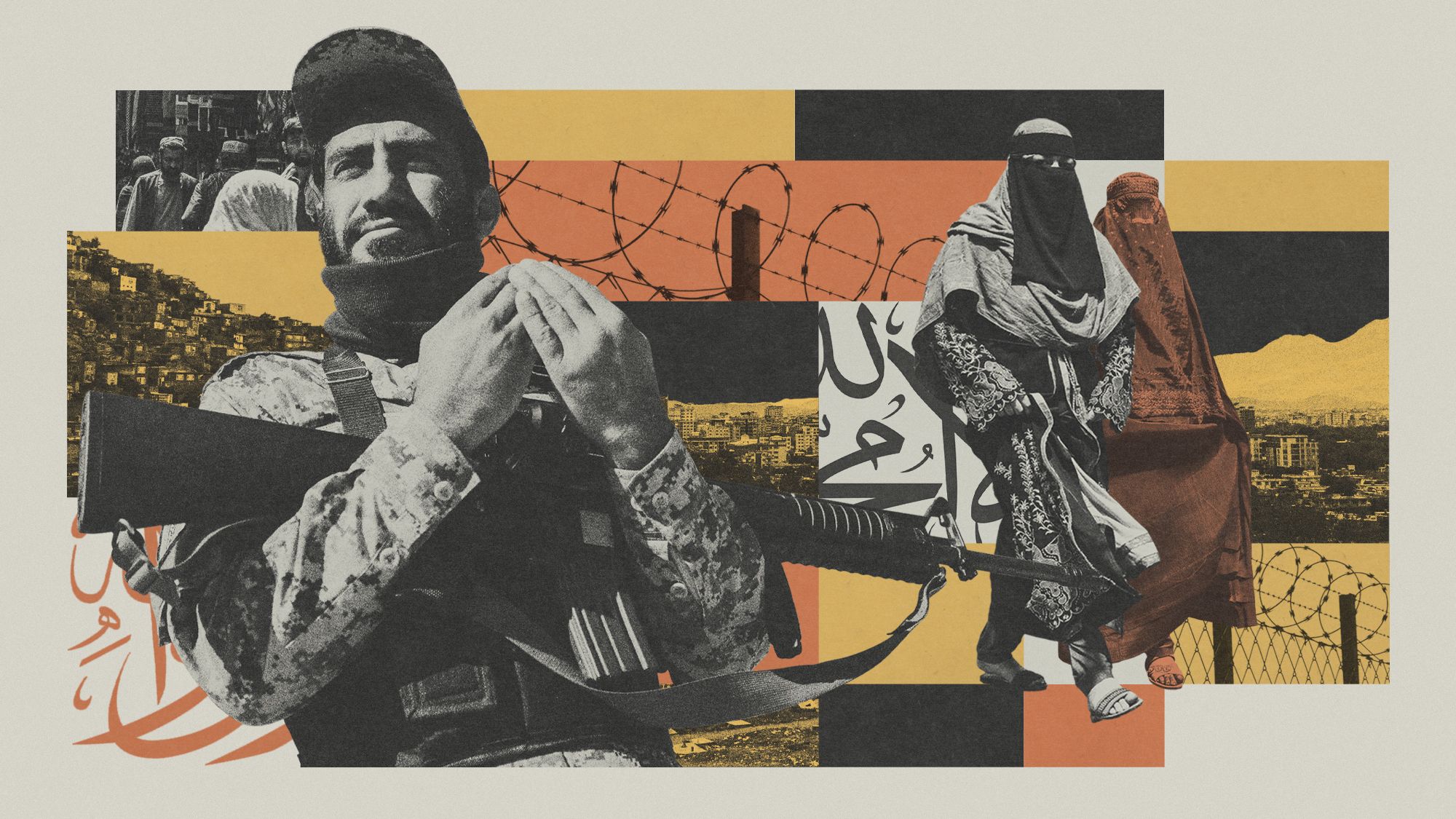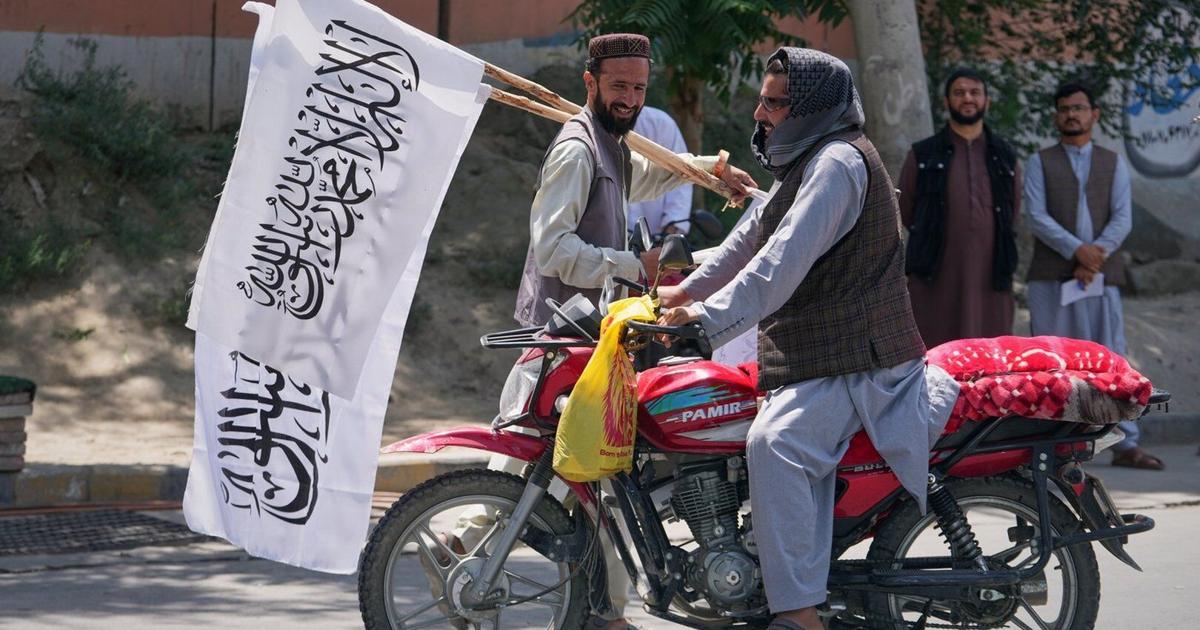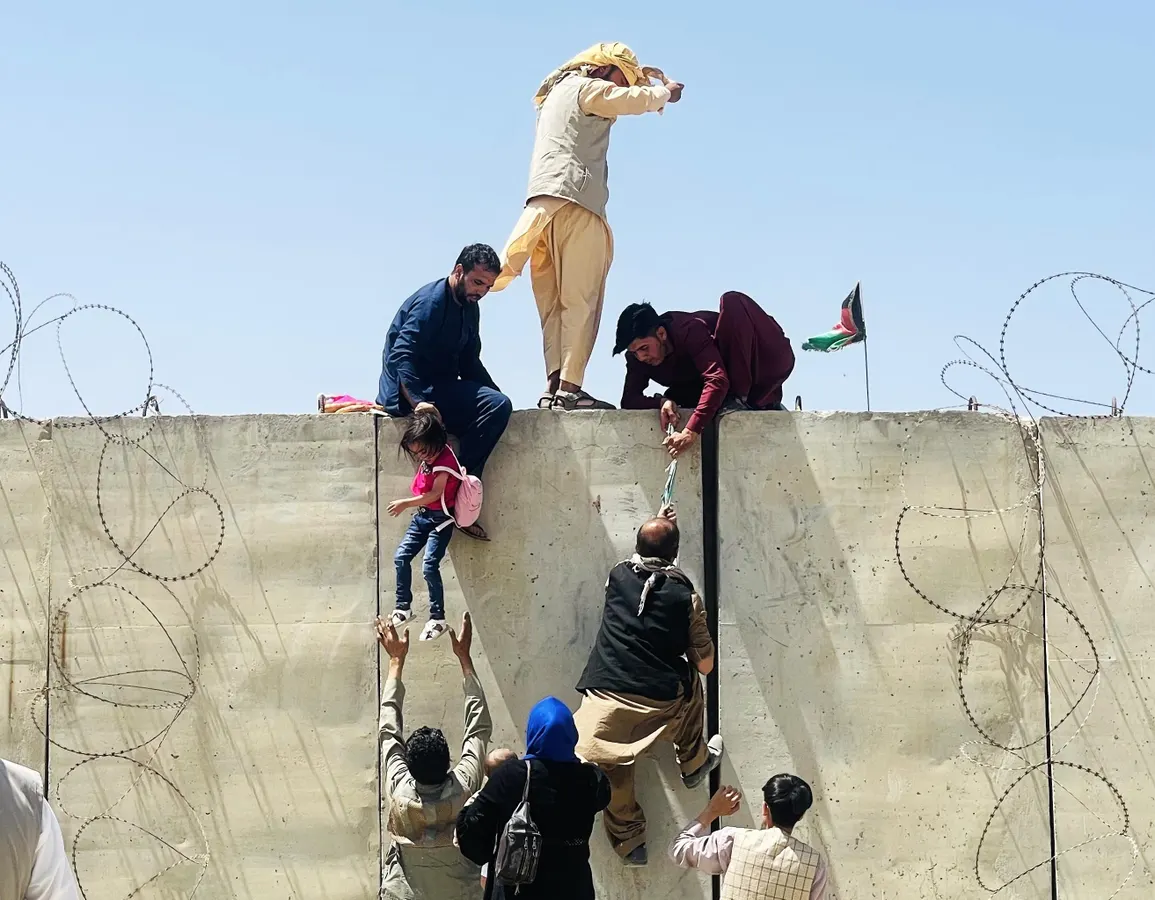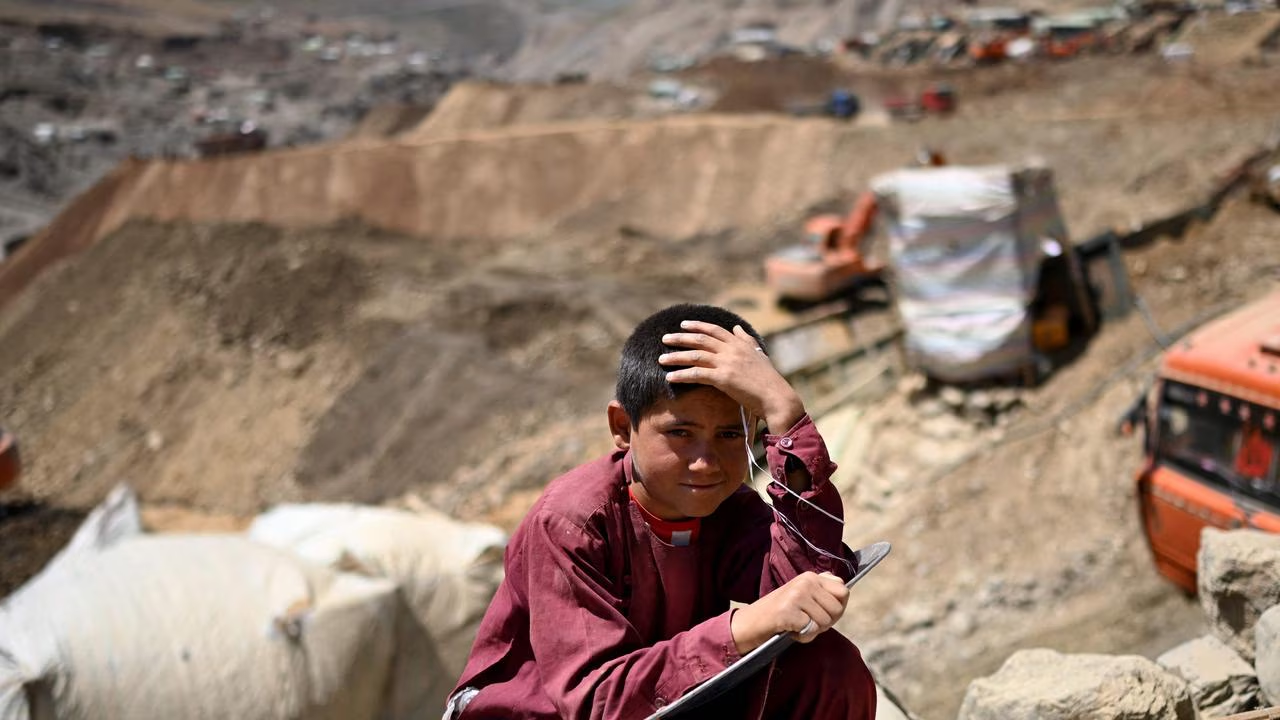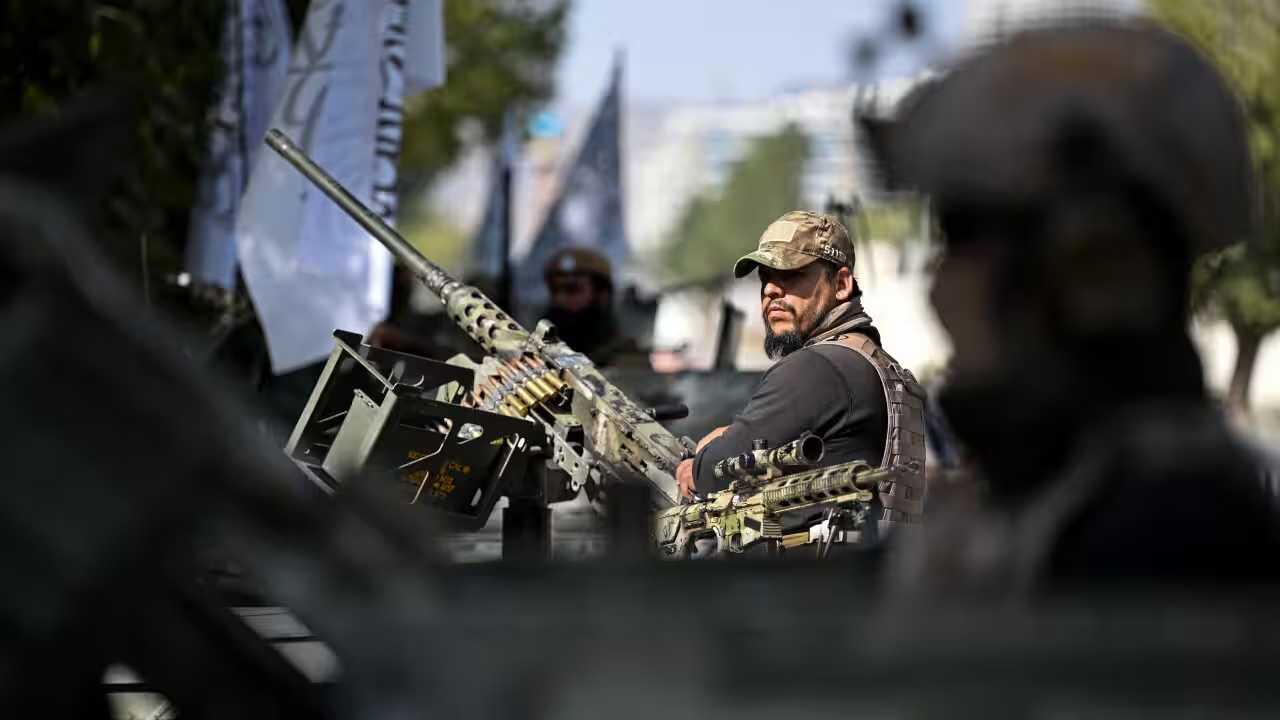
in briefTaliban authorities celebrated five years in power as aid detentions and severe rights rollbacks escalated.Australian leaders reaffirmed their commitment to the Afghan people through sanctions and targeted humanitarian assistance.The Taliban government has marked five years since returning to power in Afghanistan, celebrating its rule with public events and military displays. Meanwhile, Australia, the United Nations, and human rights groups highlight a deepening humanitarian crisis and systematic repression of women. In Kabul, white flags of the Islamic Emirate adorned streets alongside decorated US military vehicles left behind during the chaotic 2021 withdrawal. Taliban authorities hosted sports matches — from which women are barred — to commemorate their takeover, asserting that independence has brought national security and economic stability.Taliban government chief spokesman Zabihullah Mujahid said authorities were laying the "foundations of the economy" and appealed for patience. News that makes senseYour trusted source for staying up-to-date with the world around you. Get free daily news updates and analysis, straight to your inbox.However, World Bank data shows declining per capita GDP, exacerbated by the return of over six million Afghans from Iran and Pakistan over the past three years.Australian government cites ongoing obligationIn a joint statement on Saturday, Prime Minister Anthony Albanese, Deputy Prime Minister Richard Marles, Foreign Minister Penny Wong, and Immigration Minister Tony Burke acknowledged the milestone while reaffirming Australia's commitment to holding the Taliban accountable."Five years on from the fall of Kabul, our thoughts are with the people of Afghanistan, who continue to face violent repression at the hands of the Taliban, as well as the Afghan community in Australia and around the world," the statement read.Afghan people climb atop a plane in Kabul as they try to flee the Taliban when US forces withdrew from the country on August 16, 2021. Source: AFP / Wakil KohsarThe government leaders honored the service of more than 39,000 Australian Defence Force and civilian personnel who served in Afghanistan over two decades, remembering the 41 soldiers who died during operations and those lost after returning home.The statement noted that Australia has provided $310 million in direct aid through non-government channels since September 2021, while establishing an autonomous sanctions framework against senior Taliban figures and backing international action under the Convention on the Elimination of All Forms of Discrimination against Women (CEDAW)."Australia has not stepped back from that responsibility," ministers stated, pointing to expanded migration pathways for displaced Afghans and ongoing support for locally engaged Afghan employees now living in Australia.Worsening restrictions and aid operations under threatThe anniversary arrived as concern mounts over fresh detentions of aid workers. Human Rights Watch (HRW) reported this week that six male employees of an Afghan legal rights NGO were forcibly disappeared in Kabul, while Taliban intelligence officers in Herat detained two UN Assistance Mission (UNAMA) staff members.UNAMA spokesperson Farhan Haq confirmed the detentions, stating the UN had not been informed of charges nor permitted access. Zabihullah Mujahid told the Reuters news agency he was "trying to gather details" on the arrests.Rights agencies warn the crackdown threatens the delivery of vital assistance in a country reliant on dwindling foreign aid.Meanwhile, data released Wednesday by UN Women revealed that half of Afghan women now leave their homes only once or twice a month due to security fears and Taliban restrictions, including mandatory male chaperones.UNESCO reports that an estimated 2.4 million girls have been barred from secondary school since 2021, making Afghanistan the only country globally to outlaw female education beyond age 12.Responding to the UN findings, Afghan Ministry for the Propagation of Virtue and Prevention of Vice spokesman, Saif-ul-Islam Khyber, rejected claims that women felt unsafe, telling Reuters that citizens enjoy security for the "first time in approximately 50 years" and that women's rights are protected under Islamic law.However, UN Women reported that more than 100 decrees targeting women have been issued over five years, reducing female employment to 7 percent compared to 84 percent for men. Seven in 10 women surveyed described their mental health as "bad" or "very bad."Though Taliban officials have forged diplomatic links with several nations, Russia remains the only country to formally recognize the government.— With additional reporting from Agence-France Press and Reuters.For the latest from SBS News, download our app and subscribe to our newsletter.
Five years on from the fall of Kabul: Taliban celebrate while Australia laments
Amid fresh UN detentions and new legal actions, Australia joins global pressure on Kabul's deepening isolation.
703 words~3 min read