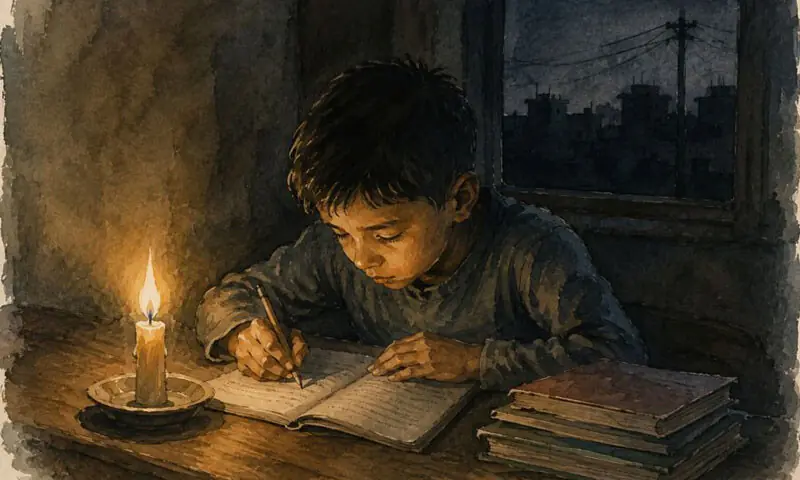
Energy insecurity is probably the quietest daily crisis Nepalis live with, second only to food. After all, many generations here grew up surrounded by energy scarcity, cooking with collected firewood, doing homework under dim candlelight during 18-hour-a-day load-shedding, and waiting endlessly outside of petrol pumps or Liquid Petroleum Gas (LPG) depots.
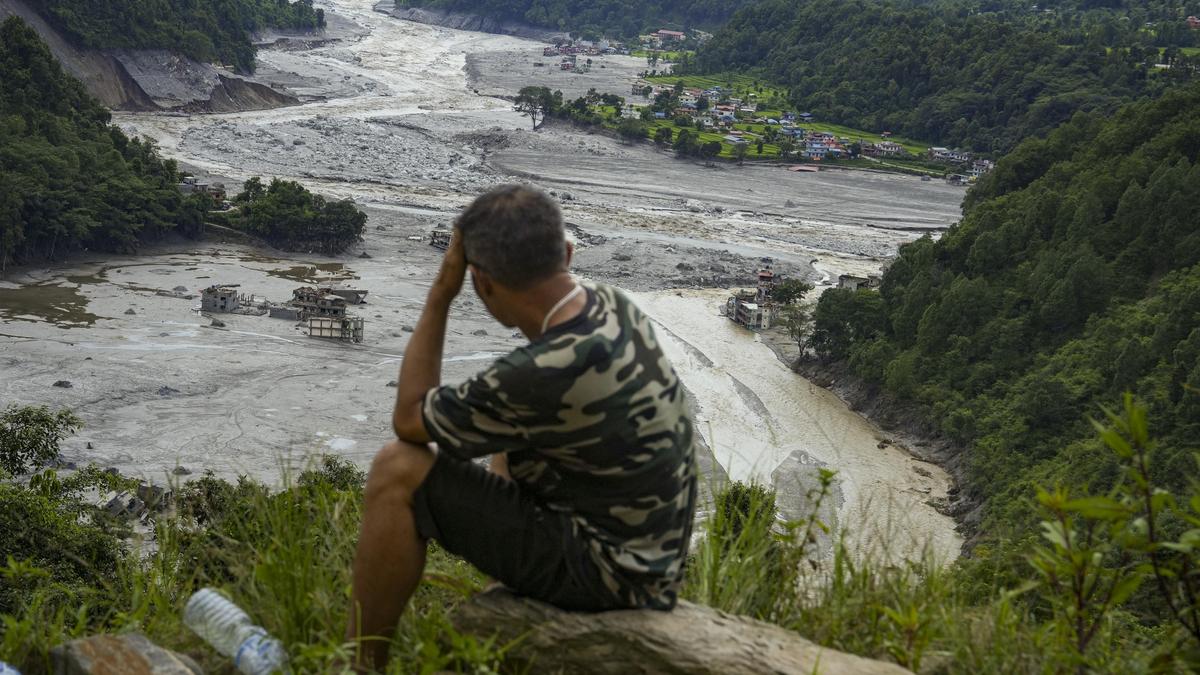
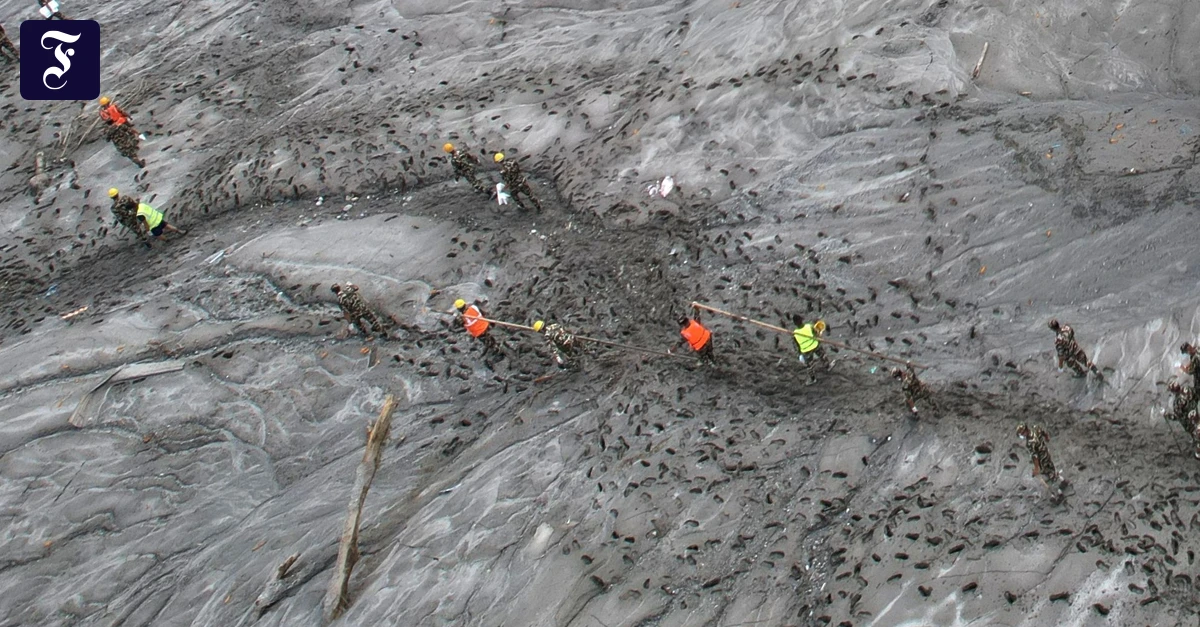
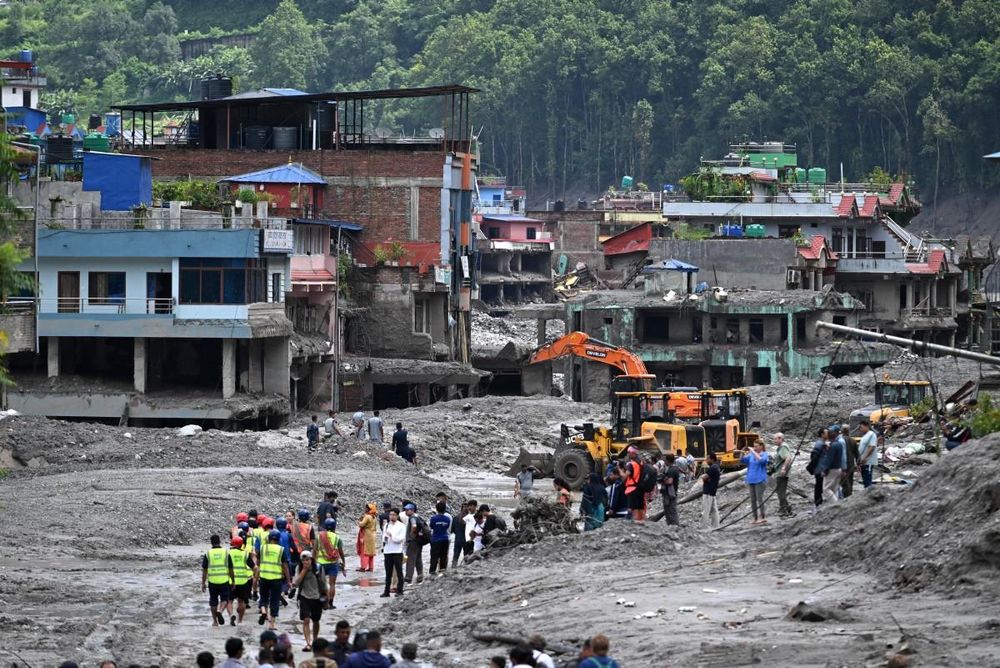
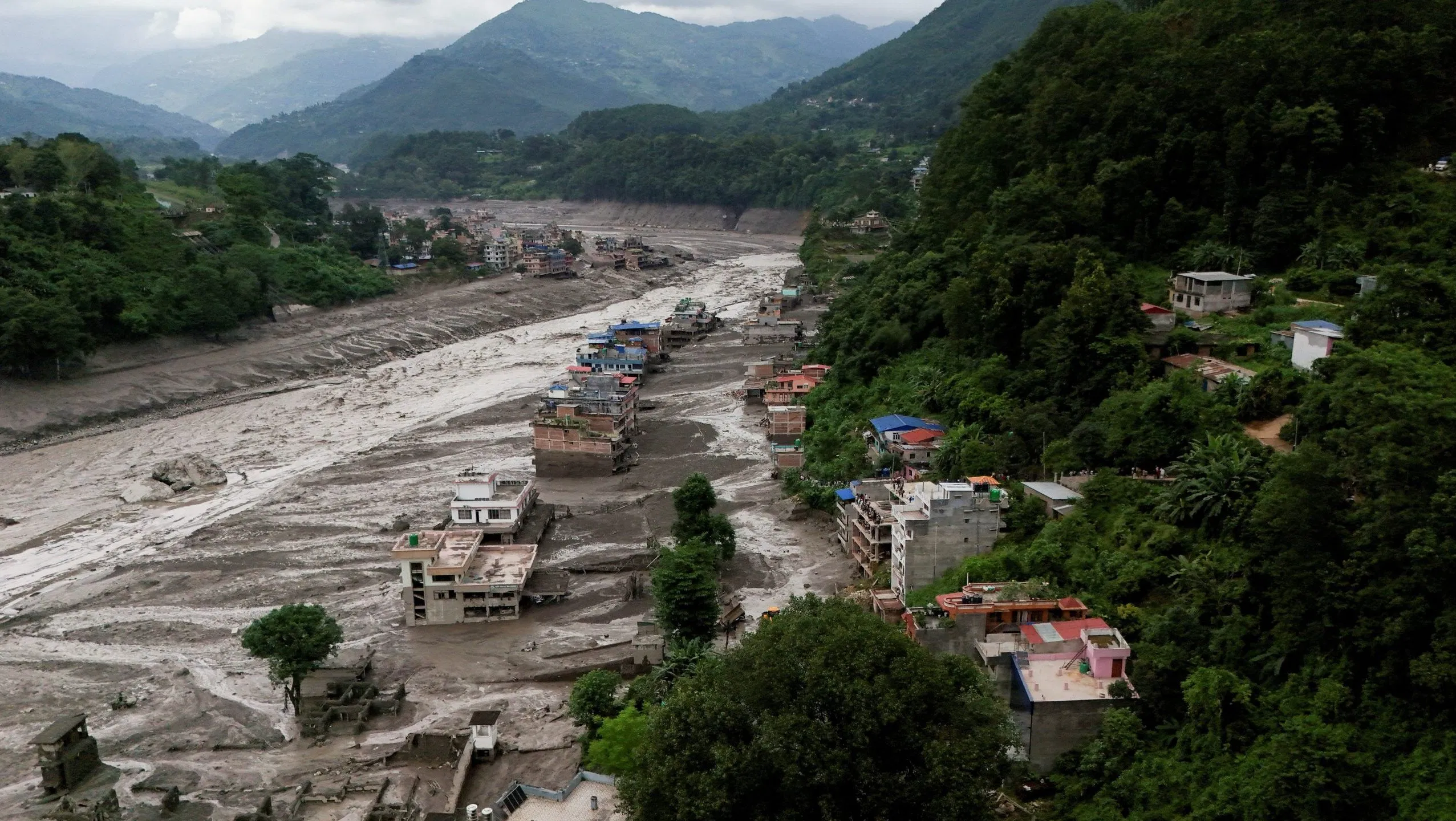
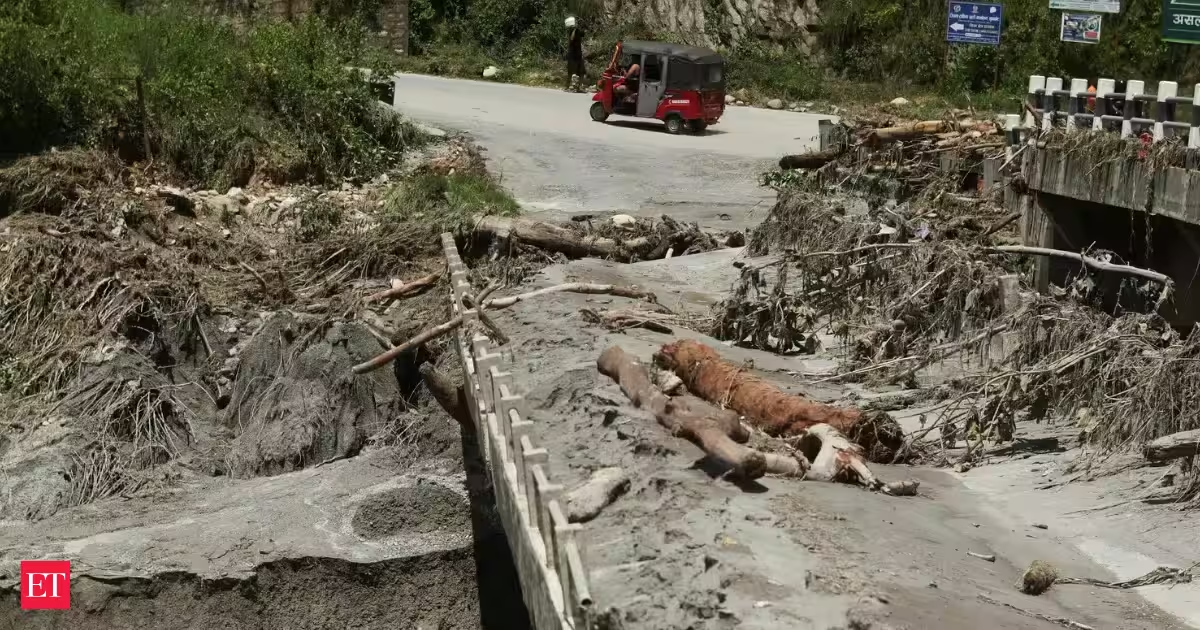
The chronic desperation was also recently captured when a video of people swimming into raging floodwaters to retrieve LPG cylinders that were floating downstream went viral. To outsiders and critics, it may be incomprehensible to risk life for a cylinder, or inhuman to steal. But to me, the image reflects a survival instinct forged by years of institutional failure.
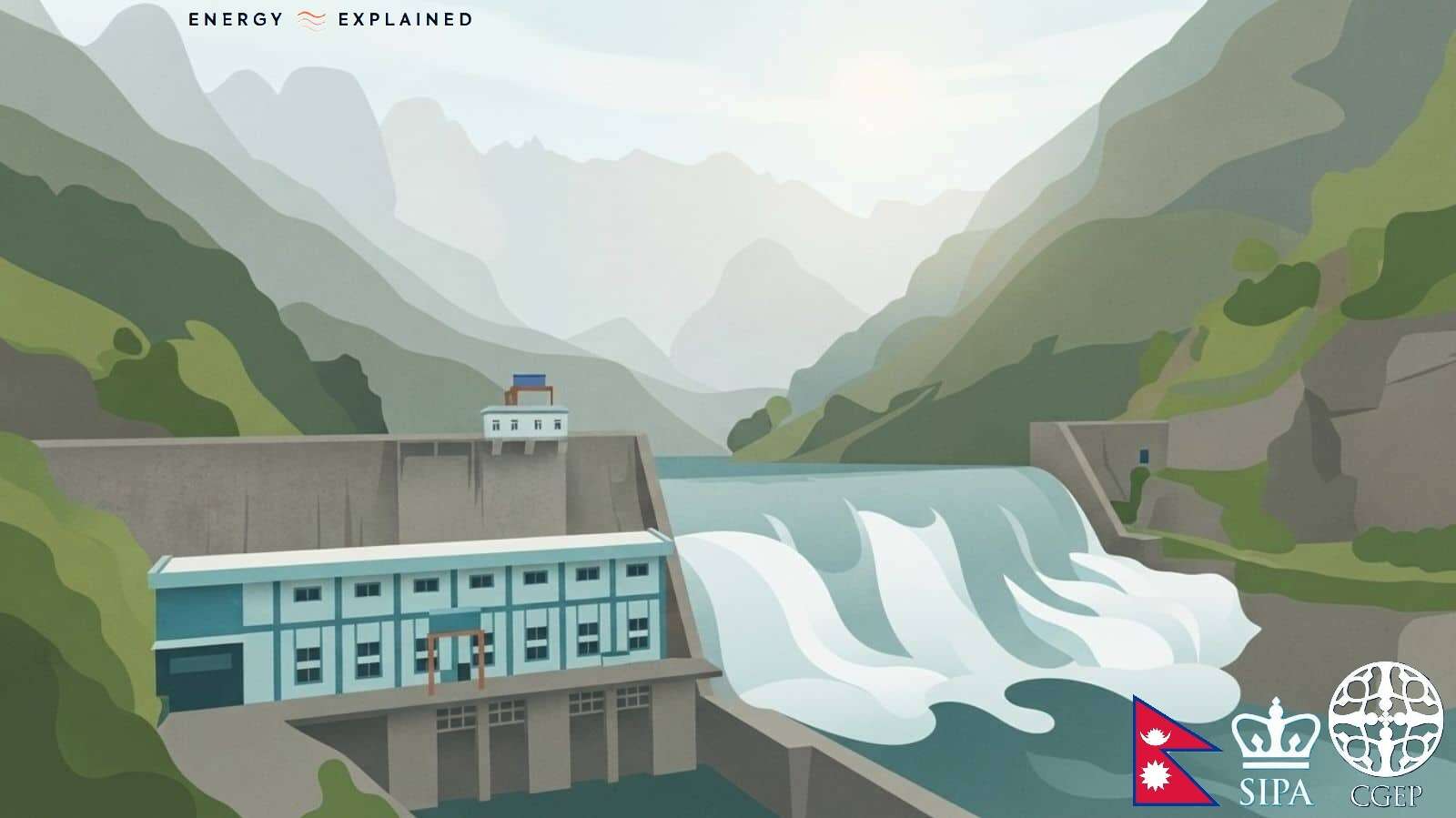
The era of loadshedding finally ended when Nepal Electricity Authority, under Kulman Ghising’s leadership, reformed hydropower generation to address optimal use, transmission, and demand issues and improved governance. For an ordinary Nepali, this was the first time in recent memory that a public institution could be trusted. Even after a decade, the end of load-shedding is a gold standard for judging all public governance systems and possibilities.
Nepal sits on an estimated 83,000 MW of hydroelectricity with a commercial viability of 40,000 MW. That figure became a national mantra appearing on party manifestos, donor strategies, pitches for private developers, and, eventually, in the household stock market portfolios. Nepal’s prosperity had been given a delivery mechanism, and the mechanism was water.