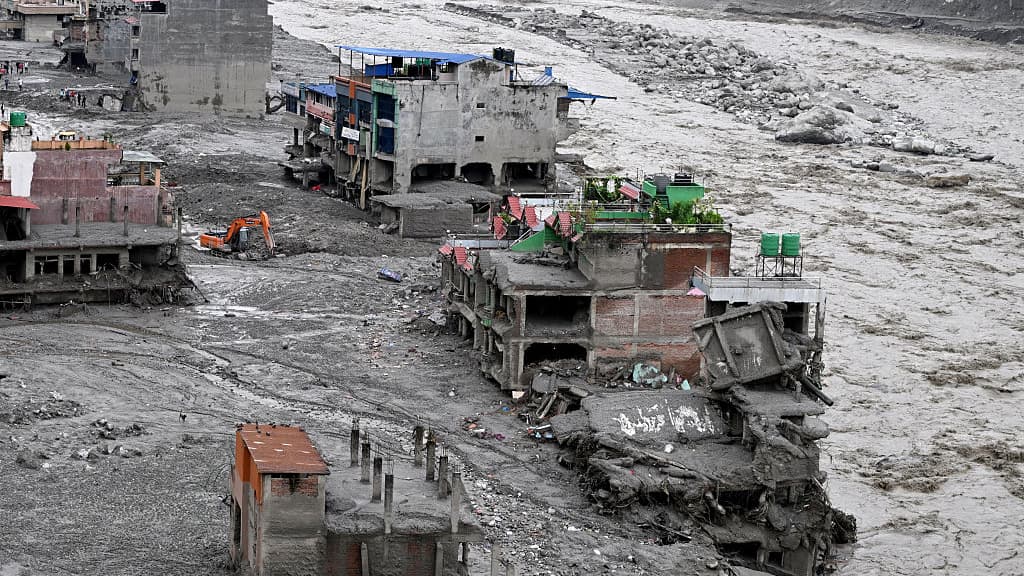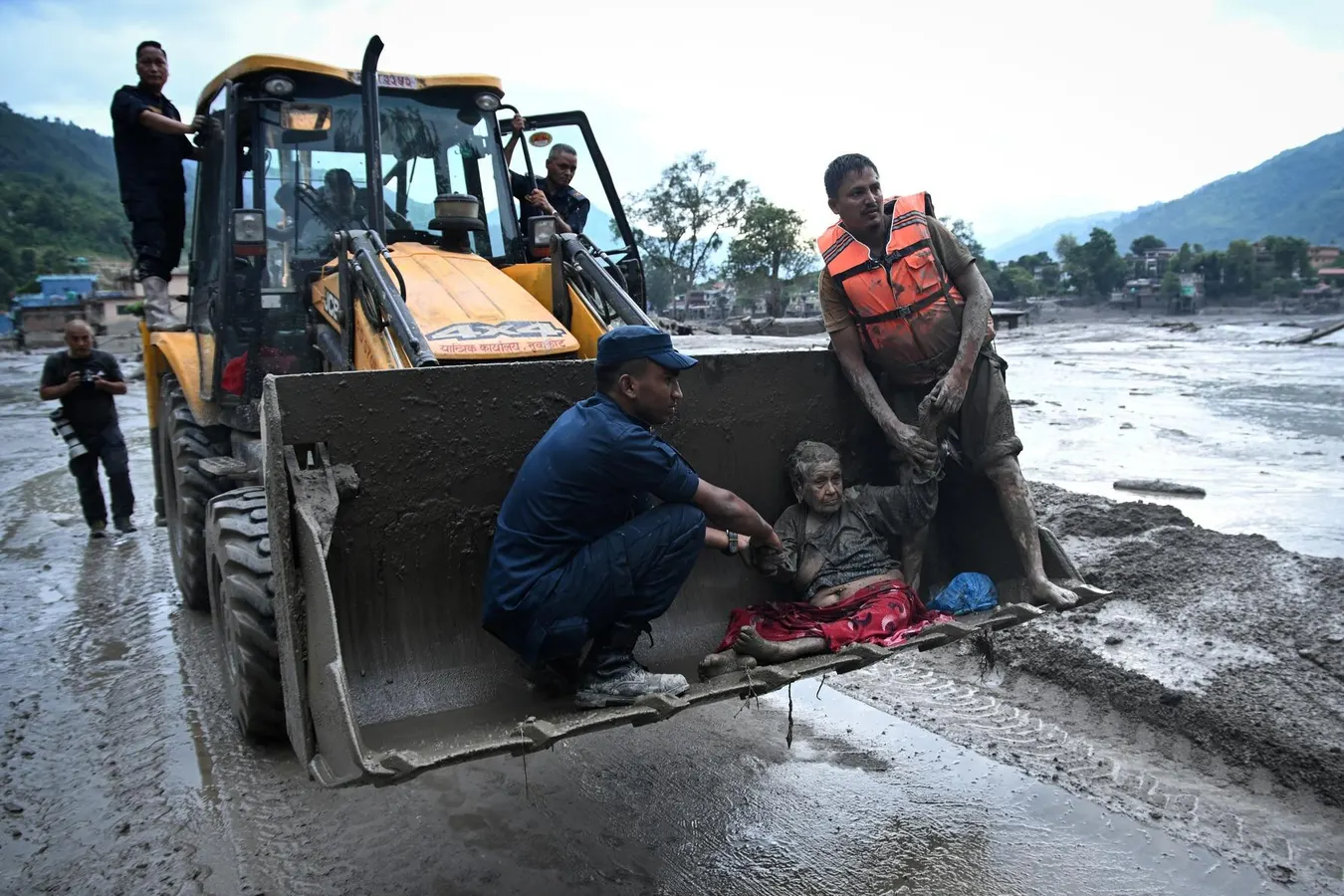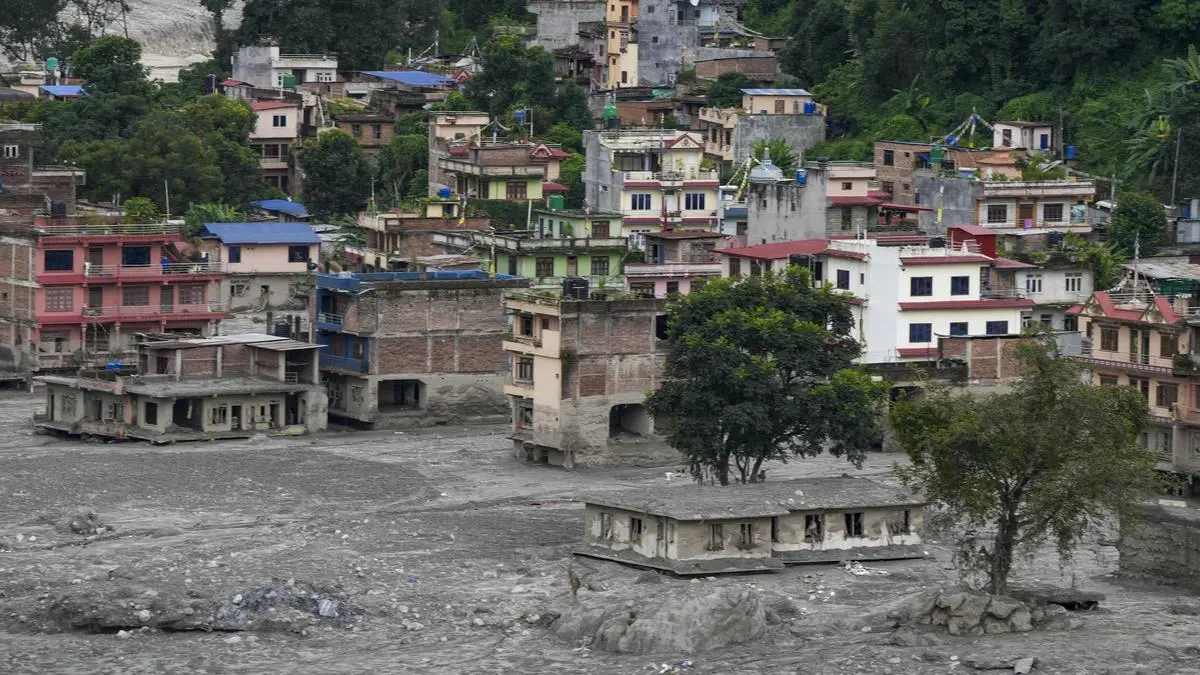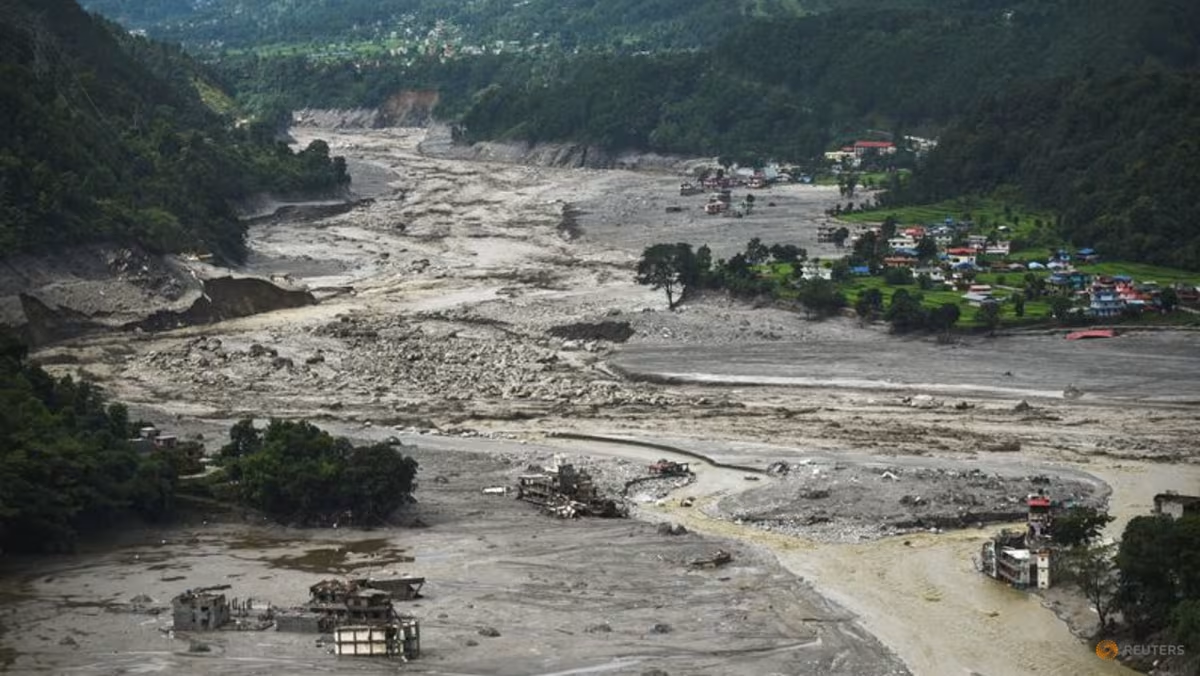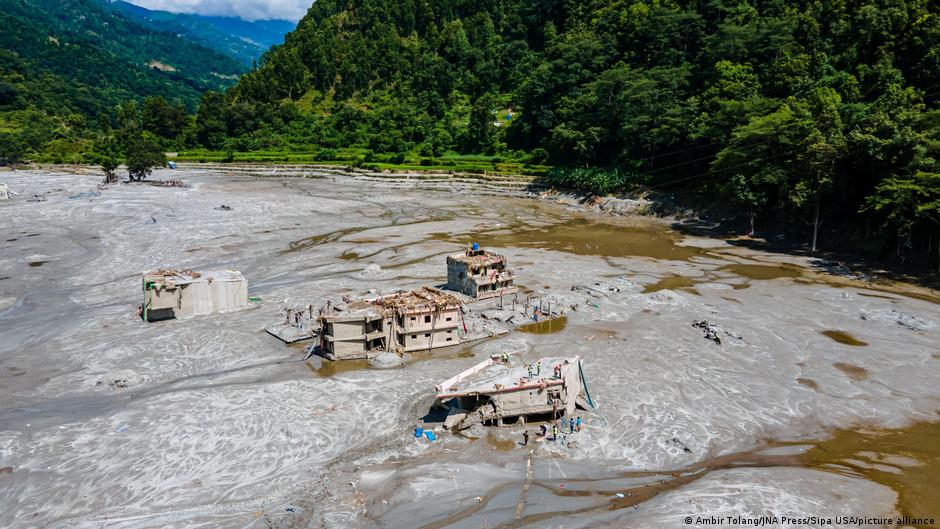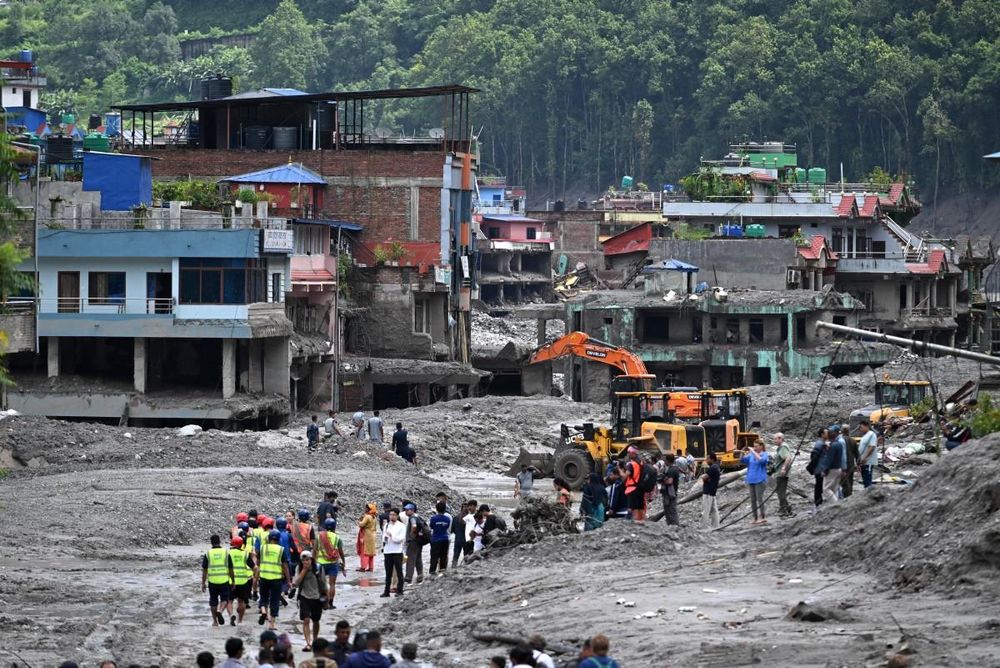
Workers use excavators to clear the mud in the aftermath of flash floods at the Dhunge Bazaar in Nepal's Nuwakot district.
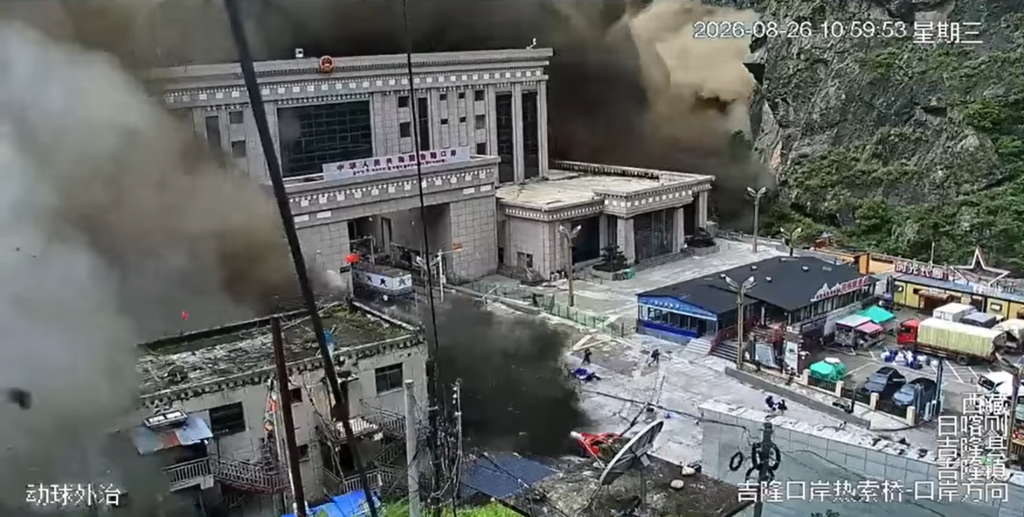
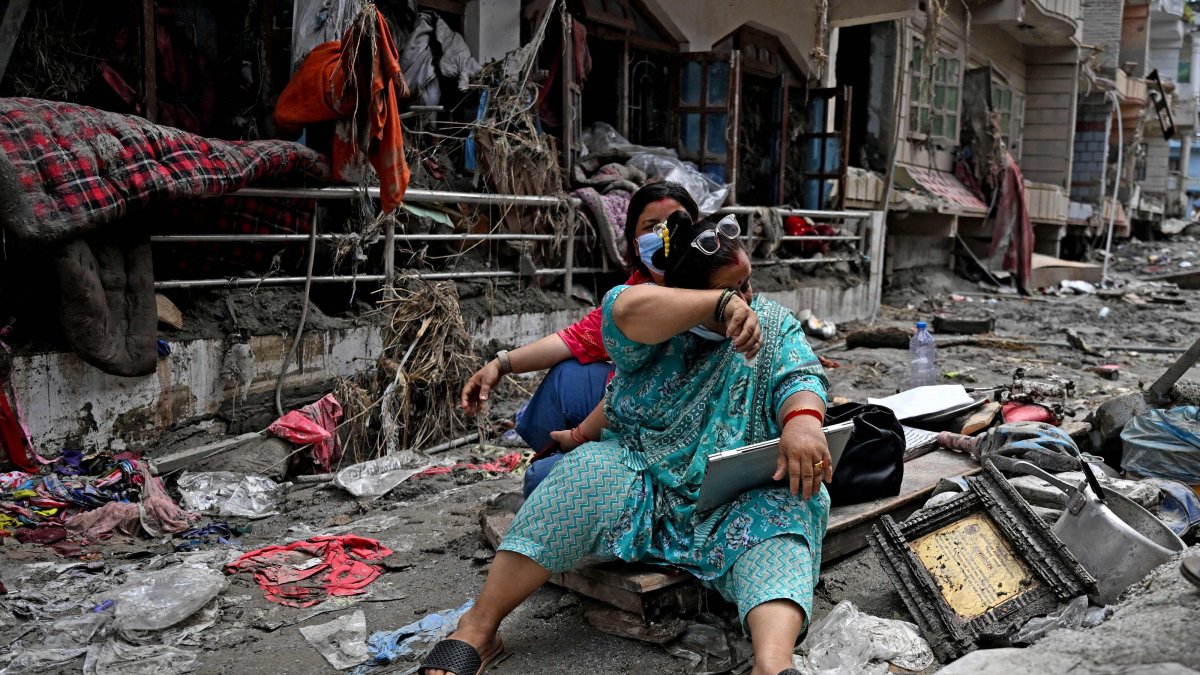
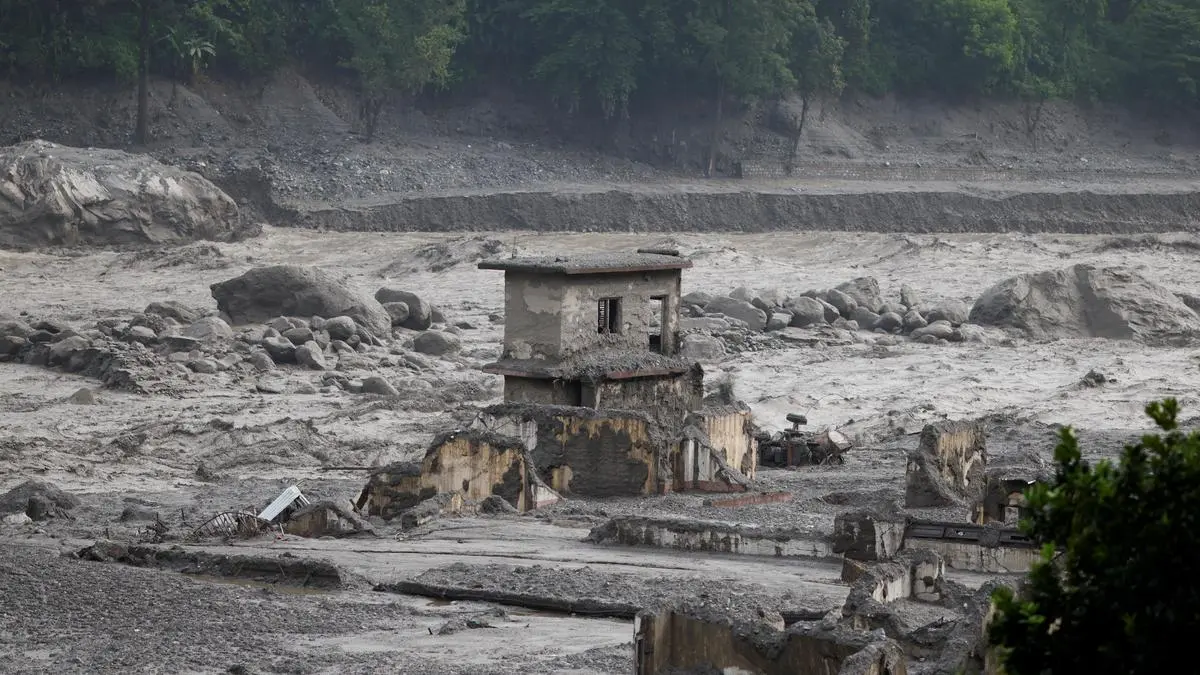
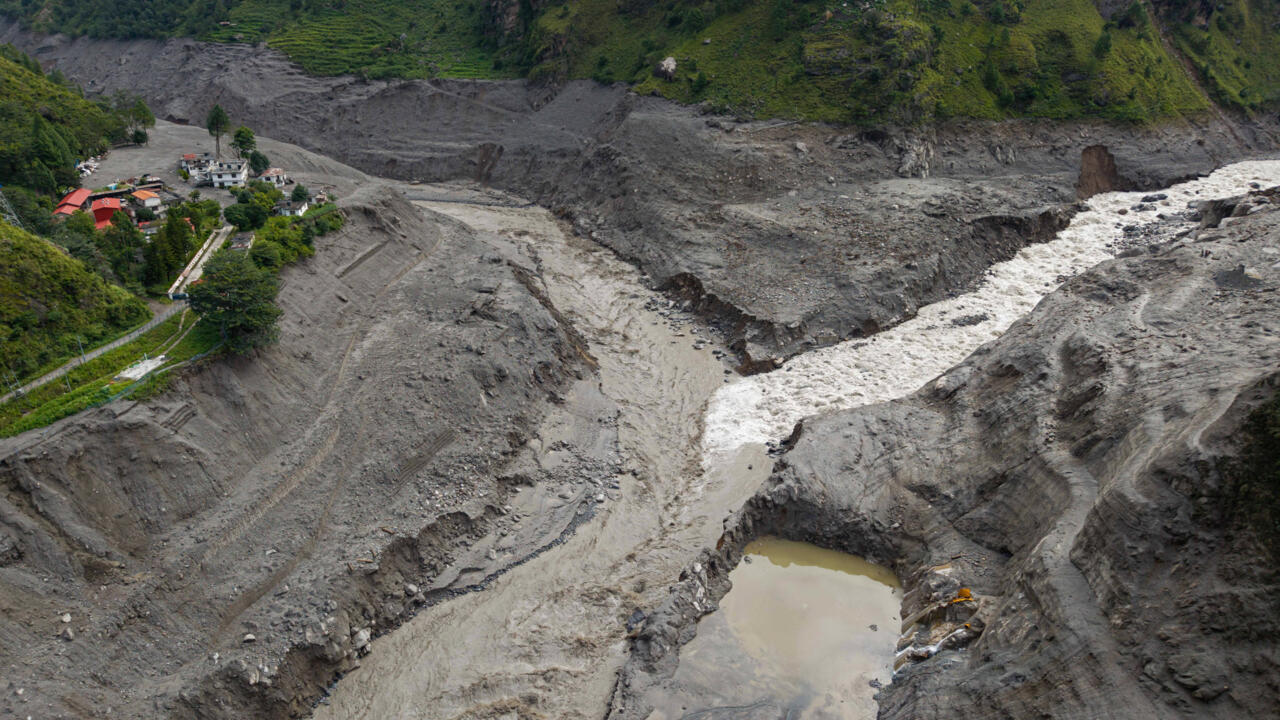
THE horror, the horror. On August 26, catastrophic flash floods devastated settlements and communities around Rasuwa, close to Nepal’s border with Tibet, high in the Himalayas. The nightmarish scenes, captured by CCTV cameras and witnessed across the globe, showed thousands of tonnes of ice, water, mud and debris surging with fearsome intensity through the Bhotekoshi, Trishuli and Narayani river systems.
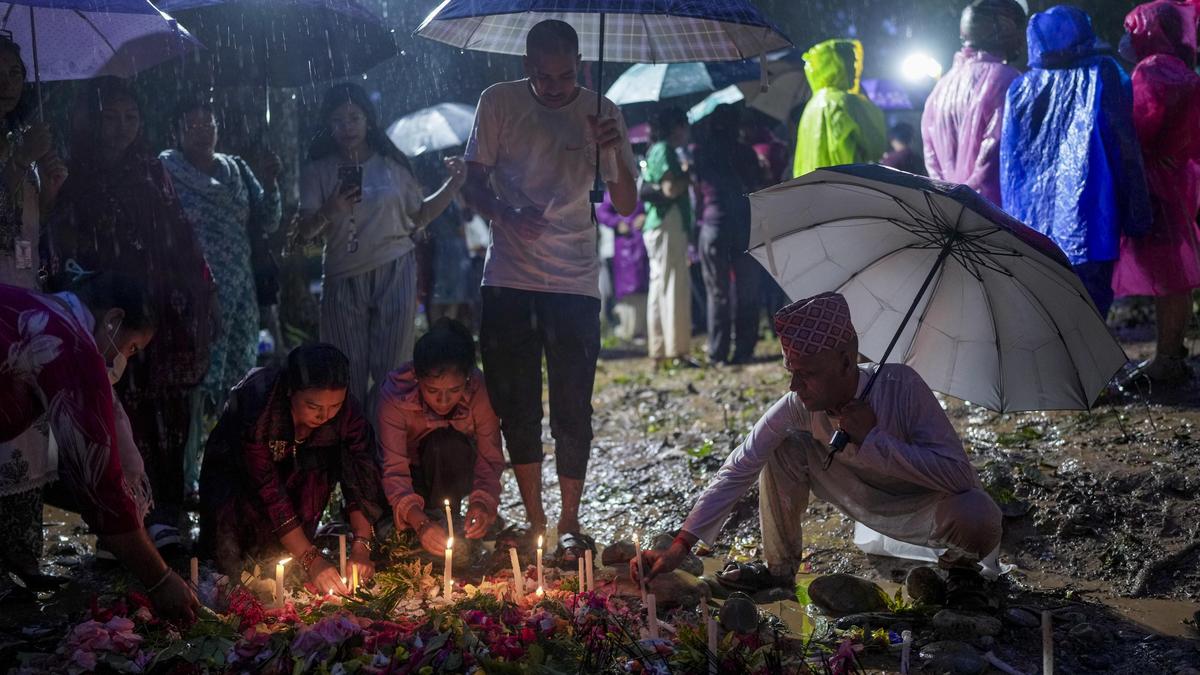
Reports and analyses to date indicate that a mass of glacier and rock, about 600 metres wide, fell more than a kilometre into the Lhende river valley, blocking the river and creating a natural dam. When the blockage gave way, the resulting chain reaction left hundreds of people dead, thousands missing and more than 90 000 in urgent need of assistance.
We watched with awe and dread as that irresistible force ploughed through communities, destroying livelihoods and devastating infrastructure. The lives of a generation of people in the region were irrevocably changed.
The questions now being asked are: What caused this disaster, could it have been prevented, and could more lives have been saved?