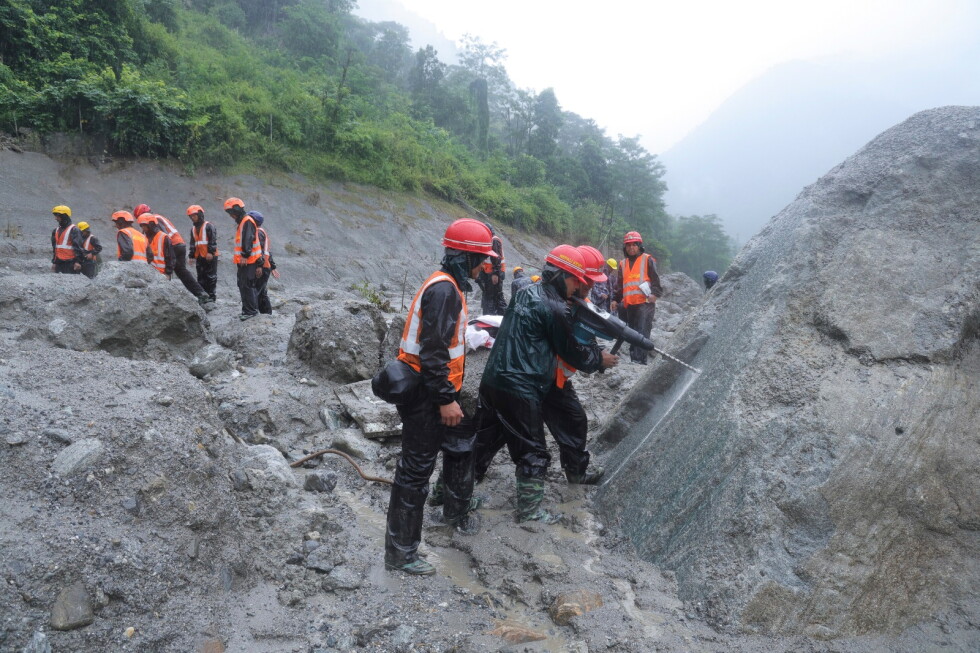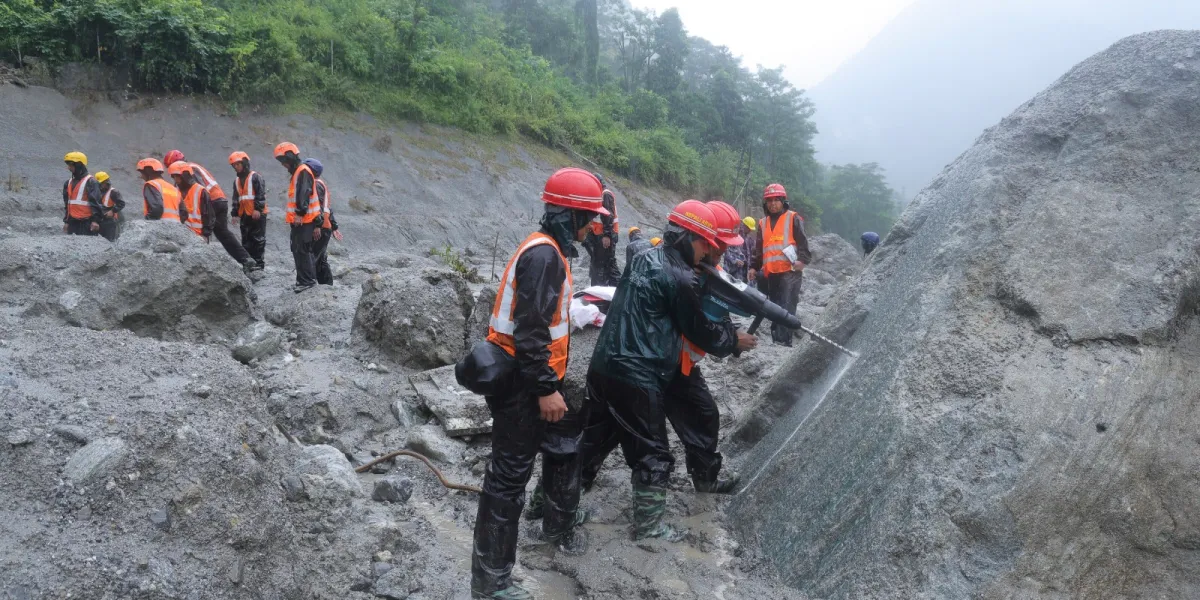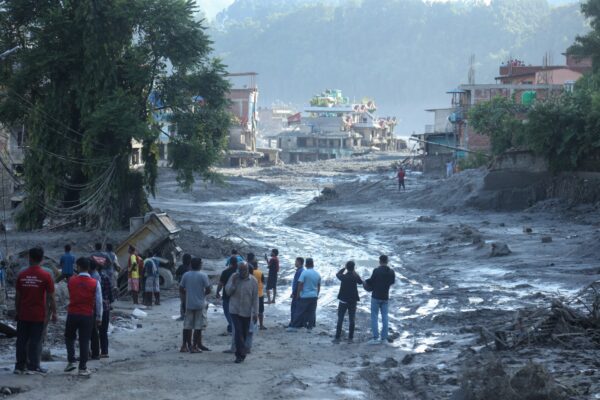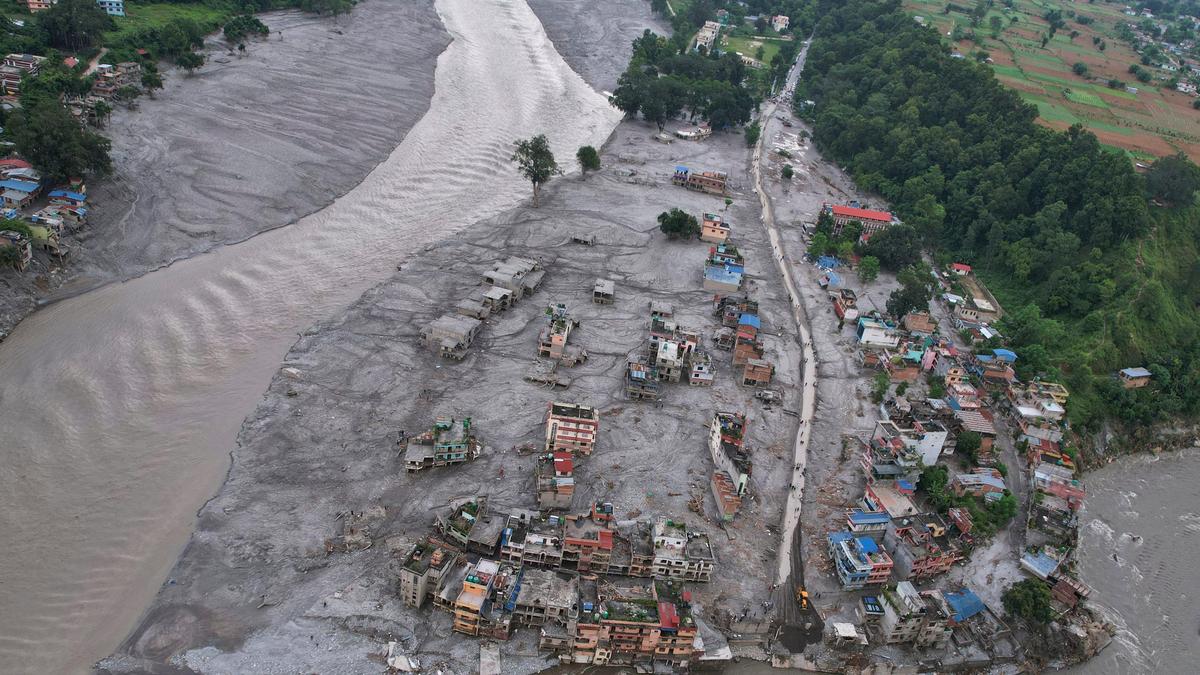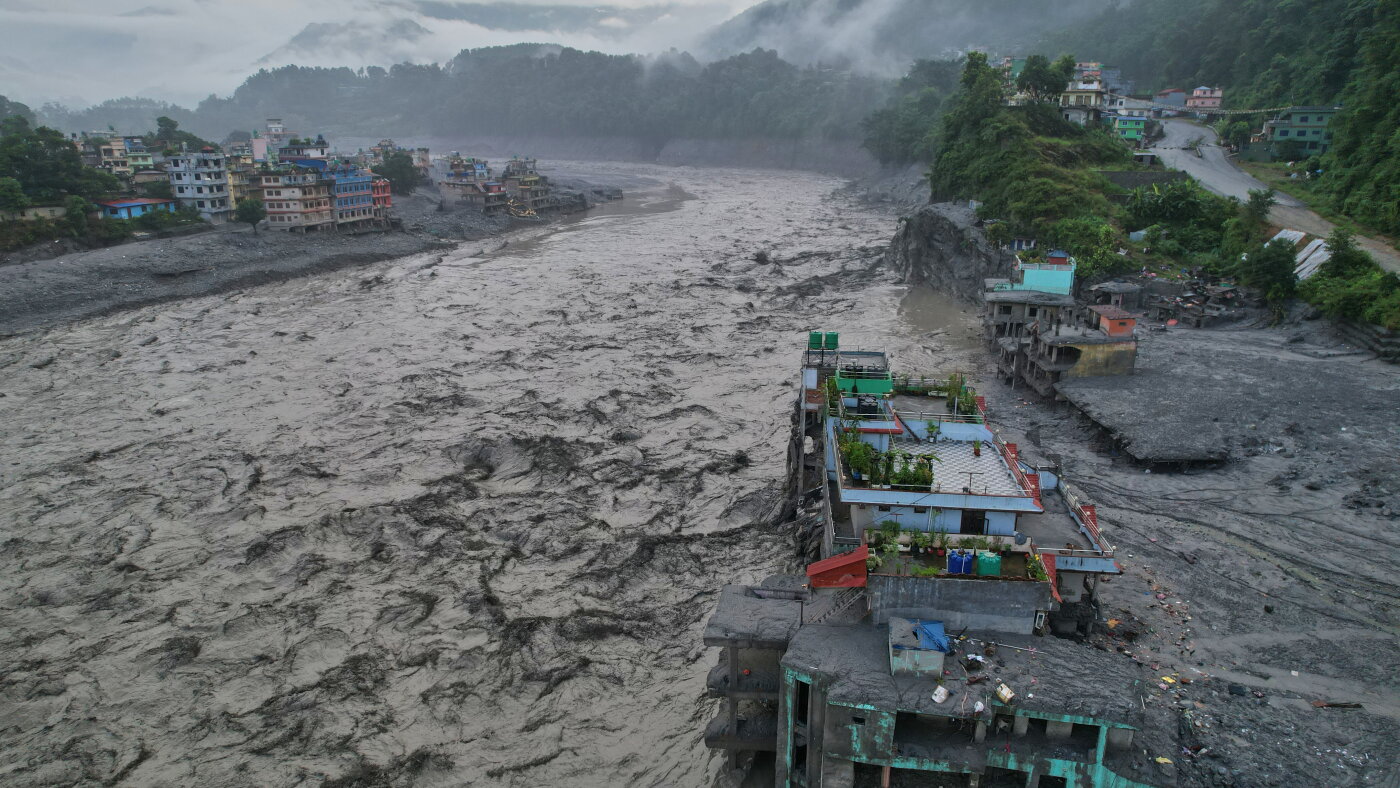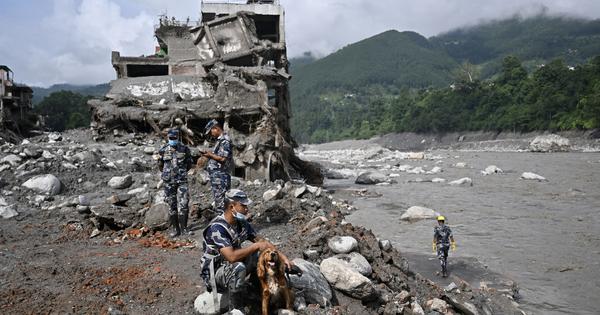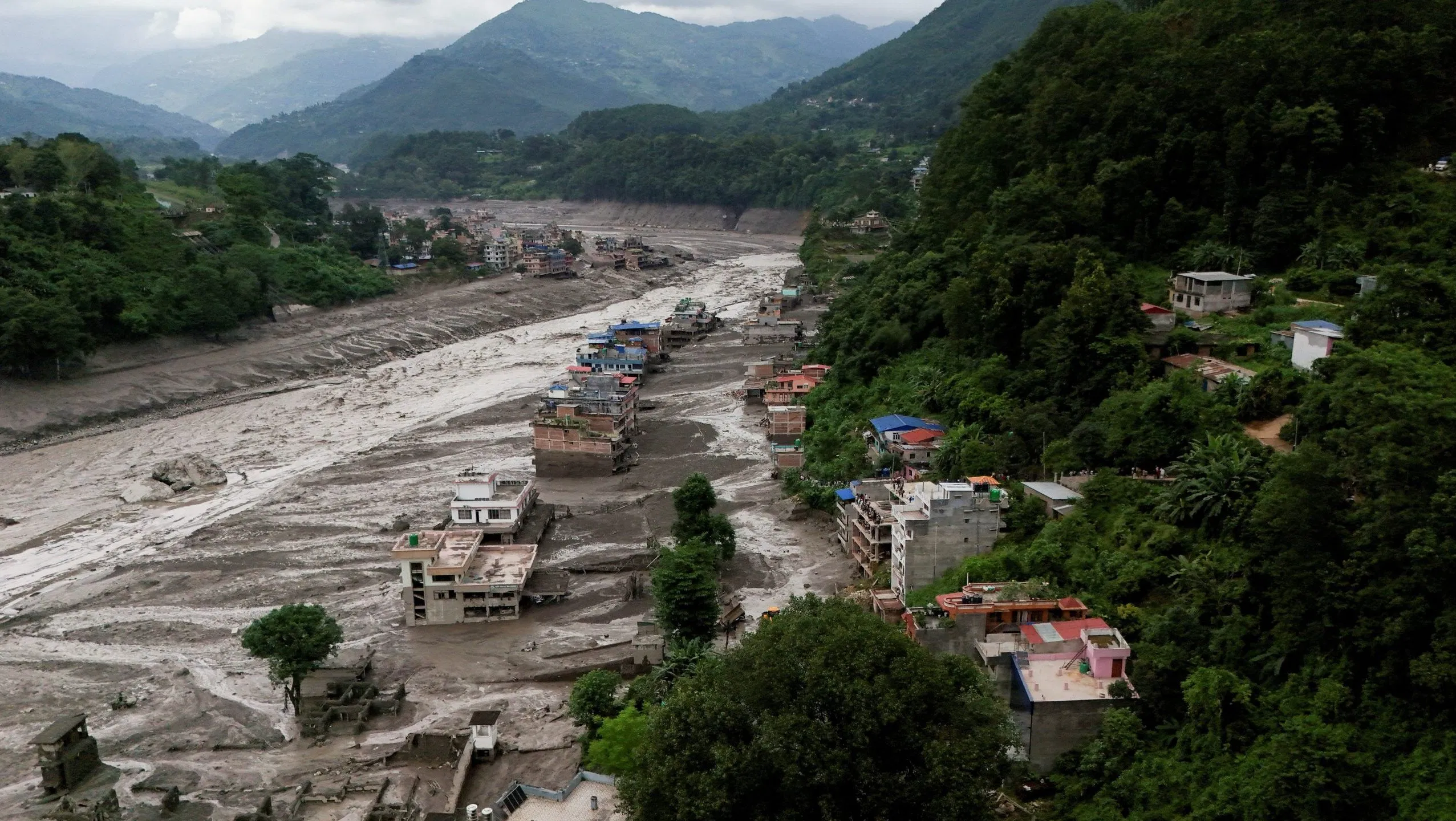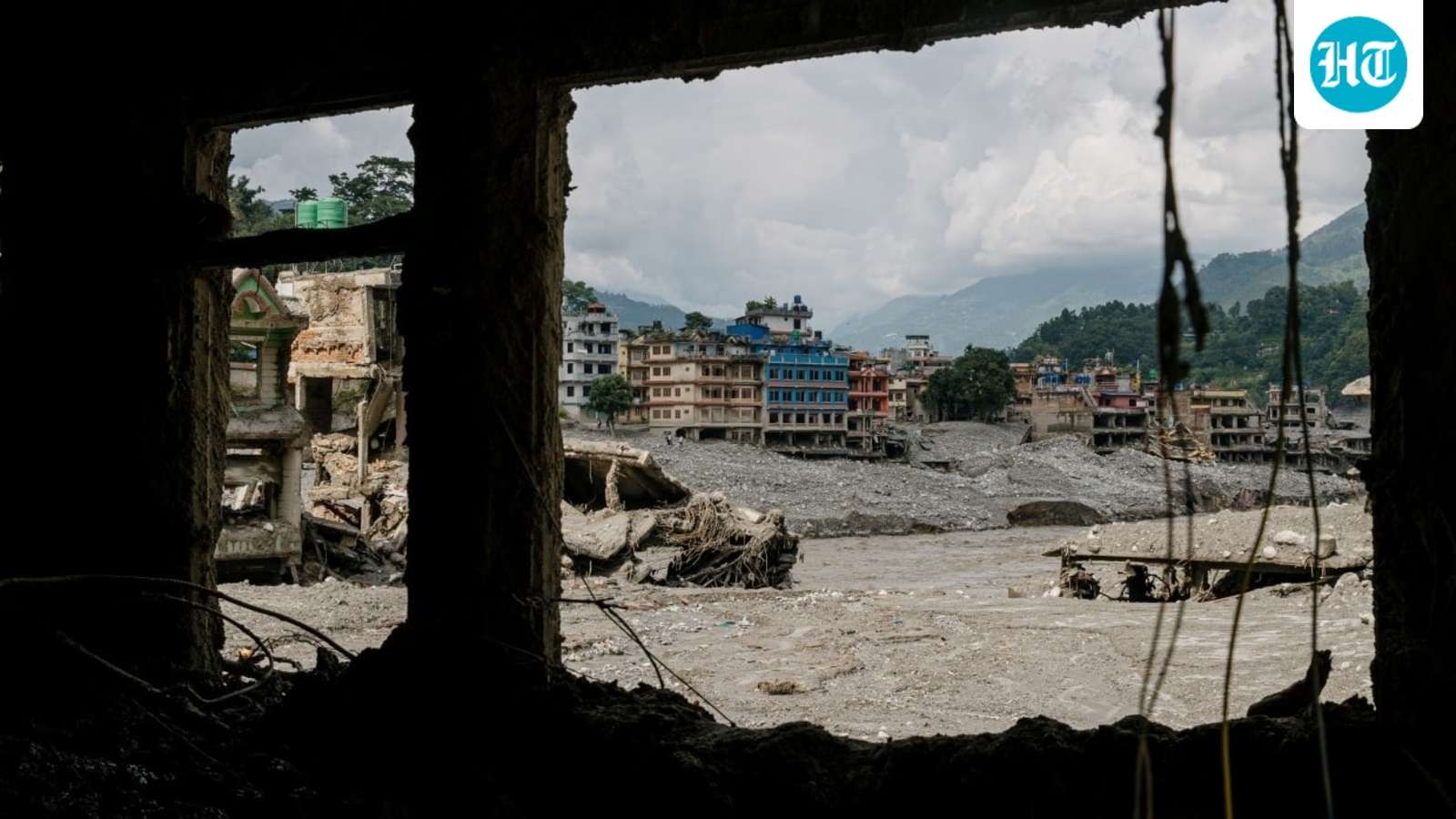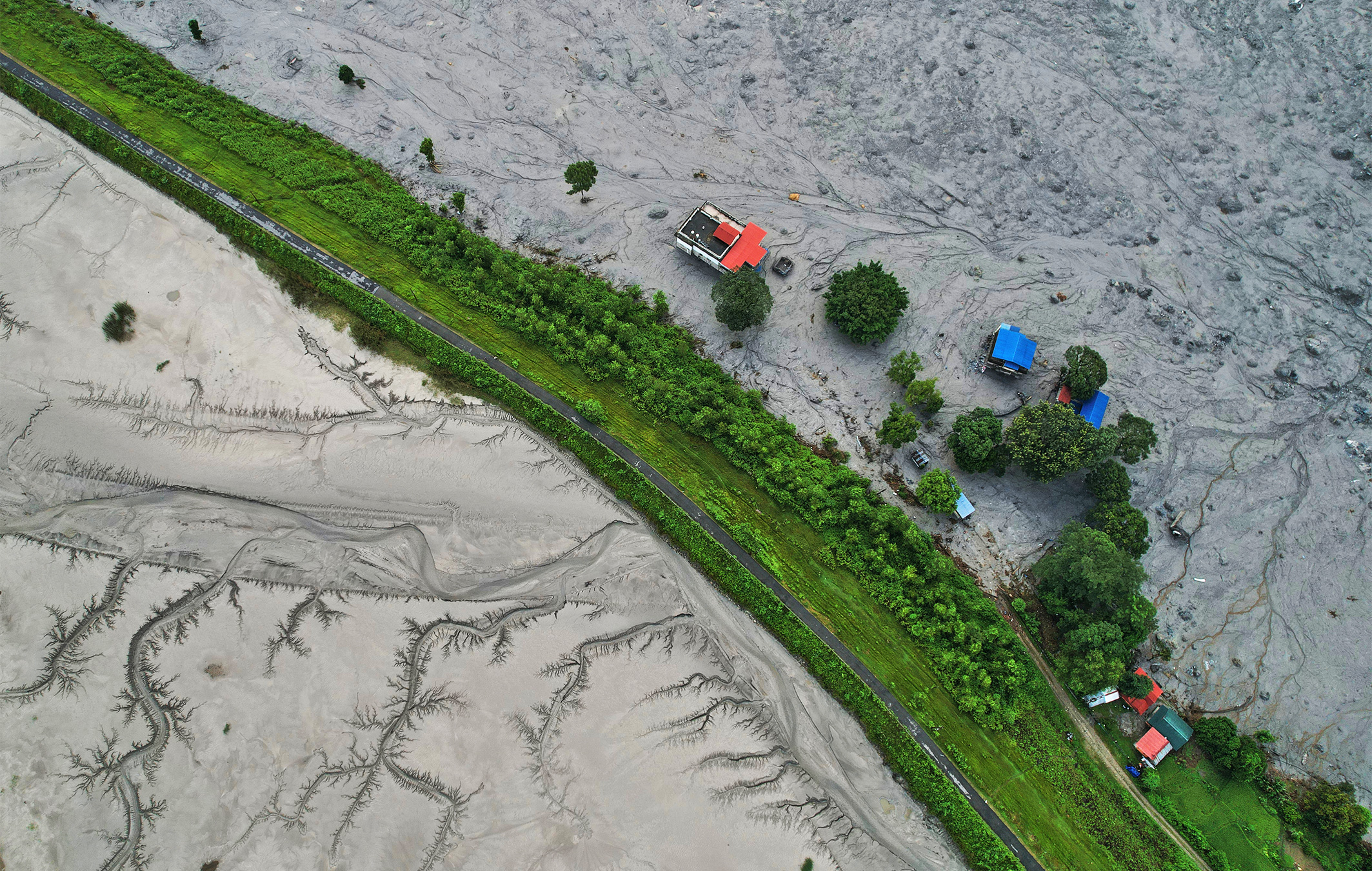
● The Aug. 26 flash floods on the Nepal-China border wiped out or badly damaged 281 megawatts of installed capacity and damaged 388 MW under construction in Nepal, with losses estimated to be hundreds of billions of Nepali rupees. With transmission lines on the Trishuli riverbank washed away, another 150 MW of power is cut off from the national grid.Surface-built powerhouses, dams and desanders near the riverbed suffered the worst damage, while underground powerhouses held up well, pointing to project locations, longer access tunnels, and early-warning systems as key resilience factors, though these upgrades could raise project costs by 10-12%.Some experts argue the flood should prompt Nepal to prioritize domestic consumption over its export-driven hydropower strategy, citing both physical disaster risk and falling electricity prices in neighboring India.The disaster threatens Nepal’s newly achieved net-exporter status (18.75 billion rupees, or $142 million in Financial Year 2025) heading into winter’s low-flow season, and is accelerating calls to scale up solar power.
KATHMANDU — Nepal’s long-held policy of harnessing hydroelectricity and using it for economic growth has met new challenges: potential catastrophic floods in the snow-fed rivers amid rising global temperatures.