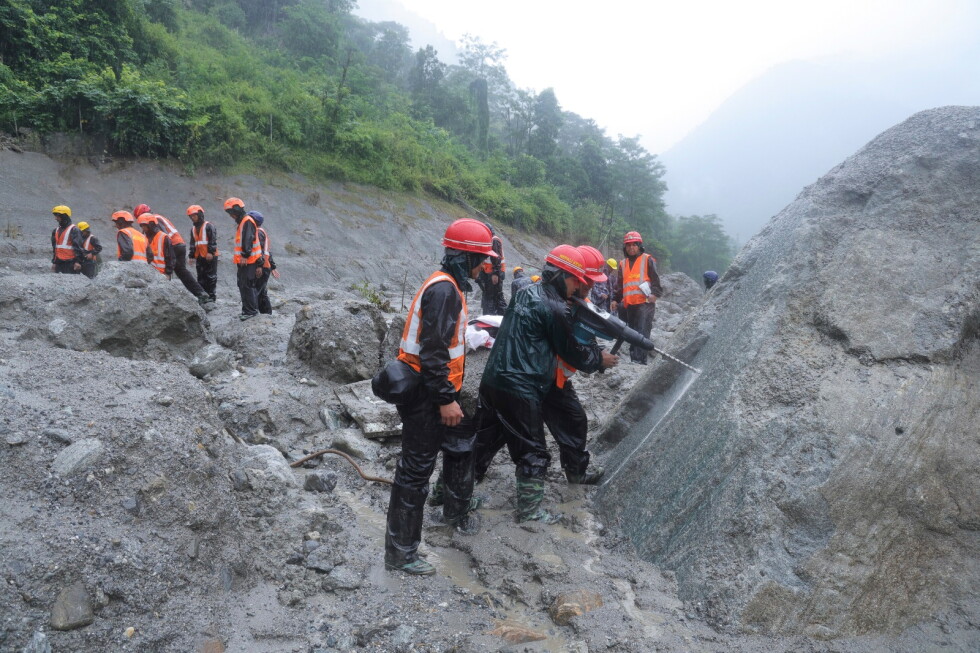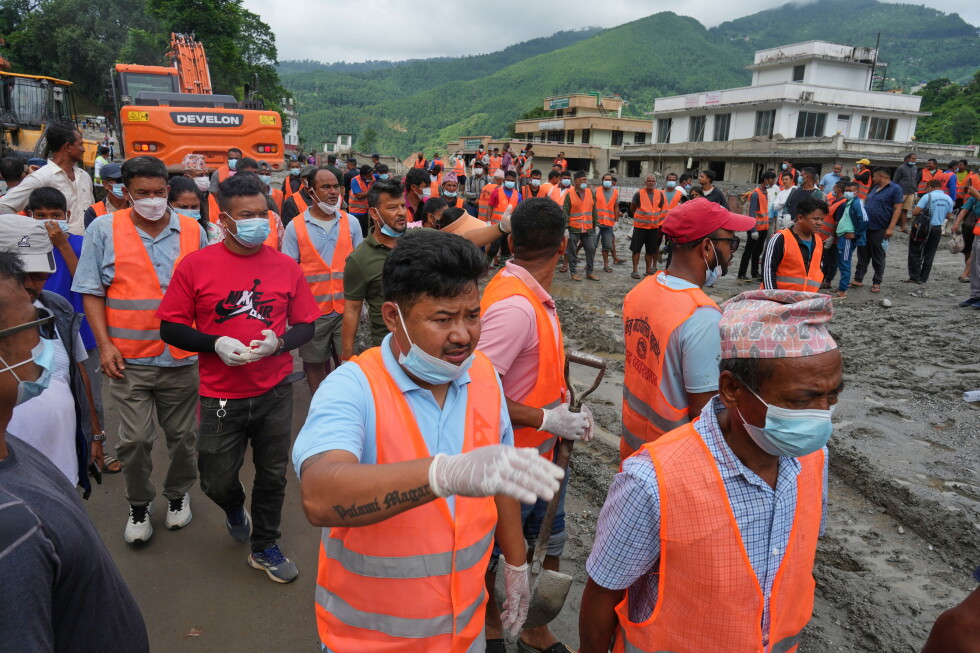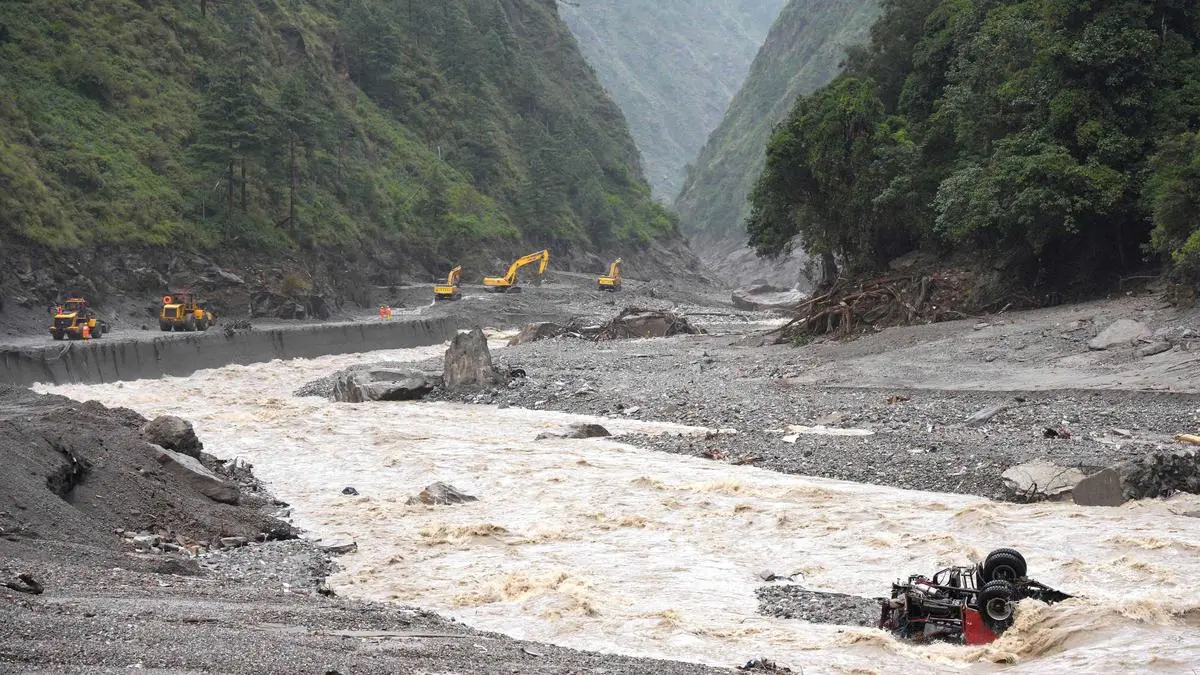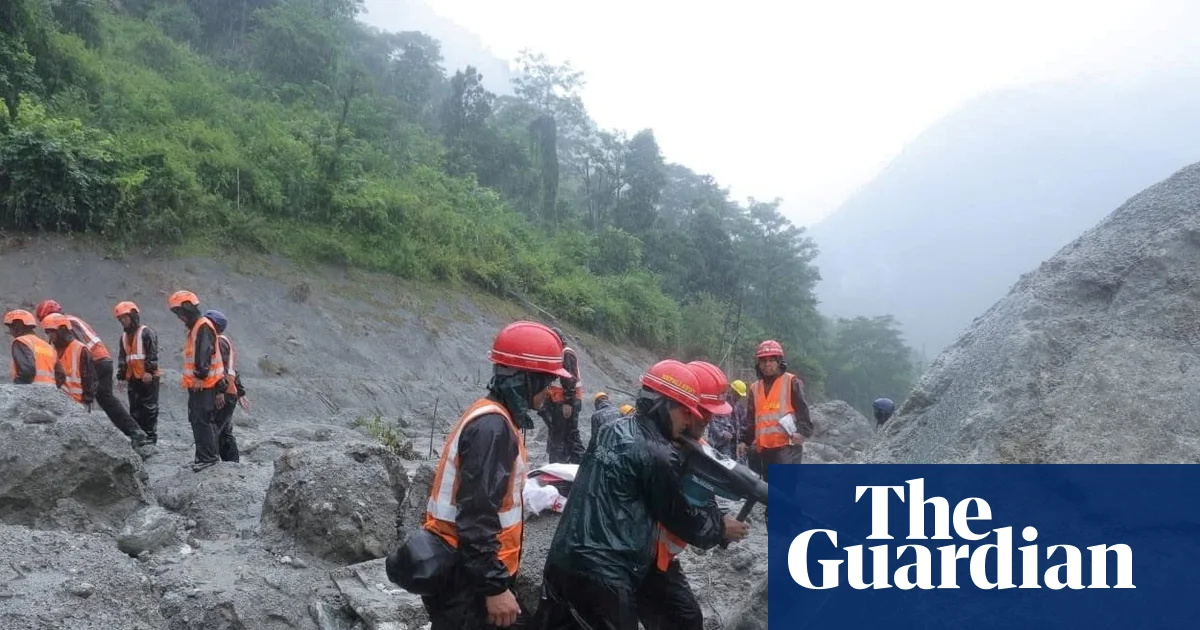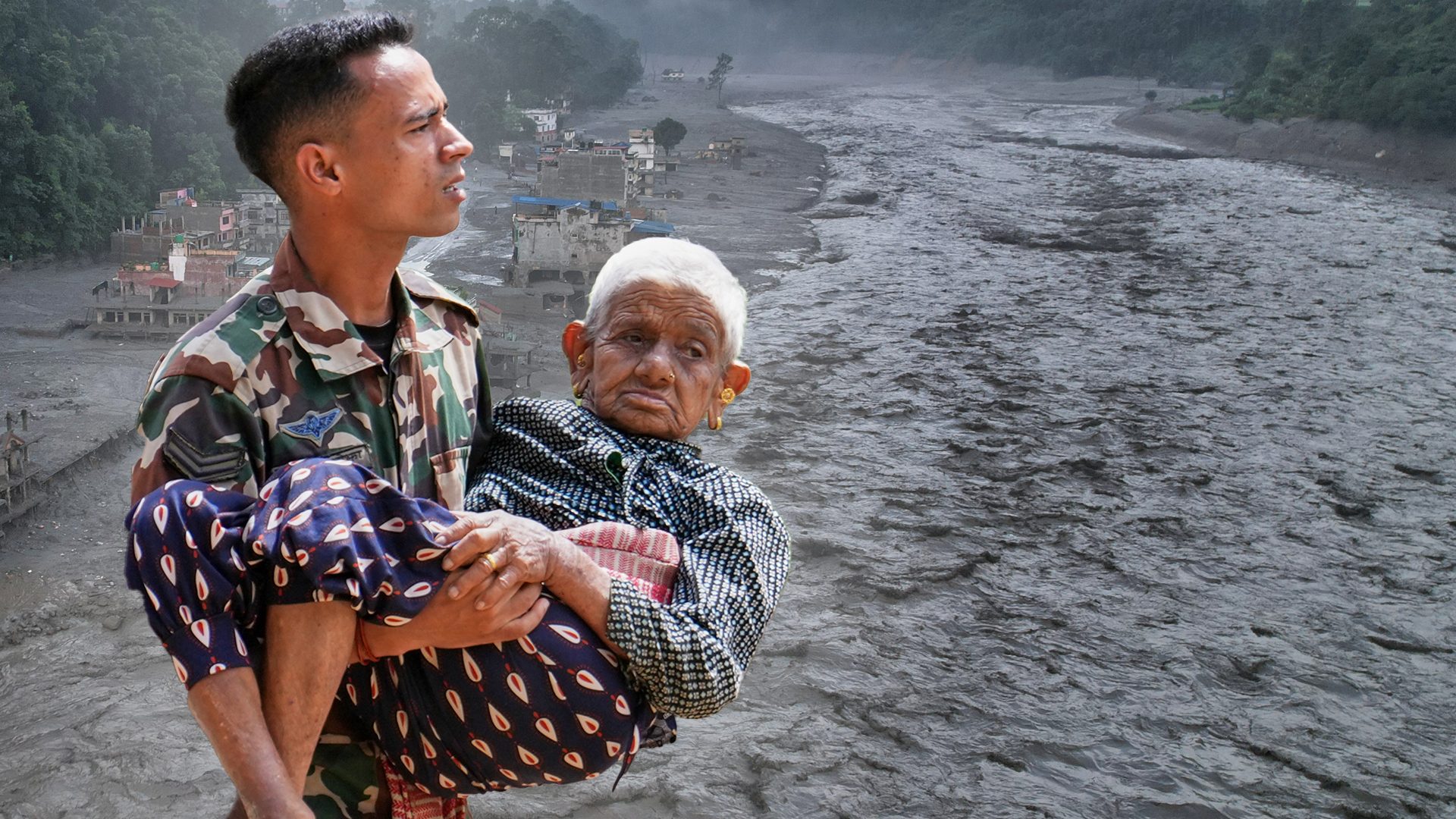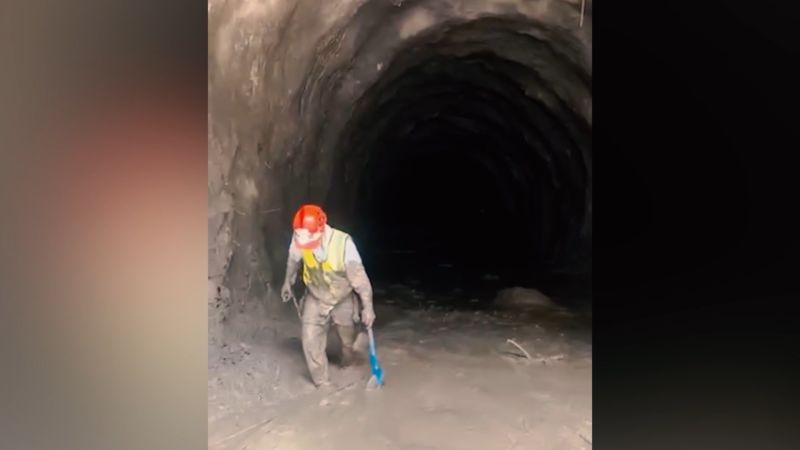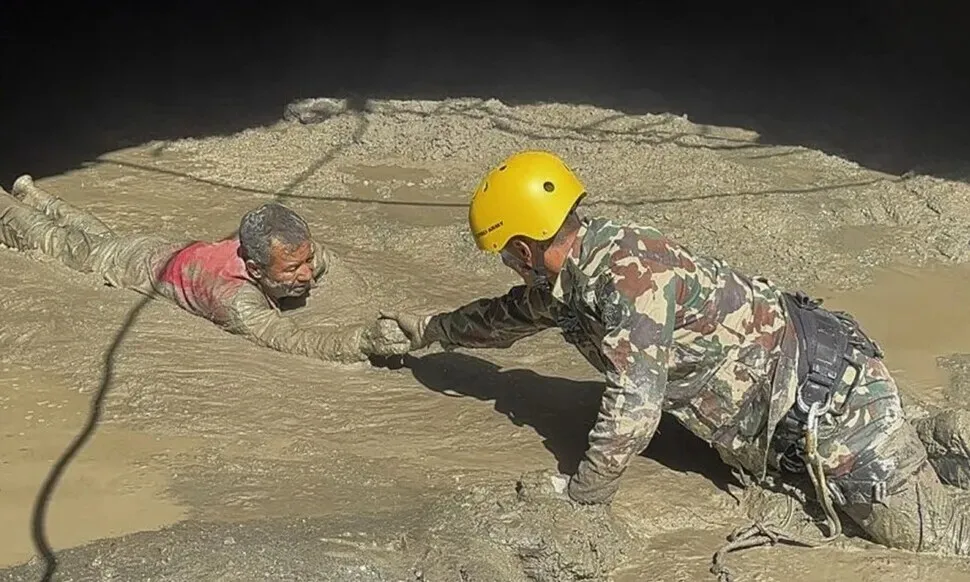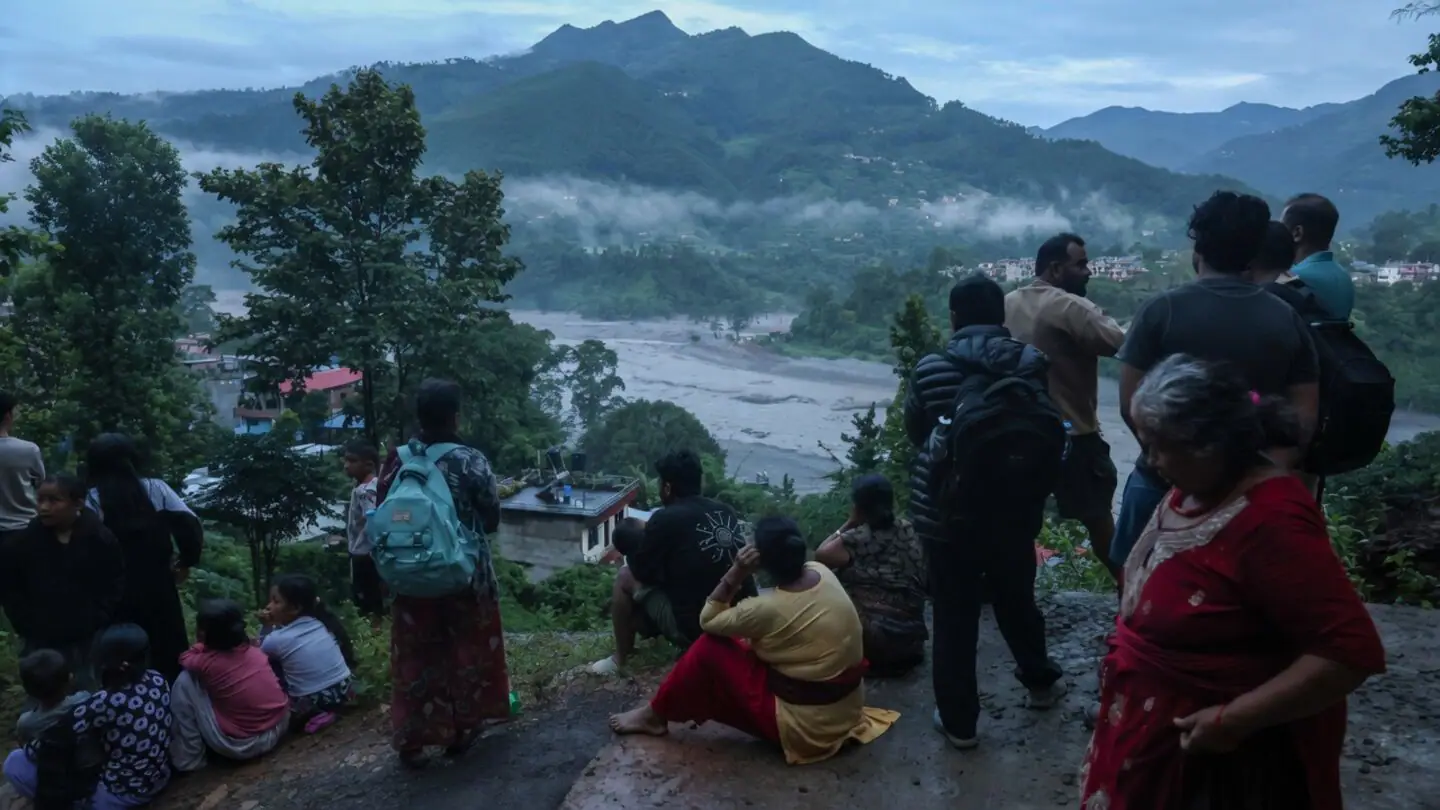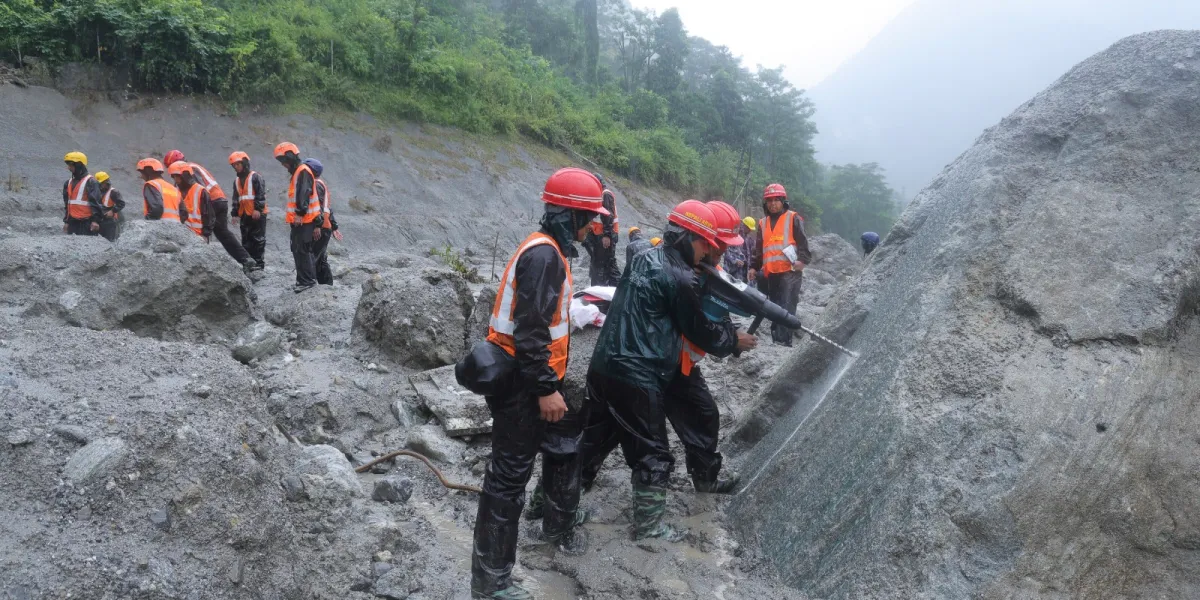
Workers shoveled thick mud from a flood-ravaged power station in central Nepal, trying to revive a key node that supplies electricity to more than 20,000 people. But as they cleared debris from equipment buried by last week’s catastrophic floods, there was hope the plant would not simply be rebuilt in the same place, beside the river that destroyed it.
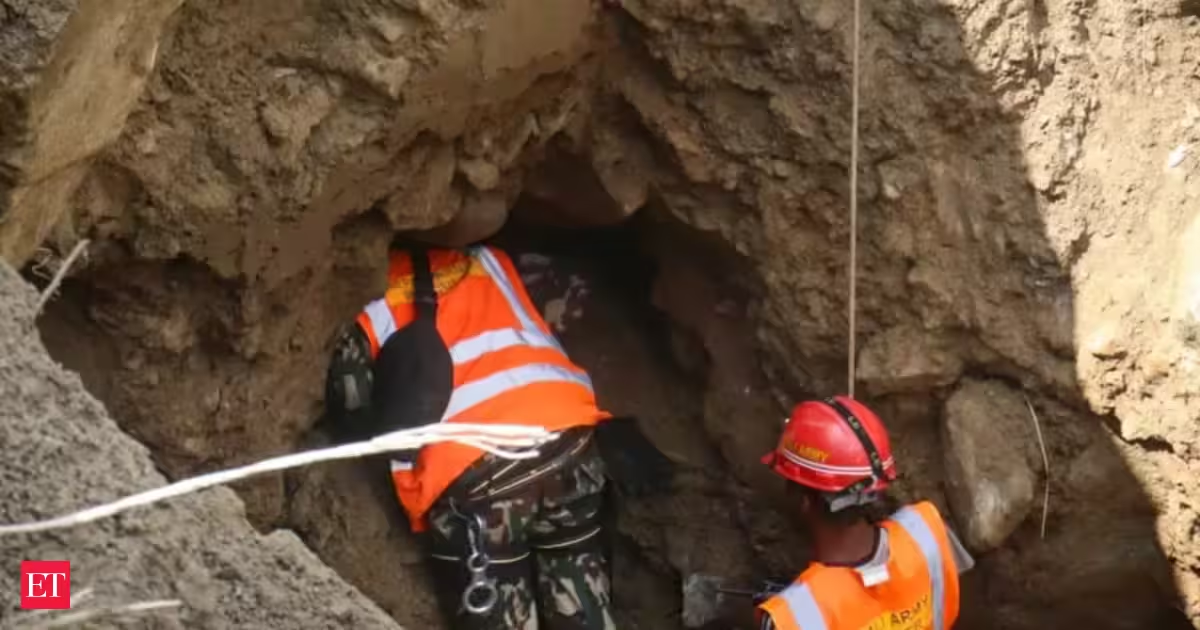
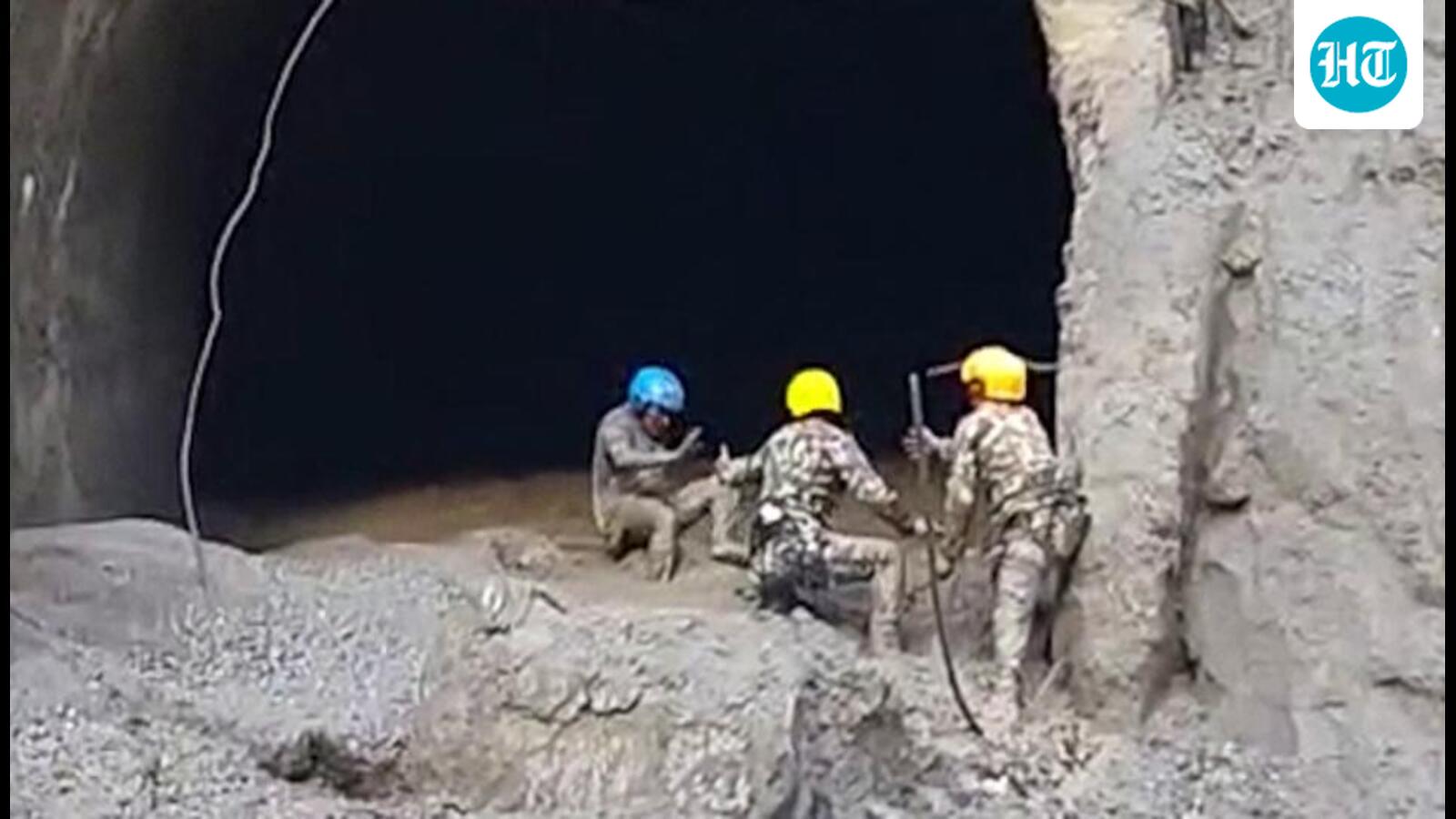
In Nepal, up to 900 workers are unaccounted for from a dozen hydropower projects, according to the Independent Power Producers’ Association, Nepal, with hundreds believed trapped in tunnels. In Nepal and China combined, over 900 people have died and 4,700 are missing.
The loss of hydropower infrastructure is estimated to have taken 700 megawatts offline — about 10% of the country’s power capacity. Once the immediate aftermath of the disaster is dealt with, the question of how to restore power, roads, bridges, schools and health facilities quickly without rebuilding the same vulnerabilities should be on top of Nepalese authorities’ minds. disaster experts said.
“Authorities have to take a hard look in the mirror now and ask how they will be rebuilding in these places. They will also have to take a close look at other projects in Nepal that have not been built yet, whether they’ll be approved after this event,” said Jakob Steiner, a geoscientist at the University of Graz in Austria, who is currently based in Dhaka, Bangladesh.