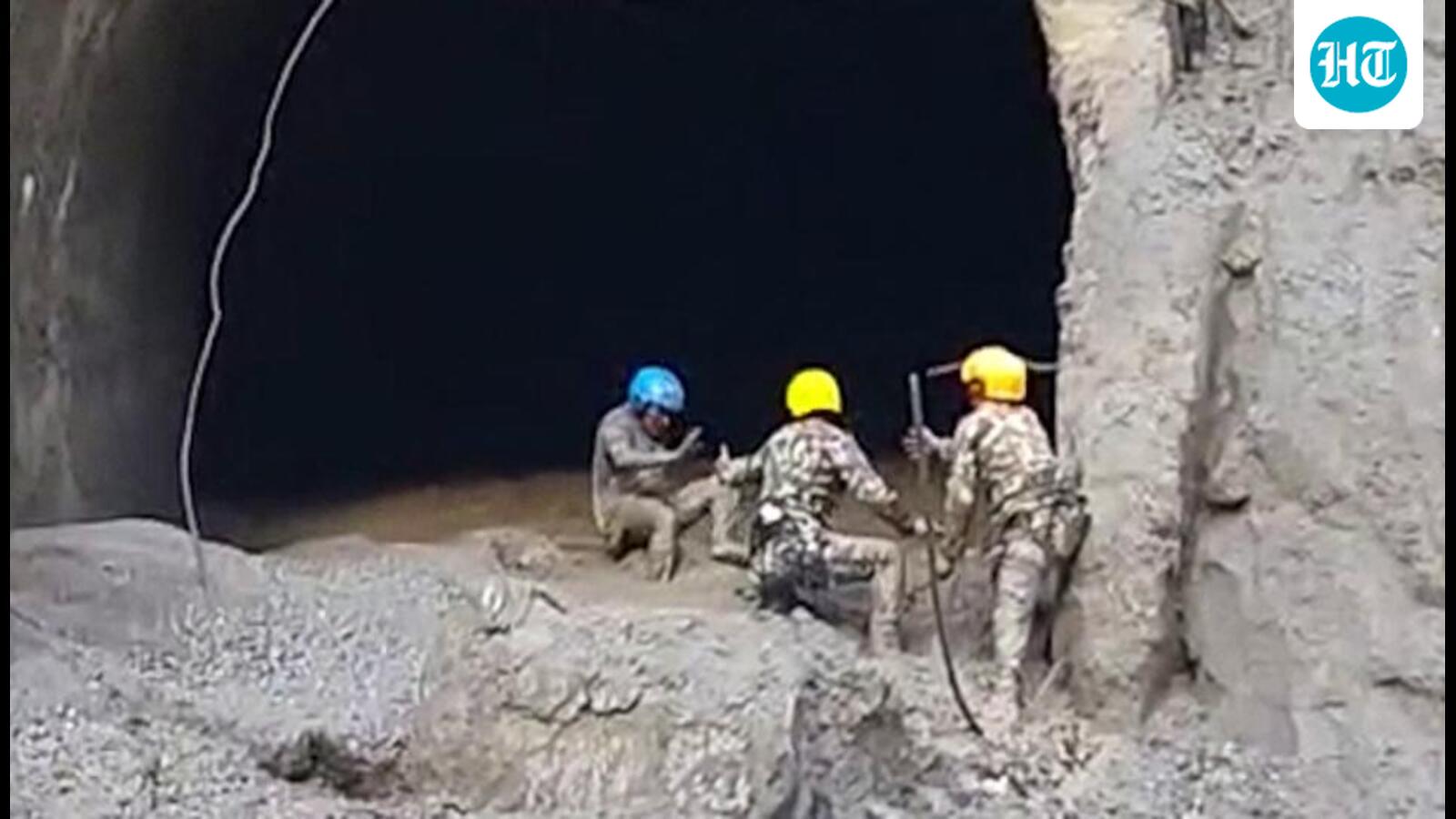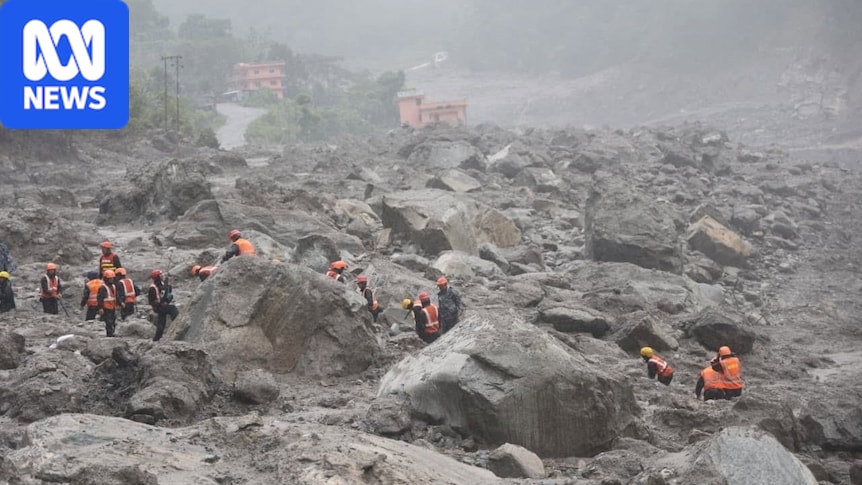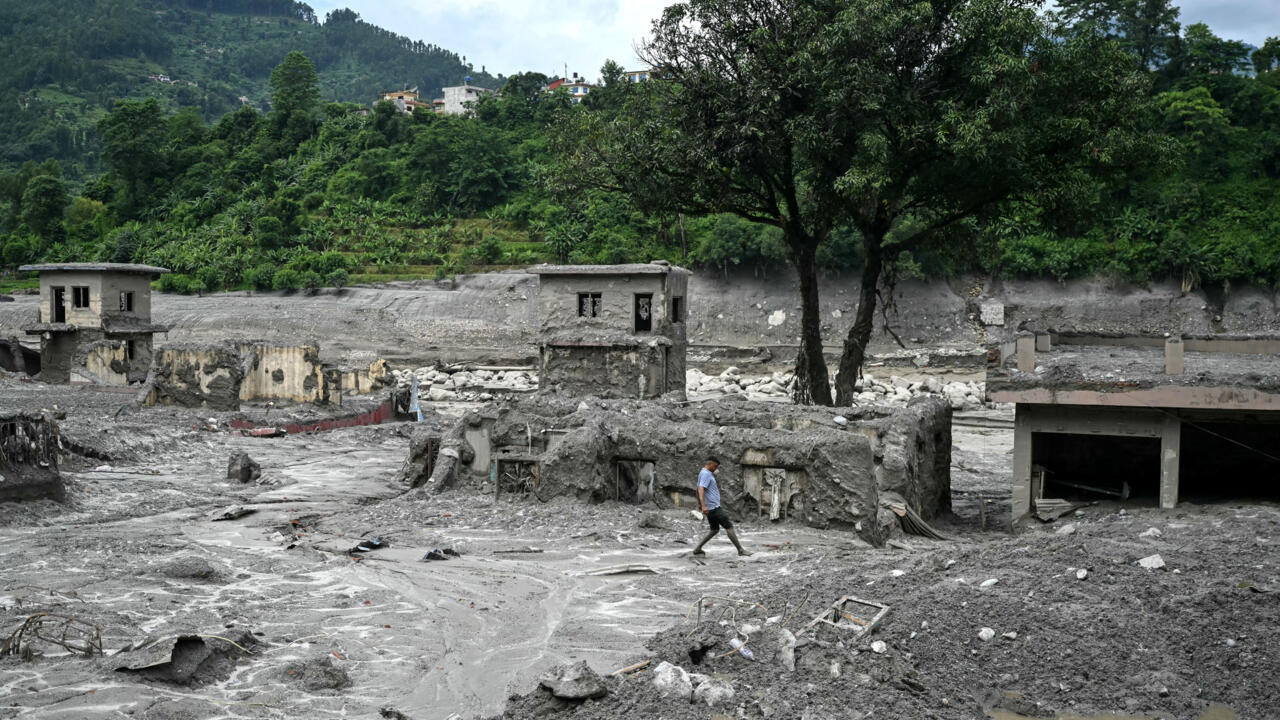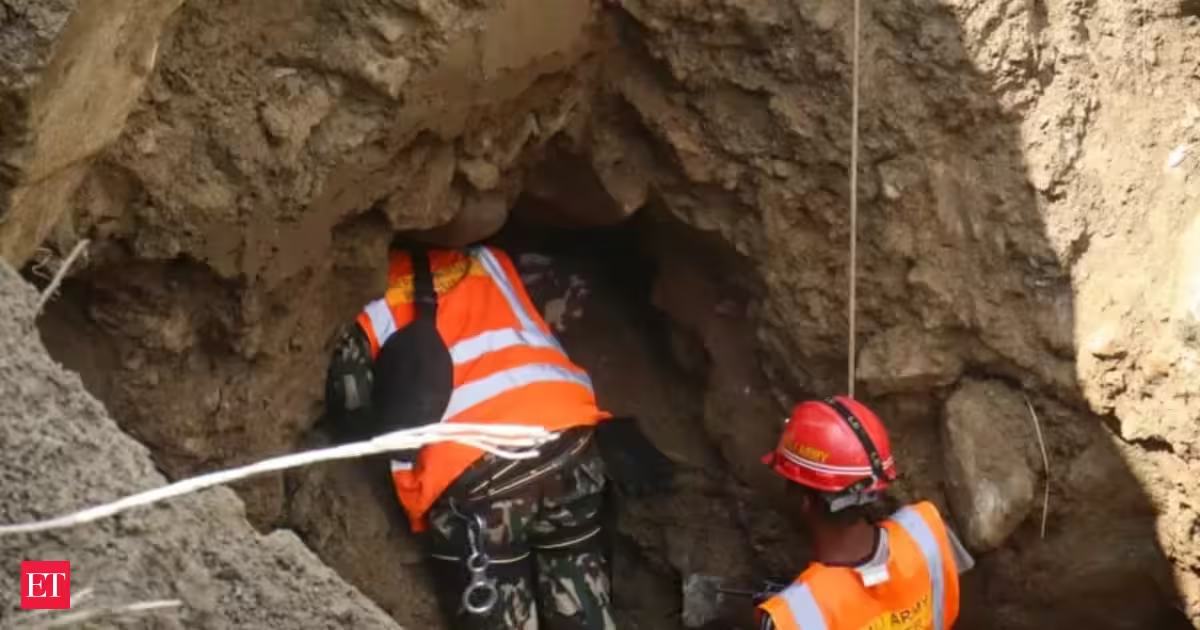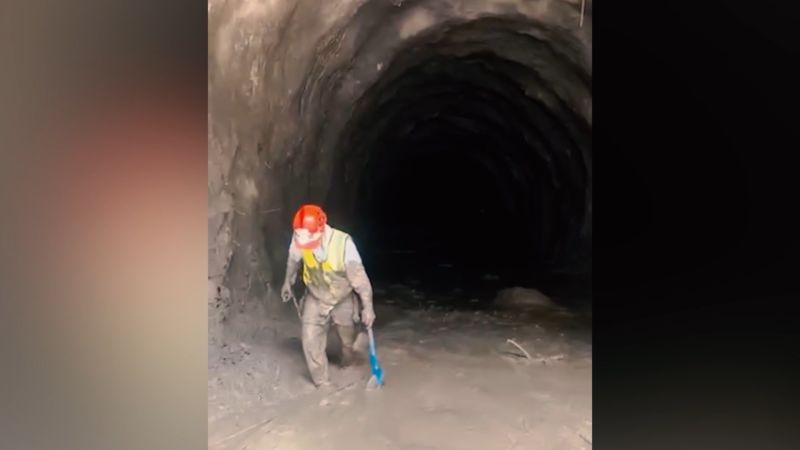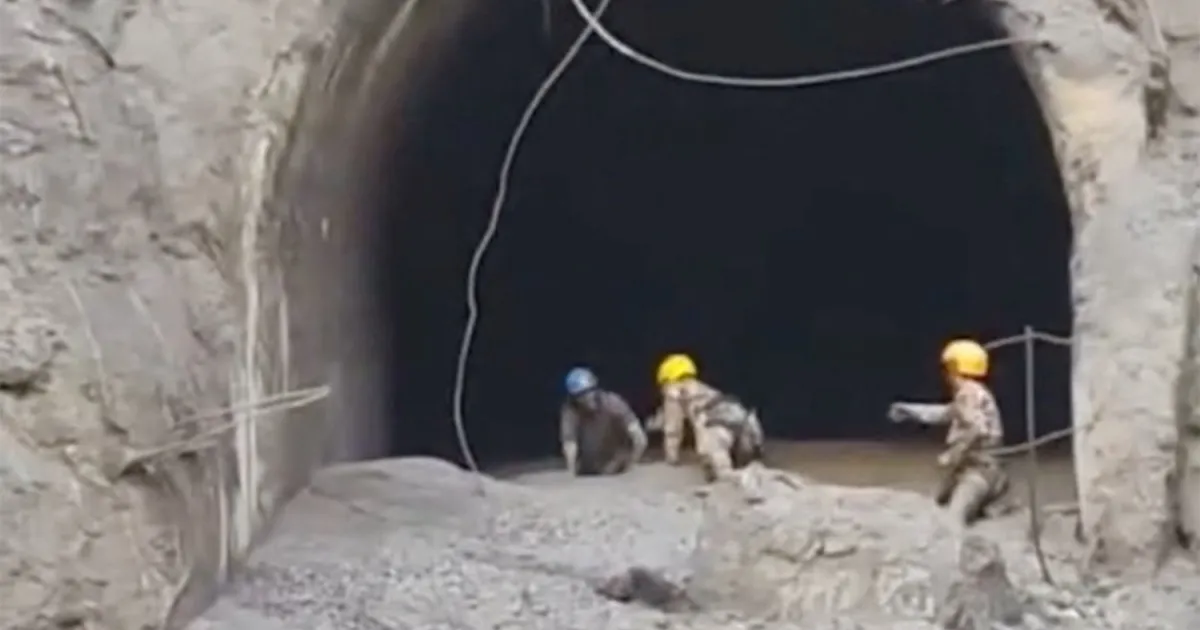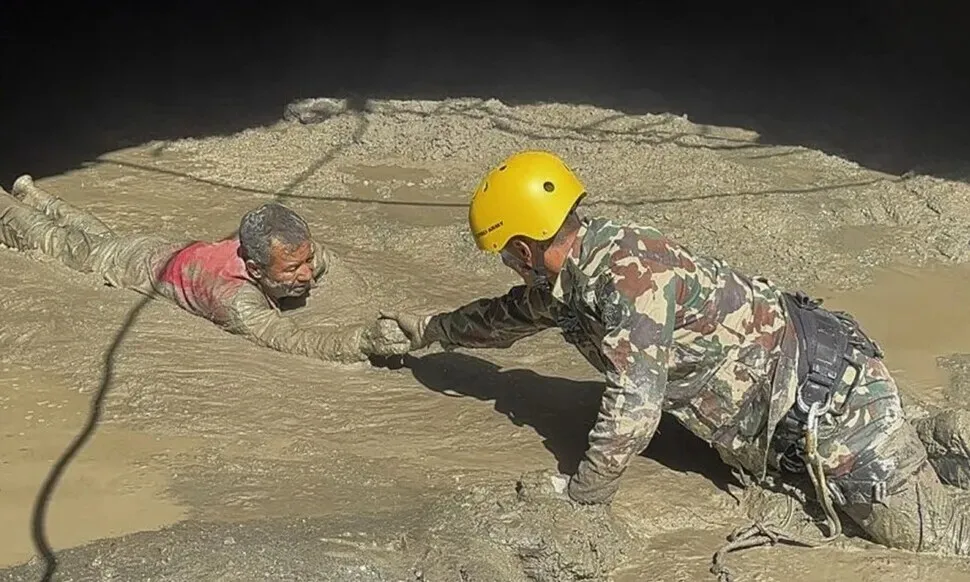
A rescuer pulls a survivor from a tunnel at a hydropower plant in Rasuwa, Nepal, on Aug. 28, 2026, after flash floods filled the tunnel with mud and debris. (EPA/Yonhap)
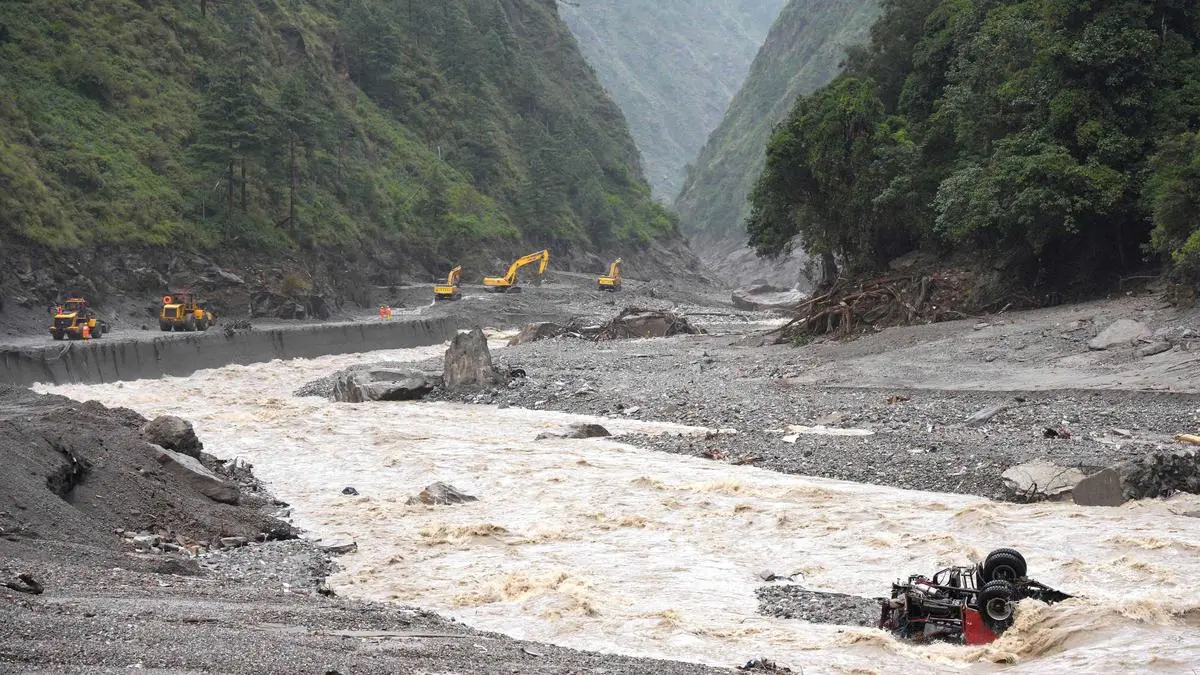
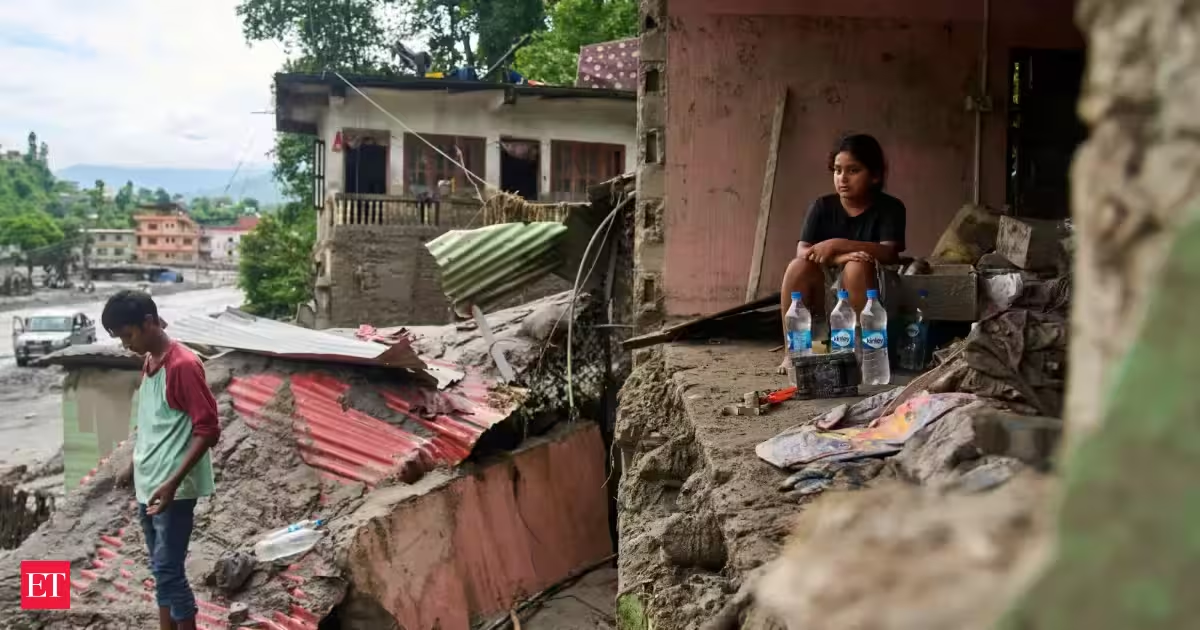
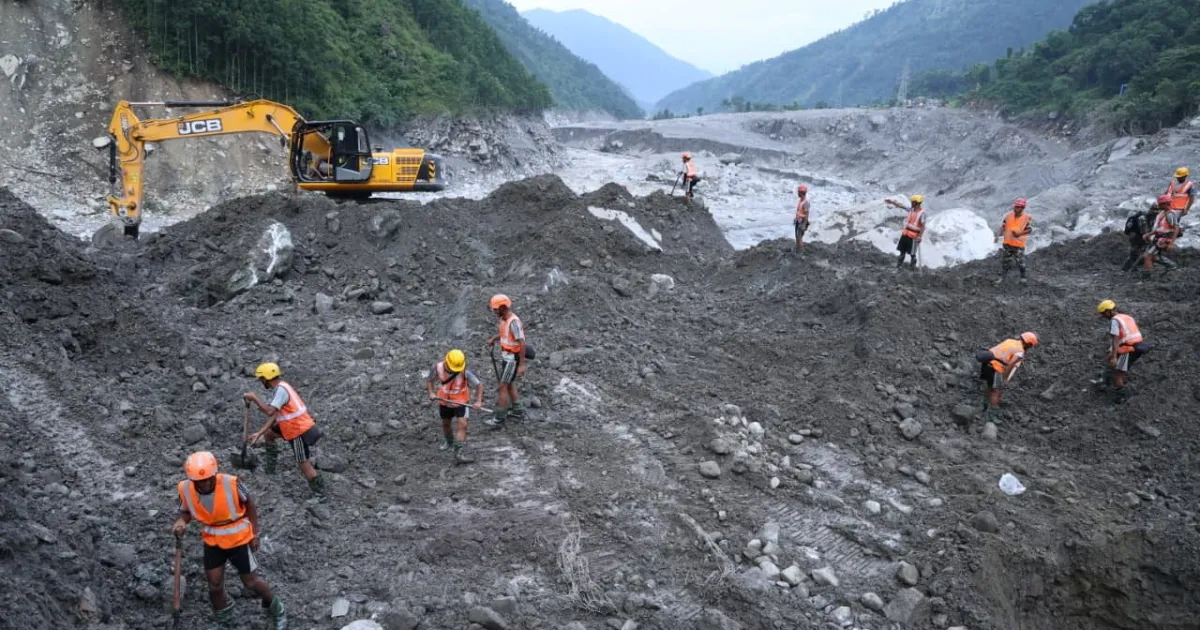
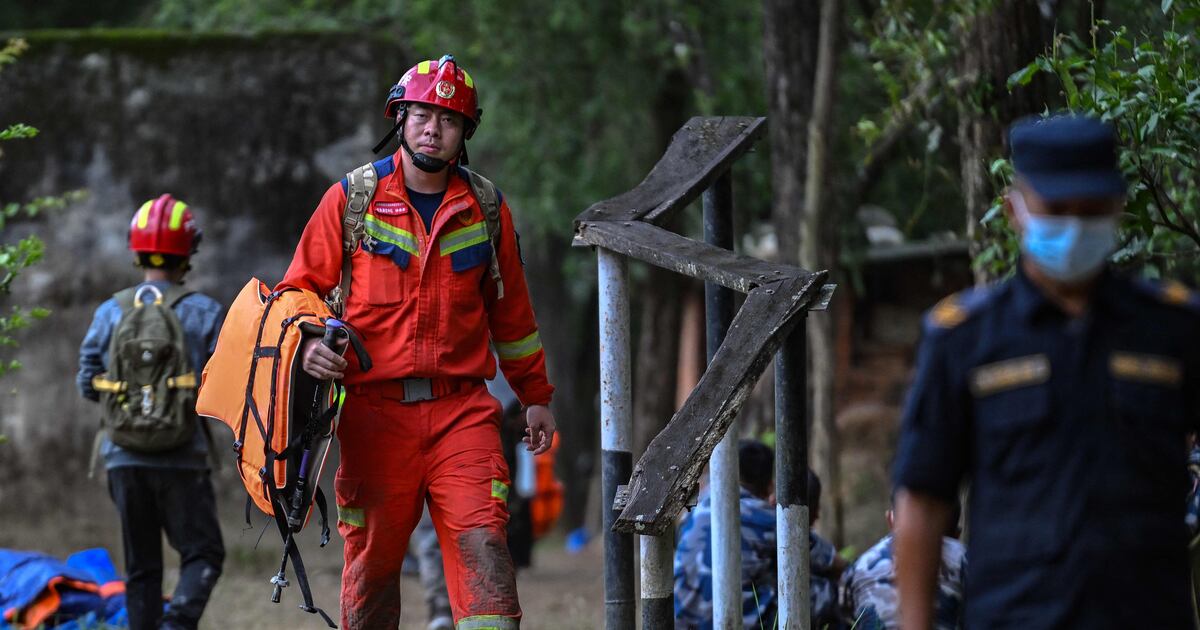
With about 900 people still unaccounted for at hydroelectric construction sites in flood-stricken Nepal, rescue experts and specialized equipment are being deployed to search for people believed to be trapped inside the sites’ networks of tunnels.Efforts are underway to pump air into some of the tunnels, but rescuers have yet to make contact with anyone inside.According to accounts on Sunday from authorities in Nepal and local media such as the Kathmandu Post, the whereabouts of over 900 missing workers from the construction site for a hydropower plant in the flood-hit Trishuli River area have yet to be determined.Many are believed to currently be inside the tunnels used to transport water for power generation or the entry tunnels created for the other tunnels’ construction. Nepal’s Lagani News reported that over 500 workers, employees, residents, and others were estimated to be trapped inside the sites’ numerous tunnels.As a first step, the Nepali armed forces are conducting searches of 19 hydroelectric power tunnels in the Trishuli River area. This includes tunnels at the site of the Upper Trishuli 1 hydropower project, where nine South Korean workers went missing.A number of people have been rescued from some construction areas. The Nepal Electricity Authority reported Saturday that 40 to 45 people from the Upper Trishuli 3A hydropower plant remained out of contact, along with 20 to 25 people at the nearby Upper Trishuli 3B plant. Over 200 people were reportedly unreachable in the same locations immediately after the disaster.Progress was being made with rescue efforts at the Upper Trishuli 3A site. On Saturday evening, rescuers successfully used excavating equipment to make a small hole in the tunnel ceiling and began supplying air and introducing cameras and oxygen supply equipment.Sudan Gurung, Nepal’s minister of home affairs, explained that they had “begun sending air in through a small hole” and that there were plans to enlarge the hole to allow rescuers inside.But no one has yet been contacted inside the tunnel. Oxygen supply efforts are also underway at other hydropower tunnels.Biraj Bhakta Shrestha, Nepal’s minister of energy, water resources and irrigation, met with family members of missing people on Saturday, explaining that victims “may be transported to hospital after rescue, but the first thing is making sure they are alive.”“We are doing everything we can to supply oxygen in the tunnels, and we are also attempting to supply it through pipes,” he added.The Nepali government issued an appeal for specialized rescue workers from neighboring countries.Nepal’s state-run Radio Nepal reported that tunnel rescue teams from India and China had joined rescue efforts at the Rasuwa and Nuwakot hydropower facilities.Eleven specialized tunnel rescue reconnaissance team members were sent from India. China’s Ministry of Emergency Management dispatched five tunnel specialists by helicopter from Gyirong to the disaster site in Nepal, where they arrived at around 4:58 pm. An additional four experts were also sent in.In addition to tunnel rescue support, the Nepali Ministry of Foreign Affairs also said it had requested assistance from neighbors with survivor detection technology and swift genetic analysis.Search efforts were also expanded at the port of Gyirong in China’s Tibet Autonomous Region. According to China’s state-run Xinhua news agency, Chinese authorities had mobilized 681 fire rescue team members, 13 rescue dogs, 113 vehicles, and 47 drones.In areas where road access has been cut off, drones are being sent in for initial reconnaissance, after which rescue team members enter on foot to look for survivors. Chinese authorities also said they were tracking the potential for additional landslides and other disasters with satellites, drones and on-site surveillance equipment.By Lee Jeong-yeon, Beijing correspondentPlease direct questions or comments to [english@hani.co.kr]