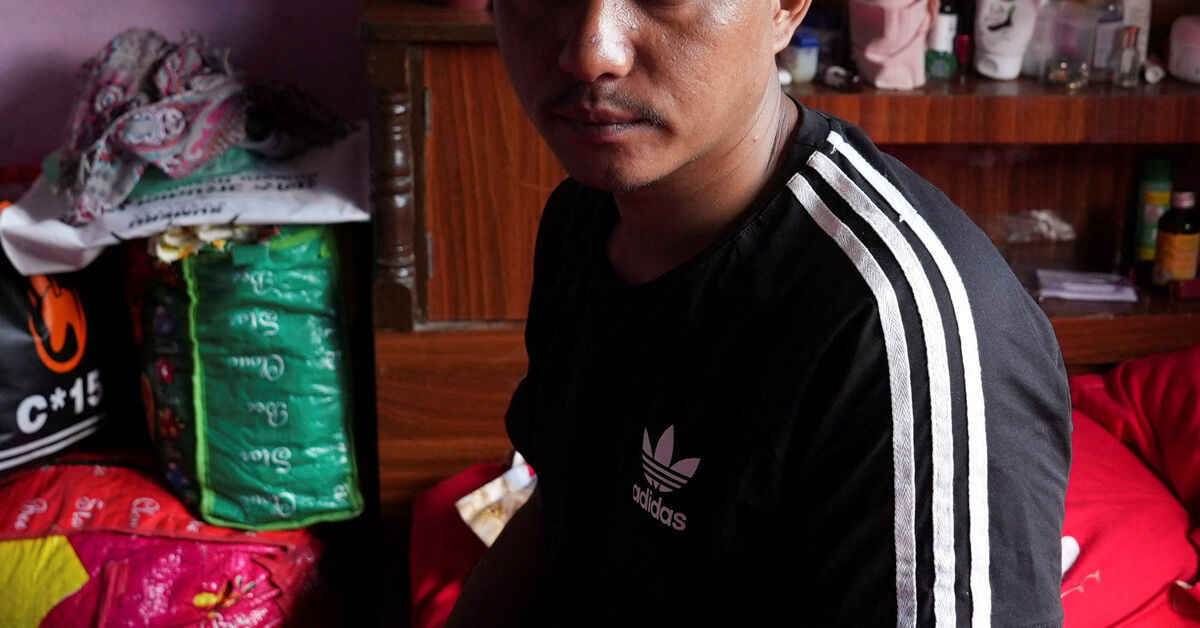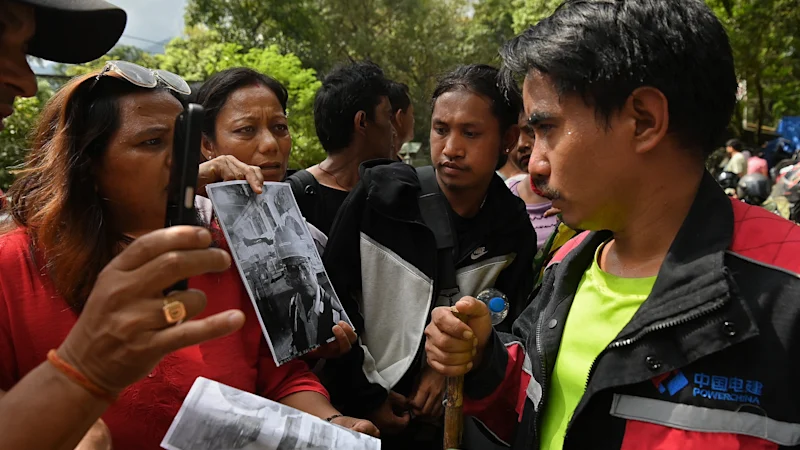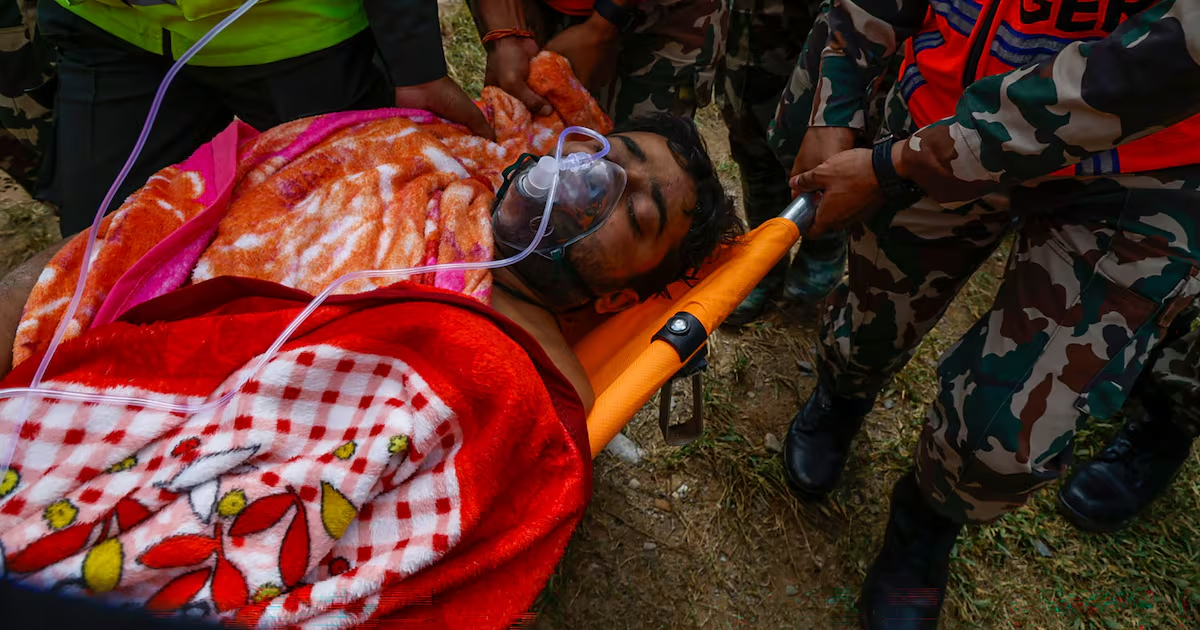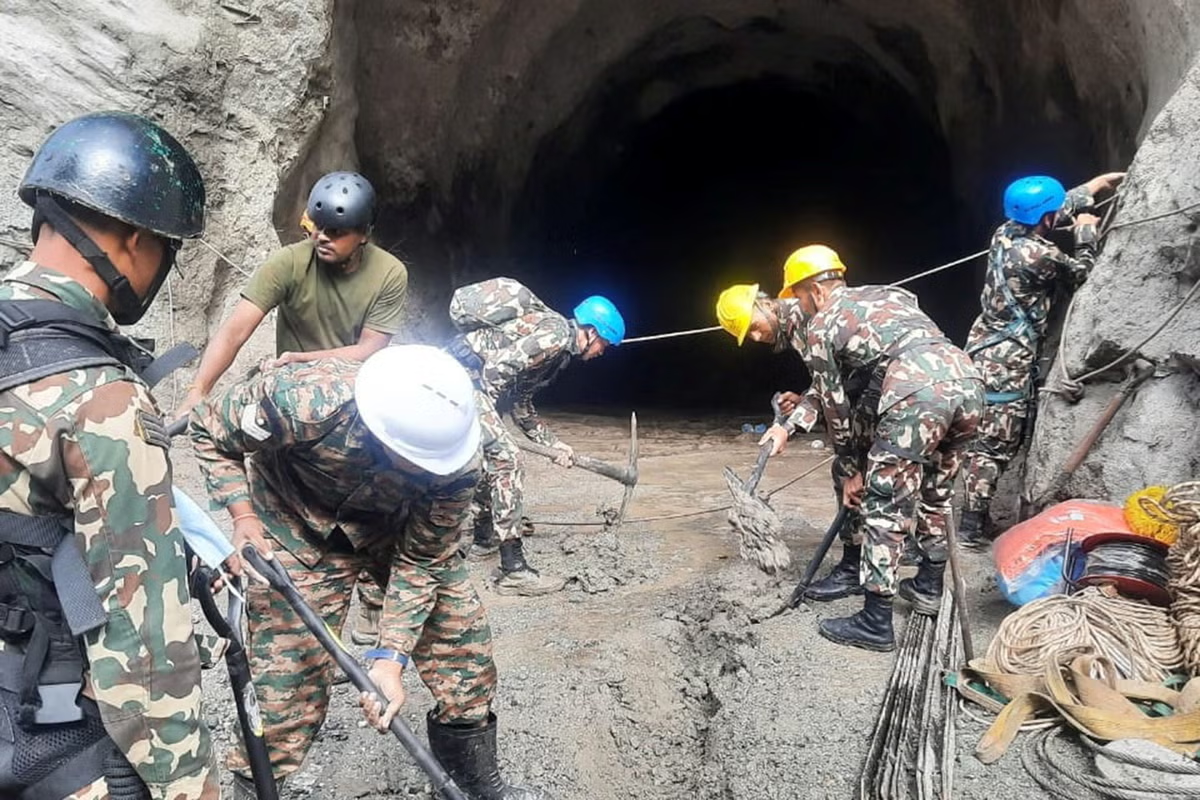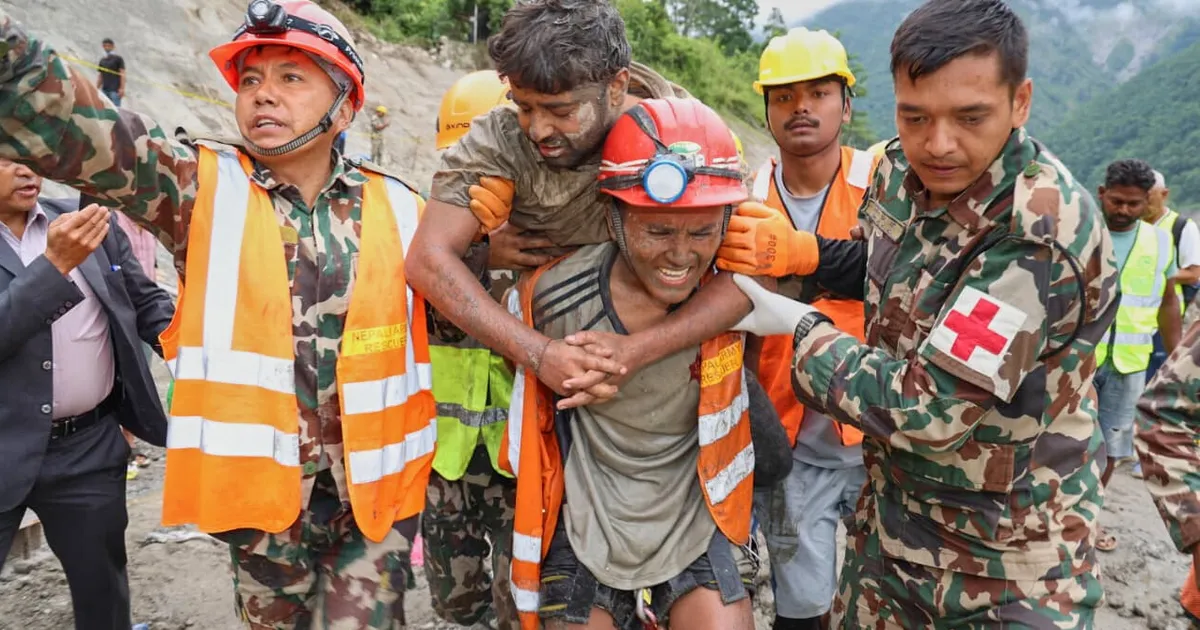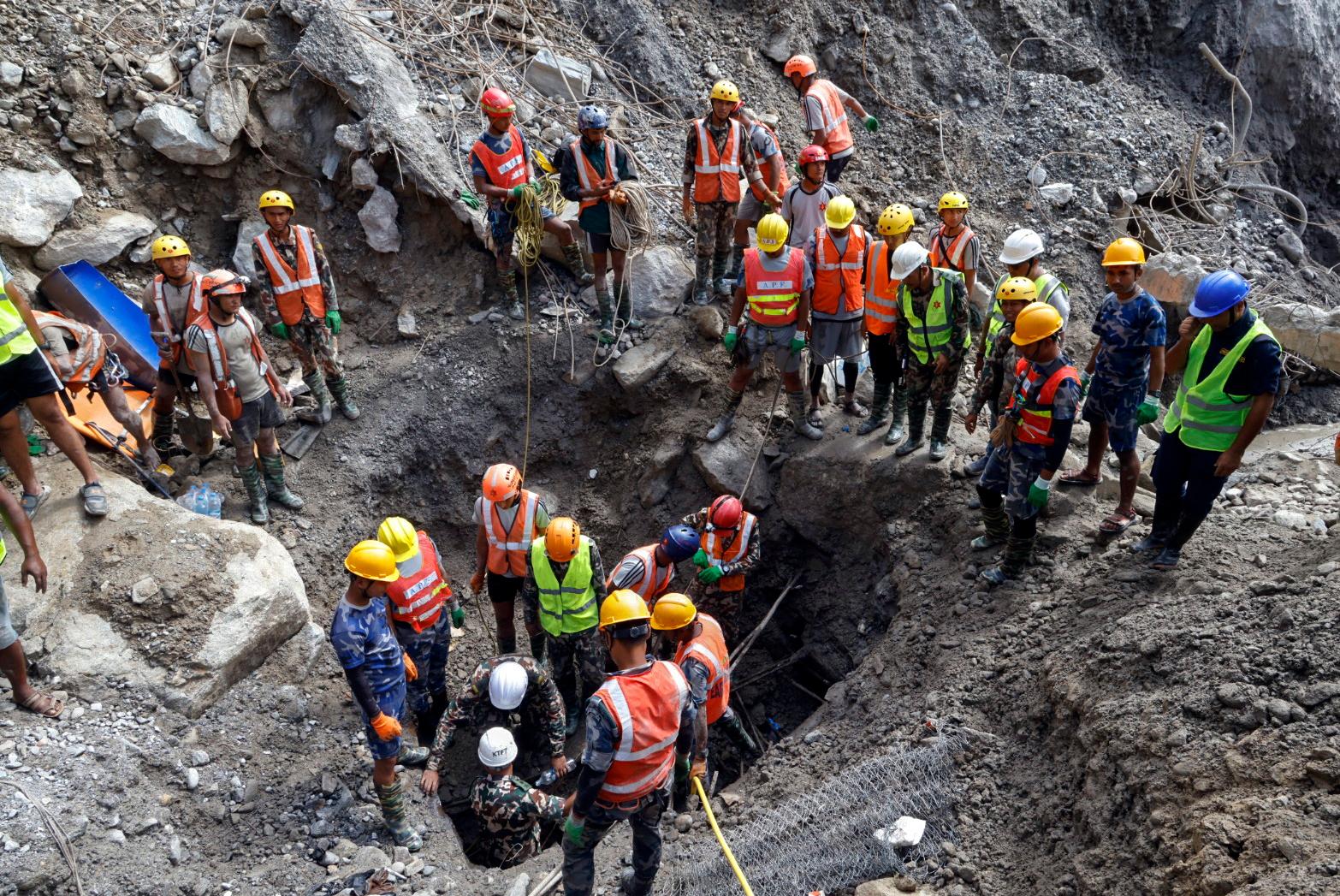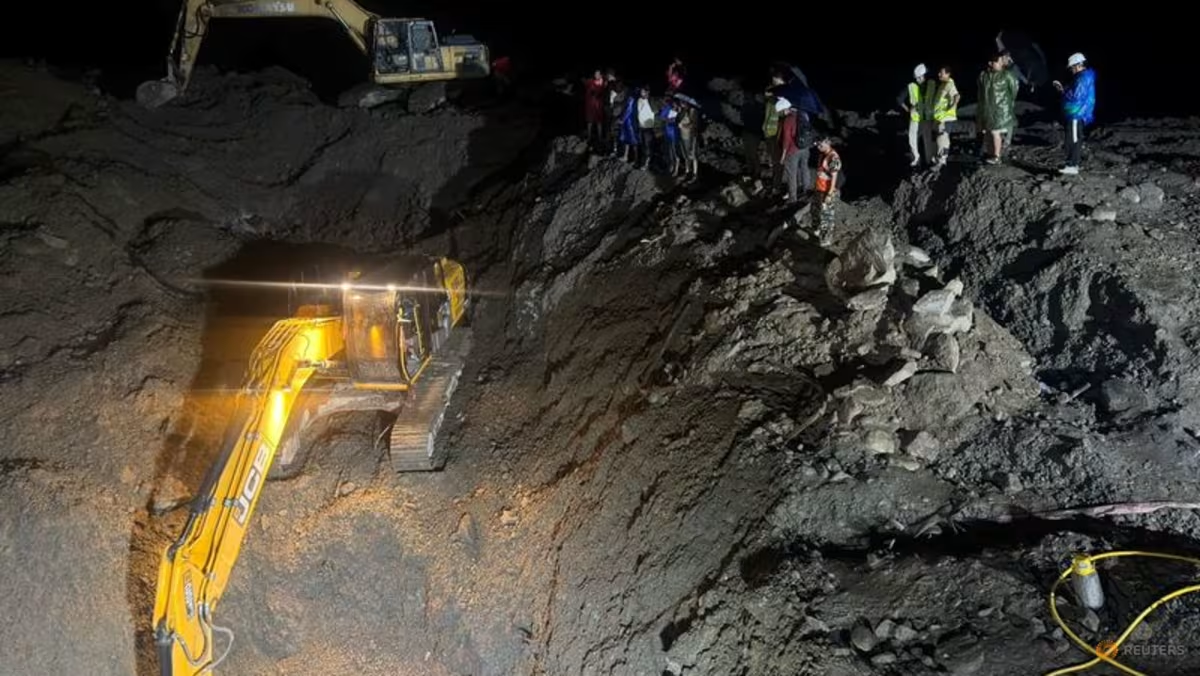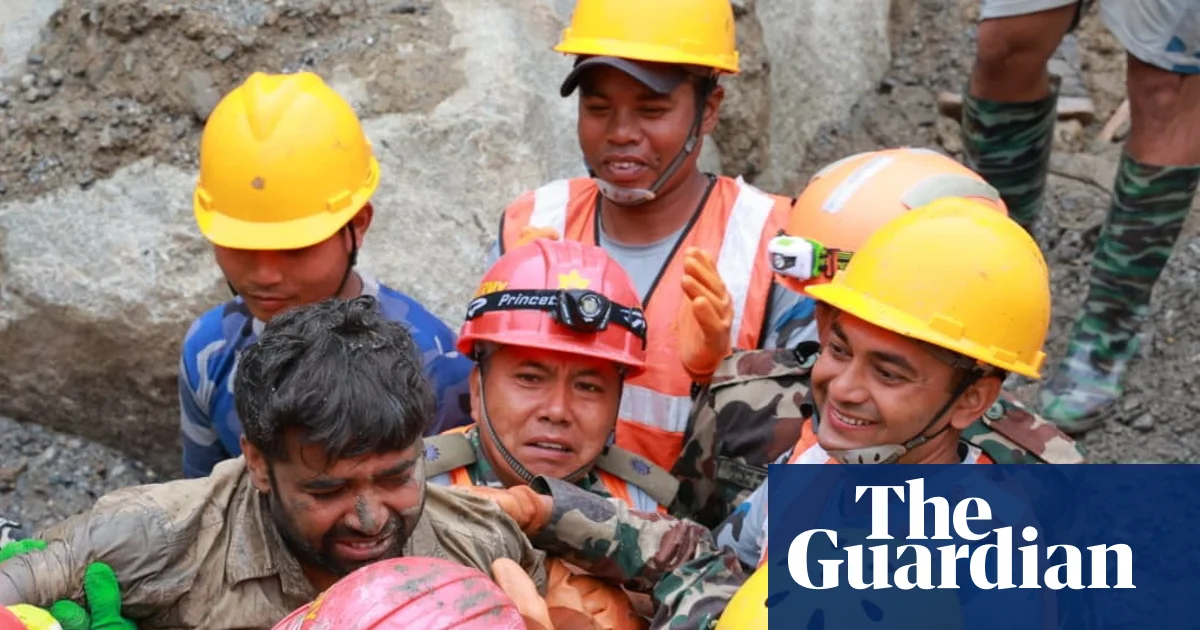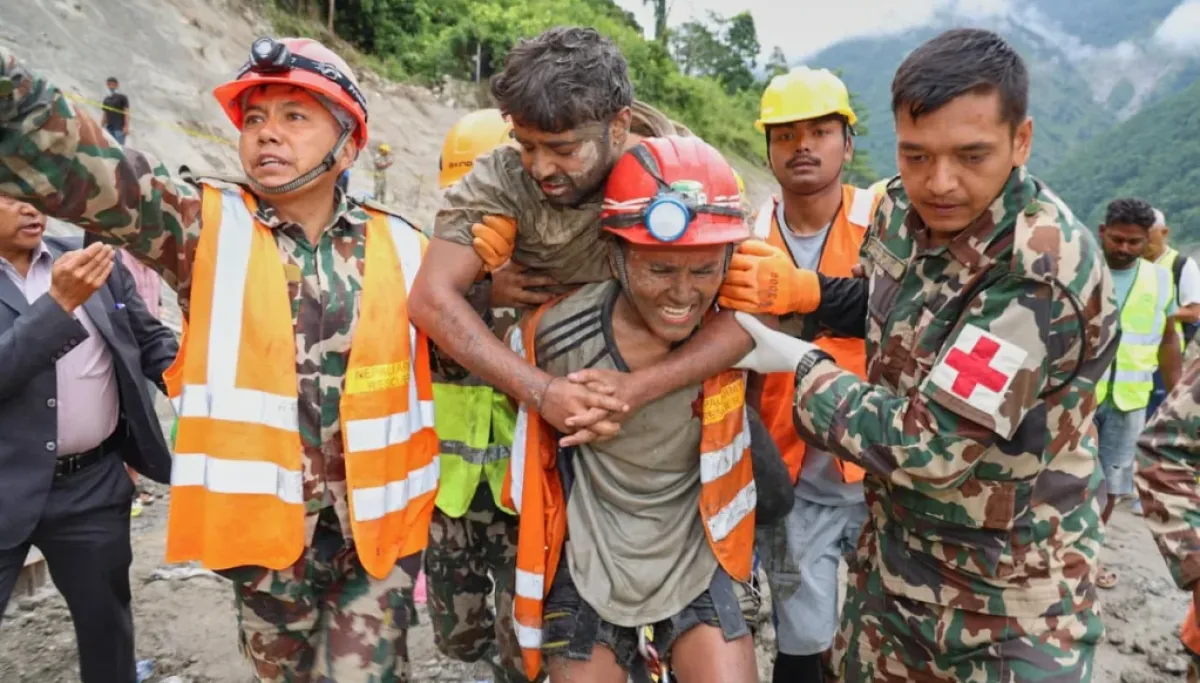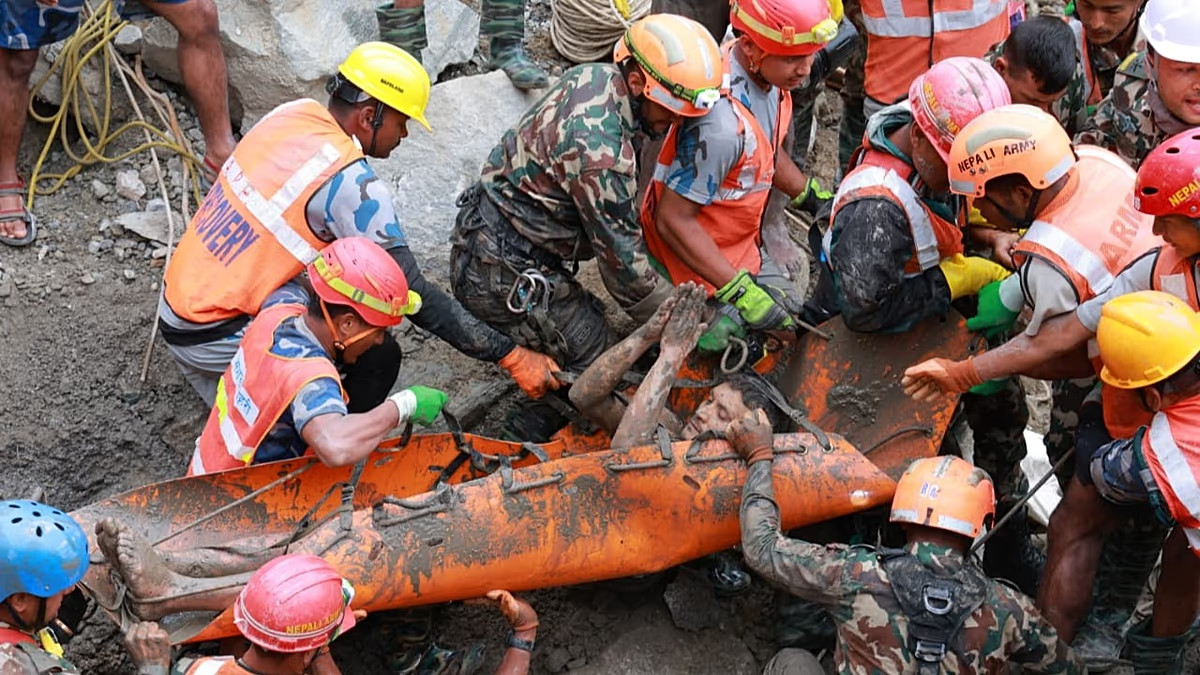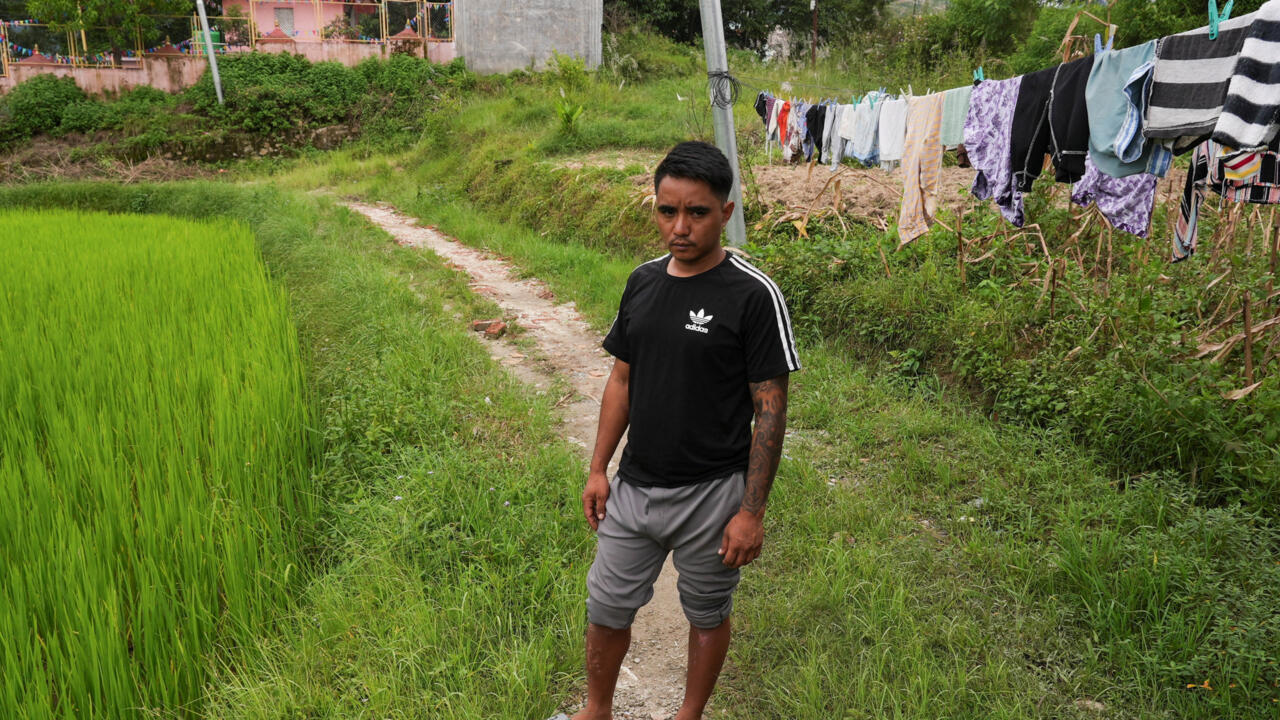
Dhan Bahadur Tamang was at work in a hydropower project near Nepal's border with China when he sensed a sudden air pressure change in the underground tunnel at the Upper Trishuli 1 Hydropower Project. Under the industrial floodlights, dust started to rise, the 32-year-old recalled: "Something was coming." Nobody in the tunnel was prepared for what was about to hit them: a flood wave that had by then already flattened entire settlements upstream on the Trishuli river and was rolling down the valley with immense destructive power that killed more than 1,252 people in Nepal. Tamang, who had been hired by the project as a support worker, said hundreds may have been on site when the disaster struck last week. "Suddenly, people started running, shouting, and scrambling," Tamang said. "By the time I could have realised anything, I was over a top of a tanker (truck)." "Once I was up, the vehicle began moving," he said. Water began rushing into his section of the tunnel. "I felt again and again that I was going to die."
Nepal: How are the hundreds of victims from the floods being identified?
To display this content from YouTube, you must enable advertisement tracking and audience measurement.