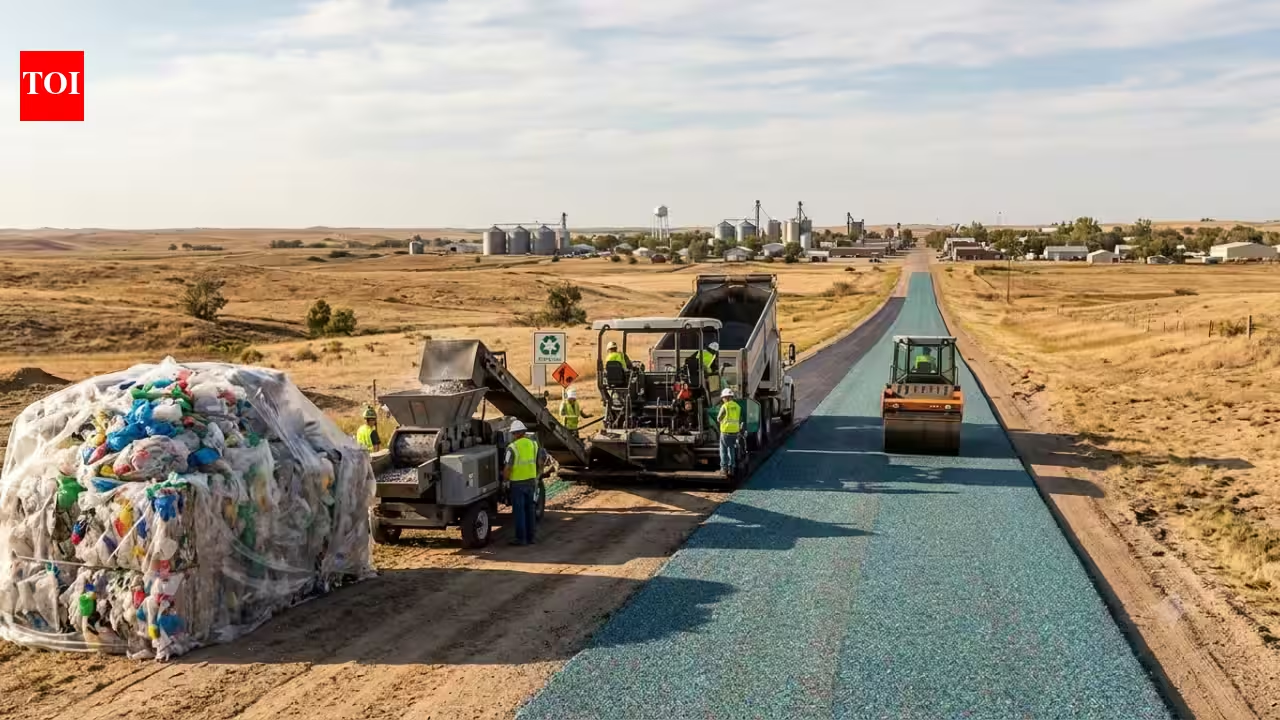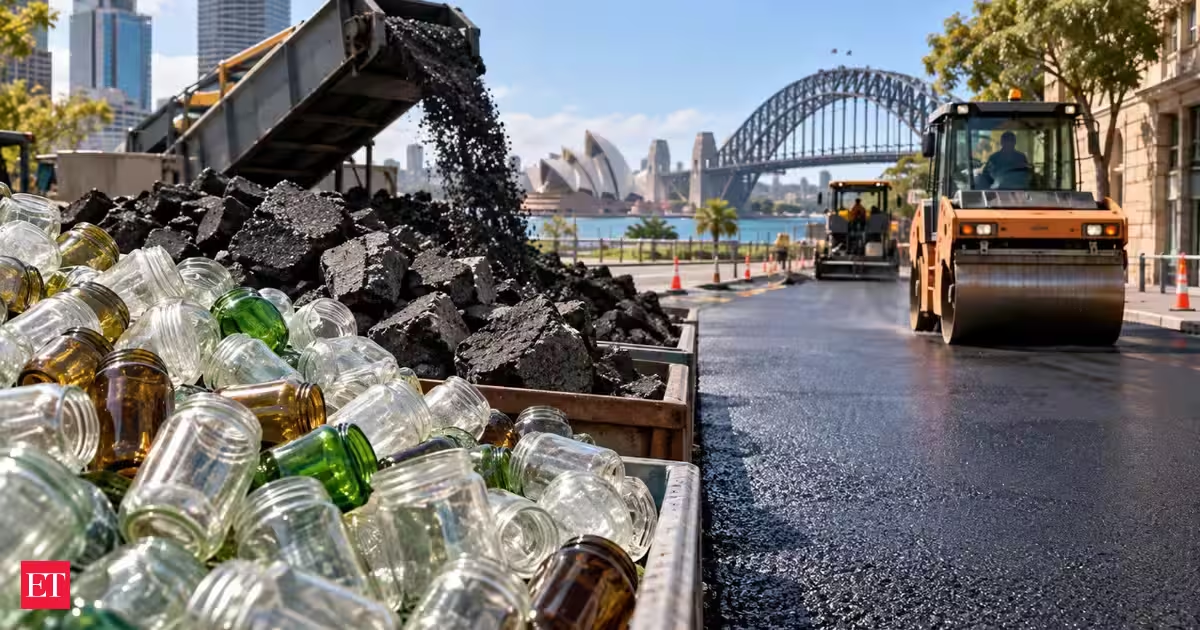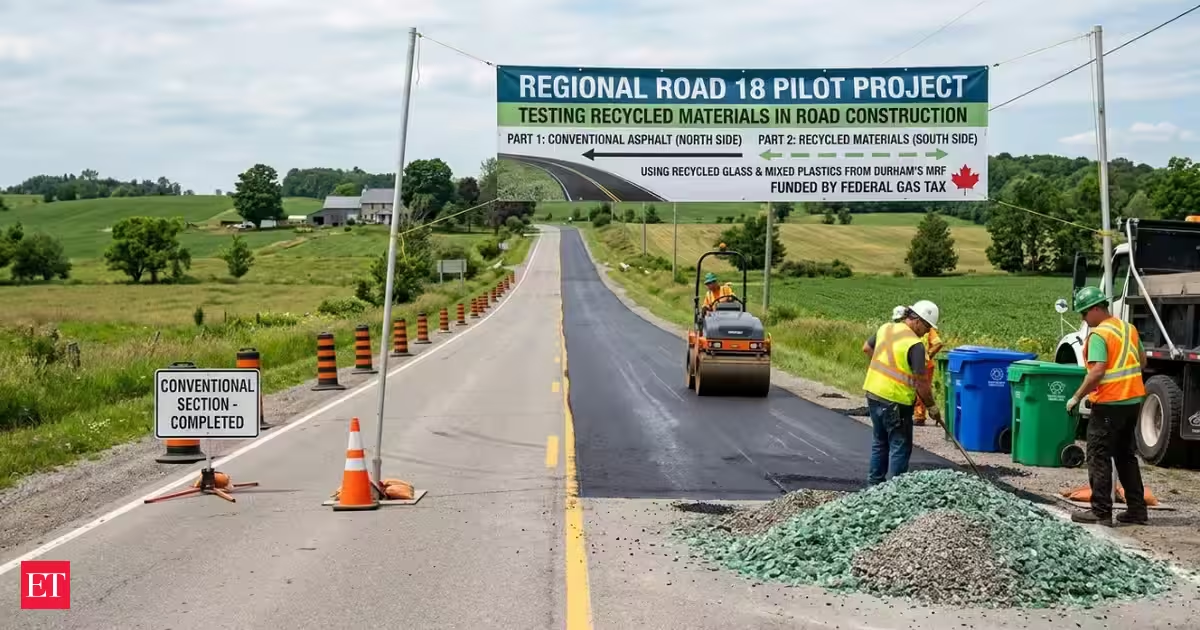
In 2022, Ontario's Durham Region used 400 tonnes of glass in a 3.6-km road pilot. 4 years later, it could reuse 240 tonnes of PET each year across Durham roads under its planSynopsisDurham Region is testing recycled materials for road construction. Recycled glass and plastic will be used in a road rebuilding project. This pilot project compares new methods with conventional road building. Success could lead to widespread use of recycled waste in future road programs.Durham Region recycled road (Photo: AI/Gemini)Disclaimer: This image is an AI-generated conceptual rendering intended for illustrative purposes only and does not depict actual road conditions or official signage.Durham Region in Ontario is testing whether waste materials can be incorporated into road construction, comparing their performance with conventional methods.The region is moving ahead with the second phase of a project to rebuild a 3.6-kilometre section of Regional Road 18 in Clarington, between Concession Road 5 and the bridge south of Kendal.The first phase, completed last fall, used conventional reconstruction methods and materials on the north side of the road. The second phase will focus on the south section and use recycled waste materials.400 tonnes of recycled glass will be usedRecycled glass will be incorporated into the granular base, while recycled plastics will be incorporated into the asphalt.The second phase will use an estimated six tonnes of mixed plastic and 400 tonnes of recycled glass from Durham Region’s Material Recovery Facility. It will also use 4.5 tonnes of polyethylene terephthalate, or PET, fibres made from recycled plastic.You Might Also Like:The two-phase approach will allow the region to compare the performance and longevity of conventional construction with the recycled-material option while supporting its long-term waste management plan.Ramesh Jagannathan, director of transportation and field services, called Regional Road 18 an ideal testing ground for the project.He said, “Splitting the road segment in two phases will help clearly assess and evaluate the difference in performance between using conventional methods and recycled materials. We look forward to advancing this pilot project and contributing to a circular economy,” as quoted by Link2build.What could happen if the pilot succeedsIf the project performs well, Durham Region could incorporate an estimated 300 tonnes of mixed plastic, 240 tonnes of PET plastic and all recycled glass processed at its material recovery facility through its annual road program.You Might Also Like:That would reduce the amount of waste stored in regional facilities and decrease the amount of virgin material mined and trucked for construction, including aggregate materials.The use of plastics also has the potential to significantly increase the strength and durability of the pavement structure and extend its overall lifecycle across the region’s road network.Durham is exploring more sustainable road constructionSusan Siopis, Durham’s commissioner of works, said the region was exploring recycled materials as part of its road reconstruction projects.She said, “This pilot will help define the potential for sustainable practices and determine the durability of roads that incorporate recycled materials. The opportunity to recycle waste in road construction is just one of the many ways Durham Region is leading the way in waste management,” as quoted by Link2build.The project was funded through a one-time investment from the Federal Gas Tax.Read More News on(Catch all the US News, UK News, Canada News, International Breaking News Events, and Latest News Updates on The Economic Times.) Download The Economic Times News App to get Daily International News Updates....moreless
In 2022, Ontario's Durham Region used 400 tonnes of glass in a 3.6-km road pilot. 4 years later, it could reuse 240 tonnes of PET each year across Durham roads under its plan
Durham Region in Ontario is pioneering sustainable road construction by incorporating 240 tonnes of recycled PET and 400 tonnes of glass into its road rebuilding projects. This innovative pilot program aims to enhance road durability while promoting sustainable waste management practices.
558 words~3 min read