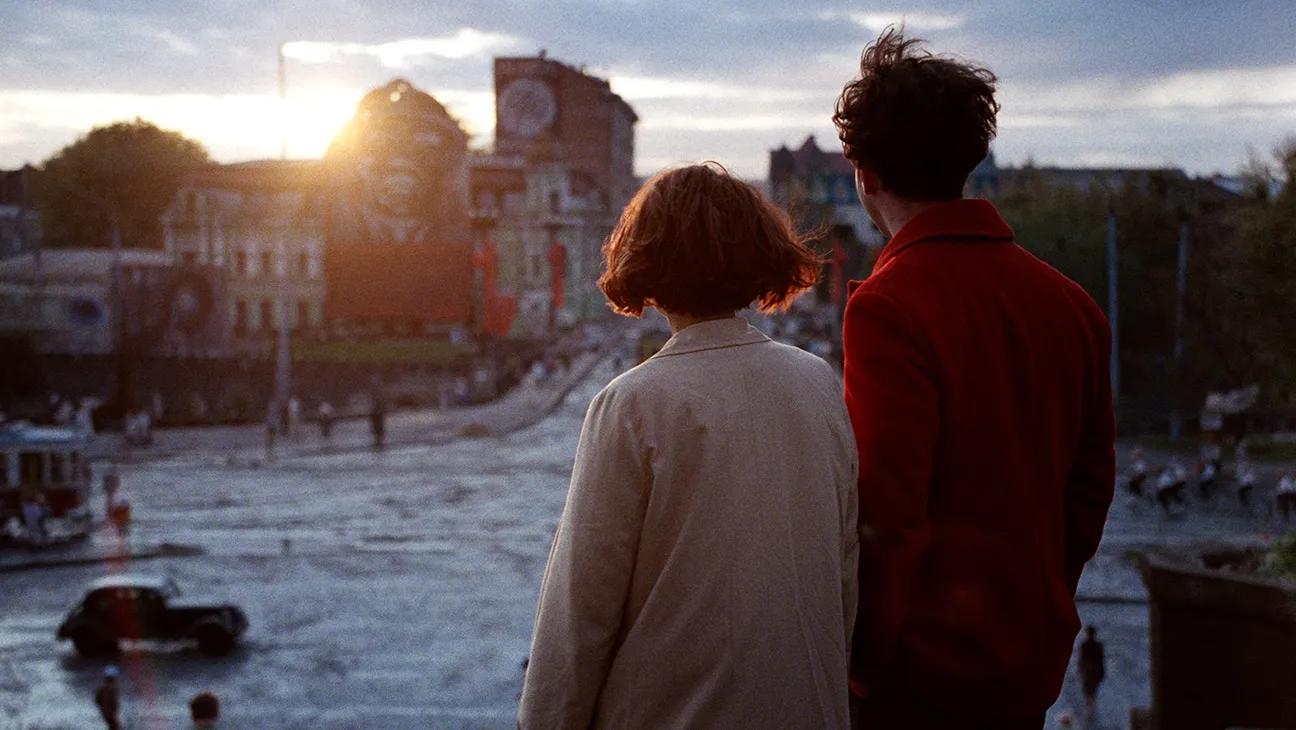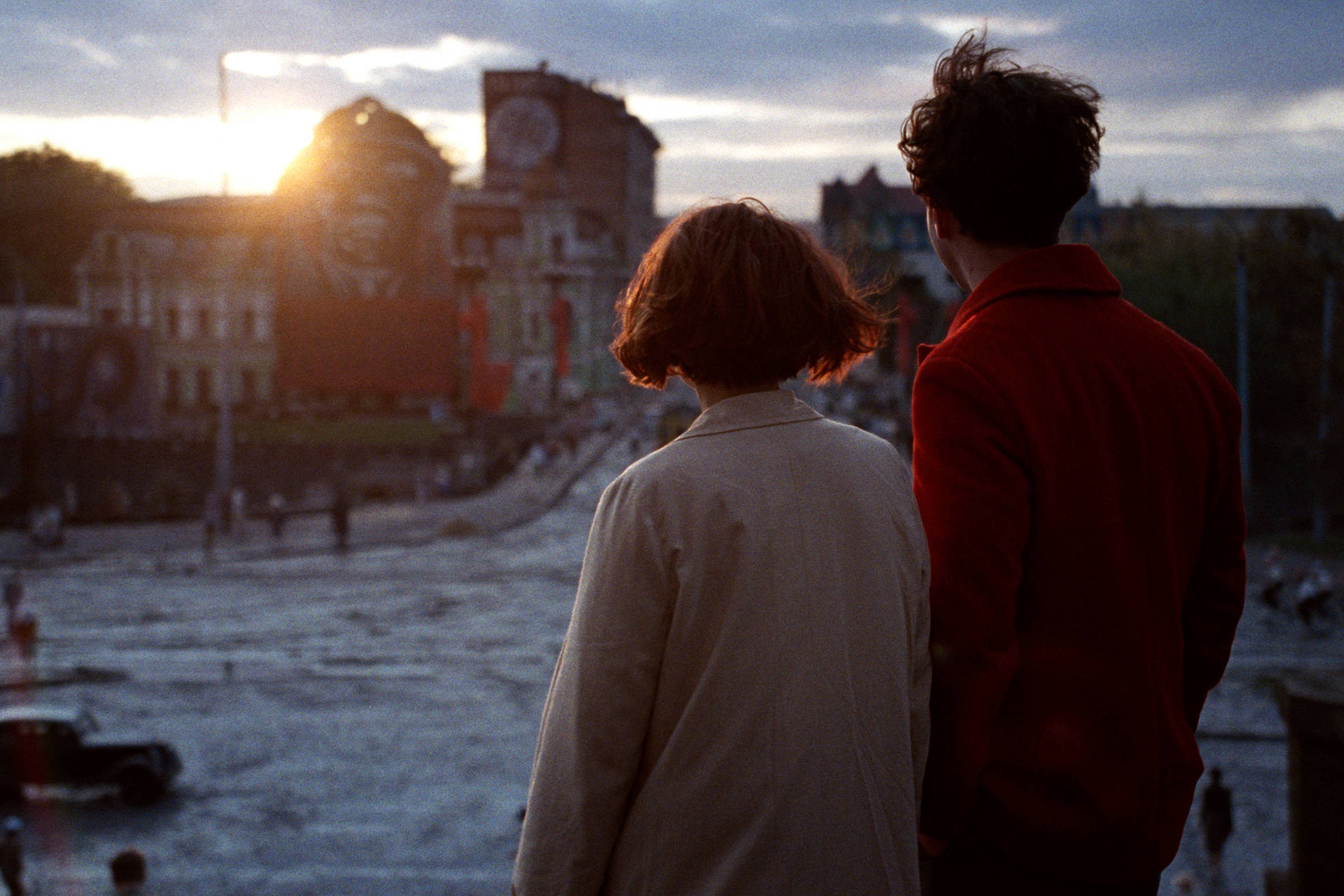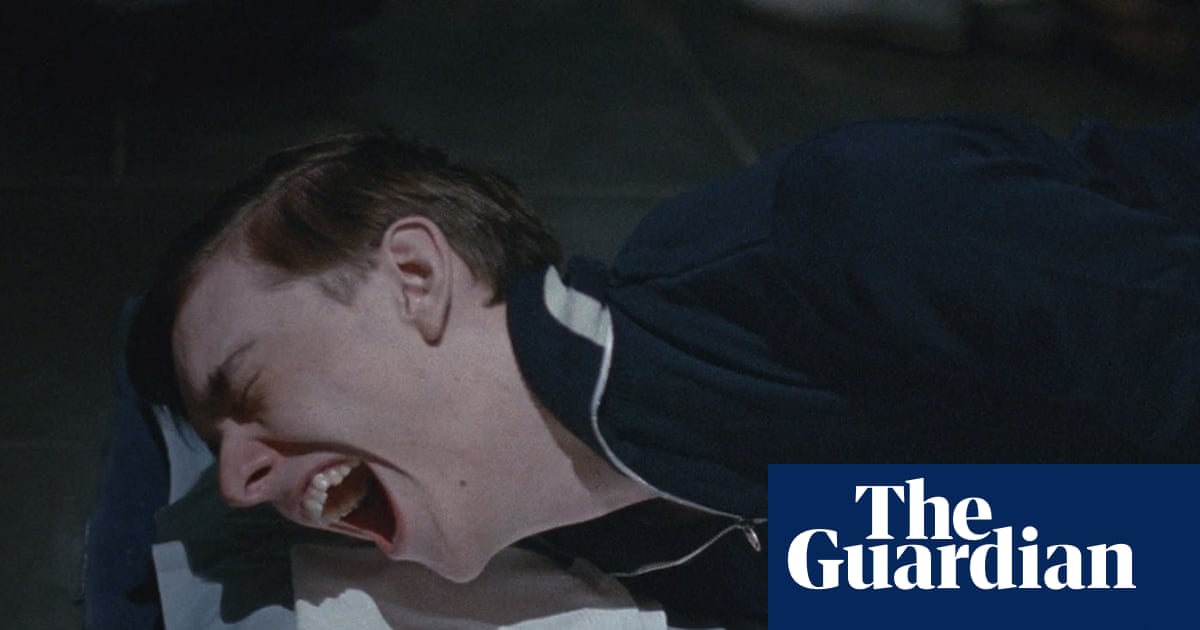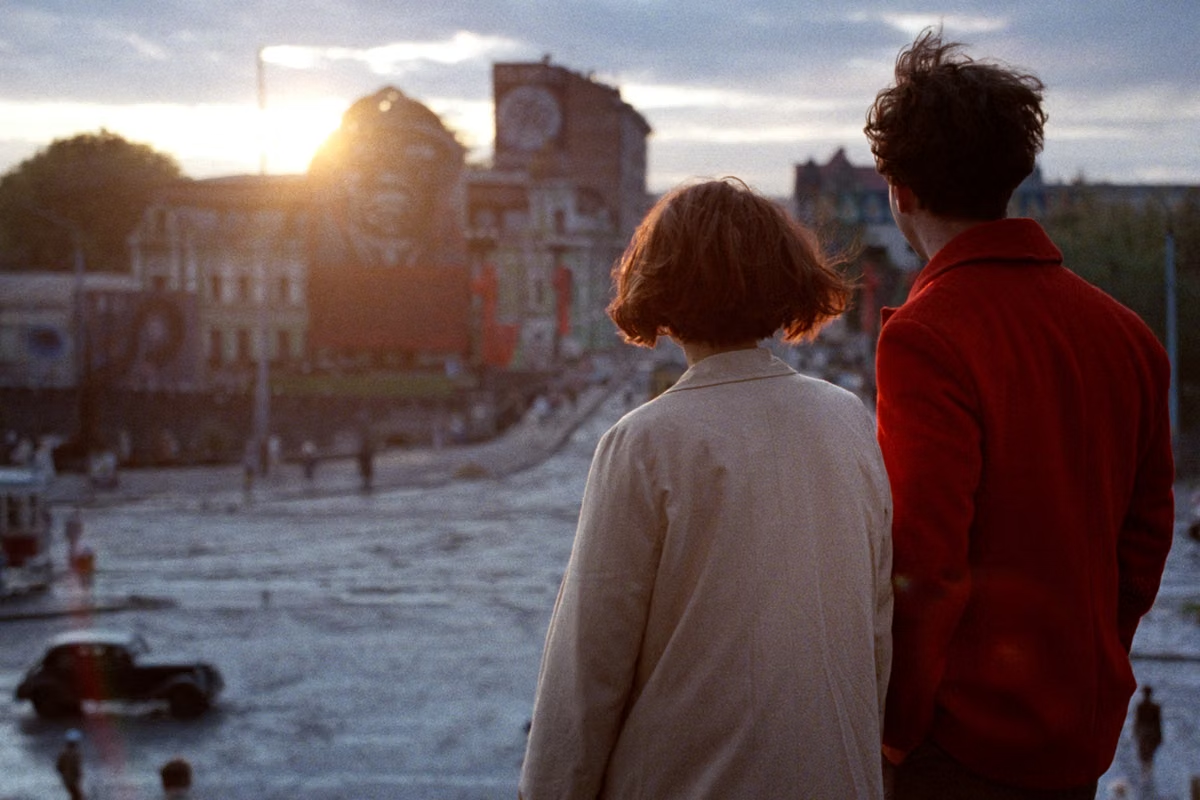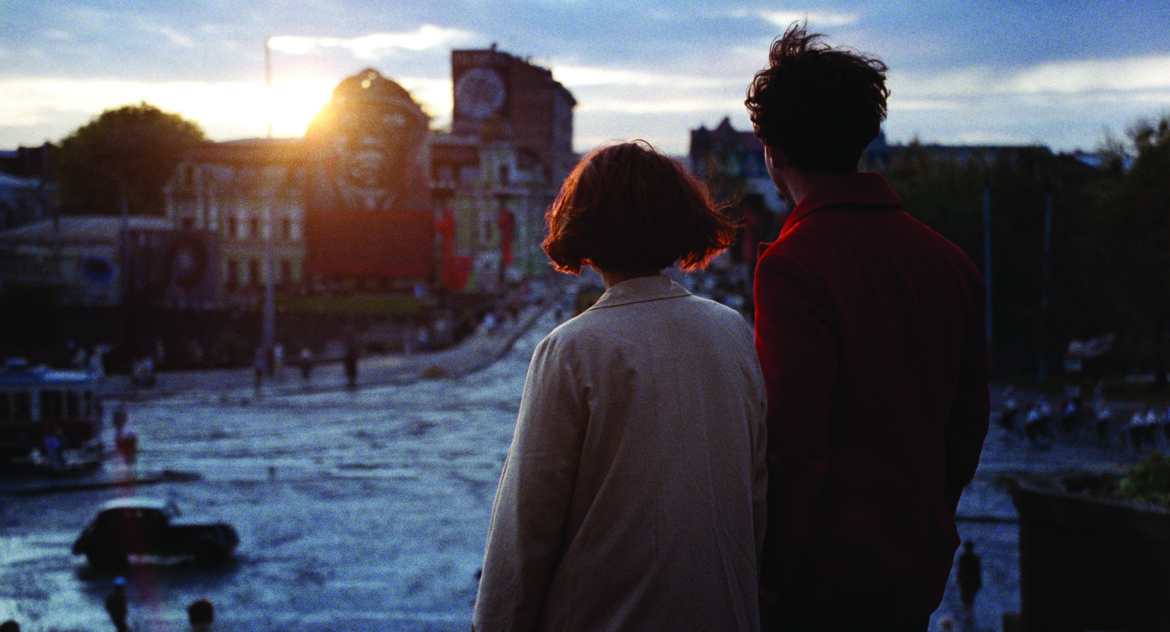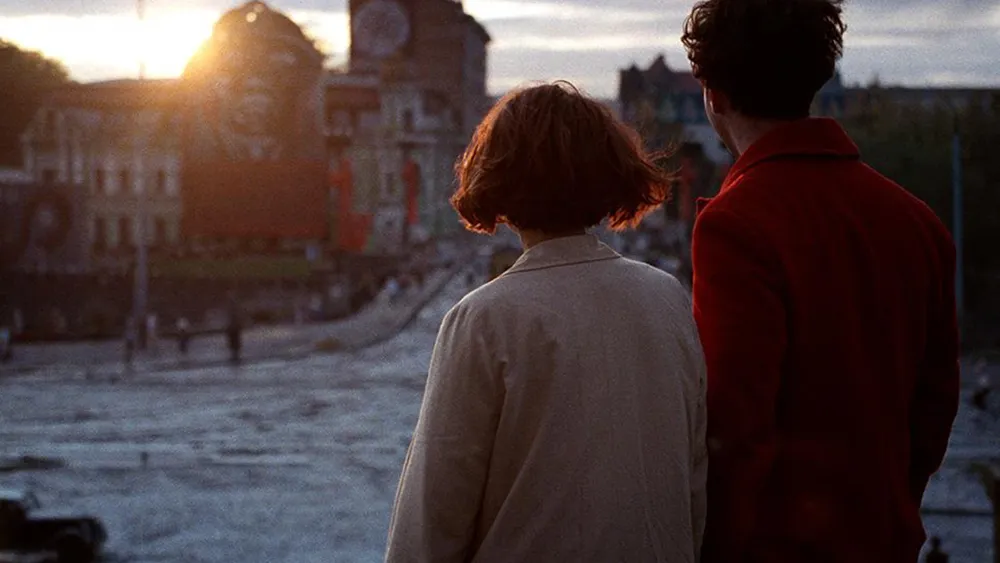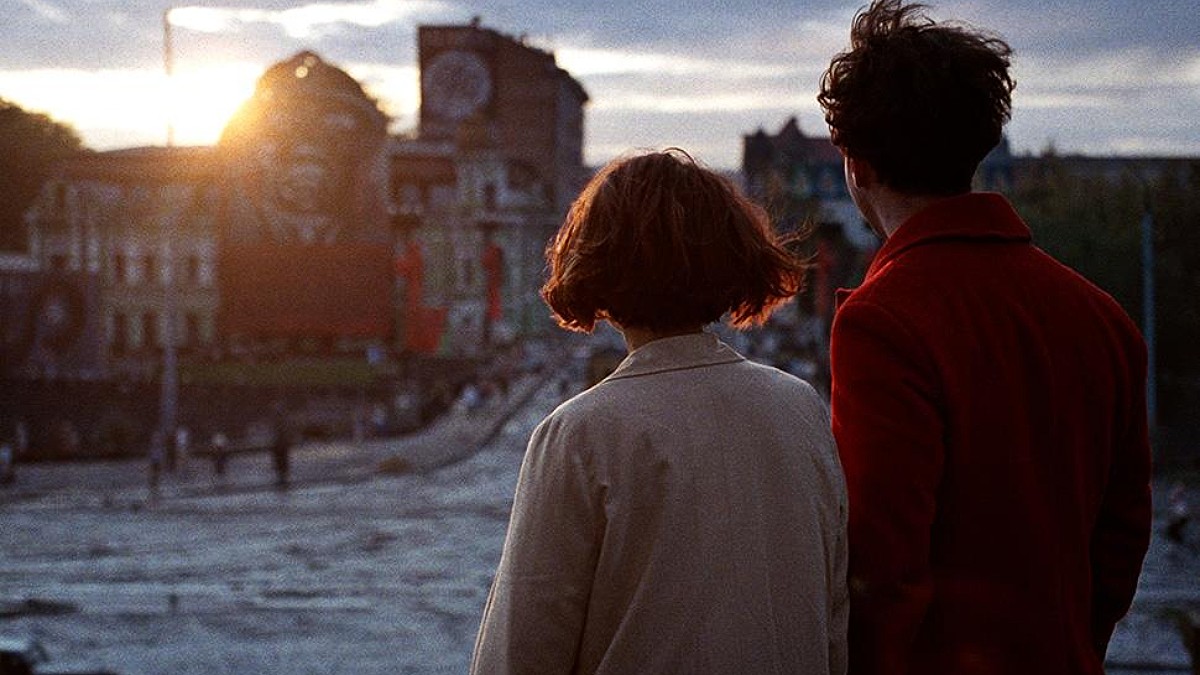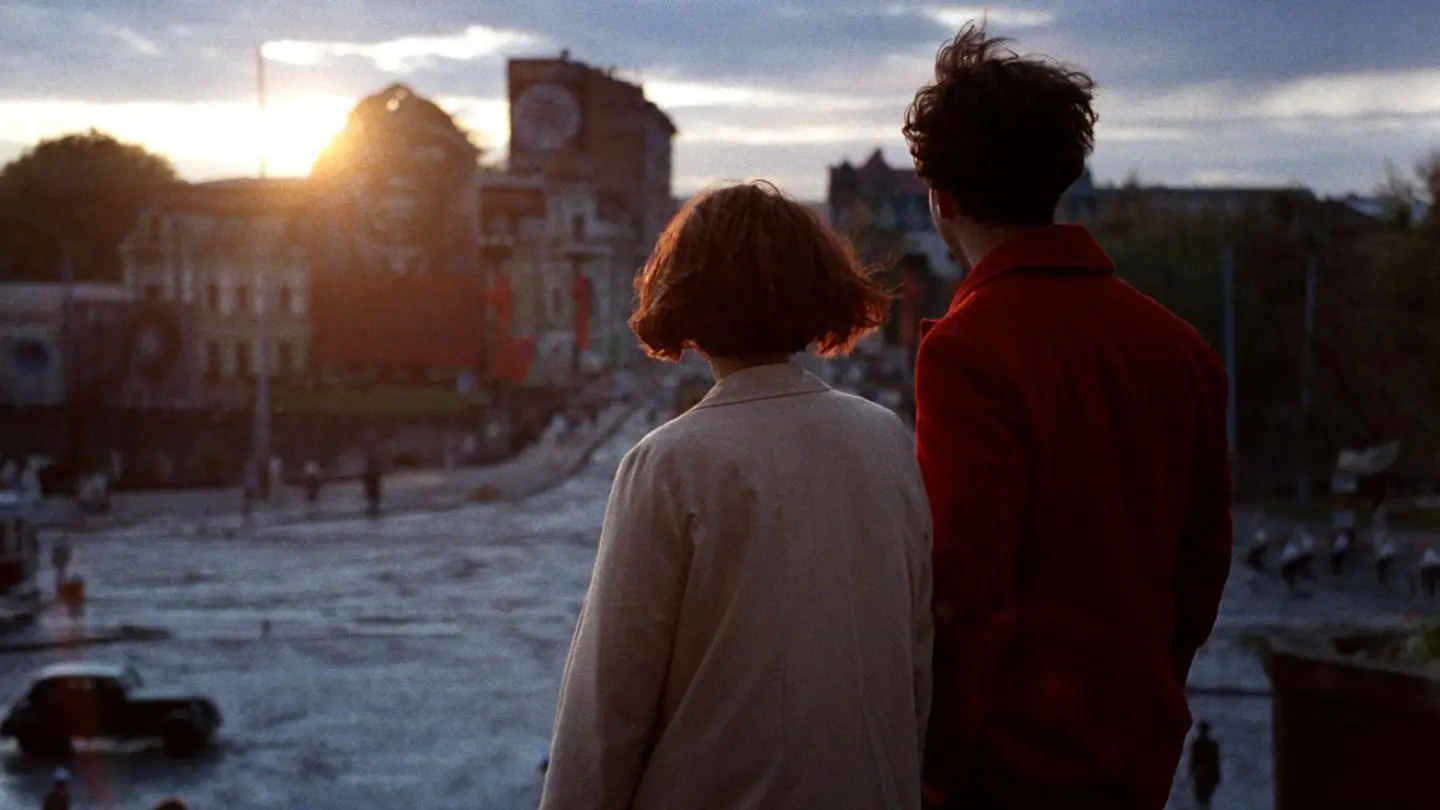
On a cold night in November 2011, in a field outside Kharkiv in northeastern Ukraine, a gang of thugs stormed a Soviet scientific research institute, beat and humiliated the staff and burned the place to the ground.
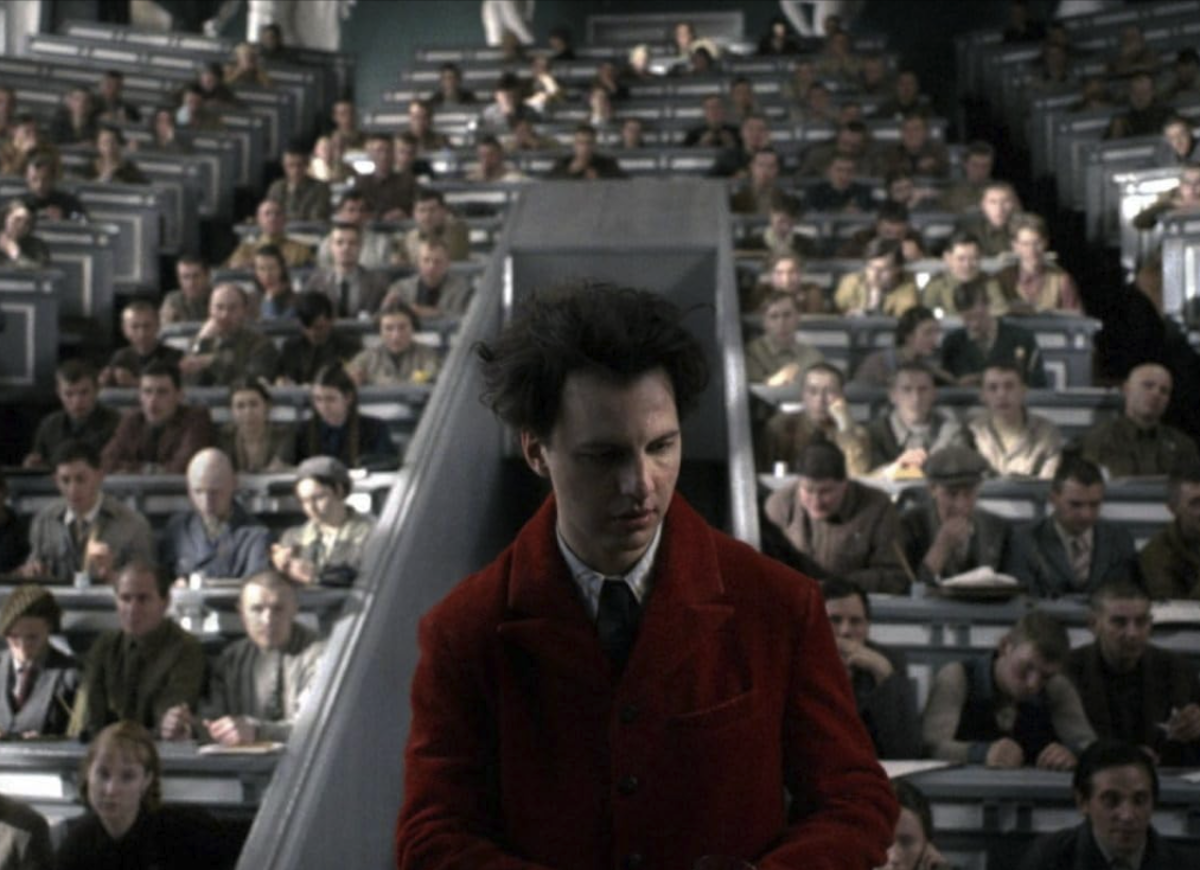
None of it was real. Well, some of it was. The institute was a film set — a working re-creation inspired by the Moscow institute run by the pioneering quantum physicist Lev Landau. It claimed, at the time, to be the largest set in European cinema history. Some of the thugs were actual neo-Nazis, led by real-life Russian fascist Maksim Martsinkevich, who would later be imprisoned for posting racist videos, investigated for murder and, in 2020, found dead in his cell of an apparent suicide.
Cameras rolled as the building burned. They continued to roll as the crew held a party on location, amid the ashes, with an open bar and music courtesy of electronic musicians Peaches and DJ Spooky.
For three years before that night, the set had functioned less like a traditional backlot than a sealed micro-state. If you believe the rumors — and much of what is known about this project is only speculation — participants were required to wear authentic 1930s to 1960s-era clothing, right down to their underwear.