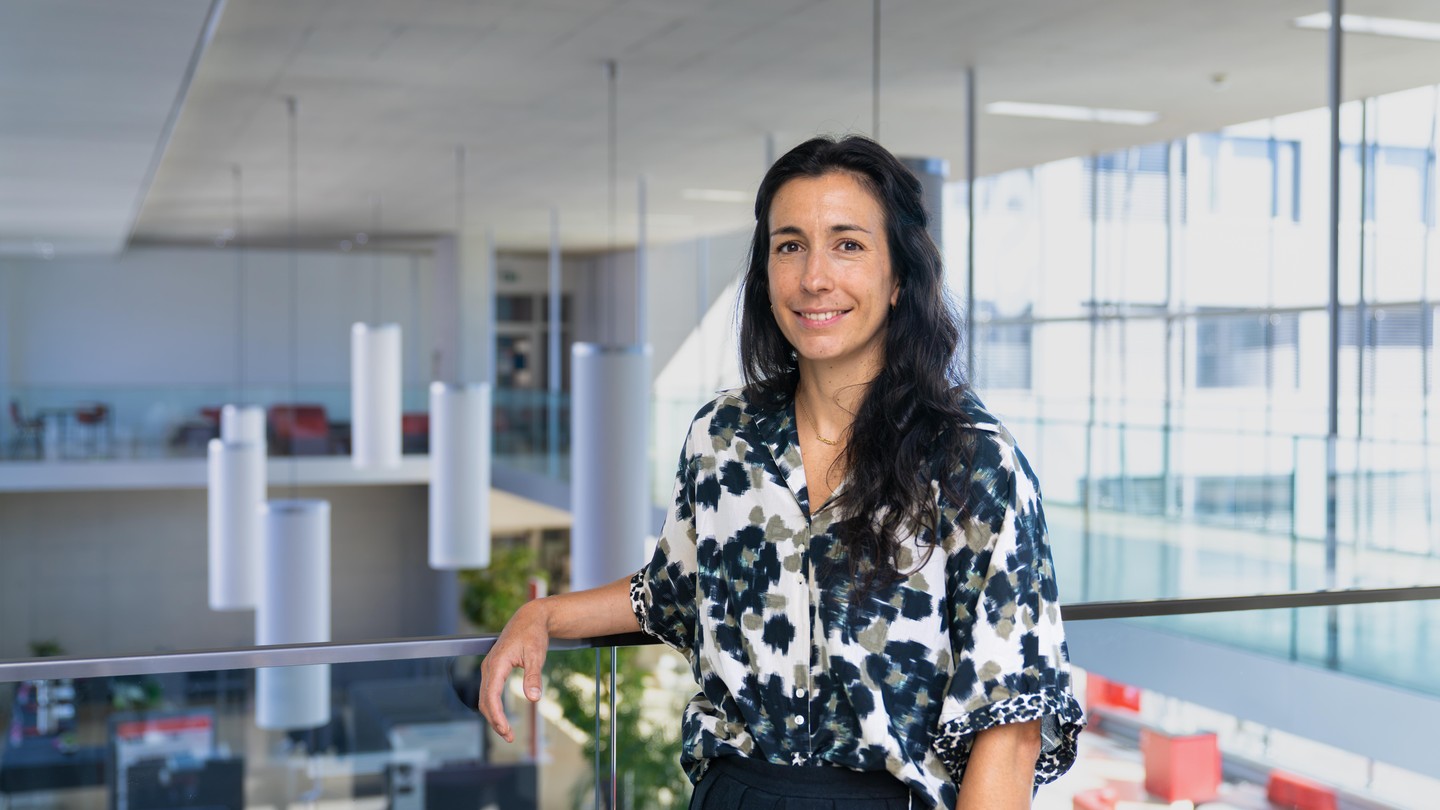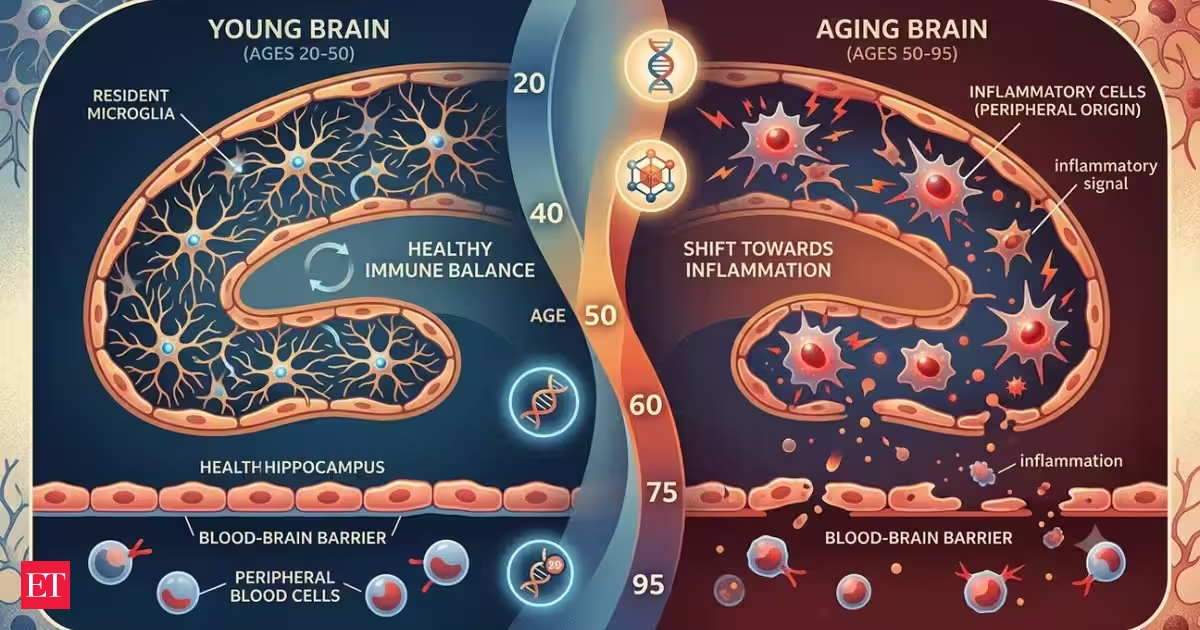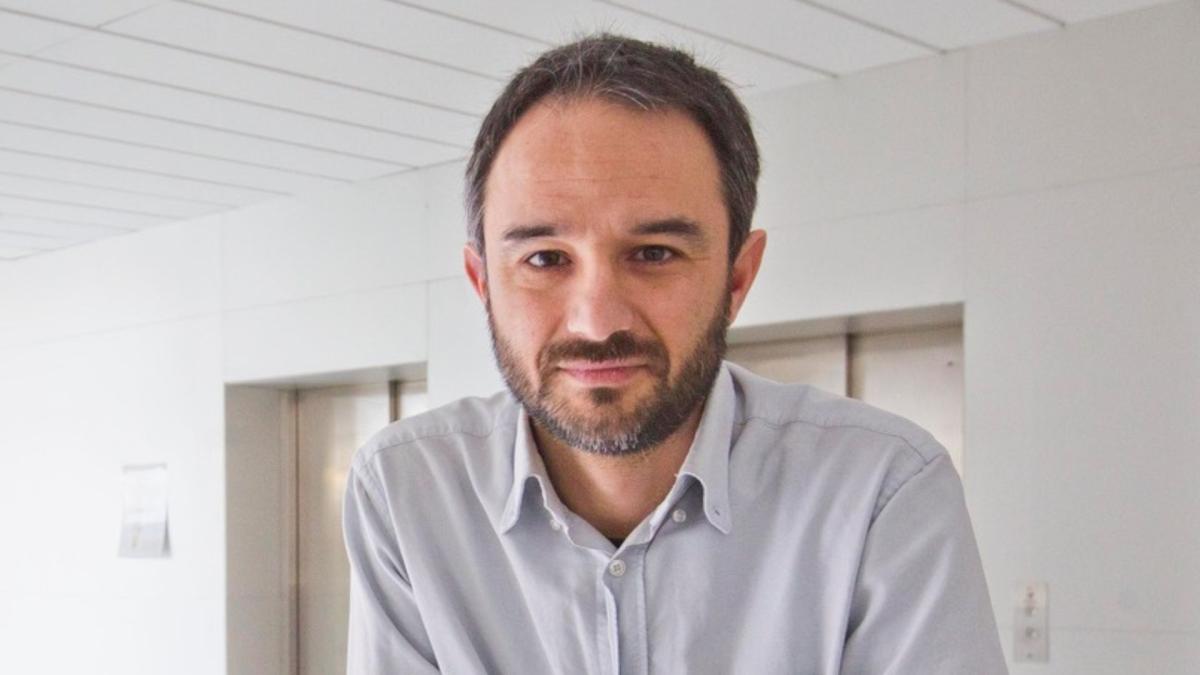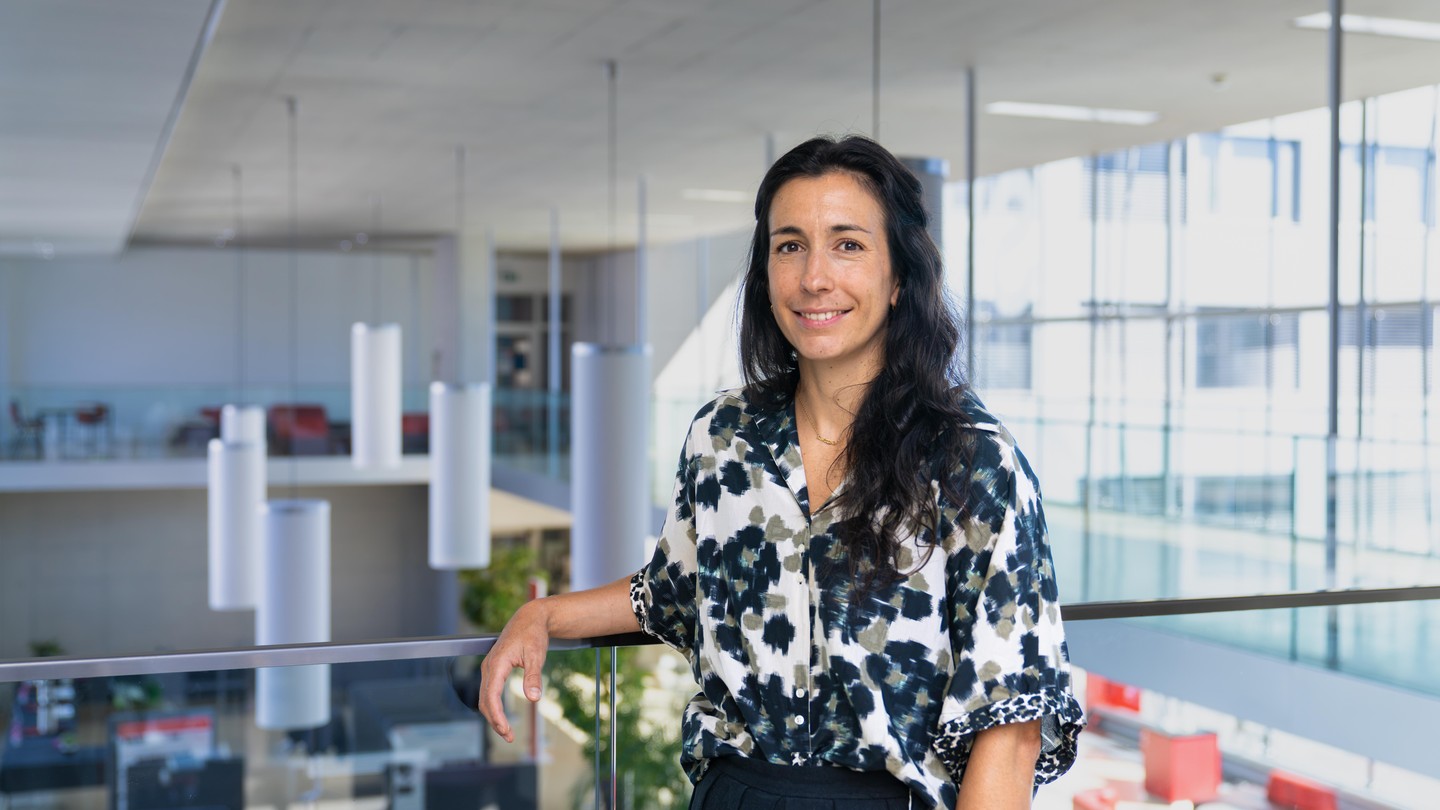
EPFL professor Paloma Navarro studies how the immune system changes the aging brain, and how those changes might one day be targeted to help people stay healthier for longer.Paloma Navarro joined EPFL’s School of Life Sciences as an assistant professor in 2025. Her lab, Giorgi-Cavaglieri Chair in Immunology of the Aging Brain, studies the interaction between aging, the immune system and the brain, combining cell biology, neuroscience and protein engineering to understand why immune cells enter the brain as we grow older, what they do once there, and whether researchers might reverse some of their effects.What do you research?I research how the brain changes with aging, and specifically how the immune system contributes to this process. Immune cells usually protect us from infection or diseases such as cancer, but what we’re starting to see is that immune cells also infiltrate the brain, especially during aging, and this infiltration might contribute to some of the decline we see in cognitive function as we age.I’m interested in understanding how immune cells change with aging. Why do they penetrate the brain and what do they do when they get there? A big part of my lab is also interested in finding ways of reversing this process.What techniques do you use in your lab?At the moment, as we’re setting up, we’re doing de novo protein engineering together with Bruno Correia’s lab. We’ve been designing new binders for proteins we’re interested in, and then we test them in vitro, so we do a lot of cell culture.Further down the line, we will also do studies in vivo using old mice. This involves behavioral studies, coupled with analysis of molecular changes. For that, we use genomics and spatial techniques like single cell RNA sequencing and spatial transcriptomics.What led you to this field?I’ve always been interested in biology. I remember a great biology teacher in high school explaining how HIV mutates and is able to evade the immune system, and treatments we designed to target it. It blew my mind. I thought it was fascinating!For my PhD, I decided to focus on cell and molecular biology in studying how proteins are trafficked in the cell. Looking back, I think this gave me a super solid background that I can now apply to more complex systems like the brain or the immune system.When I moved to Stanford the plan was to study how organelles change in brain cells during aging. But at the very start of my postdoc, in a collaborative project, we discovered that T cells infiltrate the old brain. This was very interesting because we always thought of the brain as this immune privileged organ. After finding that, it was this Pandora’s box opening. There were so many questions. Why are those T cells there? What are they doing? What are they recognizing?So I decided to make this my focus. It was a serendipitous journey getting there and a steep learning curve but, in the end, it brought together all these different pieces of my training and my career.What most fascinates you about your research?Aging is so ubiquitous. It happens to everyone and to every organism. But there is still so much we don’t understand about why it happens and how it happens.The other part that keeps me going is finding ways, not necessarily to reverse aging or make people live forever, that’s really not my aim, but to improve people’s lives as we age. Our population is aging. That’s the reality we live in.If we can have the same amount of years, but have those years be quality years and not spend the last 10 or 20 years of our lives with dementia, I think that’s an amazing challenge. It’s healthspan, not necessarily lifespan. If we live to 150 but we’re sick for a third of that, what’s the point?Tell us something interesting about yourself.Outside the lab, I enjoy challenging myself through sports. I always played basketball (and still do with a group of EPFL and UNIL professors) but during my time in California, I did a lot of climbing.My aim was to climb El Capitan in Yosemite Valley. It was a long process. My partner and I had to do a lot of other climbs to prepare and learn skills we didn’t know. We did it a few months before moving to Switzerland, so it was a dream come true and a nice closing of the chapter. Now I’m looking forward to more adventures in the Alps!
“Healthspan, not necessarily lifespan”
EPFL professor Paloma Navarro studies how the immune system changes the aging brain, and how those changes might one day be targeted to help people stay healthier for longer.
743 words~3 min read