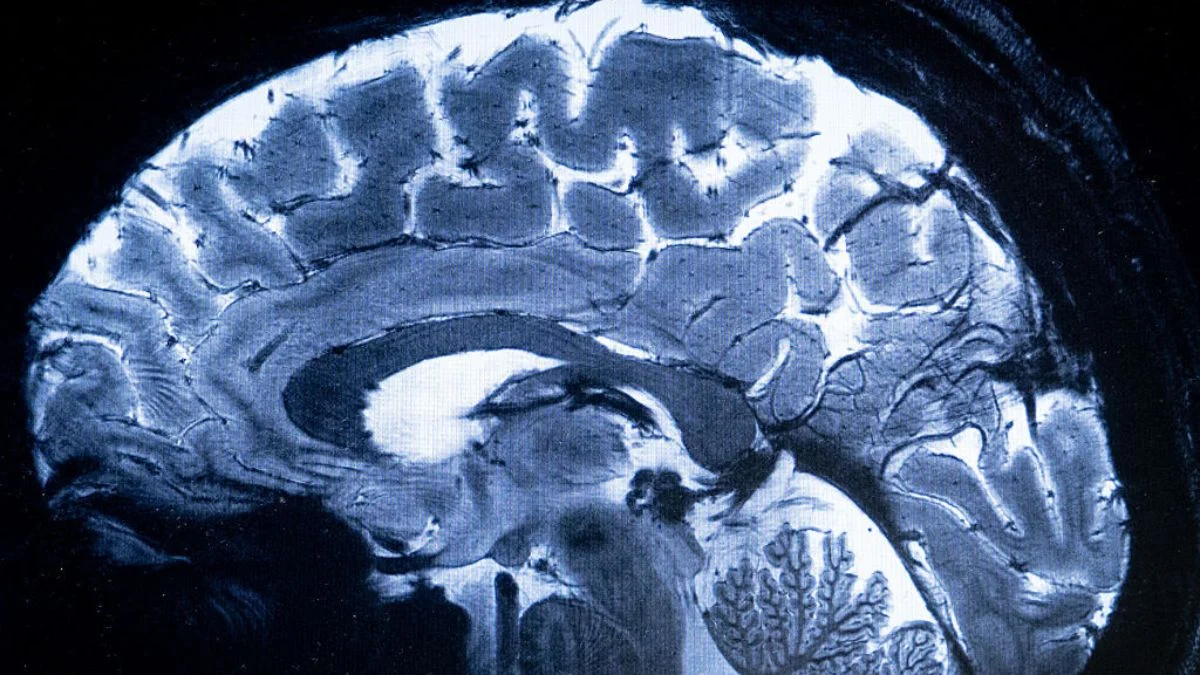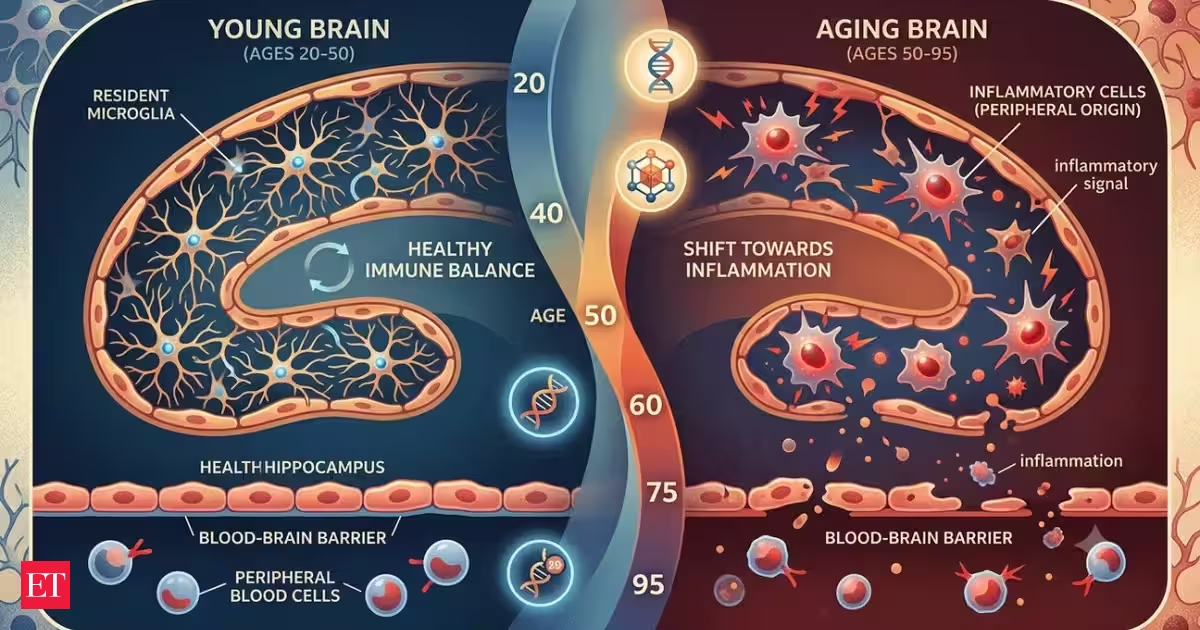
A study funded by the National Institutes of Health (NIH) has uncovered a major shift in the immune environment of the hippocampus, the part of the brain that plays a central role in learning and memory. The findings suggest that this immune remodeling begins in midlife and may help explain how aging contributes to the long lasting brain inflammation often seen in neurodegenerative diseases.
"Aging is the single largest risk factor for dementia, but our understanding of how it drives disease is still incomplete," said Richard Hodes, M.D., director of NIH's National Institute on Aging (NIA). "This previously hidden microglial shift, now uncovered by innovations in technology and thinking, may be an important clue to help us complete the puzzle."
Brain Immune Cells Begin Changing in Midlife
Researchers from the University of California, San Diego, the New York Genome Center and the University of California, Irvine used advanced single-cell methods to study postmortem hippocampal tissue from 40 neurologically healthy adults between the ages of 20 and 95.
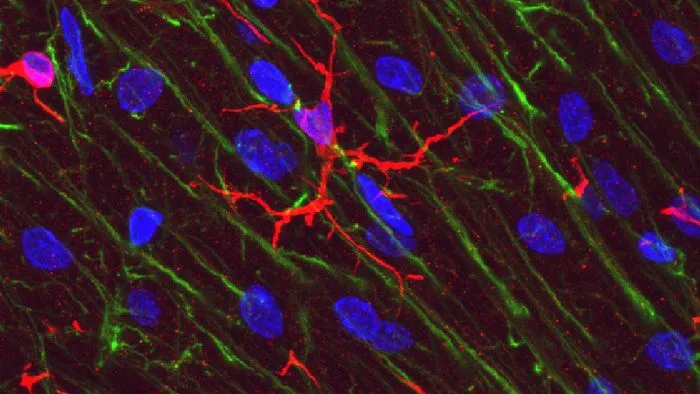
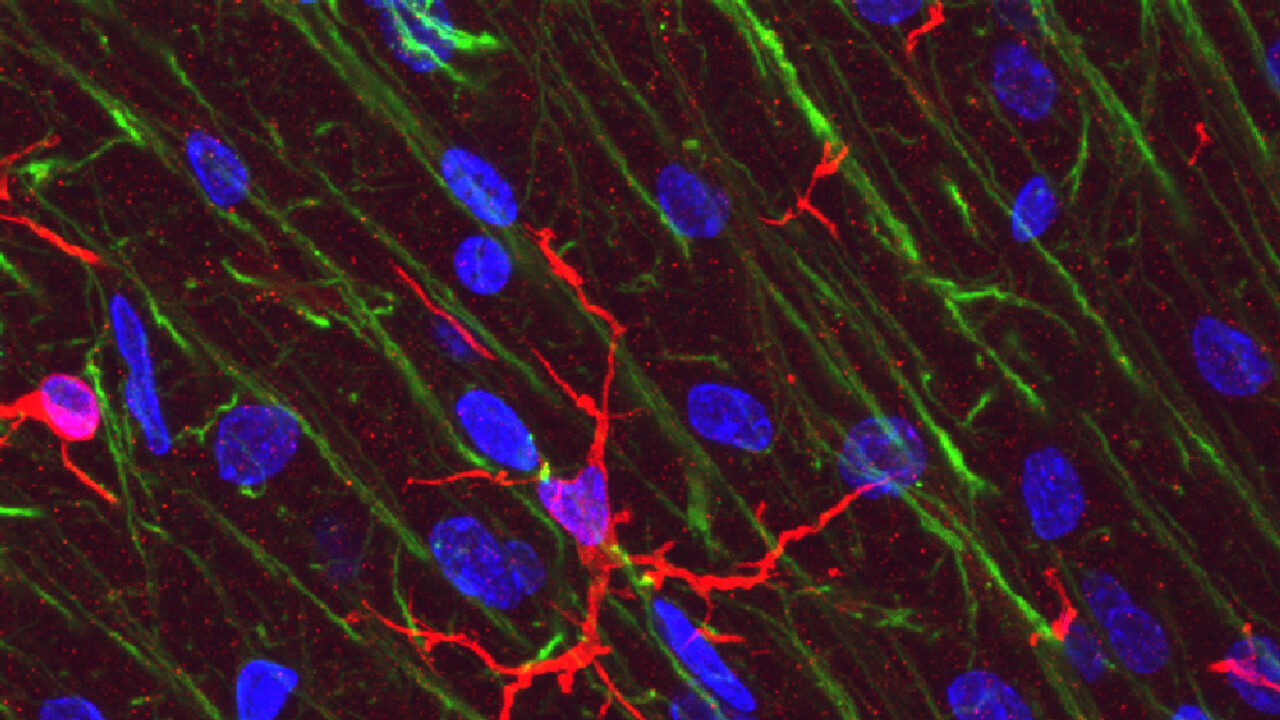
Their analysis found that microglia, the brain's main immune cells, gradually decline from about age 50 to age 75. At the same time, they appear to be replaced by cells with stronger inflammatory signals and other traits similar to immune cells that originate in peripheral blood.