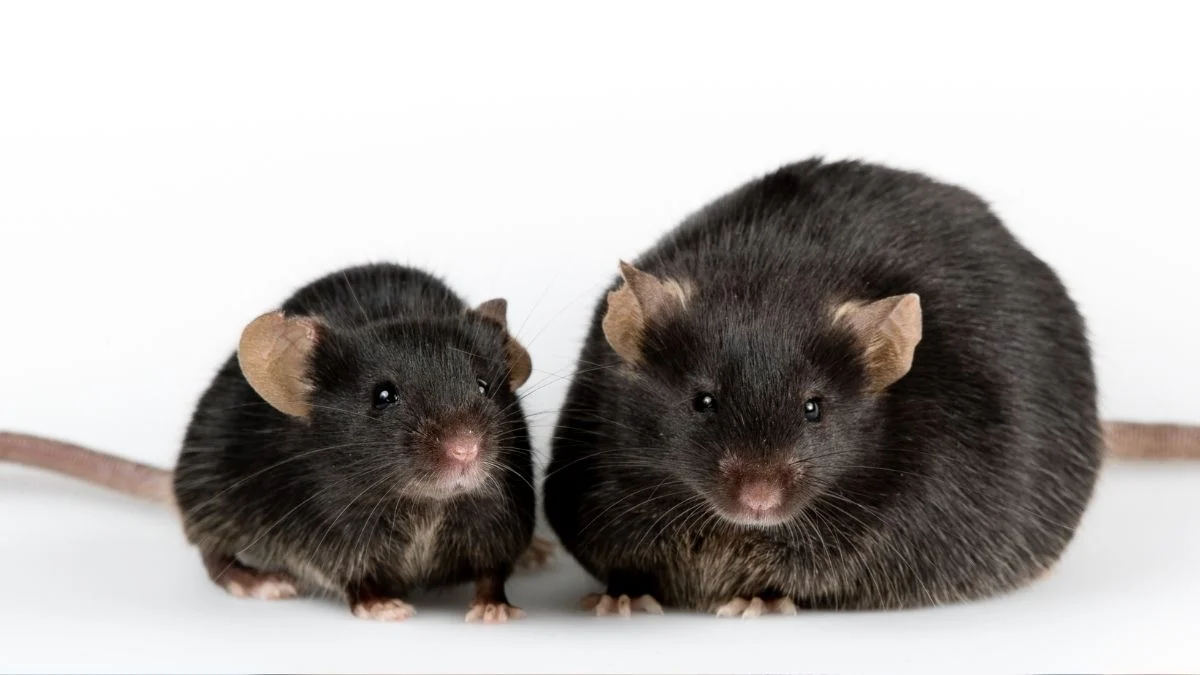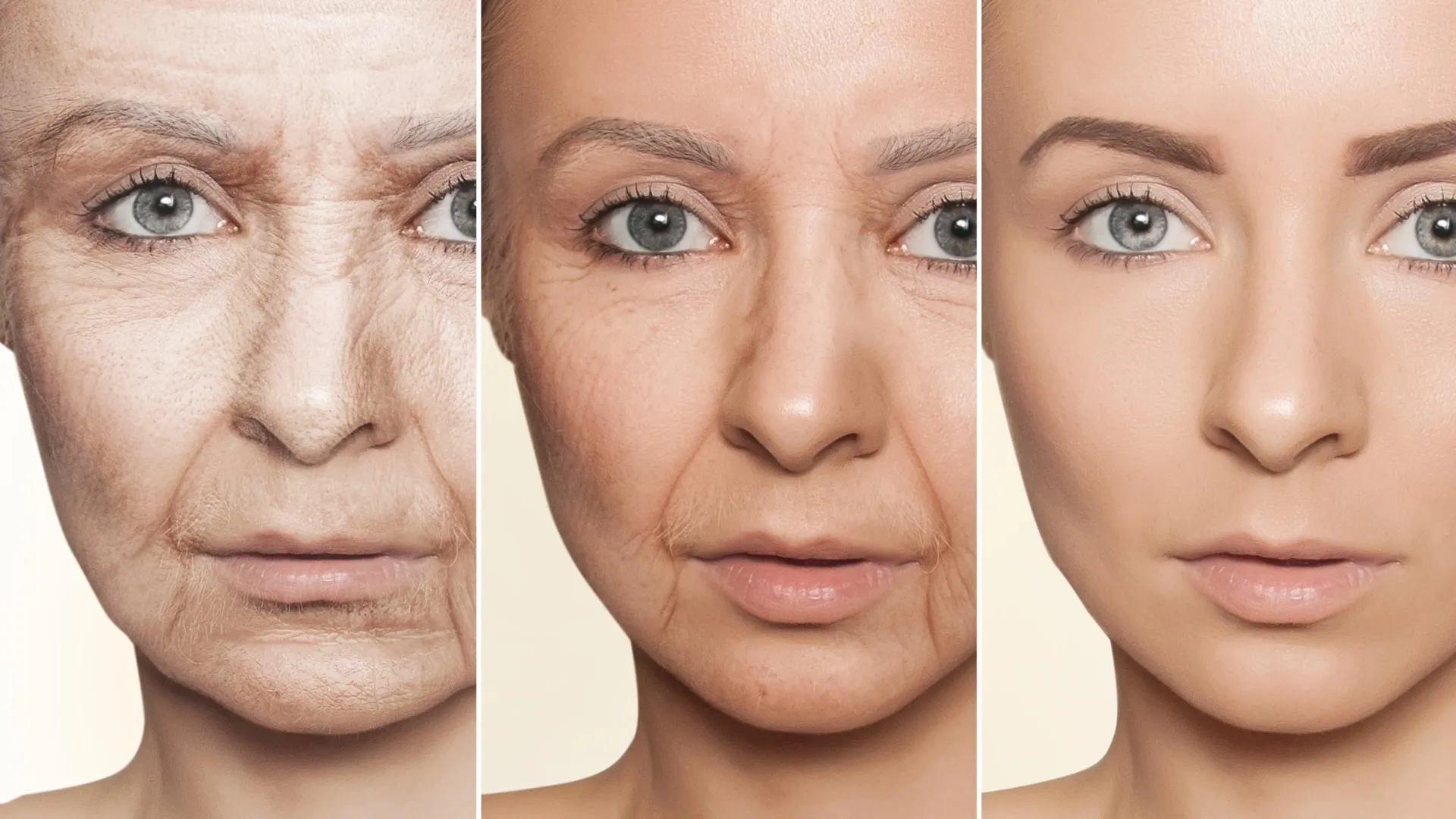
Scientists may have uncovered a hidden biological switch that helps control how quickly the body ages. Research published in PLOS Biology suggests that declining levels of a brain protein called Menin can trigger inflammation, memory decline, and other age-related changes throughout the body. In experiments with mice, restoring the protein reversed several signs of aging, while a simple amino acid supplement improved cognitive function.
The findings add to growing evidence that aging may be strongly influenced by the hypothalamus, a small but powerful brain region that regulates metabolism, hormones, body temperature, sleep, and stress responses. Researchers increasingly view the hypothalamus as a central command center for aging itself.
A Brain Protein That Declines With Age
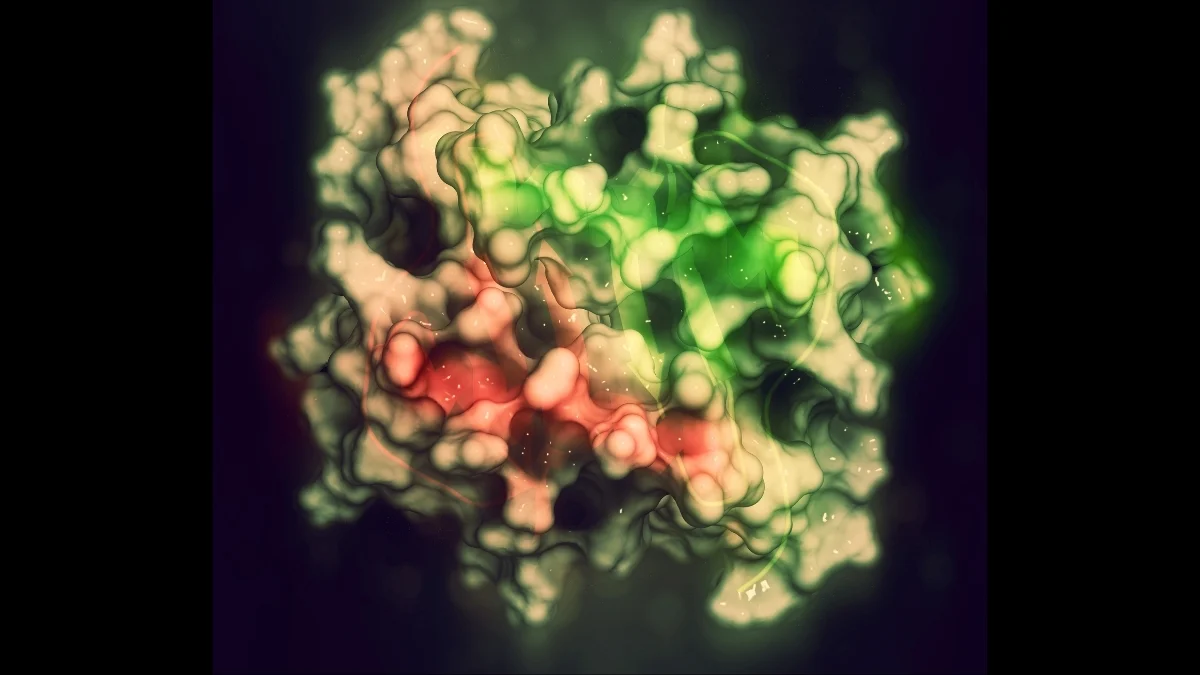
The study, led by Lige Leng and colleagues at Xiamen University in China, focused on Menin, a protein that helps suppress inflammation in the brain. Earlier work had already shown that Menin plays an important role in controlling neuroinflammatory activity. The team wanted to know whether losing this protective protein might contribute to aging.
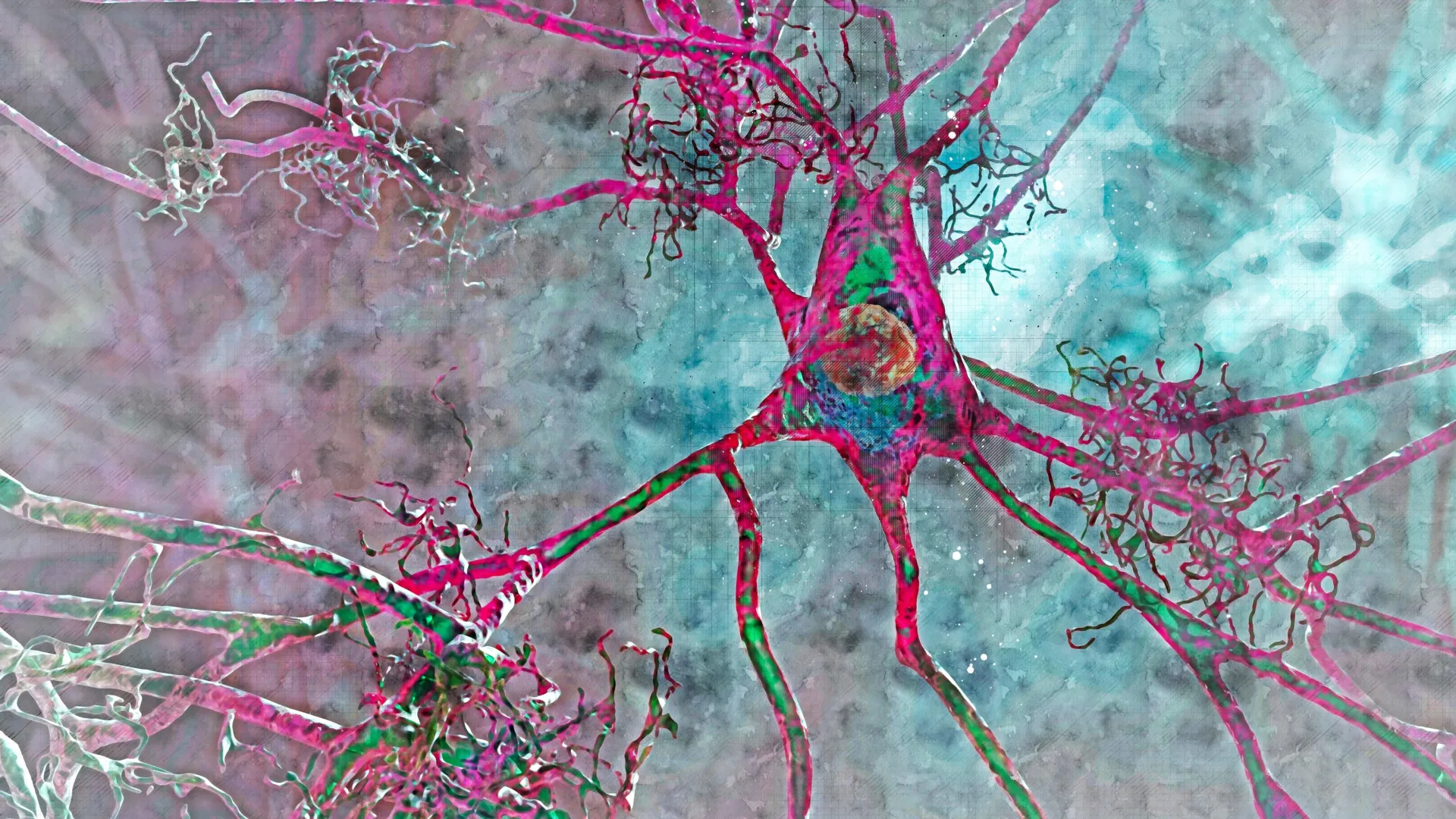
Their experiments revealed that Menin levels dropped sharply in the hypothalamus as mice grew older. The decline occurred specifically in neurons within the ventromedial hypothalamus (VMH), a region linked to metabolism and systemic aging. Interestingly, Menin levels did not significantly decrease in nearby support cells such as astrocytes or microglia.