Bloomberg Opinion is flagging a structural risk that markets may be underpricing: the steady rise of anti-euro and euroskeptic parties in France, Germany, and Italy is reshaping the political landscape that any future crisis response would have to navigate.
The numbers behind the concern
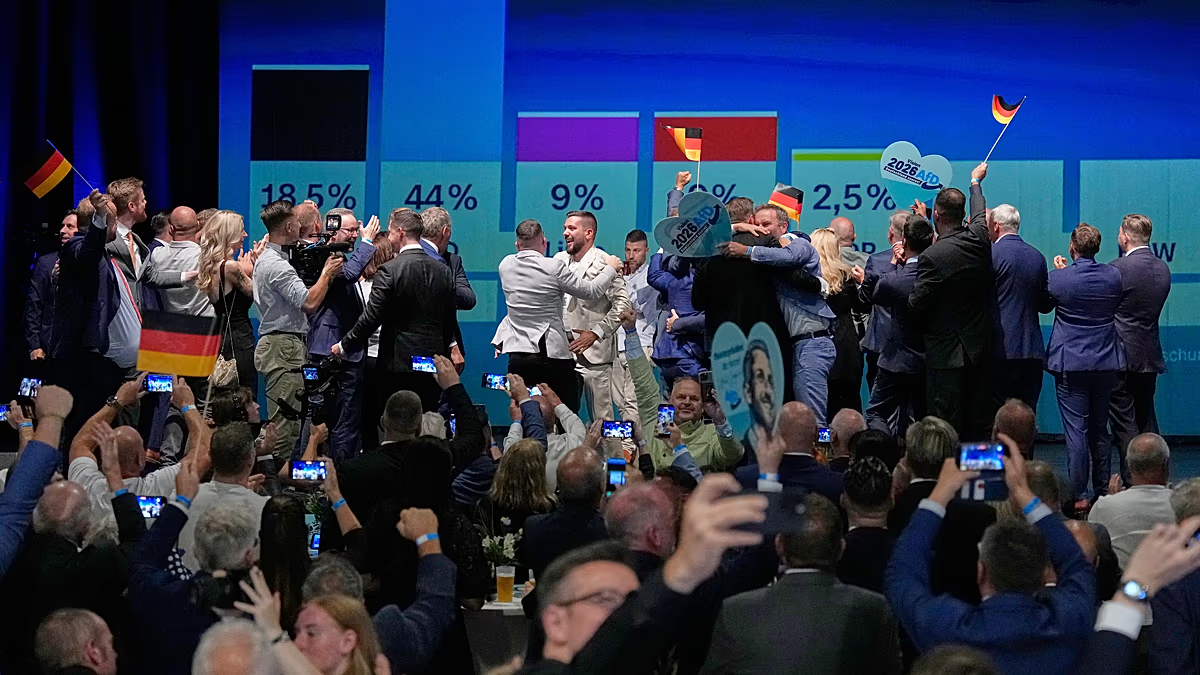
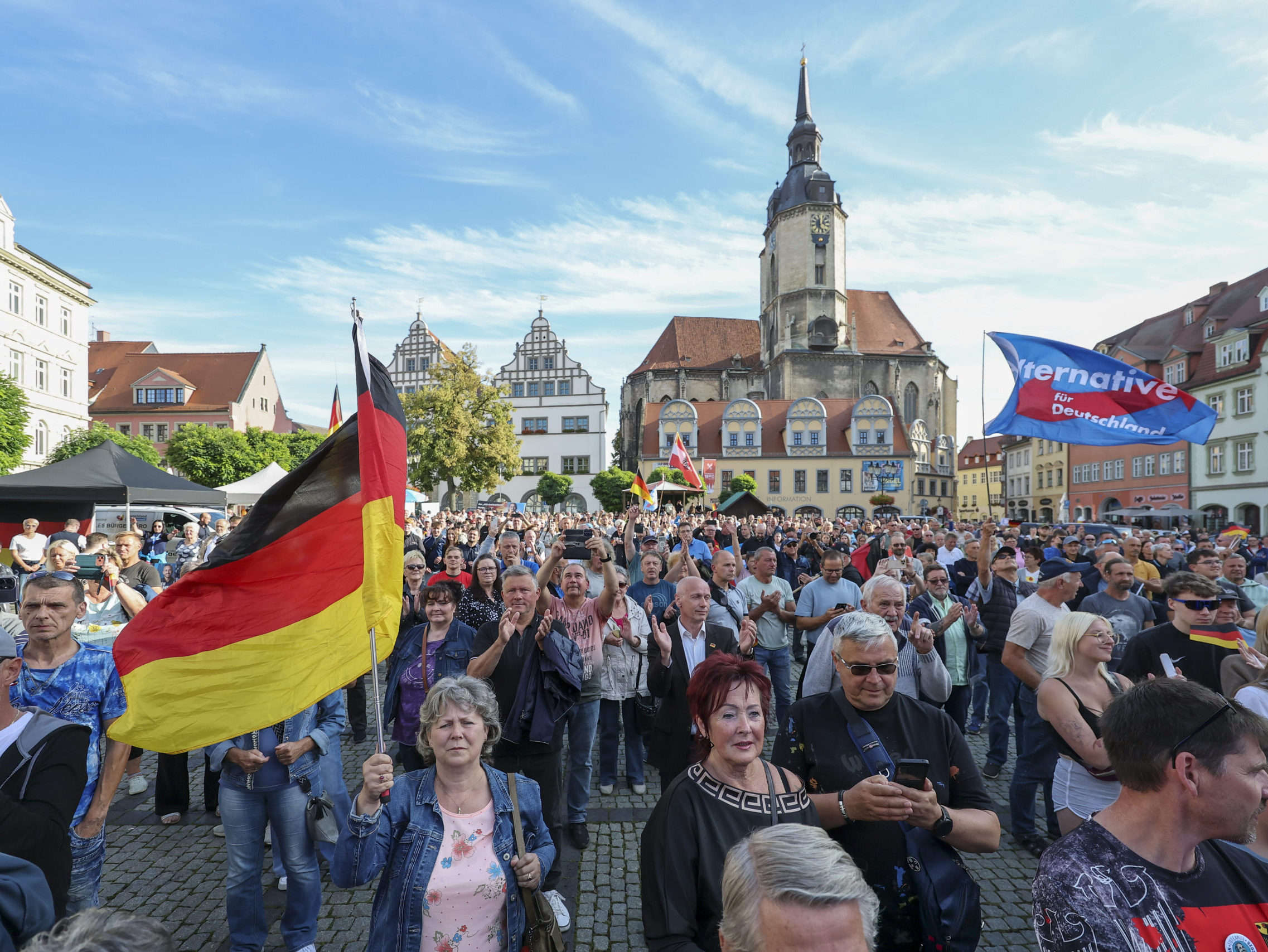
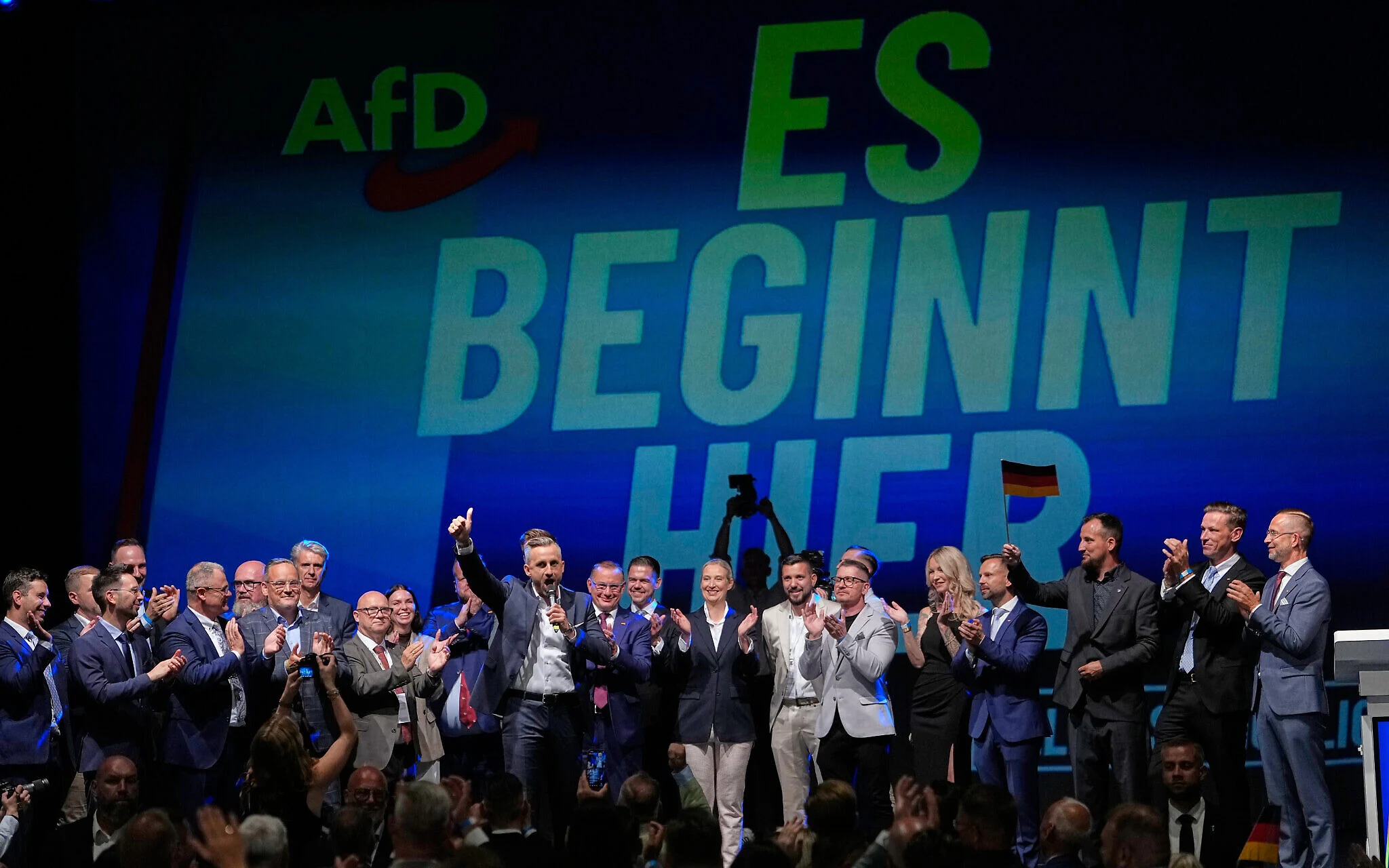
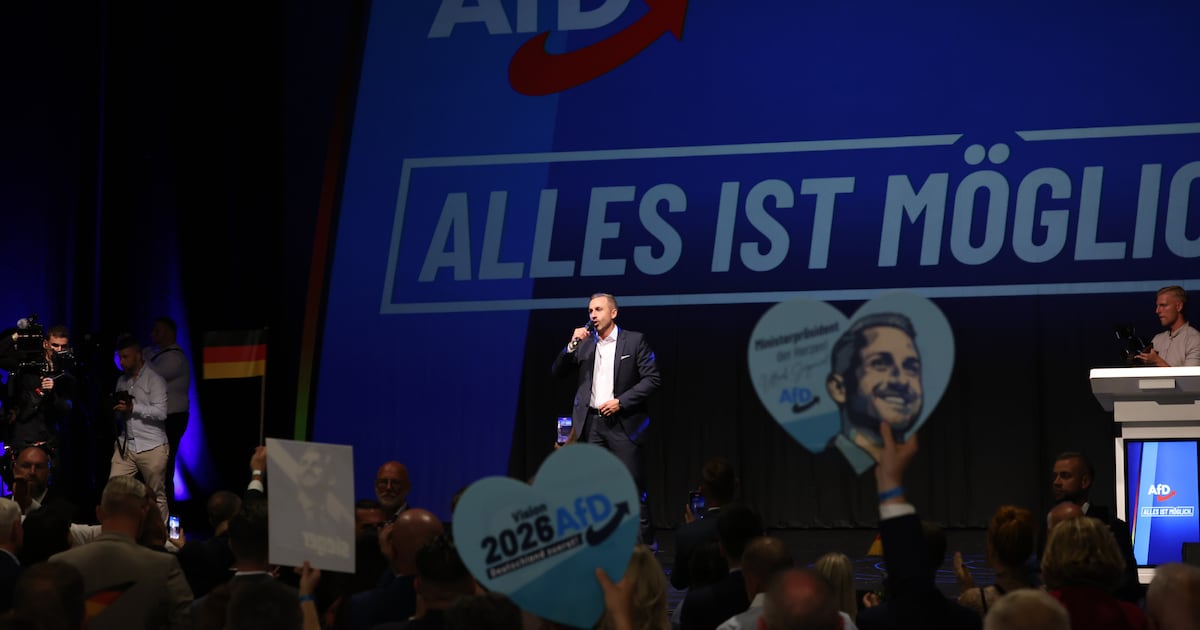
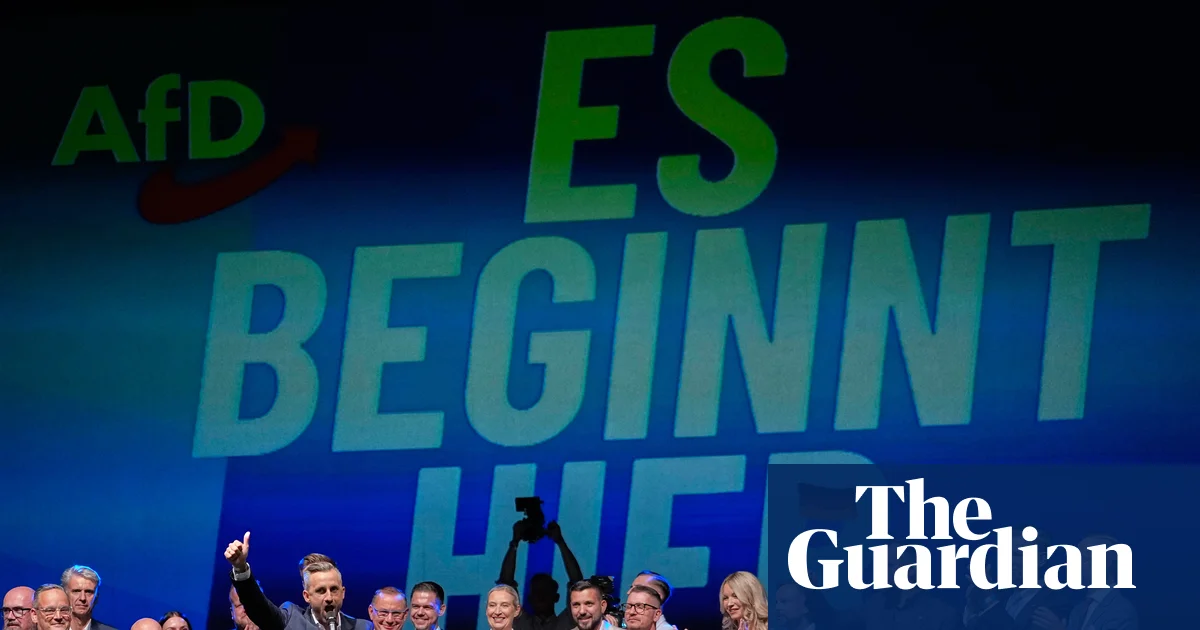
In Germany, the Alternative for Germany party pulled 43.8% of the vote in the Saxony-Anhalt state election, a result that illustrates just how far the AfD has moved from fringe curiosity to mainstream competitor. Germany is the eurozone’s de facto backstop, the country whose political consensus ultimately determines whether bailout mechanisms get funded and ECB interventions get tolerated.
France presents a different but equally pointed problem. Marine Le Pen’s Rassemblement National is polling at roughly 34% ahead of the 2027 presidential election, a lead that puts her in genuine contention for the Élysée Palace. France already carries one of the highest public debt loads in the eurozone, which has made investors increasingly wary of French assets.
Italy’s situation is structurally familiar. Giorgia Meloni’s Brothers of Italy governs alongside euroskeptic coalition partners including Lega, meaning that even the “moderate” governing arrangement features parties with historical opposition to eurozone constraints. Italy’s debt-to-GDP ratio has long been the number that keeps European finance ministers up at night.