Alternative for Germany (AfD) wants to carry out mass migrant deportations, leave the European Union and is pro-Russia
| Photo Credit:
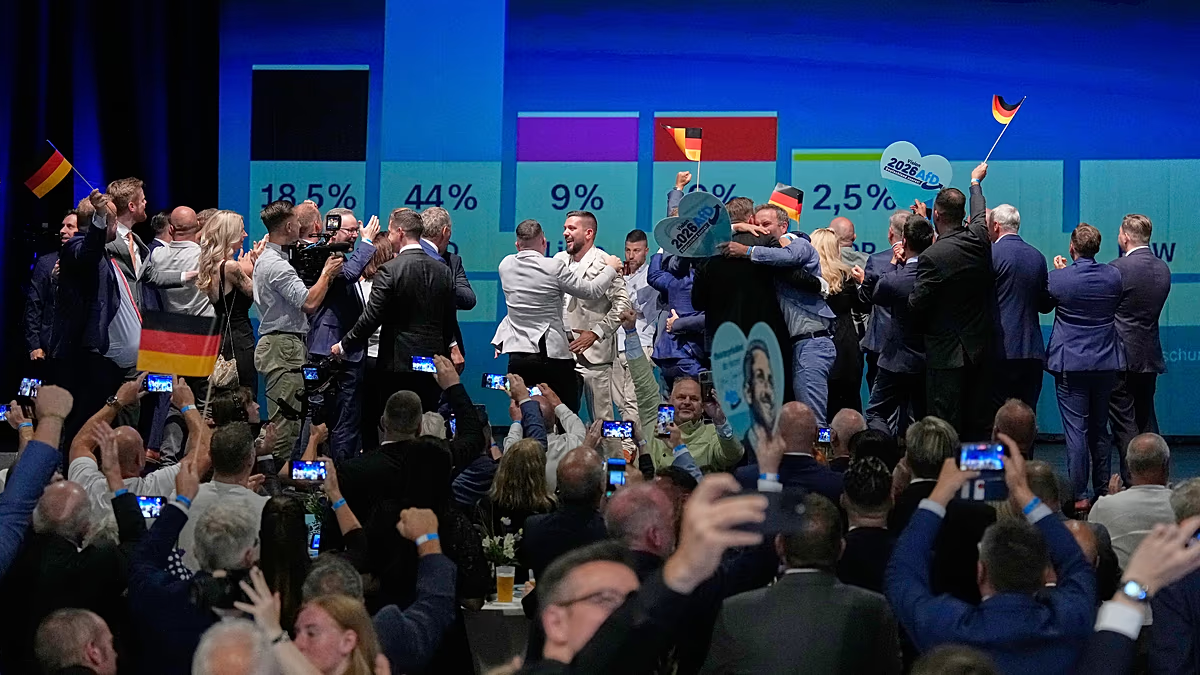
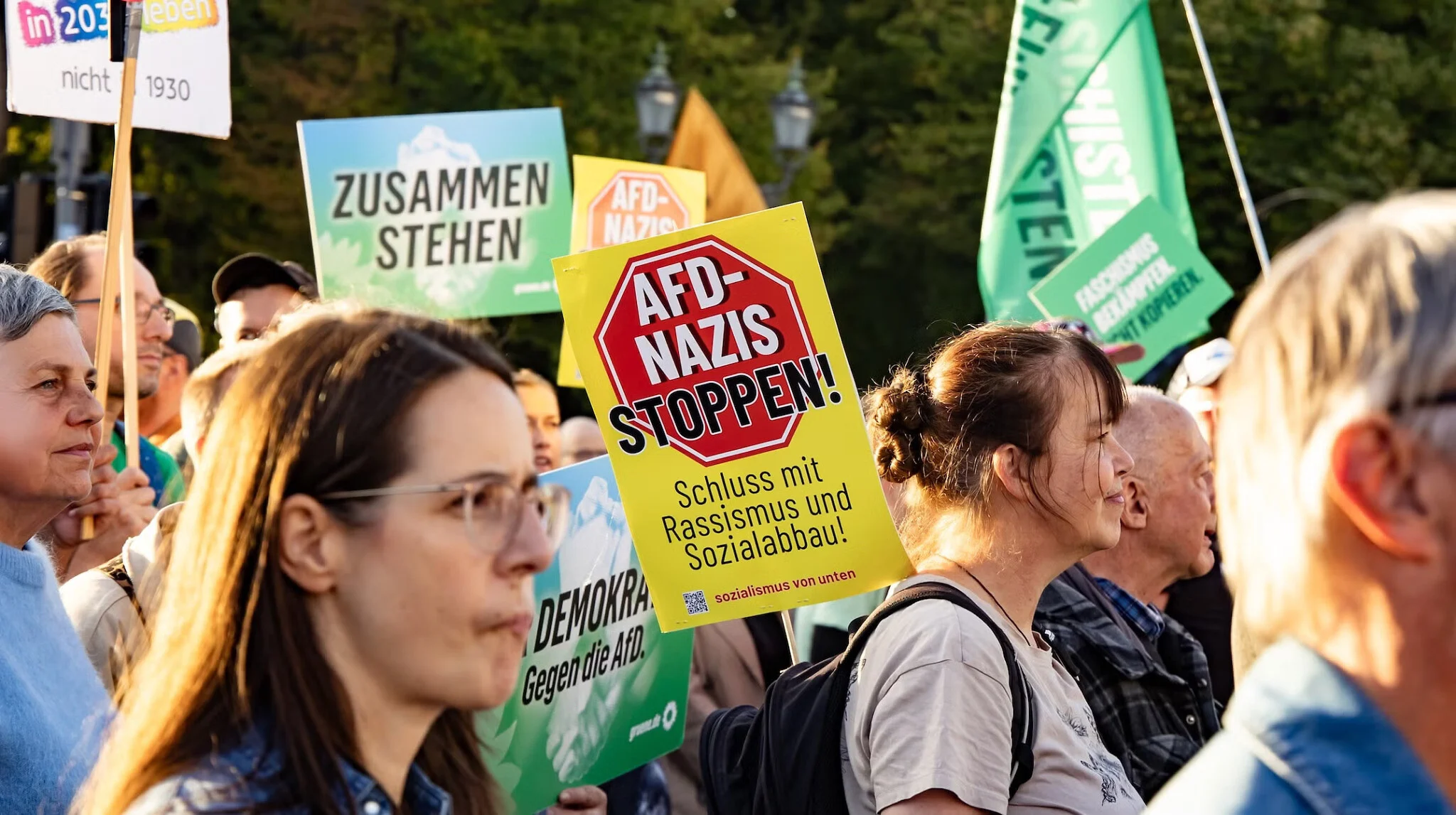
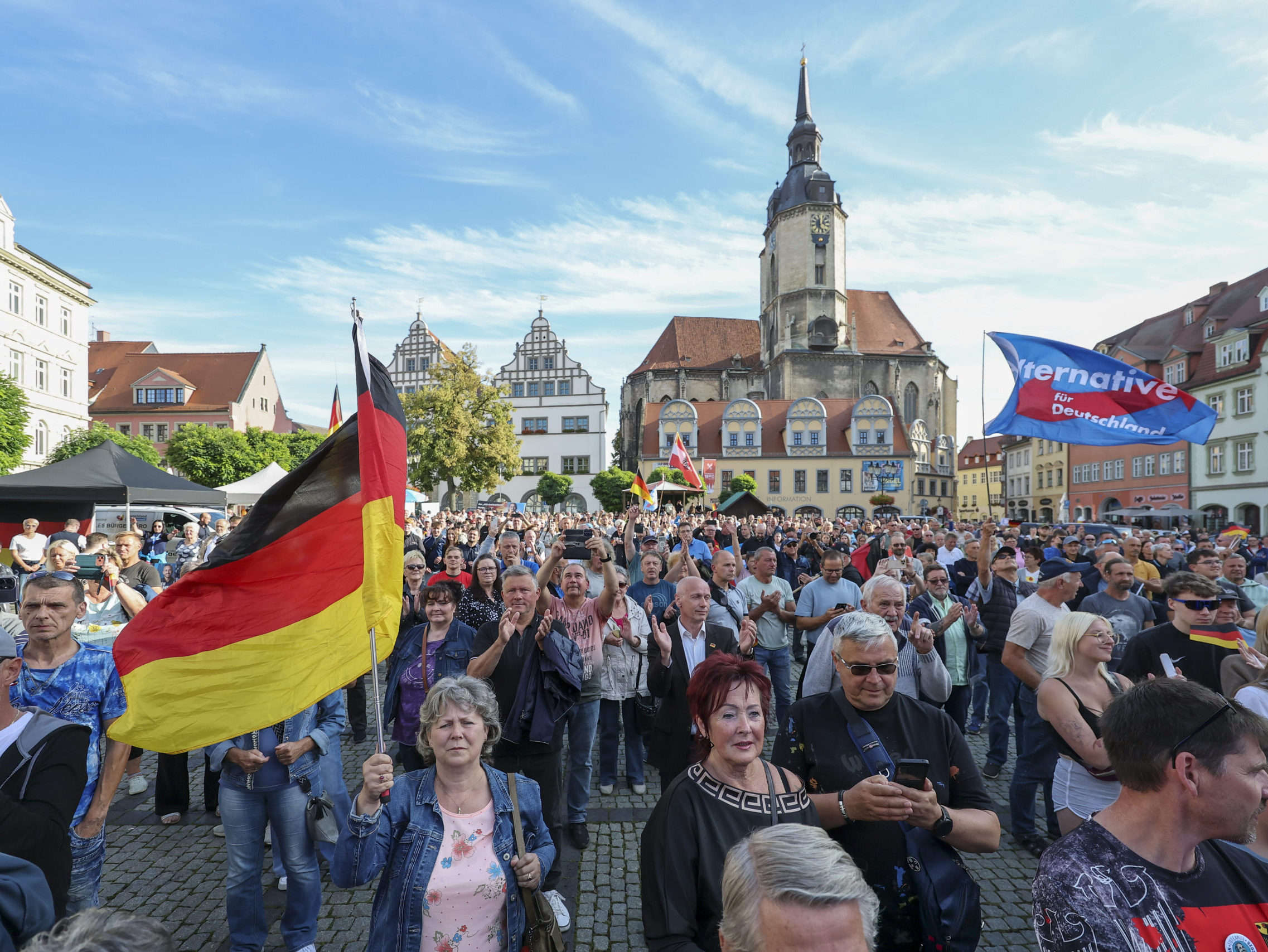
Are the crazies about to take power in Europe? The voters of Saxony-Anhalt have just delivered a political earthquake. They appear to have decided the Left and Centre-Right are incapable of driving the economy back into high-growth mode and bringing prosperity. So they have thrown their support behind the Alternative for Germany, the AfD, a party Germany’s intelligence service classifies as far-Right extremist.The AfD won 44 per cent of the vote in Sunday’s state election, over twice the 17 per cent won by Chancellor Friedrich Merz’s Centre-Right CDU. It fell just short of an outright majority, but the result was still extraordinary. The AfD has never governed a German state and the mainstream parties have maintained a political “firewall”, refusing to form coalitions with it. That firewall is now under unprecedented pressure.It could be argued the state is small, with only 2.1 million people. It’s also part of what was once East Germany, where growth and incomes have never fully caught up with the former West Germany.Nevertheless, the election result has sent shock-waves through Europe. All eyes now are on Berlin, which votes September 20. The AfD is already represented in the Berlin parliament. A strong showing in the capital would turn the Saxony-Anhalt result from an eastern German revolt into a much more serious national warning.The fear across Europe is that Saxony-Anhalt may be the first in a string of breakthroughs for the populist Right. In France, Marine Le Pen’s National Rally is comfortably ahead in polls for next year’s presidential election. In the UK, Nigel Farage has lost ground in recent months, but could still have a chance of nudging past the ruling Labour and Conservative parties. And in Italy, Matteo Salvini, who leads Lega, a far-Right populist, anti-immigrant party, is deputy prime minister in Georgia Meloni’s government.But Germany’s far-Right win is different. Ever since World War II, Germany has guarded against the rise of a Right-wing group like Adolf Hitler’s Nazi Party. The intelligence agencies have always kept a close eye on Right-wing parties. The AfD wants to carry out mass migrant deportations, leave the European Union and is pro-Russia. One AfD leader, Maximilian Krah, even recently defended the Nazi SS, saying they were “not all criminals”.Why extreme Right is risingSo what’s driving the rise of the extreme Right? Of course, immigration. In Germany, many immigrants have arrived from strife-torn countries like Syria, Afghanistan and Iraq. It’s estimated over 2.6 million asylum-seekers poured into Germany between 2016 and 2024. But Germany is also ageing rapidly and desperately needs younger workers.The deeper malaise is economic. Europe increasingly looks like a continent falling far behind the US and even China in the latest technologies, from AI to electric vehicles, that are driving change globally.Germany provides the clearest example. Volkswagen, the world’s second-largest automobile company, has announced it’s sacking an enormous 40,000 workers as it struggles with excess capacity, high costs and fierce Chinese competition from EV companies like BYD. One Volkswagen plant will move into the defence industry in partnership with Israel’s Rafale Advanced Defense Systems. Another plant will produce military trucks. Two factories will be repurposed or sold. The company is looking to tie up with JSW in India because its sales have never really picked up in this country.This is the background against which voters are turning against the political establishment. And it’s politically explosive.Thin on ideasThere’s an obvious danger in assuming the extreme Right will solve the problems that fuelled its rise. The European Right’s answer to economic stagnation is remarkably thin on ideas. Immigration can be restricted, borders can be tightened, and bureaucracies can be attacked, but none of this automatically produces prosperity or the next generation of globally competitive companies.The US experience under Donald Trump is salutary. Trump presented himself as the great disrupter who would restore manufacturing and put the economy first. Yet his brand of populist disruption has caused economic hardship for millions, and his tariffs have created turmoil worldwide. Elon Musk’s attempt to slash US bureaucracy showed how fast misdirected Right-wing policies cause havoc.In the UK, Farage has acquired a reputation as deeply corrupt and is under parliamentary investigation. Watching Farage in action demonstrates how the extreme Right is unlikely to be better at making people richer, more secure or at governance.But if European governments cannot restore growth, make their industries competitive, deal credibly with immigration and rebuild confidence in the future, voters may decide there’s little left to lose by trying the political outsiders. And that’s how the extreme Right moves from the margins towards the centre of power.Published on September 9, 2026