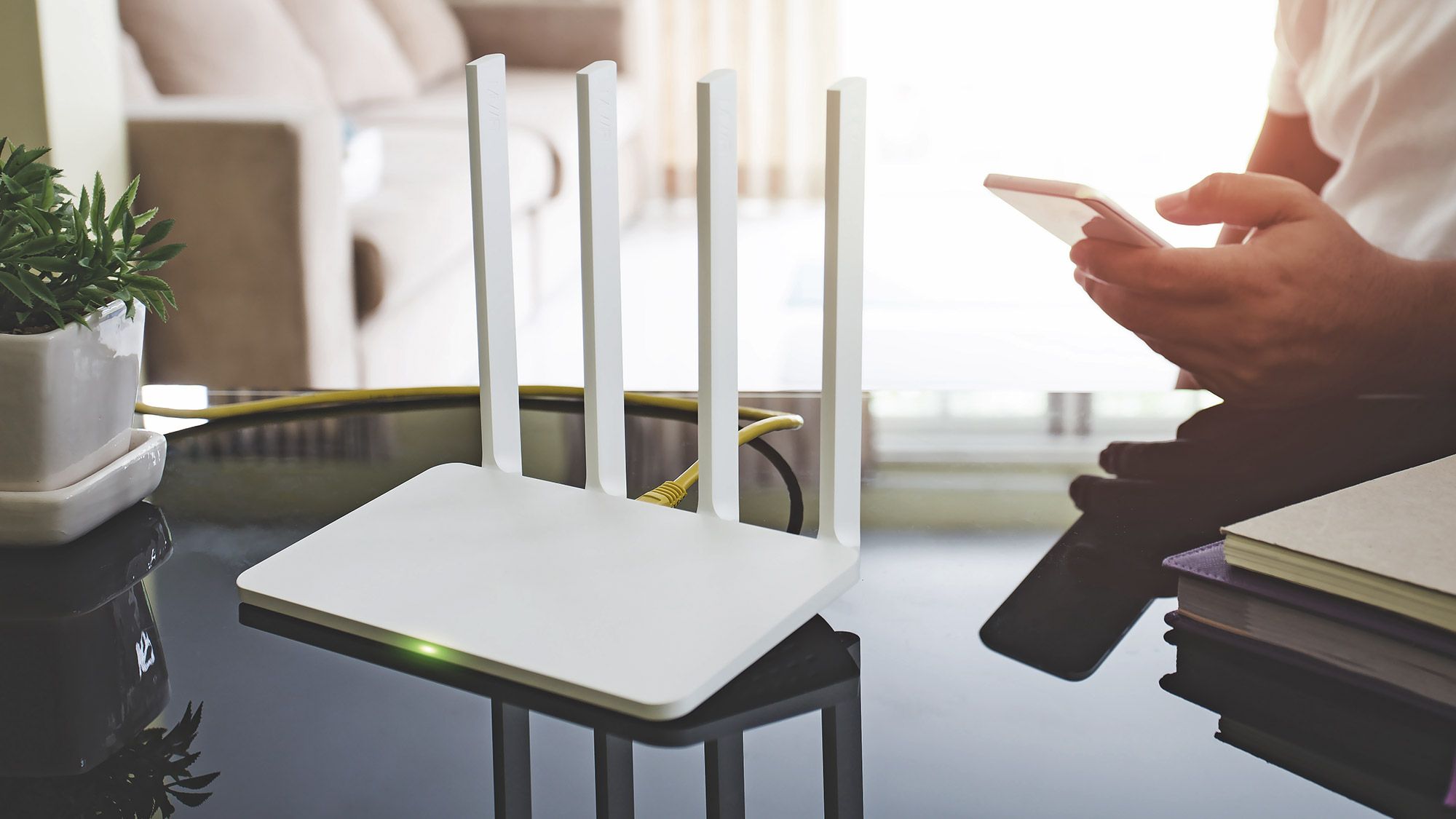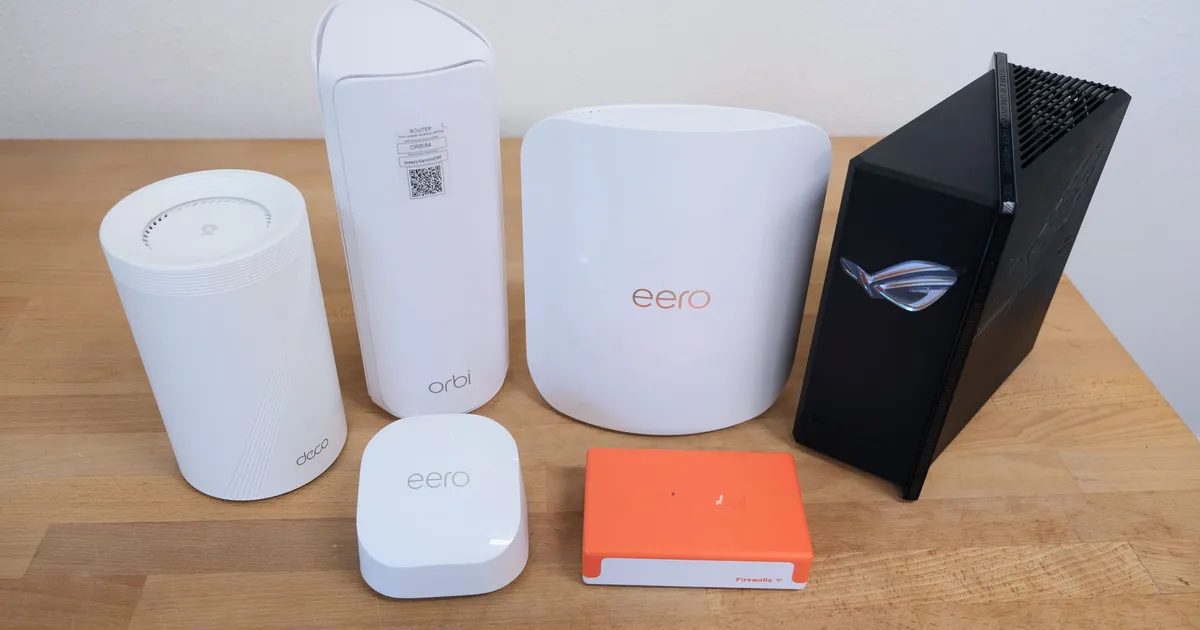
If you've ever stood in your kitchen watching a video call freeze while you had five bars in the office ten metres away, you've met a WiFi dead zone. The usual reaction is to blame the router and go buy a more expensive one. That almost never fixes it, because the router was rarely the actual bottleneck.
Here's the networking reality behind dead zones, and why the fix is architectural, not "buy a bigger box."
It's not about signal strength, it's about signal-to-noise and roaming
A single access point radiates roughly a sphere of coverage, and that sphere gets eaten alive by physics before it gets anywhere near your back bedroom:
Standard brick veneer wall: roughly 6-10 dB of attenuation per wall