Misha Feshchak / Unsplash
The home router has quietly become one of the most consequential pieces of hardware. Every video call, cloud backup, smart thermostat ping, 4K stream, and competitive gaming session runs through it, putting this single piece of equipment under increasing pressure. A router bought five years ago may still technically work. But is it keeping up?
The market is also shifting in ways that matter for buyers. In March 2026, the Federal Communications Commission effectively banned the sale of new consumer routers made by foreign manufacturers in the U.S., citing national security concerns linked to documented network intrusions. Models already on the market remain available for purchase, but the pipeline of new products will narrow. Tariffs on networking hardware have also contributed to price swings, making it worth monitoring deals on models that are already available and tested.
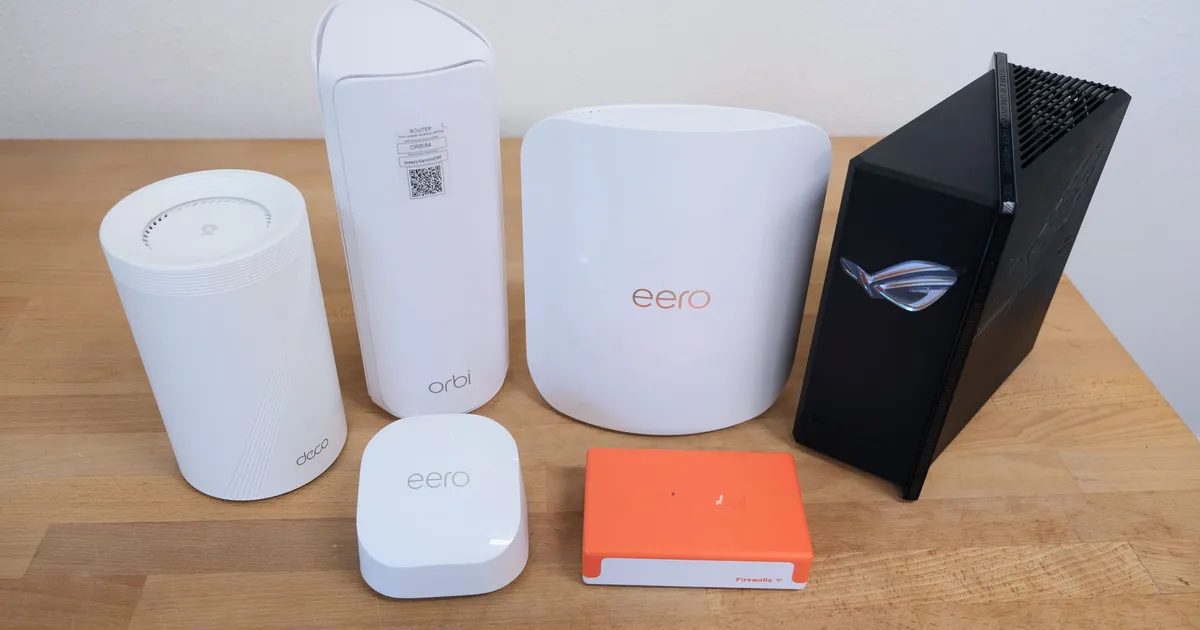
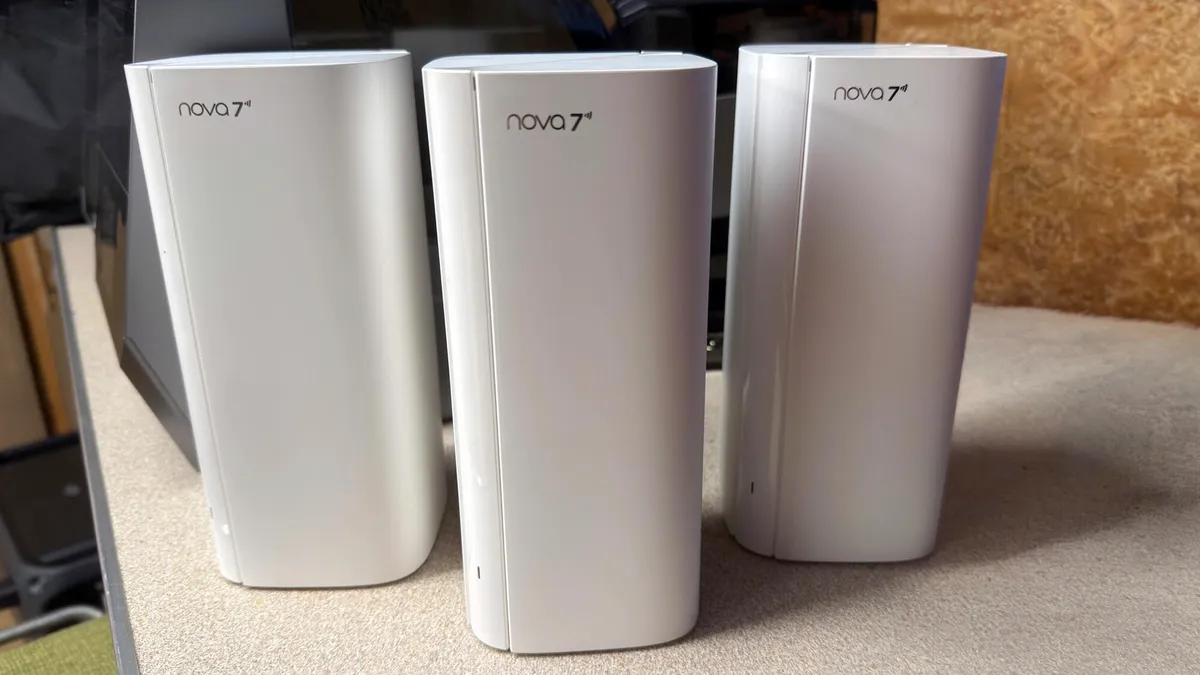
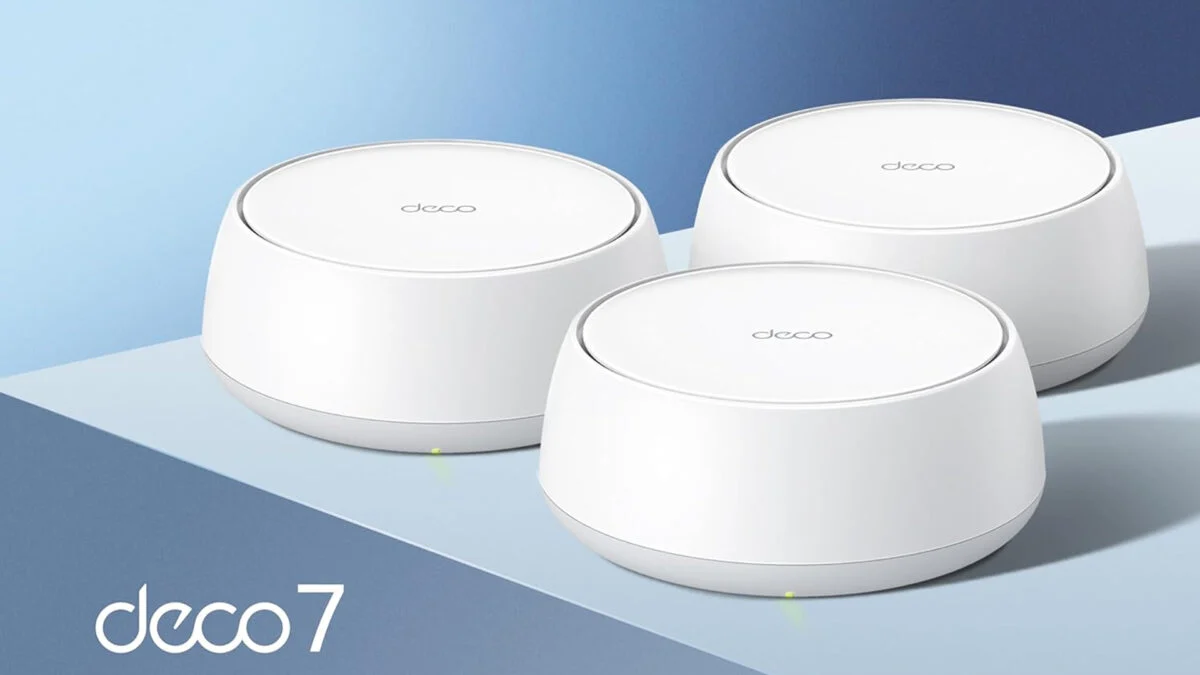
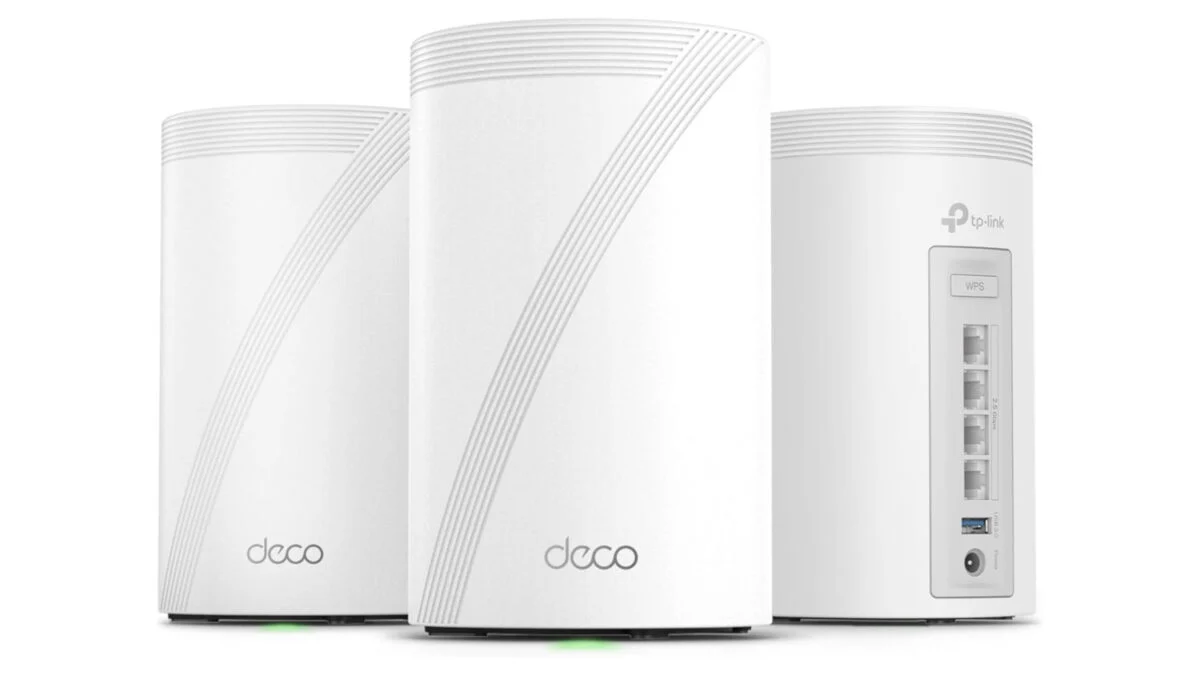
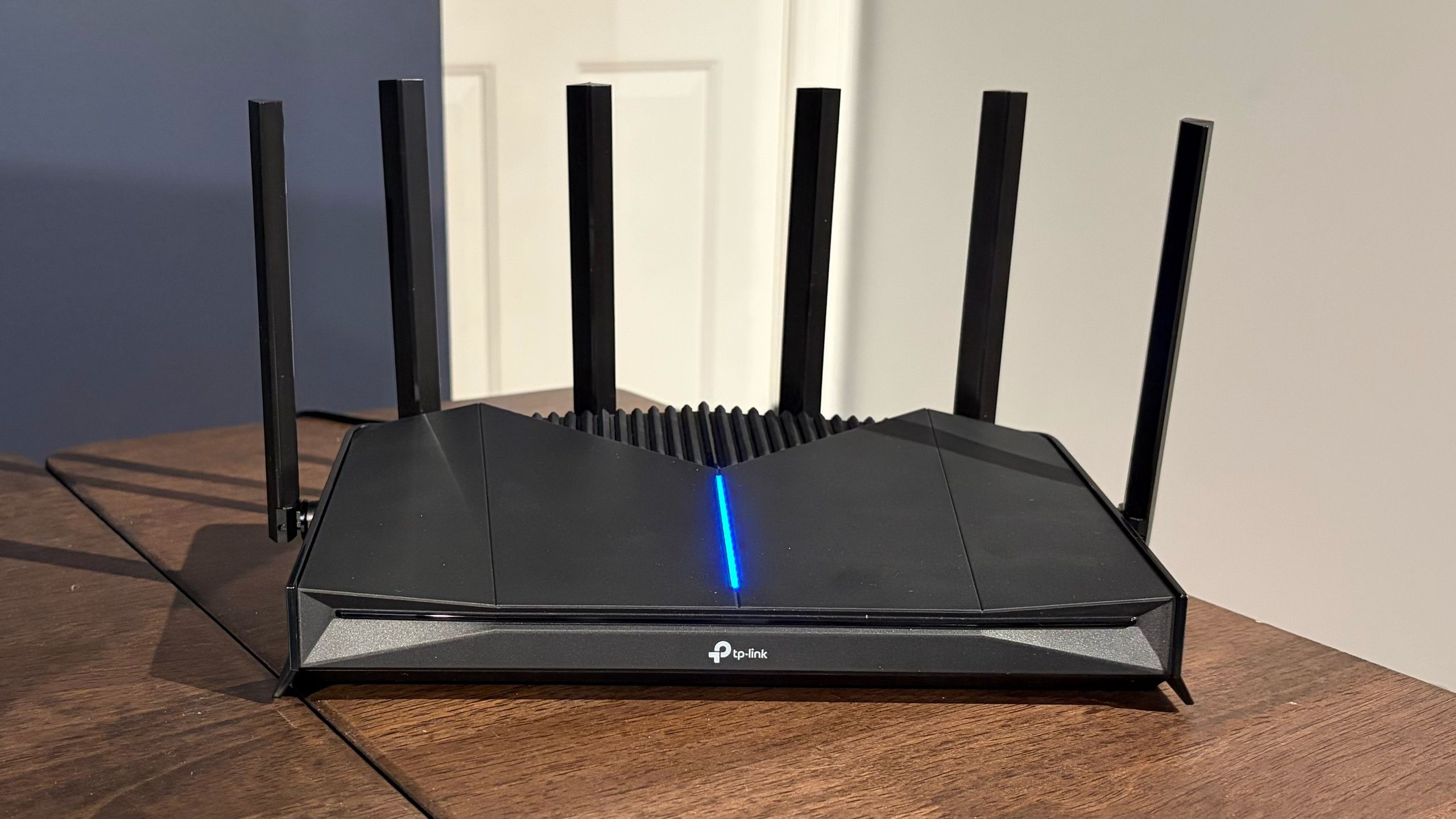
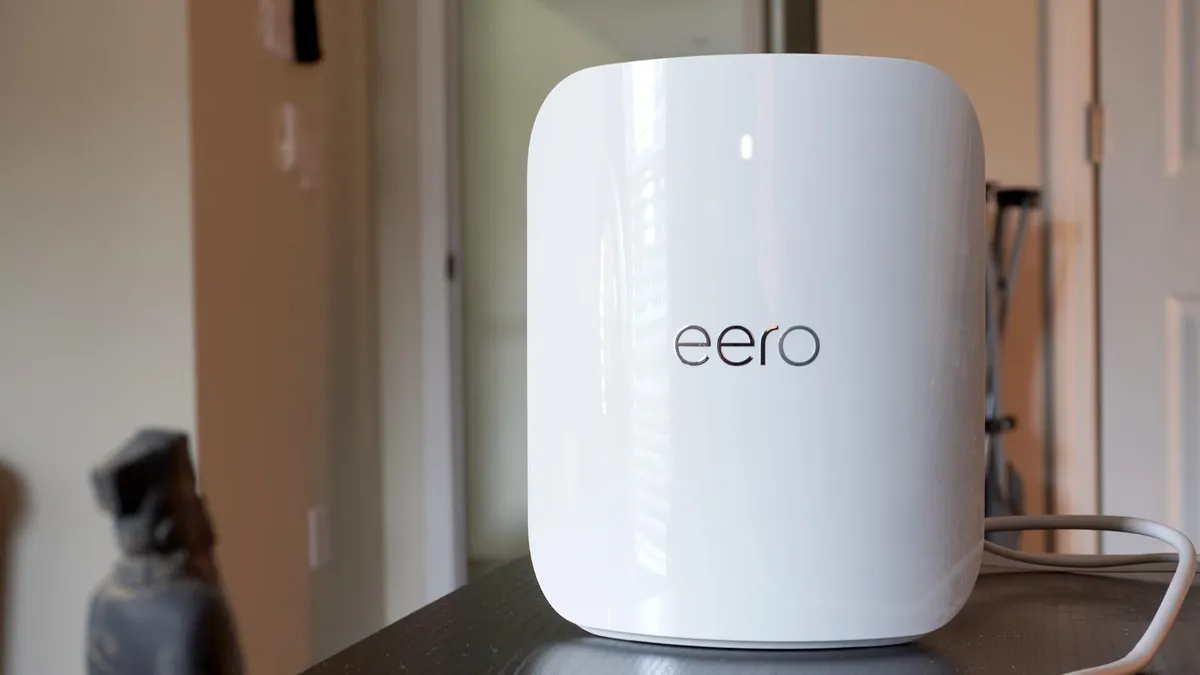
Two form factors dominate the current market: traditional single-unit routers and multi-node mesh systems. Single-unit routers deliver faster peak throughput in smaller spaces because all computing resources are concentrated in one device. Mesh systems distribute coverage through two or more nodes, making them a good fit for multi-story homes or layouts with thick walls and dead zones. Many newer mesh systems allow buyers to start with a single node and add more later.