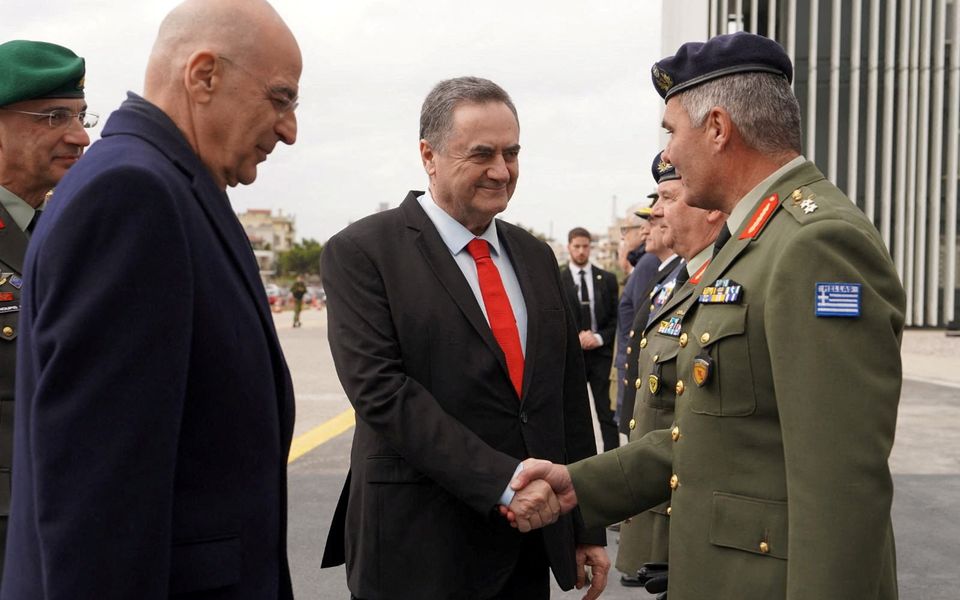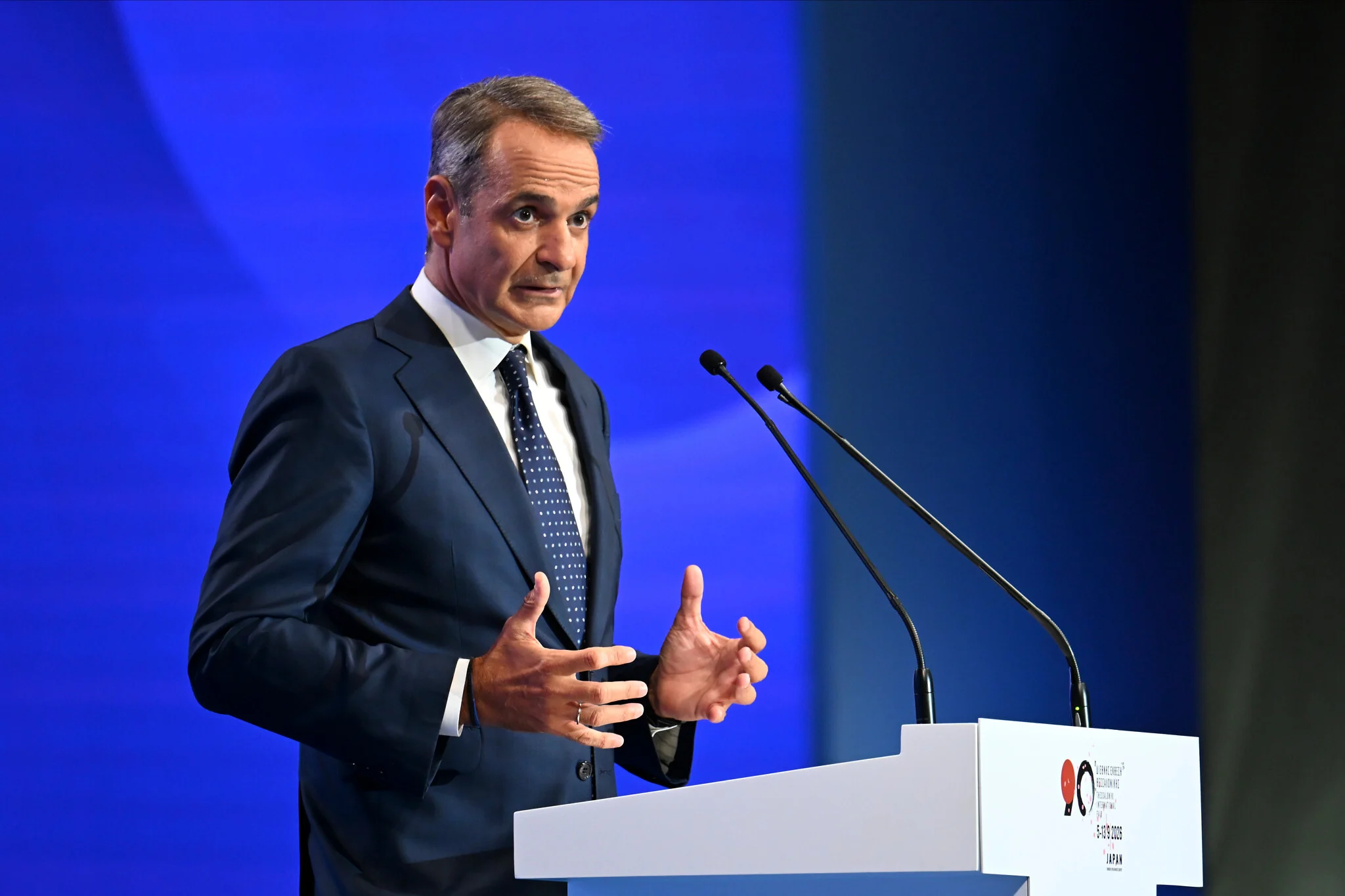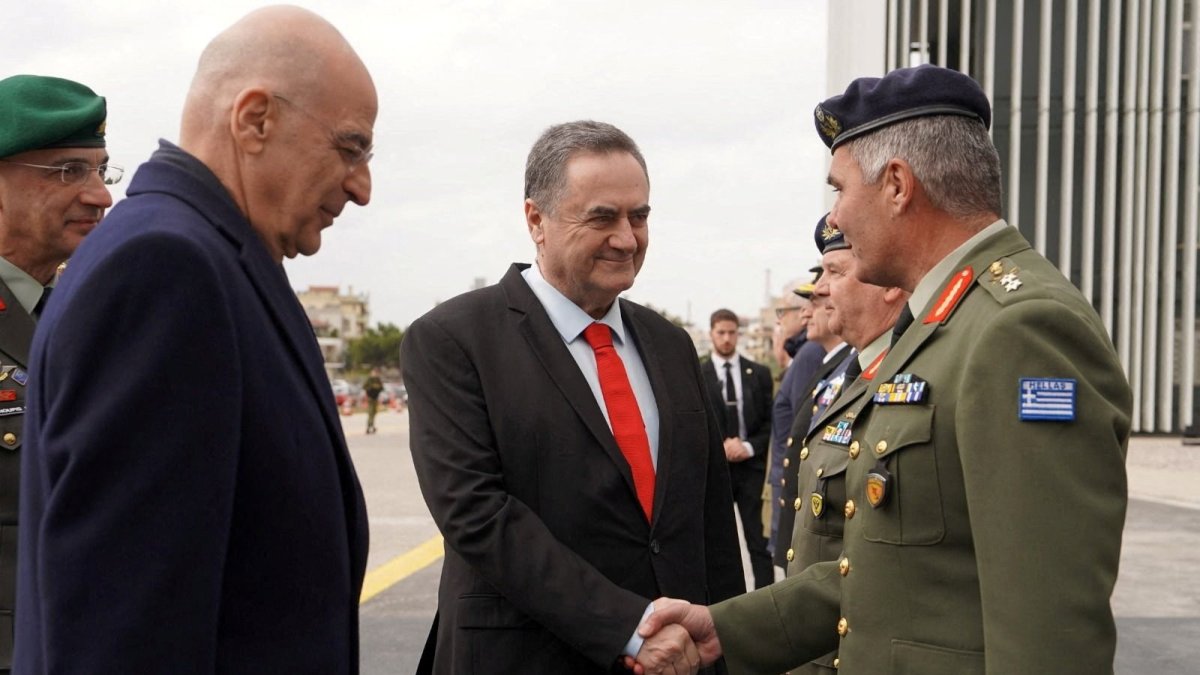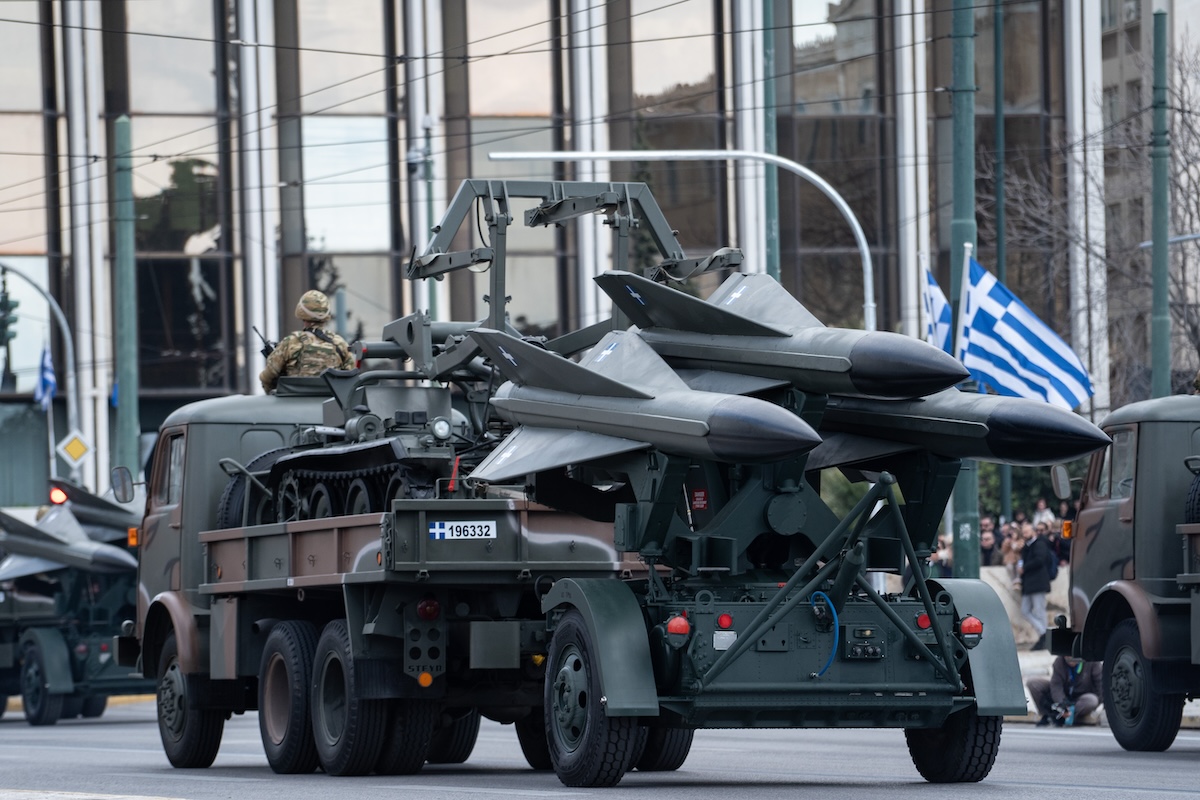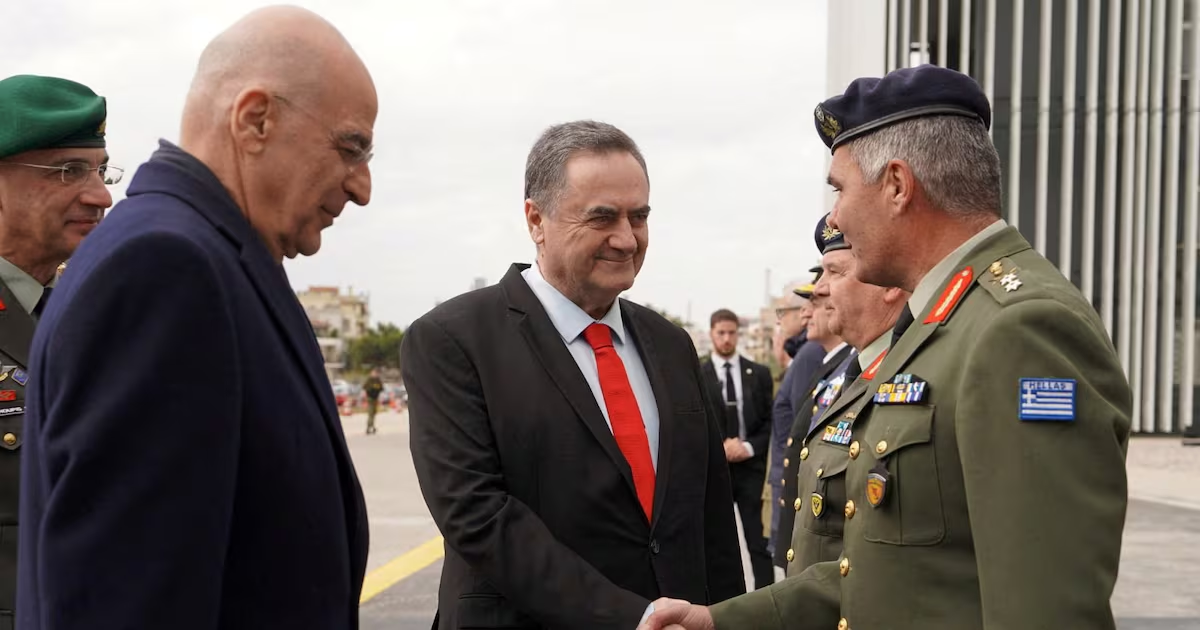
Greece’s defense initiative, designated the “Achilles Shield,” was launched amid threatening rhetoric from Defense Minister Nikos Dendias. In Greek mythology, Achilles (known as “the mightiest of all warriors”) is the epic hero of the Trojan War in Homer’s "Iliad." While Achilles slew Hector in a duel, Homer’s narrative does not record Achilles’s death by Paris’s arrow, for a true hero transcends such fates. Thus, the “Achilles Shield” nomenclature carries a rhetorical framework in which anti-Trojan sentiment converges with a Turkish-centric strategic perception.
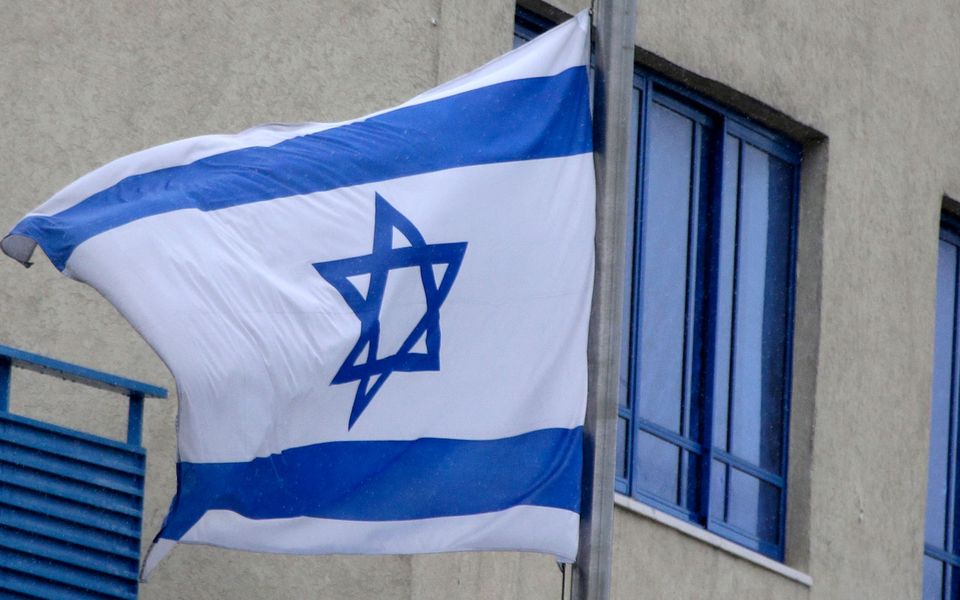
Yet there is an ironic possibility. Following the Aug. 31 agreement with Israel, Achilles risks being transformed into "Ayil" – the Hebrew term for “the sacrificed, the substitute, lacking control over its fate,” specifically referring to the ram Abraham offered in place of his son. If this trajectory materializes, the symbolism of Greek strategic autonomy would be fundamentally inverted.
With this in mind, let us examine the process and its implications with analytical rigor.
Strategic pivot
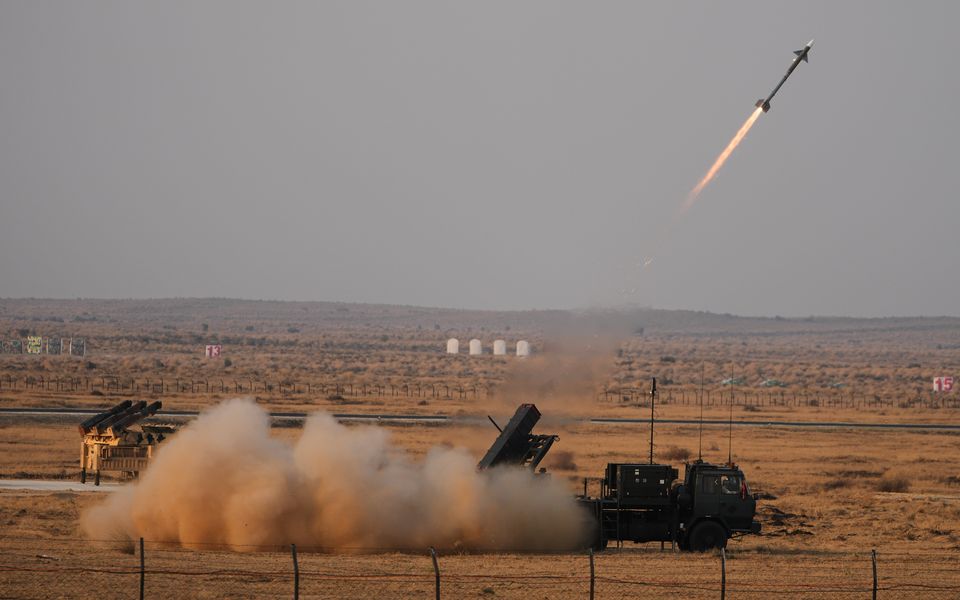
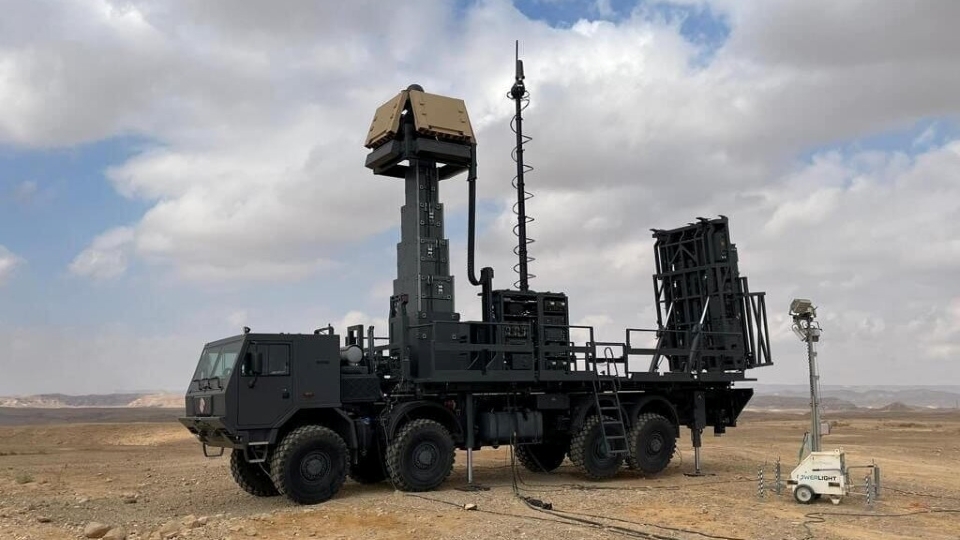
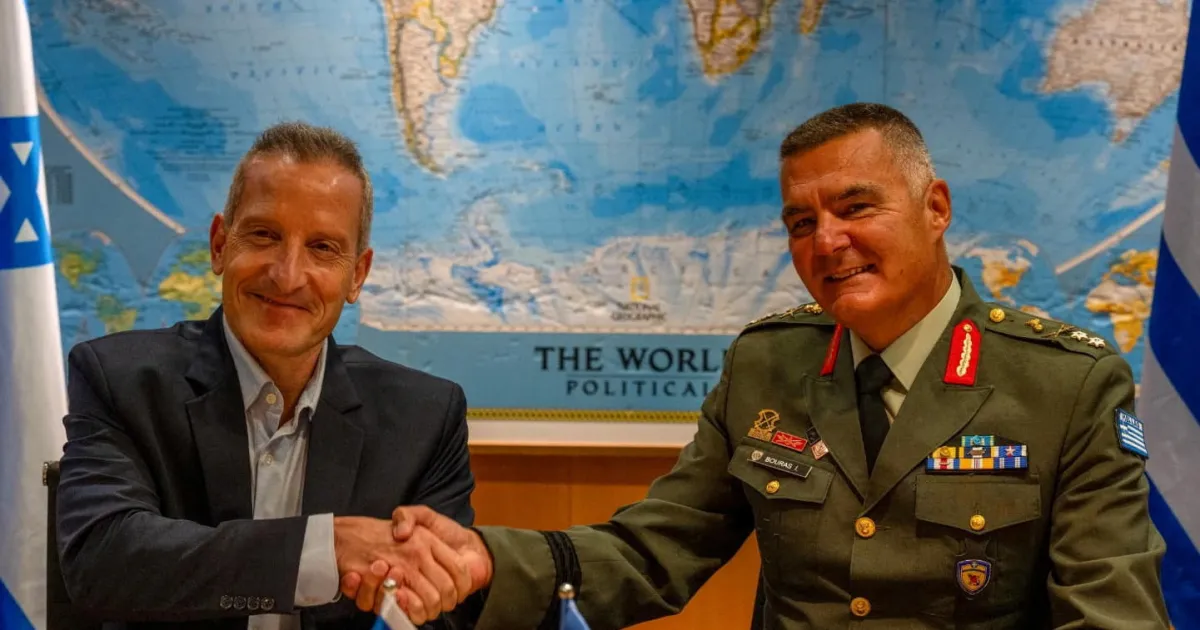
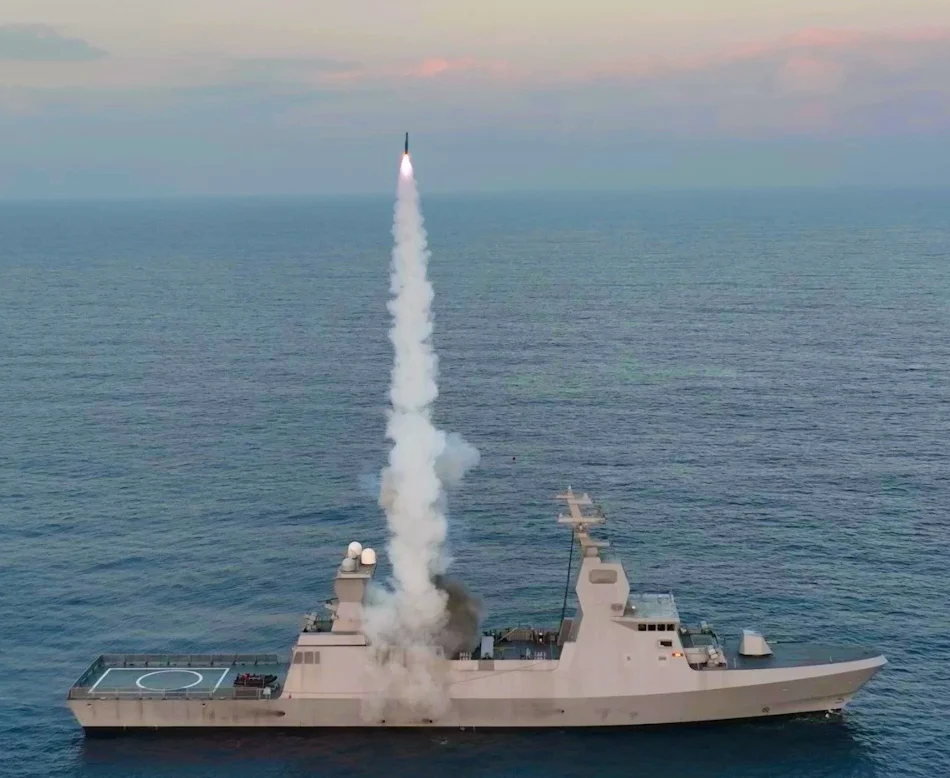
Greece crossed a threshold in its defense posture following the Aug. 31 defense agreement with Israel. The accord transfers to Athens systems of considerable strategic significance: the 300-kilometer (185-mile) range David’s Sling air defense system, the 150-kilometer BARAK MX missile platform, mid-range Spyder surface-to-air missiles, MMR radar systems, and a drone defense architecture. The weapons package, valued at approximately $3 billion, will be delivered over 35 months.