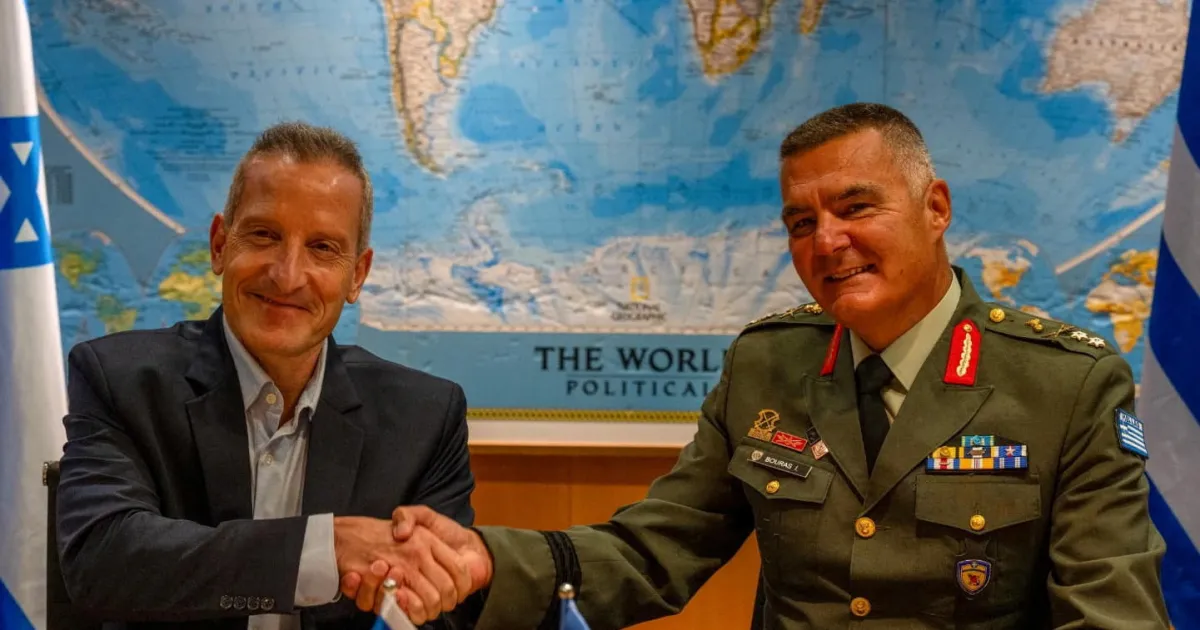
The August 31 signing of the Achilles’ Shield agreement to procure anti-aircraft and anti-missile systems, radar, logistical equipment, training, and support from Israel, is a crucial link in the joint security architecture being shaped by Greece, Cyprus, and Israel in the Eastern Mediterranean and on the Greek mainland.
A few hours after the signing of the agreement, worth €3 billion, one of its key “architects,” Moshe Patel – director of the Israeli Ministry of Defense’s Missile Defense Organization – spoke exclusively to Kathimerini about the technical details of the contract, the months of negotiations, and the design of the new missile defense “umbrella” to be deployed in Greece.
The recent defense agreement (Achilles’ Shield), an agreement of over €3 billion, includes a multilayered air defense agreement covering low-, medium- and high-range interceptions and interceptors, involving the Spyder, the Barak MX systems, and also the David’s Sling. What are the main components of this deal?
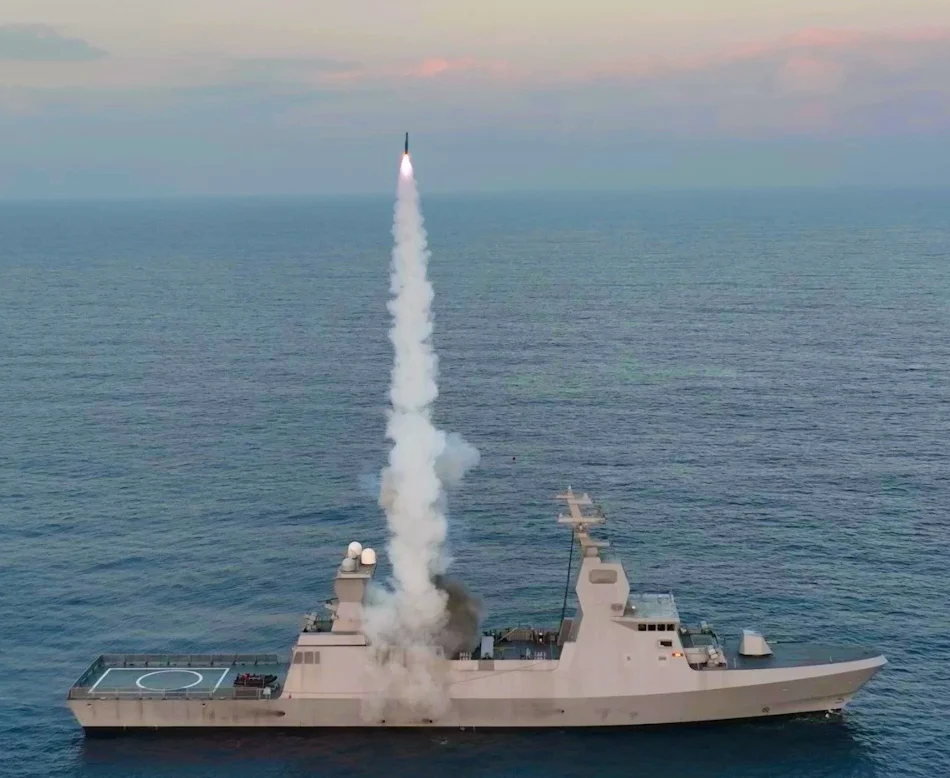
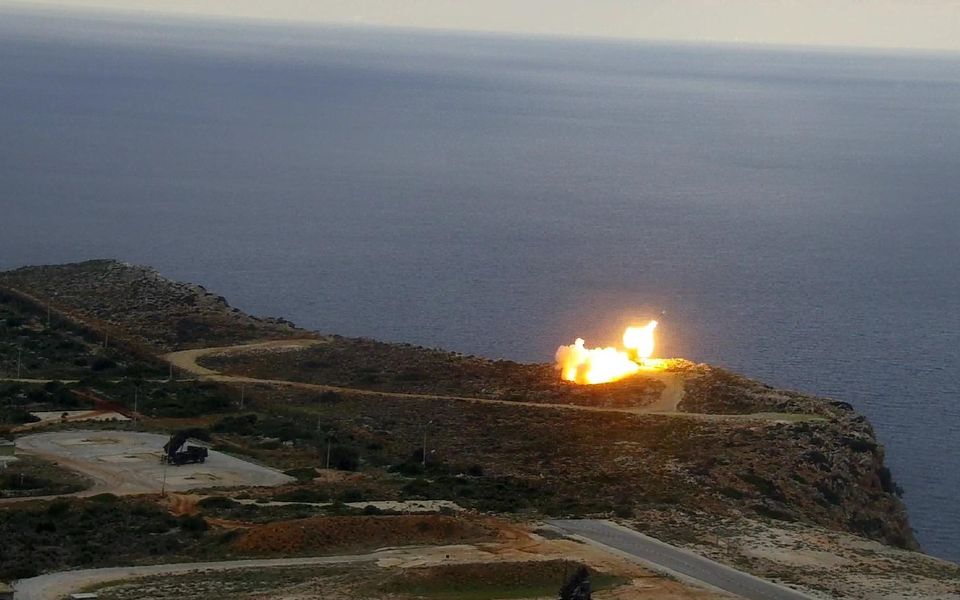
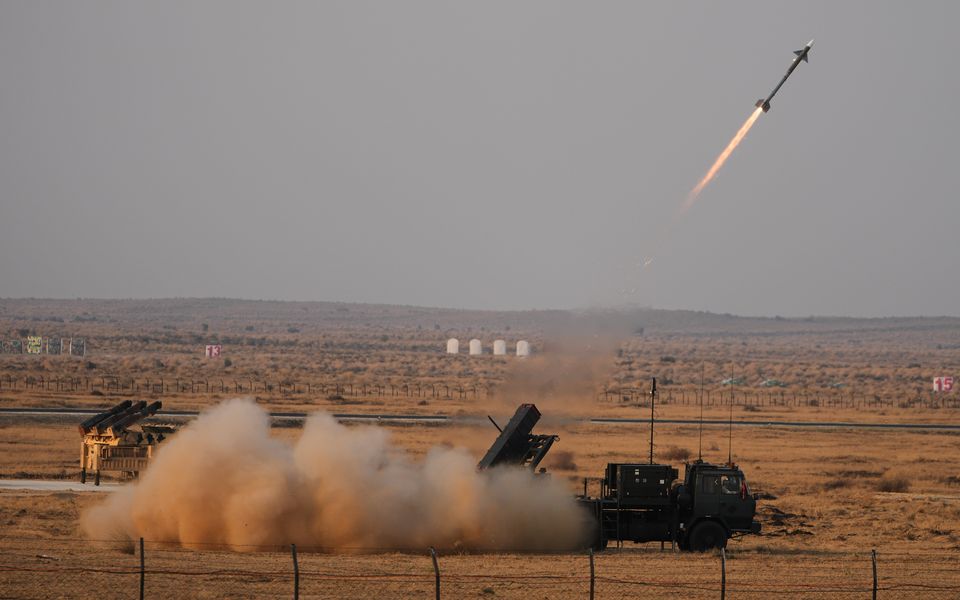
We are talking about multitier capabilities. At the lower level, we have the Spyder weapon system, which is supposed to be deployed on the islands that are a little farther from the mainland. After that, we have the Barak MX systems, which are covering more islands closer to the mainland. And we have the David’s Sling, which has a larger footprint and is covering the mainland and some more islands around the mainland. With that, you have full coverage. The agreement also includes radars, produced and developed by ELTA in Israel, which will be part of a missile defense detection capability, as well as a command-and-control system that actually controls all the systems and all the radars. And I need to emphasize that each of the systems I mentioned, including the Barak MX and the David’s Sling, comes with its own “command-and-control” system and its own radars. So we are talking about radars that are part of those systems, as well as external radars (MMR).