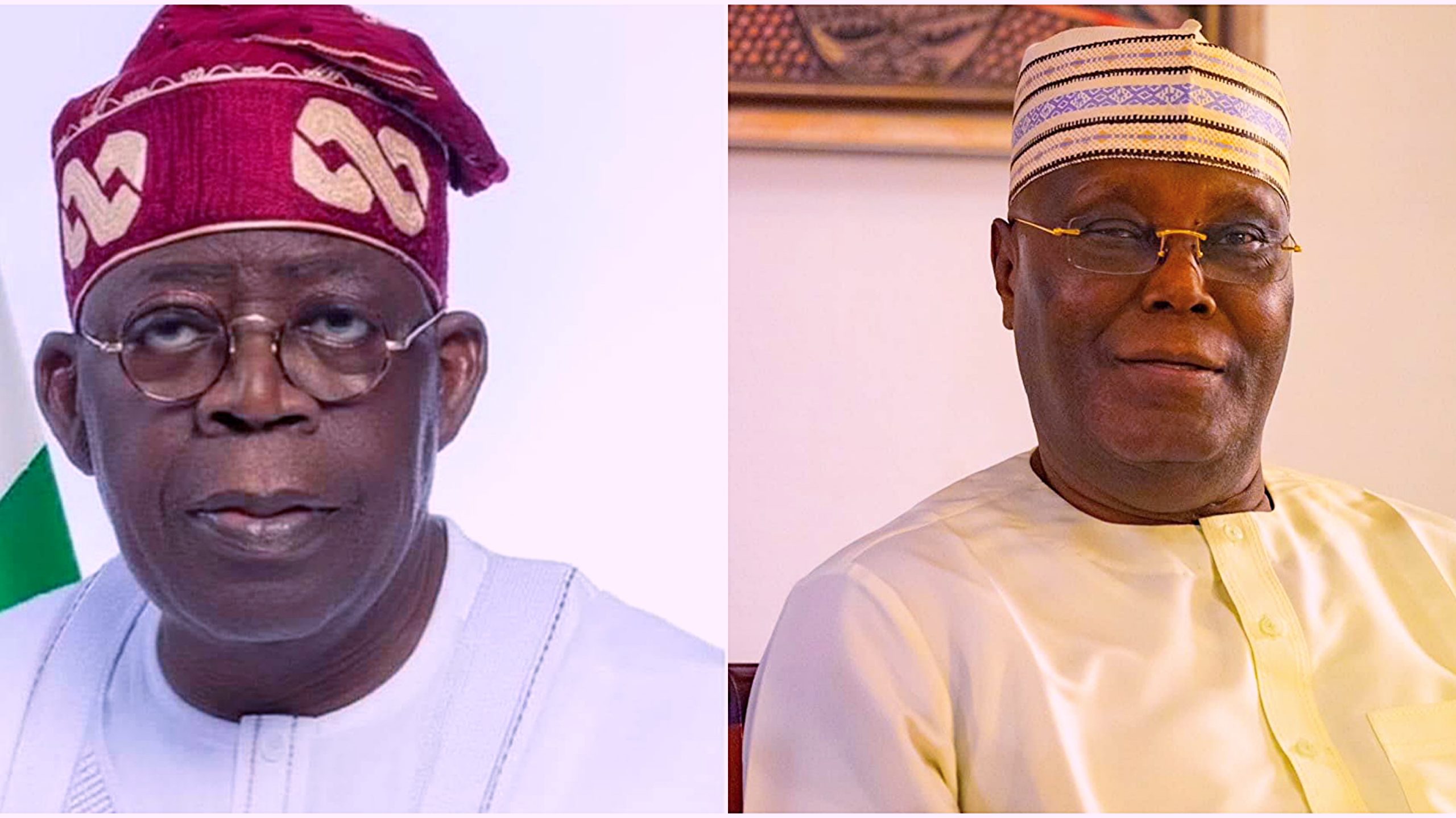
Words matter most when they determine what citizens think they are choosing. That is why Nigeria’s renewed argument over fuel subsidy deserves to be examined not merely as an economic disagreement but as a contest over meaning. As the 2027 presidential contest gathers momentum, subsidy is being made to carry different meanings for different audiences, while familiar political devices – ambiguity, vagueness, coded language, doublespeak, deflection, irony and evasion – help keep those meanings fluid. The result is a curious paradox: the politicians appear to be talking about the same policy while increasingly talking past one another. And the Nigerian voter is left to perform the most important interpretive task of all: determining what each political gladiator actually means, what he proposes to do and what his proposal will mean for the citizen.
This is where Parker Bach, Carolyn Schmitt and Shannon McGregor’s 2025 conceptualisation of strategic ambiguity in political communication becomes useful. Their analysis brings together phenomena such as ambiguity, vagueness, dog whistles, coded language, doublespeak, deflection, irony and political evasion under a broader understanding of communication that can deliberately sustain multiple reasonable interpretations. The political advantage is obvious. Different audiences can hear different things in the same message while the speaker retains room for manoeuvre. The insight is simple but profound: Lack of clarity is not always a communication failure. Sometimes, it is the communication strategy. Nigeria’s fuel-subsidy discourse offers an unusually revealing case.