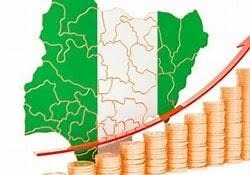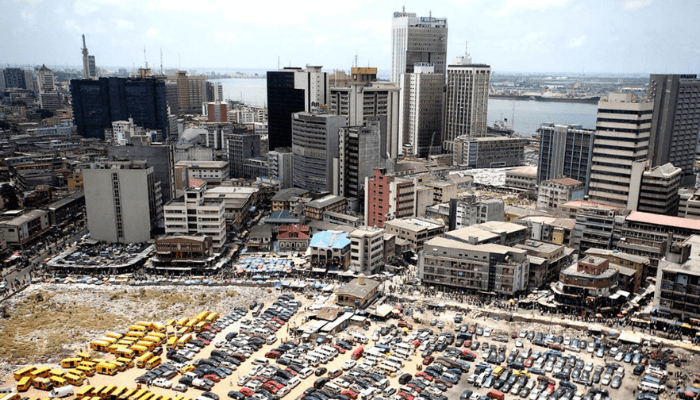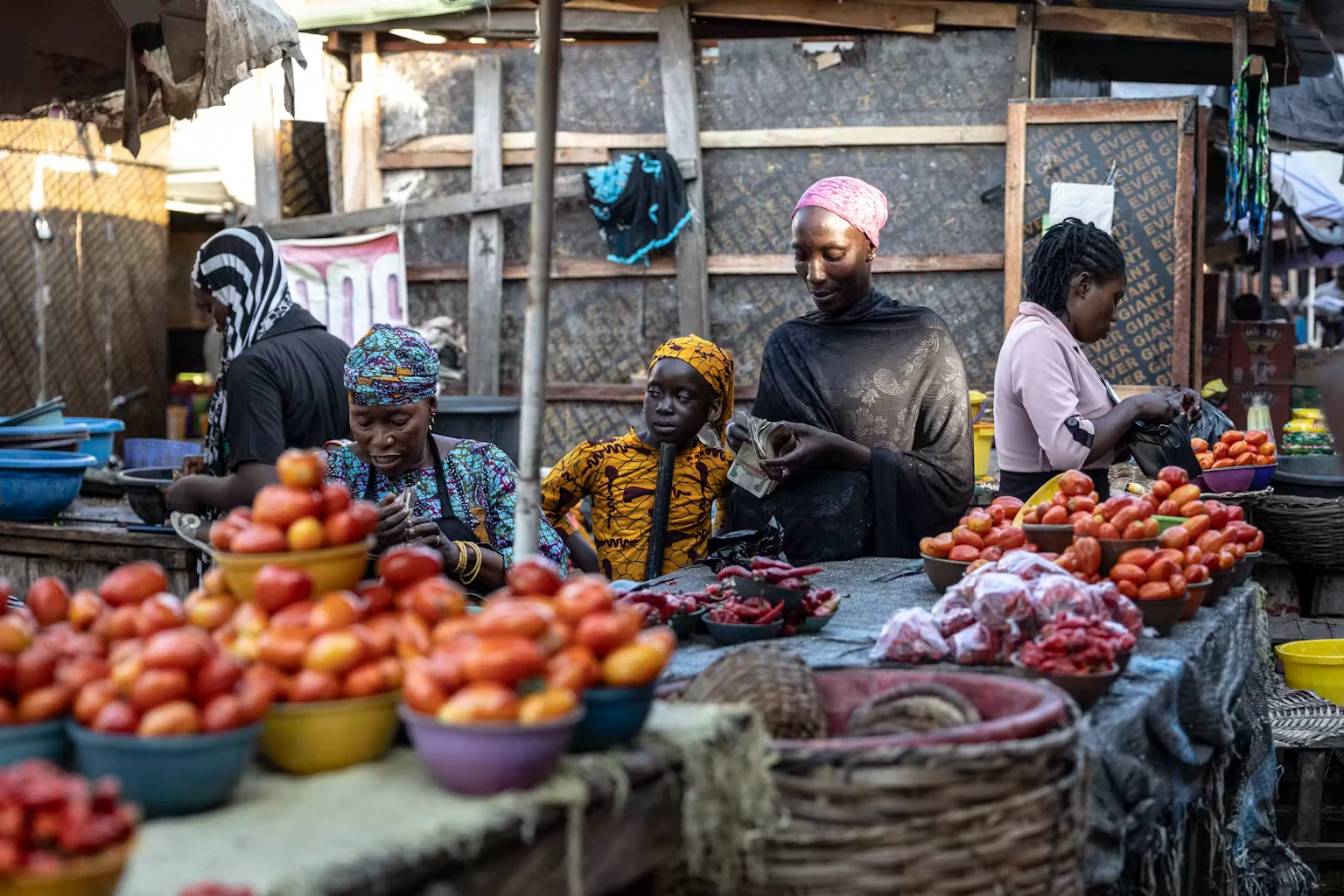
Nigeria’s economy may be growing on paper, but for millions of Nigerians struggling to afford food, transport and other basic necessities, the recovery appears far removed from their daily reality.
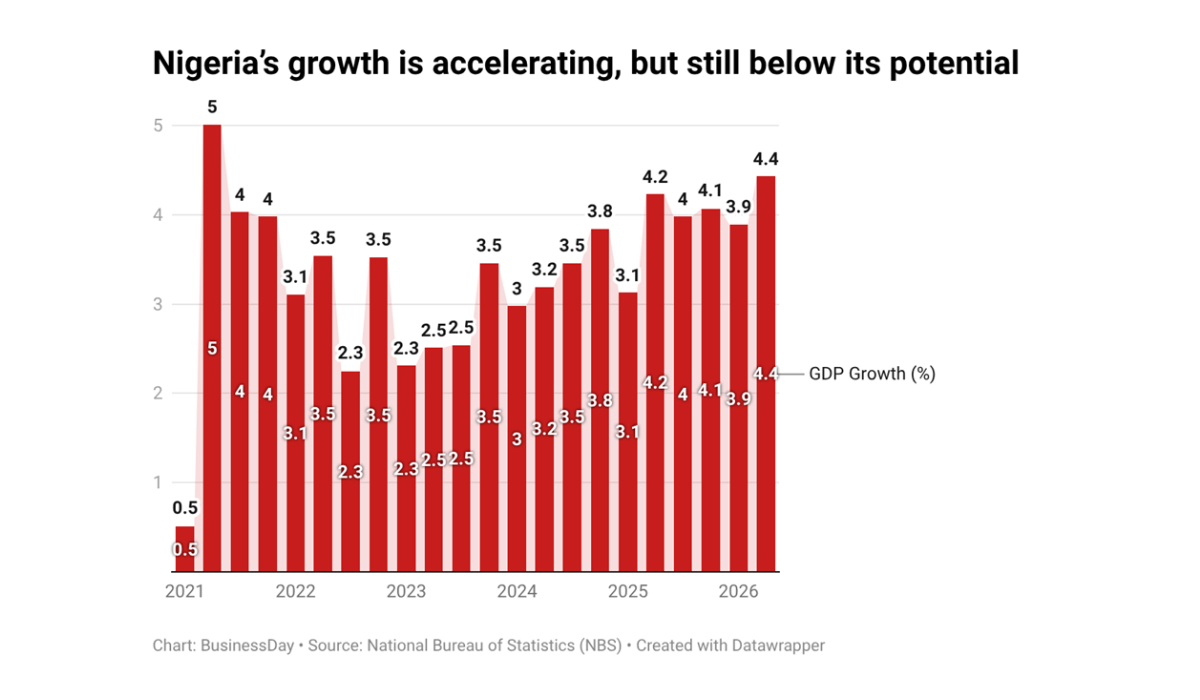
The latest Gross Domestic Product (GDP) figures released by the National Bureau of Statistics (NBS) showed that Nigeria’s real GDP grew by 4.43 per cent year-on-year in the second quarter of 2026, up from 4.23 per cent in the same period of 2025 and 3.89 per cent in the first quarter of 2026.
The Federal Government welcomed the figures as evidence that its economic reforms are beginning to produce results, saying the performance puts Nigeria on a stronger path towards its target of a $1tn economy by 2030.
But as the government celebrates stronger growth, a growing question is being raised by Nigerians: what does economic growth mean when households are still struggling to survive?
The debate has intensified amid rising food costs, concerns over workers’ purchasing power and high petrol prices.